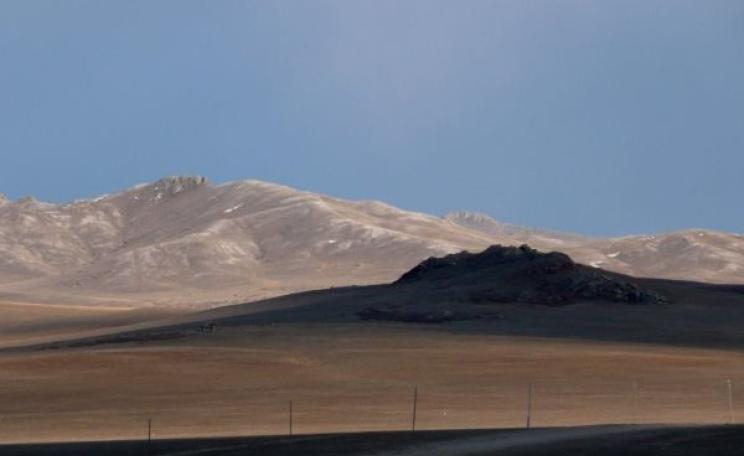
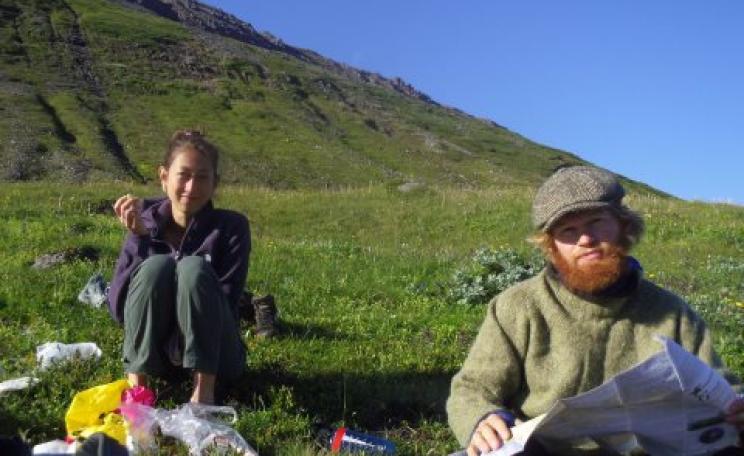
In his search for alternatives to consumerism and industrialism, Jules Pretty travelled around the world to find surviving nature-based cultures. In this extract from his book 'The Edge of Extinction', he tells of the Tuva people of the Siberian steppe - proud of their traditions and closeness to the land, but very much part of the modern world - strictly on their own terms.
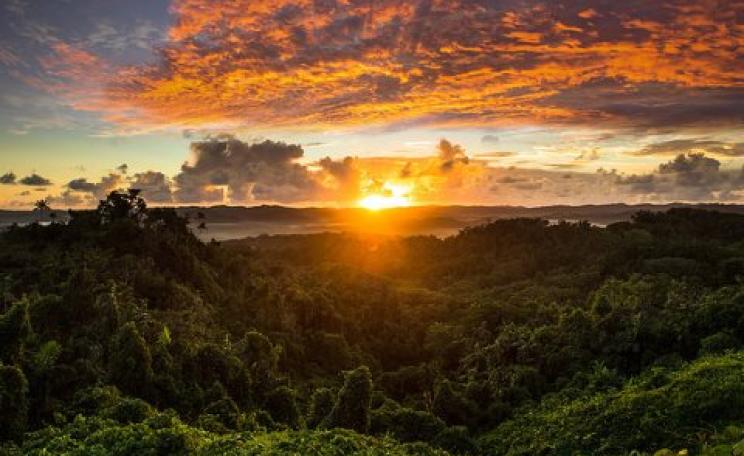
After spending twelve days on a small island in Palau without the ample resources of modern life in developed cities, Andrew Broadbent ponders the crucial role trust will - and must - play in restoring our communities.
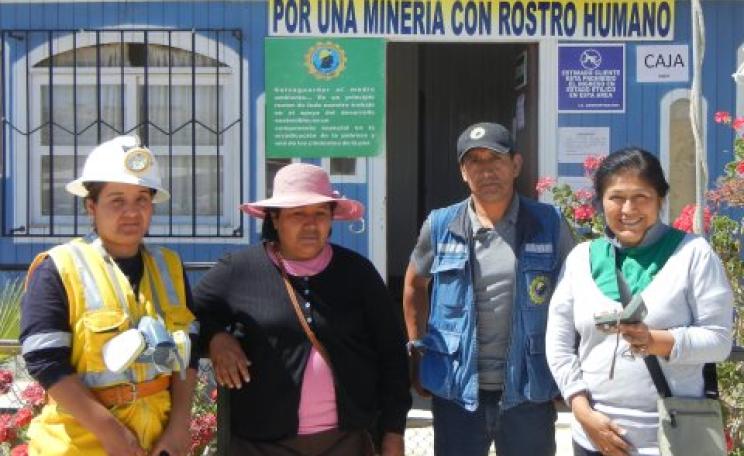
Most gold mining in Peru causes serious environmental damage, write John Crabtree & Judith Condor-Vidal, but there is one exception - a Fair Trade certified mine close to the world-famous Nazca Lines. Now it's up to us to demand Fair Trade gold from the jewellery trade, rewarding responsible producers and expanding the market for new Fair Trade gold miners.
There is a simple solution to the problems of rampant consumerism, debt and a lifetime of servitude, writes Samuel Alexander - radical down-sizing to a truly tiny house. For a start, it's only big enough for the things you really need. And it's so cheap to build, that it's paid for from a month or two's salary. Just one question - what will you do with your freedom?
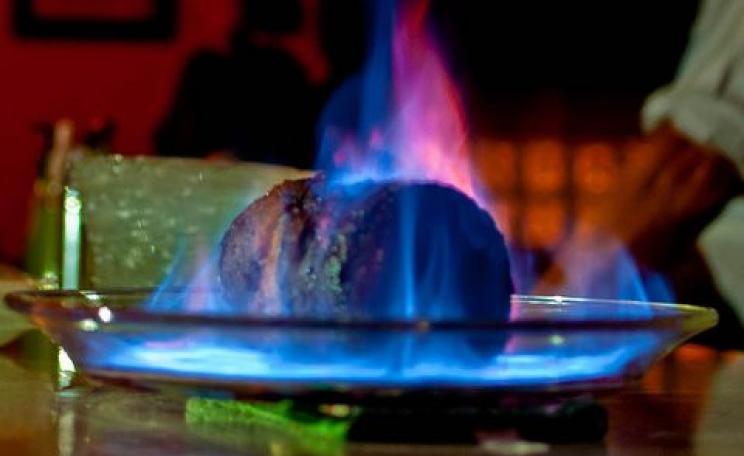
Freezing Christmas leftovers can save families money, help the environment by reducing food waste, and tickle our tastebuds with new and exciting flavours, writes Gavin Ellis - who shares delightful recipes to make the most of your Christmas sprouts, turkey and plum pudding ...
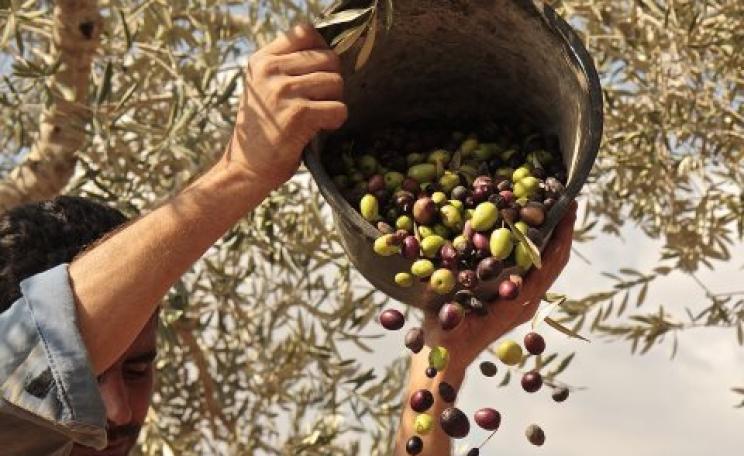
Palestinian minister Ziad Abu Ain died yesterday after being attacked by Israeli soldiers while planting olive trees in the West Bank - a peaceful and fruitful challenge to a long and brutal military occupation. As Zaytoun co-founder Cathi Pawson writes, we can help by buying organic Palestinian olive oil, available in the UK against all the odds.
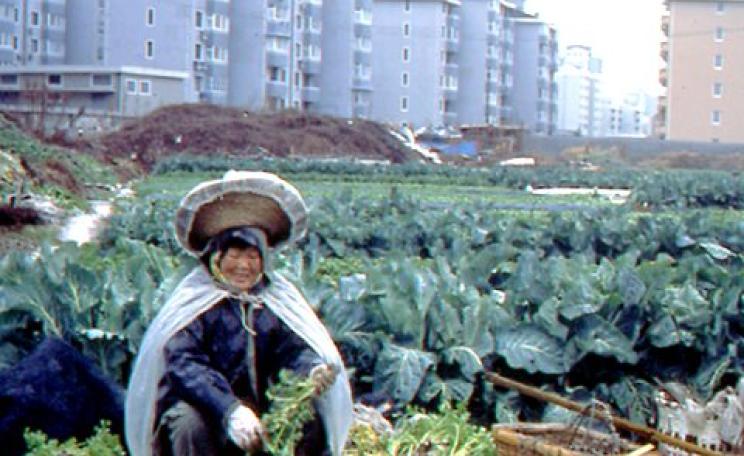
To reduce the pressure on the world's productive land and to help assure long-term food security, writes Herbert Girardet, city people are well advised to revive urban or peri-urban agriculture. While large cities will always have to import some food, local food growing is a key component of sustainable urban living.
For nearly 30 years, Gil Fortes was a hunter of Cabo Verde's shearwater chicks, helping to drive the bird to the brink of extinction. But following a life-changing rethink, he and his daughter Isabel (Bella), are now at the forefront of efforts to save the shearwater and rebuild its perilously low numbers.
Setting aside her fondness for meaty delicacies, Mitra Wicks decided to follow the celebrity vegan trend. Buoyed along by the gastronomic pleasures of London's finest vegan restaurants, she declares the change a success - in terms of health, wellbeing, beauty ... and reducing the exploitation of animals in industrial farming.
A orchard garden has taken root on a long-vacant lot in an economically and racially divided neighborhood of Boston, writes Orion Kriegman. In the making it has united a community, helped to heal deep scars of violence, and inspired a wider reclamation of the urban commons.
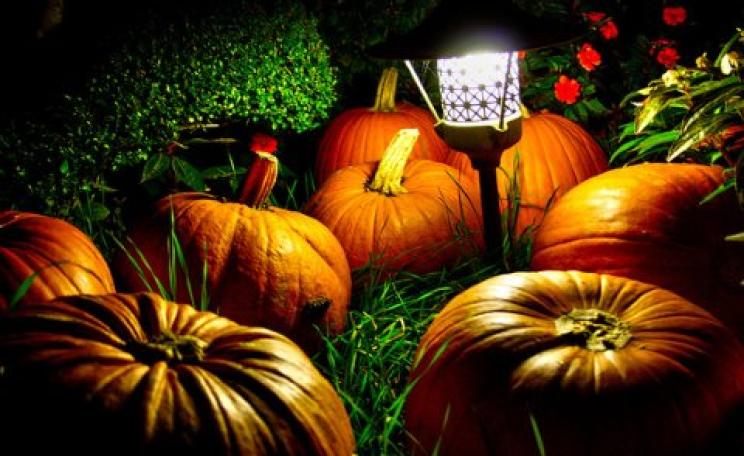
Every Hallowe'en the UK throws away enough pumpkin to make 360 million portions of pumpkin pie, soup, or cake, writes Gavin Ellis - a shocking waste in these hungry times. Hence a bold new initiative to rescue all those pumpkins from landfill, and turn them into delicious food we can all enjoy as part of our seasonal festivities.
If you don't want industrial agriculture ravaging the world to feed cities nutrient-deprived, genetically modified, chemical-drenched pap, here's an alternative, writes Matt Bevington: let cities grow their own fresh produce on 'vertical farms' in disused industrial buildings, restoring sustainability and accountability to the food chain.
Shearwater chicks are cute grey furballs with beaks, writes Simon Ager, and they are all too ready to use them on pesky wildlife researchers. But Cape Verde offers abundant compensations to nature lovers - so many that its future surely lies in conserving, not exploiting its biological riches.
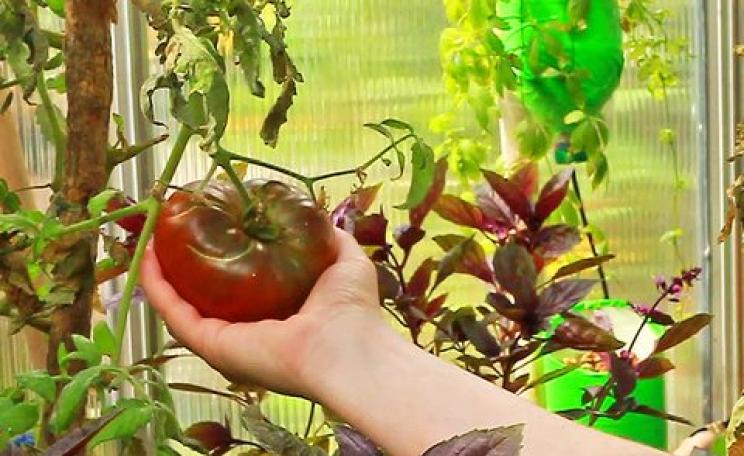
The green dream of being a small farmer producing high quality, organic food for local people has ended up being anything but for Alicia Miller. The problem is money - there's never enough of it. But she's not alone. All over the world, life is a financial struggle for small, ethical cultivators, and constant source of stress.
Seeds are essential to our food and our entire lives, writes Rowan Phillimore. So join in celebrating and sharing them at a series of events this month in London, Bristol, Devon, Oxford, Lancaster, Herts - and begin the fightback against corporate domination of seeds and oppressive government regulation.
Could London, New York and other cities be self-sufficient in fruit and vegetables? Yes, writes Rachel Dring, by converting wasted roof space into gardens and greenhouses. Benefits include reducing waste; raising energy efficiency, sustainability and food security; and healthier, more connected citizens.
Halal ritual slaughter has raised huge controversy in the UK press, writes Alicia Miller. But the far greater issue is farm animals' entire quality of life - as reflected in the Qu'ranic principle that meat must be 'tayyib' - good, wholesome and from well-treated, healthy animals. Is this something we can all agree on?
With the growing trend for natural swimming in cities new opportunities are opening for architects and designers to create dramatic, inspiring, enjoyable new public spaces in urban waterways, writes Jane Withers. And it's the subject of a new exhibition at London's Roca London Gallery ...
Daniel Crockett guided a 300km walk along ancient horse routes through the Westfjords, a remote, depopulating region of Iceland rich in nature, myth and magic. The wild, non-human environment enters our beings, he writes - and thus infected, the onus is on us to spread the message far and wide.
Good food is an essential ingredient at Schumacher College, writes Julia Ponsonby, made with love using fresh, wholesome ingredients many of which have traveled no further than the vegetable garden. No less important, the sense of companionship, learning, fun and frequent hilarity that permeates the building - and the kitchen in particular.
The Apricot Centre in Essex is a unique project that uses organic horticulture and animal husbandry to heal, inspire and educate children from diverse backgrounds, and kindle love for the natural world, writes Martin Large. Now it's expanding to Devon, to establish a second, much larger biodynamic smallholding near Totnes and Dartington.
There is no better time to put the 'green' into building than at the outset of the design phase, writes Ryan Kohn. And to get it there we need to raise awareness of sustainable technologies, and offer incentives, rather than loop-holes, for developers. Buyers too must learn to appreciate the long term value of green ... and demand the highest standards.
An ecological project has taken root on an abandoned olive grove outside Ramallah. As well as restoring the land itself, its deeper aim is to nurture the ancient links between the Palestinian people and nature, and rebuild a culture of steadfastness in the soil of their native country.
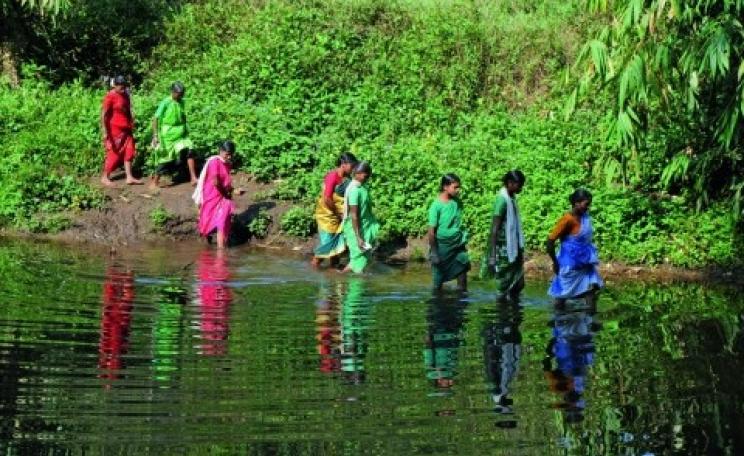
A social solidarity movement is transforming the lives of millions of poor women in Kerala, south India, writes P. Sainath - and among the greatest beneficiaries are indigenous adivasi women who dwell deep in the the forests, and their historically marginalized communities.