Thanks to massive forest clearance for palm oil plantations combined with drought conditions in this 'El Nino' year, writes Zachary Davies Boren, rainforest and peatland fires across Indonesia are set to emit more carbon than the UK, while covering millions of square kilometres with choking smoke.
Bob Inglis is a true Republican, writes Zachary Davies Boren. But now he's a ex-Congressman. All because he reckons that climate change is real, serious and demands solutions - among them a carbon tax to stop free riders dumping their trash in the sky. And, he's certain: it's only a matter of time before the GOP will come to see things his way.
The government claims that we need nuclear 'baseload' power to keep the lights on, writes Damian Kahya. But a new study shows reliable, low carbon energy can be provided by combining diverse green technologies including efficiency, large scale renewables, 'smart grid', energy storage and rarely used fossil fuel backup.
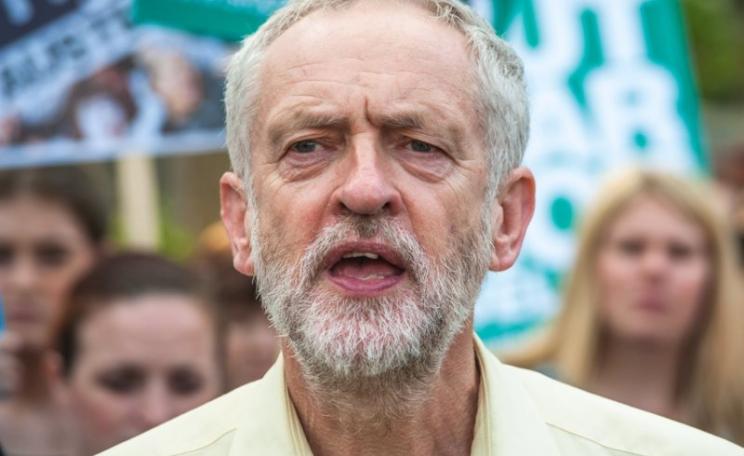
Despite Labour's 'great purge' of left-leaning voters in the leadership election, Jeremy Corbyn remains the odds-on bookies favourite. So if he comes to power, what policies can we expect in energy and climate change? Damian Kahya asks the questions ... and is astounded at the range and scope of his ambitions. But how much could he really deliver?
It's a fair question, writes Doug Parr, but one to which we are getting no answers - the government is keeping its sums and energy models secret. It looks as if the energy department, DECC, is making things up as it goes along to justify its pro-nuclear, anti-efficiency and anti-renewables policies. And when it all goes disastrously wrong, who will end up paying for the mess? We will.
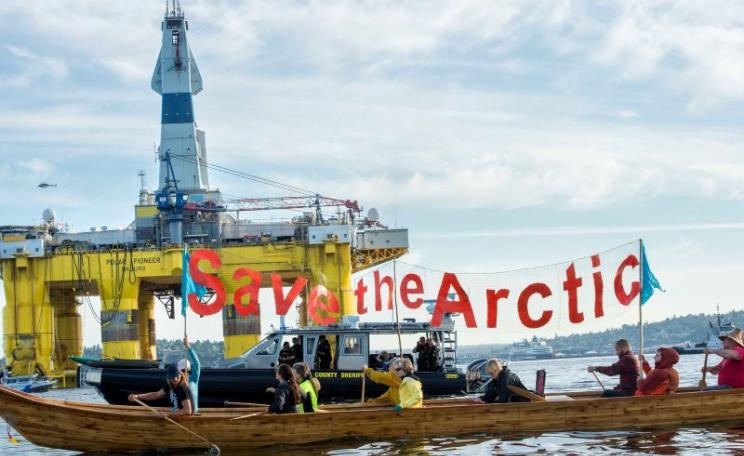
As Shell's Polar Pioneer drilling rig sails from Seattle into the north Pacific, Christine Ottery discovers that US federal regulators had serious concerns about the company's safety equipment designed to contain any oil spill.
Shell claims a third party audit into its plans to drill for Arctic oil and gas has found 'no issues of significance', writes Joe Sandler Clarke. But the audit remains under wraps, and may never be released in full. Now Obama pledges his support for the project - just as it turns out that Shell selected the 'independent' auditor.
Indian coal firm Adani is struggling to finance its proposed mega coal mine in Australia's Galilee Basin, write Marina Lou & Christine Ottery, as promised government support evaporates and a major investor looks set to pull out.
With a million families struggling to stay warm this winter, energy bills will be a hot election issue, writes Doug Parr. But Government actions have repeatedly favoured the 'big six' energy incumbents at the expense of consumers, competition, low-cost renewables and energy efficiency, locking us into high bills for years to come.
The UK's financing of fossil fuels abroad increased tenfold in two years to exceed £1 billion in 2013 / 2014, writes Christine Ottery. Incredibly, the fossil fuel funding increase came after a government promise to use the money to support 'innovative and green technologies'.
9,000 new homes in the 'fast track' housing development zones created by the UK government are in areas of flood risk, making them potentially uninhabitable and uninsurable, according to a Greenpeace investigation - and that's before accounting for the increased flood risk from by climate change. Meanwhile future levels of funding for flood control are looking highly uncertain.
EDF has already moved heavy earth moving gear onto the Hinkley C nuclear power station construction site, writes Doug Parr - but that doesn't mean it's a done deal. On the contrary, a host of intractable problems are coming home to roost, and the increasingly troubled project is looking shakier than ever.
When Shell decided to quit its Arctic oil exploration it cited 'insufficient quantities' of oil and gas, writes Louise Rouse. But that was not the whole story: what tipped the balance was a combination of investor discontent, reputational damage and public opposition on an unprecedented scale.