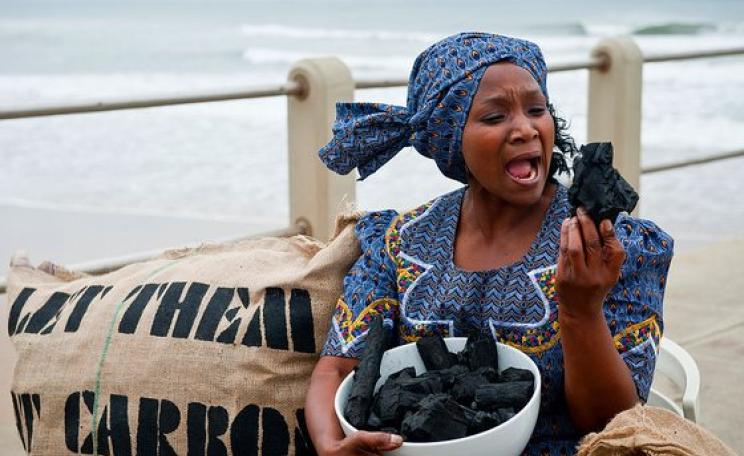
Mining corporations, politicians and big NGOs are meeting in London today to plan the future of extractive industries in Africa, write Nnimmo Bassey & Sheila Berry. Absent African civil society and impacted communities, delegates are setting an agenda for 'resource-led development' that will cook the continent in the greenhouse gases of its plundered oil, gas and coal.
What's needed to pull the world's economy out of recession? According to the G20, it's a massive wave of 'infrastructure' development worth as much $70 trillion, writes Bill Laurance. But all the roads, mines, dams, pipelines and 'development corridors' will inflict massive damage on wildlife populations and natural havens, not to mention local communities that stand in the way.
The Kwegu people of Ethiopia's Lower Omo Valley are facing starvation because of the loss of their land to a huge sugar plantation, the destruction of their forest and the damming of the Omo river - supported by a UK, EU and World Bank funded 'aid' program.
Corporate interests have skewed the entire development agenda for agriculture in Africa, writes Ian Fitzpatrick. Instead of investing in sustainable, small scale farming along agroecological principles that raise production and support rural communities, governments - including the UK's - are backing destructive industrial farming and land grabs.
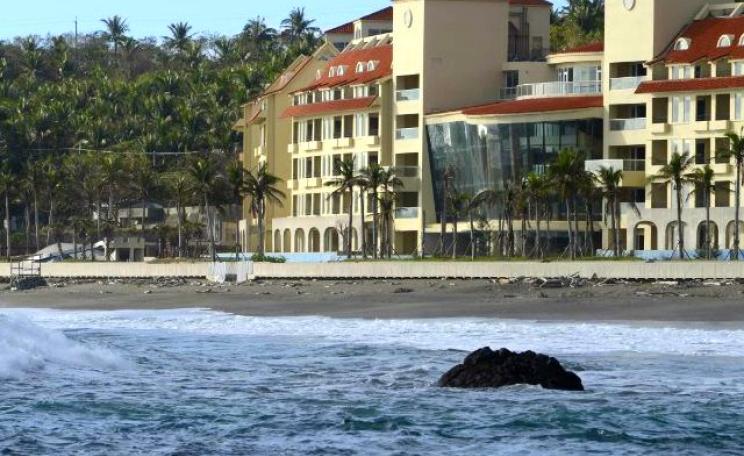
A huge hotel development has been built on a pristine beach belonging to the 'Amis, one of Taiwan's indigenous tribes, despite numerous court rulings confirming its illegality. Glenn Smith met 'Amis campaigner Sinsing, whose fight for justice began when the government handed out eviction notices to her community - and will continue until the hotel is razed and the beach restored.
Across Africa, laws are being rewritten to open farming up to an agribusiness invasion - displacing the millions of small cultivators that now feed the continent, and replacing them with a new model of profit-oriented agriculture using patented seeds and varieties. The agencies effecting the transformation are legion - but they are all marching to a single drum.
An ancient grassland SSSI at Rampisham could be saved following a government decision to put an 'hold' notice on the West Dorset Council's planning consent for a huge solar farm, writes Martin Harper. Now Eric Pickles must 'call in' the case to a public inquiry, or set a truly dreadful precedent for our most precious nature sites.
Development secretary Justine Greening is facing questions over UK involvement in a massive land-grab in Nigeria that is evicting local farmers from 300 square kilometres of fertile farmland to clear the way for a rice farm owned and controlled from the US and Canada. A 45,000-strong community faces landlessness and destitution.
9,000 new homes in the 'fast track' housing development zones created by the UK government are in areas of flood risk, making them potentially uninhabitable and uninsurable, according to a Greenpeace investigation - and that's before accounting for the increased flood risk from by climate change. Meanwhile future levels of funding for flood control are looking highly uncertain.
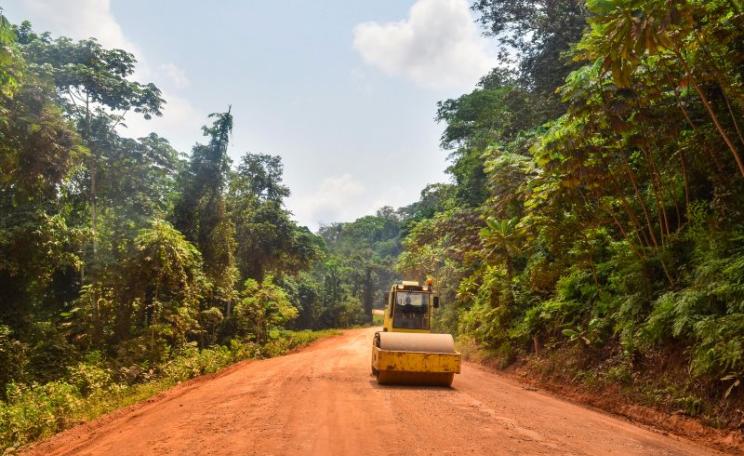
Africa is facing an unprecedented surge in road and railway building with 33 huge 'development corridors' planned that threaten 2,400 of the continent's protected wildlife areas, writes Bill Laurance. We must block the most destructive plans and limit avoidable impacts on natural areas - before it's too late.
When Tory MP Mark Reckless jumped ship to join UKIP last September, one of his reasons - missed by mainstream media - was his outrage at Medway Council's plan to build 5,000 houses on an internationally important sanctuary for nightingales, after ministers tipped the wink that they would 'green-light' the scheme.
Disaster threatens England's nightingales, already down 90% in 40 years, if ministers fail to block a plan to build 5,000 homes on SSSI breeding site in Kent. But as Robin McKie writes, the government is showing no sign of intervening, as campaigners warn of an 'open season' for development on our most important wildlife sites.
In 1976, it looked like a good idea: to divert the waters of the Danube into a salt-water lagoon on Ukraine's Black Sea coast, and irrigate millions of hectares of arid steppe land, writes Dimiter Kenarov. But the result has been human and environmental disaster on an epic scale.
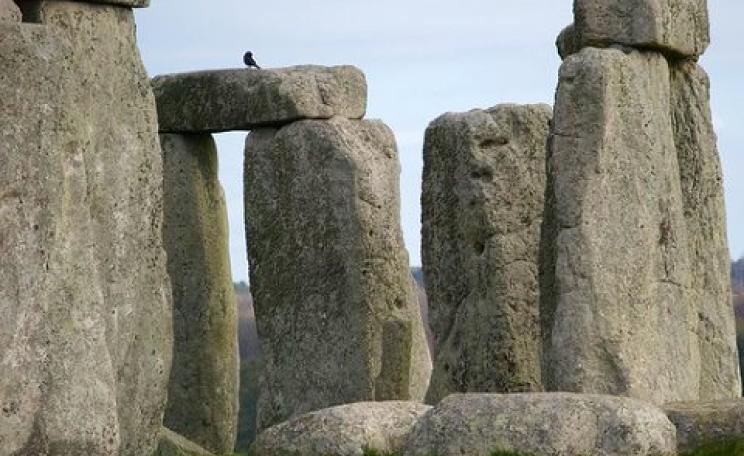
The government's plans to tunnel the A303 under the Stonehenge World Heritage Site has one grievous flaw, writes Kate Fielden. The tunnel is too short, so huge portals and graded junctions at both ends would lie entirely within the WHS causing huge damage to landscape and wipe out archaeological remains.
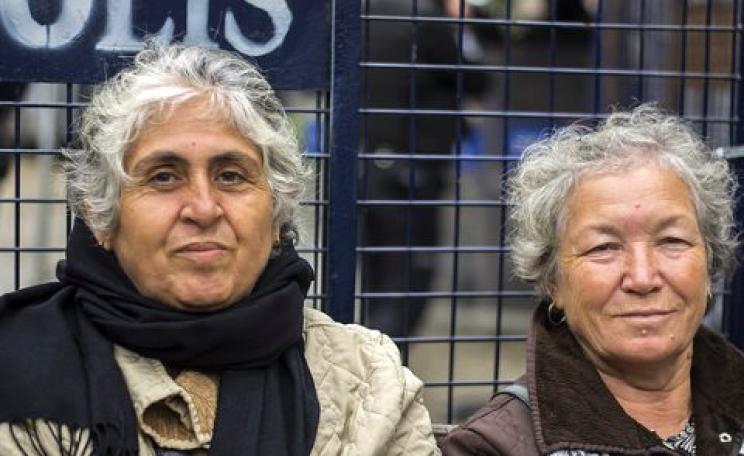
After Gezi Park, another battle for one of Istanbul's increasingly rare green spaces is raging, writes Nick Ashdown - and this time it's on the city's Asian side. Demonstrators are holding a 24-hour vigil on the edge of an 'illegal' construction site at Validebag Grove - despite having been repeatedly detained and attacked by police.
The president of the World Bank has promised to back out of financing coal developments, and instead target its finance at 'every dimension of renewable energy' under a new climate-friendly strategy.
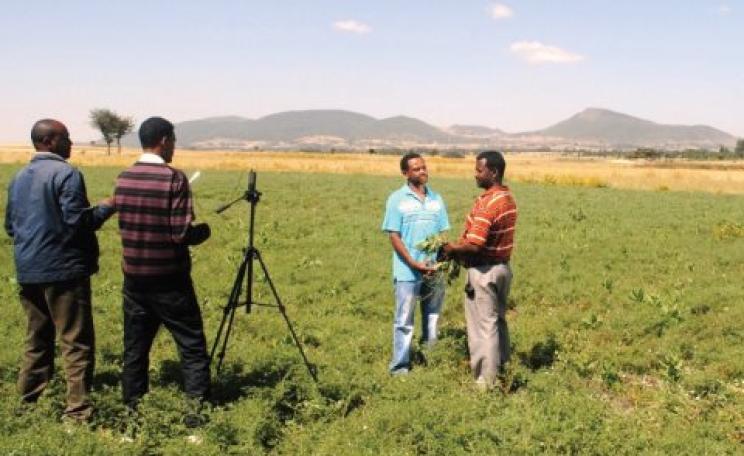
Modern technology has a lot to offer small farmers in poor countries, writes Tony Juniper - just not the GMOs and pesticides that are widely touted. But how about film, digital communications and smart phones? These new media can empower farmers and allow them to share knowledge and experience of how to produce more, from less.
The country's first ever retrospective EIA finds that eight five-storey accommodation blocks built by Oxford University caused 'substantial' damage to historic views of the City's dreaming spires, writes Matthew Sherrington. Planners and University want to 'learn lessons' and move on - but campaigners are determined to cut the carbuncles down to size ...
Lafarge Tarmac has withdrawn its bid to quarry Hopwas Woods following a huge local and national campaign. It's a victory to celebrate - but as the Woodland Trust points out, it also shows that none of our ancient woodland is truly safe from destructive development.
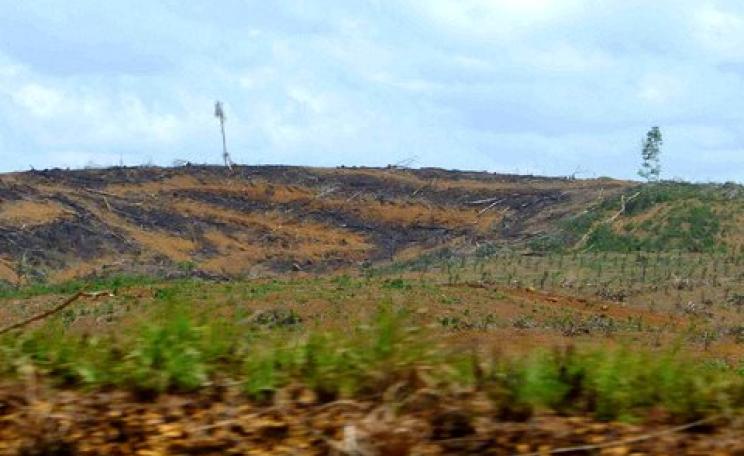
The medical response to the Ebola outbreak in West Africa has been monstrously inadequate, writes Richard Kock. But so has been recognition of the underlying causes - in particular the explosive spread of industrial oil palm, which disrupts the ecology of forests and farms, and undermines local economy and traditional governance, leading to a 'perfect storm' of disease.
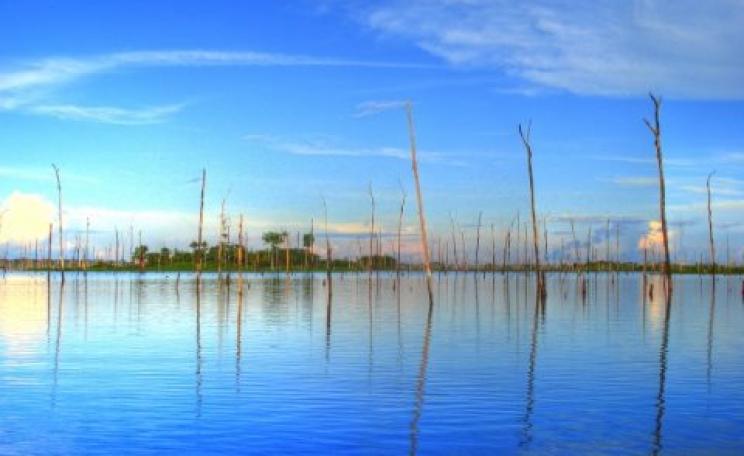
Brazil's newly elected Dilma Rousseff is committed to completing the disastrous Belo Monte dam, writes Helle Abelvik-Lawson. Worse, she looks certain to press ahead with the industrialisation of the Amazon, with 61 hydroprojects in the pipeline. And new scientific findings about the massive climate impacts of tropical forest dams are not about to stop her.
Left wing governments across the Americas are faced with a dilemma, writes Daniel Macmillen - high social spending programs financed by income from destructive mining and hydrocarbon extraction - or a slower but sustainable development path that puts ecology, equity and justice first. Their answer - a constant pushing back of the resource frontier.
Microfinance - lending poor people small sums to capitalise sustainable, profitable livelihoods and businesses - is widely lauded as a 'good thing'. And at its best, so it is. But some micro-lenders in south Asia operate with the methods, and ethics, of loan sharks, write David Hulme & Mathilde Maitrot. Can microfinance save its soul?
The massive concentration of economic resources in the hands of a few people presents a significant threat to democracy and wellbeing. Mark Goldring, Chief Executive of Oxfam GB, calls for a more progressive agenda for the redistribution of wealth.