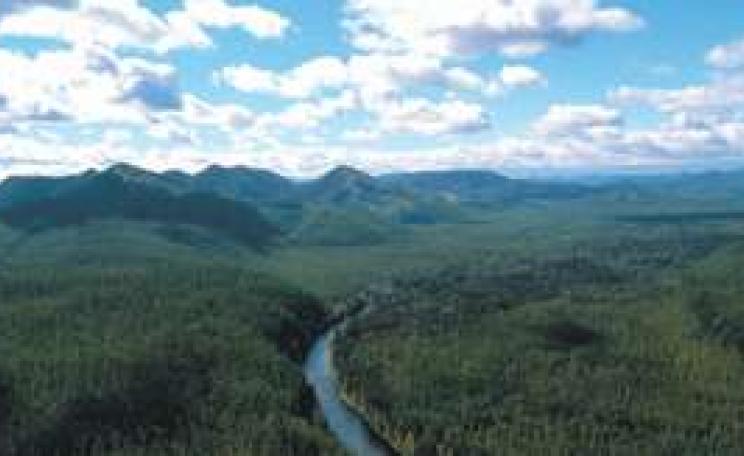
One of the major causes of rainforest destruction and biodiversity loss in tropical zones is the illegal logging of hardwoods. The Forest Stewardship Council (FSC) label, broadly speaking, exists to address this by promoting environmentally appropriate, socially beneficial and economically viable management of the world’s forests.
HSBC, the UK's largest bank, is helping the Malaysian logging giant Samling list on the Hong Kong Stock Exchange, despite HSBC's claim to be the "first green bank".
What remains of the once mighty Caledonian Forest is fast being eroded by an ever-increasing population of deer. Without reintroducing their natural predator, the wolf, to the wilds of Scotland, the forest and its ecosystem is in danger of disappearing forever. By Jeremy Smith
Fear of traffic risks and ‘stranger danger’ are holding our children captive indoors. For the sake of their health and development, and for the environment they will one day need to protect, we have to find ways of getting them into the wild.
The ongoing battle between US tree-sitters and North America’s big logging firms pitches some of the world’s most determined activists against some of its most ruthless corporations. It is a battle that the tree-sitters simply must not lose.
According to the World Health Organisation, more than 30 serious new diseases have emerged in the last three decades. Mark Walters describes one of them, Lyme disease, and shows how our destruction of the environment is inextricably linked to its proliferation
The economic troubles in Argentina have been widely reported around the world. The impoverishment of the middle classes and the Argentines’ growing cynicism about their politicians have been extensively written up. Less well covered in the news has been the effects of the crisis on Argentina’s very poorest – people who live far from the eye of city-based reporters, the country’s original inhabitants, a people despised and vilified as ‘savages’ by the settler population.
Russia’s zapovedniks are some of the world’s most pristine wildernesses. For 70 years they were protected ruthlessly by the Soviet system, but recently they have fallen prey to Putin, the World Bank and ecotourists. Paul Webster reports on their plight