In the midst of a dire need to feed millions of people facing hunger because of drought, Kenya's newly passed Biosafety Act allows for the importation of GM crops - but at what cost?
As controversial UK trials of a potato genetically-modified to be resistant to late blight get underway, we speak to research leader and plant geneticist Professor Jonathan Jones about why he is in favour of an expansion in GM crops
Main ingredient of Monsanto's Roundup weed killer is being linked to cancer, birth defects and Parkinson's disease and should be banned, according to campaigners behind new report
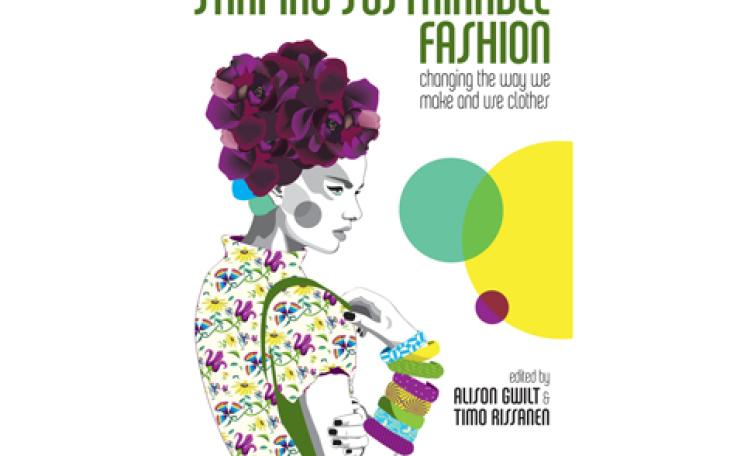
Alison Gwilt and Timo Rissanen’s attempt to define sustainability in a fashion context provides some fascinating insights but doesn’t show enough engagement in the wider environmental debate for Mark Newton
The pesticide industry and regulators have repeatedly misled the public with claims that glyphosate is safe, says Claire Robinson. As a result, Monsanto's Roundup is used by gardeners and local authorities, in school grounds, and in farmers’ fields
Environment Agency finds Monsanto, BP and Veolia liable for clean up after thousands of tonnes of cancer-causing chemicals - including PCBs, dioxins and Agent Orange derivatives - dumped in Welsh quarry
Environment Agency finds Monsanto, BP and Veolia liable for clean up after thousands of tonnes of cancer-causing chemicals - including PCBs, dioxins and Agent Orange derivatives - dumped in Welsh quarry
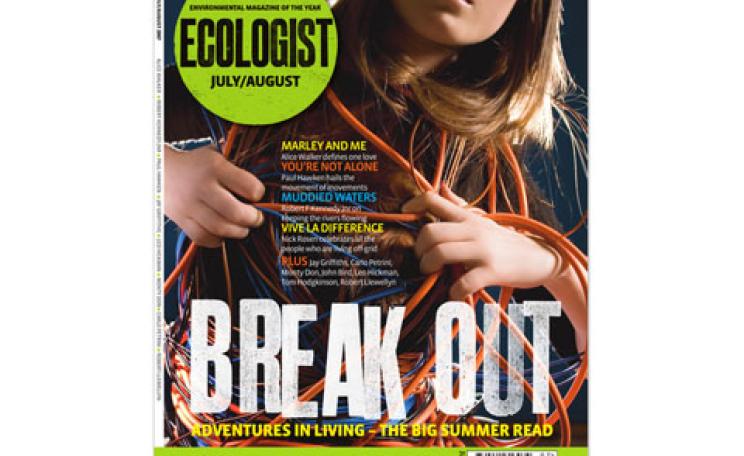
Barbara Young, Chief Executive of the Environment Agency, responds to the Ecologist June 2007 article 'Silenced witness’ in the July/August 2007 letters page
A selection of articles critical of agri-business giant, Monsanto, and its environmental record. The Ecologist magazine’s printing firm at the time, Penwells, feared libel litigation from Monsanto and pulped the 14,000 copies of the edition. The edition was eventually printed by a small London printer and went on to become the biggest-selling issue of the Ecologist ever. Includes and article by HRH the Prince of Wales
Graphic illustrates how just five biotech giants have increased their control of the global seed market, promoting monoculture farming and making it harder for farmers to find alternative sources of seeds
Filmmaker Robert Kenner's documentary Food Inc has shocked audiences across the US with its stark portrayal of industrial agriculture. And that's just the bits the lawyers let you see...
How do you get your GM crops and herbicides into countries that don't want and can't afford them? Simple - you just wait for a crisis, and offer a helping hand...
Environmental group WWF has faced a barrage of protest for sitting at the table with the likes of Monsanto and Cargill. Has it gone a step too far to appease the multinationals?
In the past decade, the sales pitch of the biotech companies has shifted with the climate of public opinion. Public scepticism has remained high, but politicians seem to have bought enthusiastically into the GM ‘solution’. In many ways this encapsulates where science has gone wrong – by inventing technologies without first deciding what problems need addressing. If GM crops are the answer, what exactly is the problem?
Growing anxiety, growing concern, growing doubts, growing uncertainty. If you are one of a growing number of people who want to be heard on the subject of GM, and to find out how you can become involved in keeping the future GM-free, here are some places to start.
The UN Food and Agriculture Organization made a u-turn against organic agriculture after lobbying by the biotechnology industry, according to documents seen by the Ecologist.