As London Fashion Week concludes, Dr Charudutt Mishra explains how demand for cashmere is affecting Central Asian wildlife, and how enlisting the support of local people will be essential for the future of snow leopard conservation.......
As the UK government gives the go ahead for the country's first Biodiversity Offsetting (BO) scheme, Lorna Howarth explains why it will be a disaster for the nation's already declining wildlife
Anna Taylor takes a closer look at the worrying findings of a recently published study which, unusually, chose to assess potential climate change mitigation scenarios on the more widespread and common species found on our planet.....
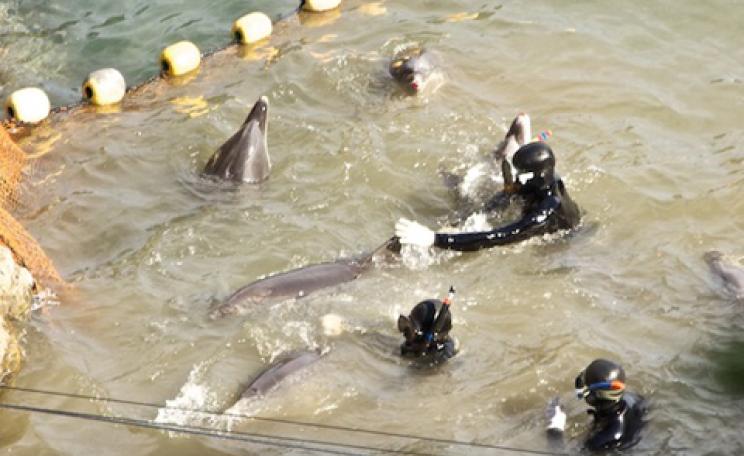
Laura Bridgeman takes a look at the scientific evidence that may explain why dolphins have such a benevolent nature when it comes to interactions with humans........
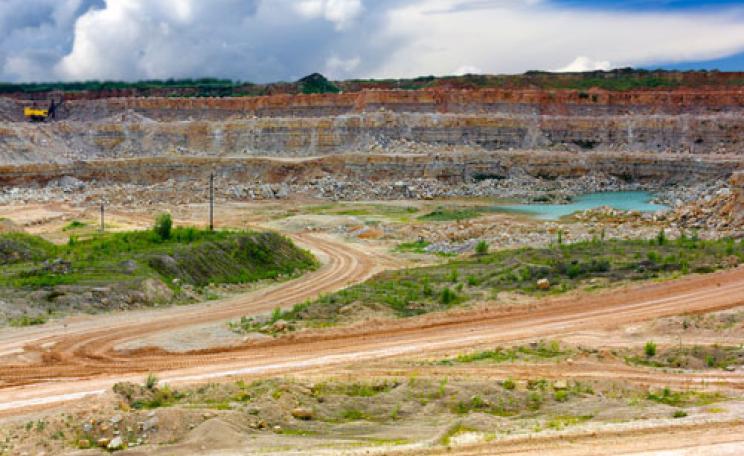
When Andy White realised that there would be no green knight coming to save an ancient woodland from 'death by quarry', he refused to join the ranks of people who had all but despaired and decided to take action.........
Toni V. Shephard notes that less and less of us are prepared to deal with 'pests' using the traditional method i.e. killing them, and offers her perspectives and solutions on human/wildlife conflict.....
Edgar Vaid reviews a unique documentary that takes the viewer behind the scenes of front line animal rescue in Bolivia - a poor but proud country that said NO to animal cruelty........
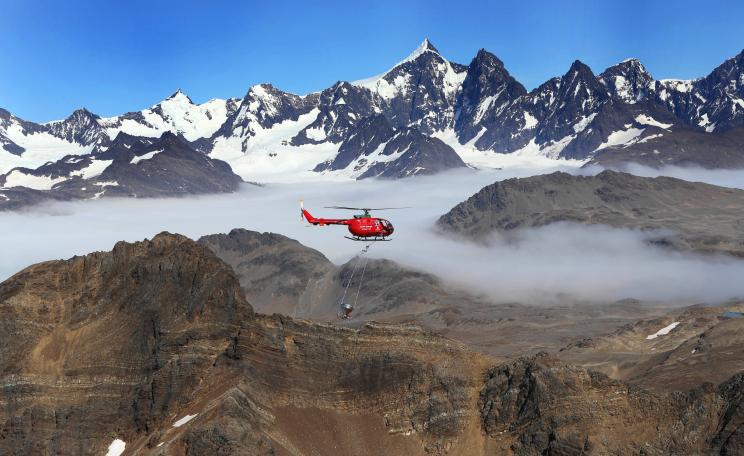
Professor Tony Martin reports on the latest phase of the world’s largest rat eradication project, which seeks to restore a threatened habitat and secure the existence of the remarkable birds and sea life that call the island home.....
Max Newlands talks to crocodile hunter and conservationist, Steve Irwin’s father Bob, who carries on the family fight to save the Great Barrier Reef from industrial level destruction
Whilst running the length of South America to raise awareness of the vulnerability of the continent's remaining wilderness Katharine and David Lowrie meet the winners and losers in Argentina's rush on soya....
Richard Hobbs is stepping down as Editor-in-Chief of the journal Restoration Ecology. During his 10 years at the helm, he's often been surprised by the resistance in some quarters to the emergence of new ideas. Here's an edited excerpt from his parting editorial.......
Edgar Vaid reviews Eric Dinerstein's latest book, and whilst reflecting on our apparent obsession with seeking out the 'rare', discovers that it's all rather relative.......
Dominic Dyer reports on a long overdue co-ordinated effort by the international community to take action against the global industry which is slaughtering Africa’s elephants......
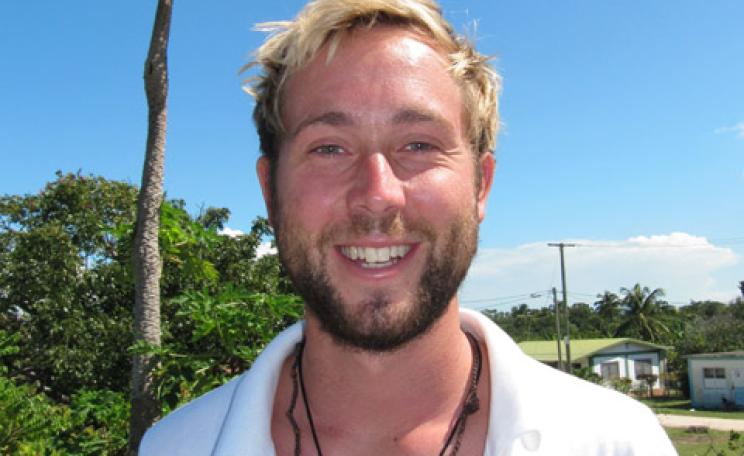
Sam Hope, expedition and dive manager in Belize for marine conservation charity Blue Ventures, answers some searching questions about science, conservation, and superpowers........
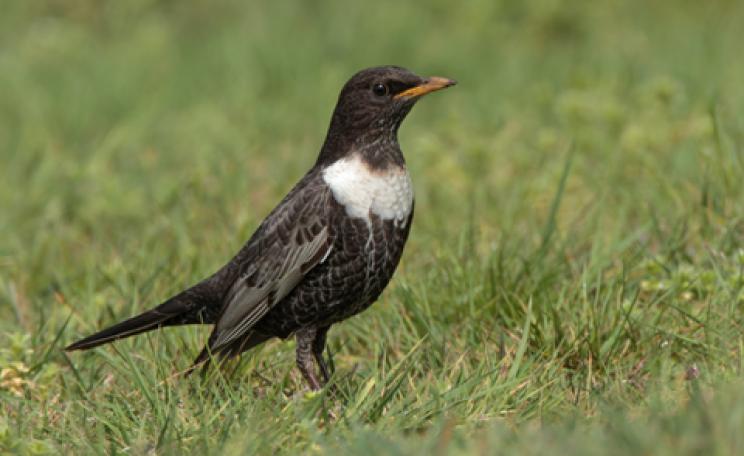
In responding to an article about the conservation of ring ouzels for their own sake, Edgar Vaid considers the wider issues raised by the management of heather moorlands to conserve grouse for shooting......
The Moorland Association reports that habitat management, predator control, and collaboration with ornithologists are factors that have been paramount in the resurgence of populations of the Ring Ouzel....
The Sumatran elephant, one of the smallest of the Asian elephants, is the most endangered elephant in the world. Currently there are between 2,400 and 2,800 left, making the species 'critically endangered', according to the charity Elephant Family.
Palm oil is a key ingredient in everything from cereal, biscuits and margarine to shampoo, lipstick and toothpaste. Unless we curb our desire for it critical forests and wildlife habitat will be gone forever, says Dan Bucknell
Western consumers are inadvertently driving the Sumatran elephant to extinction by eating, washing and wearing - in cosmetics - the derivatives of a fruit that is destroying the animal's last remaining forest habitat. Jim Wickens reports
If you go down to the woods today (and stay at least until tomorrow) you're sure to come home feeling a whole lot better says Susan Clark, who recommends holing up in one of the UK's Forest Holidays' log cabins for a day or two ...