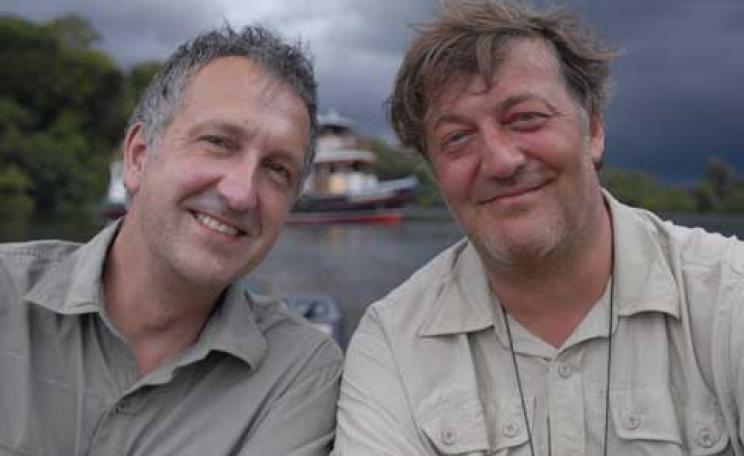
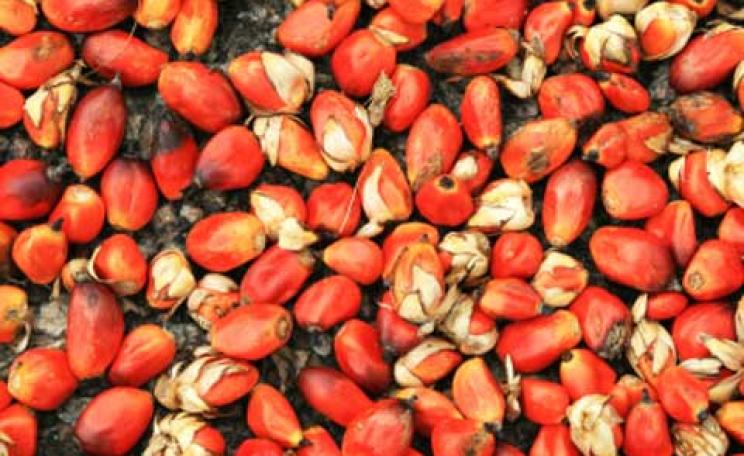
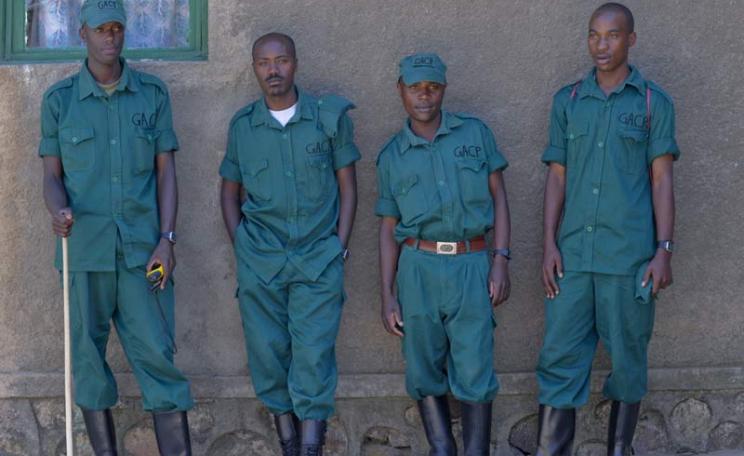
On the one side stand half a million poor farmers, desperate to find land for more crops. On the other, a patch of once-extensive forest that is the area's ecological lynchpin. In between, one woman
As the price of oil increases again, Canada's tar sands once more look like a giant cash cow to the industry. Now, the only thing standing between the 400 ton bulldozers and rampant environmental destruction may be a small group of First Nations people...
Pollyanna Pickering on being one of the few westerners to see a giant panda in the wild, saving the Abyssinian Wolf and how art has led her to a greater appreciation of the natural world...
Tigers breed well in captivity, so why not just farm them behind bars to satisfy those with a taste for tiger bone wine? Debbie Banks from the Environmental Investigation Agency explains why relaxing the rules would be a disaster
The first of two episodes featuring Jess Worth - a co-editor of New Internationalist - who has recently finished editing an issue of the magazine focusing on the Arctic which uncovers the largely untold story of how climate change is impacting already on indigenous peoples and their traditional subsistence lifestyles
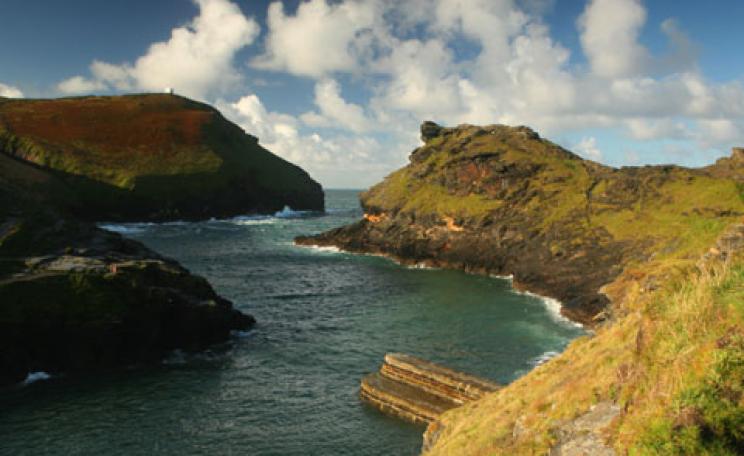
When the Cornish village of Boscastle was devastated by flooding in 2004, few hoped to do any more than salvage the town. Today, it is flourishing, thanks to a new found awareness - and respect - for the power of Nature
A report by the European Commission shows that habitat and wildlife protection targets across Europe will be missed, with nine out of 10 UK habitats found to be in 'unfavourable' condition
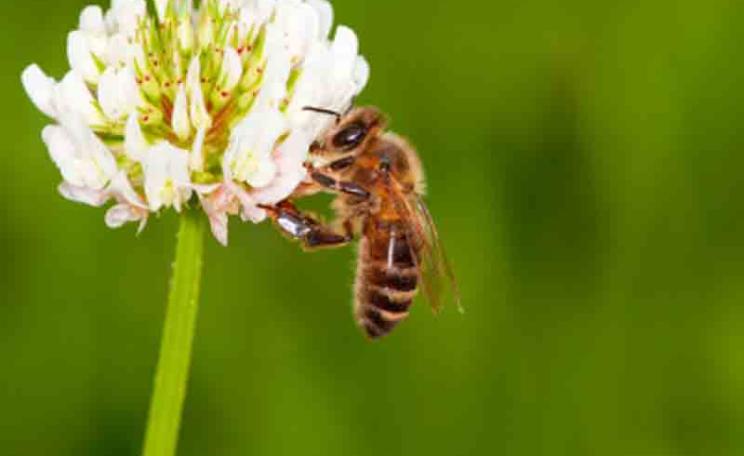
Neonicotinoid pesticides are killing our honeybees. Sign the Soil Association petition to help get it banned. Then take part in Twitter's 'Tweehive' - starting on 14th July
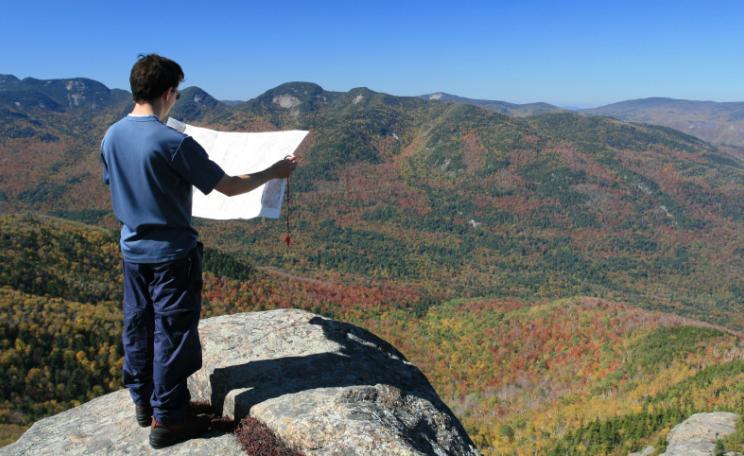
Maps have lost their initial purpose of orientating lost travellers. Today they mean much more: they are tools to help re-connect us to the natural world, writes Trevor Critchley
Plans to bulldoze an Indian mountain sacred to local people were controversial enough... before shareholder data revealed that a raft of UK household names, ranging from Jaguar cars to the Church of England, own shares in the company behind the mine, Vedanta Resources plc. Andrew Wasley reports
Chinese scientists have discovered that draining rice paddies just once every growing season may help reduce global methane emissions from the industry by almost a third