New Mexico’s chilli farmers are under threat. The film 'Red, green of GE?' hears from those concerned about the potentially devastating effects GMO crops would have on the New Mexico chilli.
A decade and a half after conservationists wrung from the European Parliament a commitment to end the trade, the EU remains the largest importer of parrots in the world.
Just as the humanitarian crisis of the Second World War gave birth to the swift implementation of the Universal Declaration of Human Rights 60 years ago in 1948, we now have a planetary crisis that needs to be addressed with equal urgency. Now is the time to call for a Universal Declaration of Planetary Rights.
The coastal towns and villages of Peru are being blighted by an industry that has sprung up to satisfy the West’s voracious appetite for fish – now marine life, human health and whole ecosystems are paying the price. The Ecologist Film Unit investigates
Last year celebrity pig farmer Jimmy Doherty kept 1000 organically reared pigs, while this year apparently he's raised barely 200. But if Jimmy’s farm is on the skids, the same cannot be said of his career as a media celeb.
Across, the pond, the news that one of the US's most iconic birds might be helping to spread the West Nile virus is about as welcome as suggesting Jesus was a communist
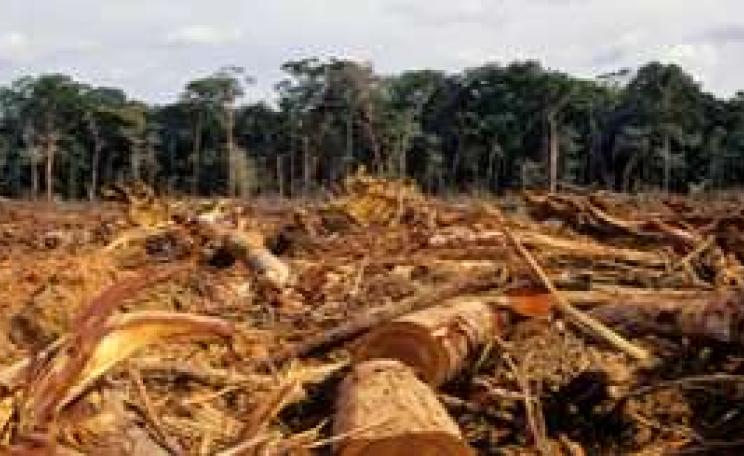
The world’s tropical forests are falling as fast as ever – at a pace of about 13 million hectares each year, or 50 football fields a minute. But the rainforest killers are changing, with big implications for us all.
Can food crops really be engineered to thrive - and to yield more - under drought conditions? After 25 years we're still waiting for the flood of evidence, says Prof Jack Heinemann
Carving a shipping channel through the underwater shelf that links India to Sri Lanka will destroy cherished beliefs and a delicate ecosystem, say Peter Bunyard and Kusum Vyas
Whether we like it or not, the Government says that we must accept the necessity of genetically modified crops to fuel, feed and heal the world. Leading academics, researchers and campaigners in the GM arena address the science and the spin of the GM 'solution', as well as looking at alternatives that are already contributing to a sustainable farming future.
Growing anxiety, growing concern, growing doubts, growing uncertainty. If you are one of a growing number of people who want to be heard on the subject of GM, and to find out how you can become involved in keeping the future GM-free, here are some places to start.
Mathematics is at the heart of any research and, in nature, it can be used to predict and enhance our surroundings and ultimately control it. The logical conclusio to the concept is frightening: there could be a mathematical formula for every aspect of life
Is the light brown apple moth such a danger to crops both agricultural and financial that the US government will risk the health of its citizens to eradicate it? They spray, you pay, warns Claire Robinson
You’ve heard of carbon footprints, right? You may even have calculated your own? But what about your water footprint? Have you ever considered how much ‘hidden’ water it takes to make your cup of coffee in the morning or indeed the tomato in your sandwich?
It was bred to aid the rural poor, but one bird is also helping break industrialised farming’s stranglehold on India. Andrew Wasley meets the remarkable Giriraja
With vast areas decimated by industrial farming, the salad days are over for mass-produced olive oil. Laura Sevier looks at the effect its rise in popularity has had on the European landscape, and at some more sustainable brands.
The Government says it realises our oceans are at risk from pollution and overfishing, says Dr Haris Livas-Dawes, so why won't it produce a marine bill with more teeth?
It was bred to aid the rural poor, but one bird is also helping break industrialised farming’s stranglehold on India. Andrew Wasley meets the remarkable Giriraja
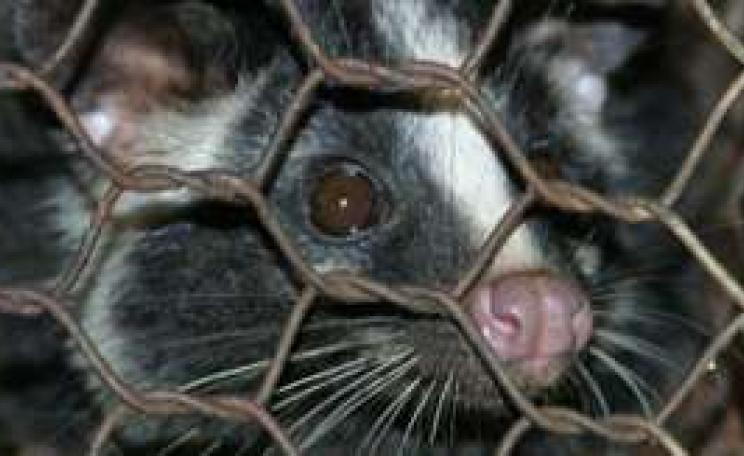
Consuming endangered wildlife is illegal in China, but it continues on a large scale in the country’s south. Walter Parham reports on a habit that locals just cannot kick – even after the SARS crisis.