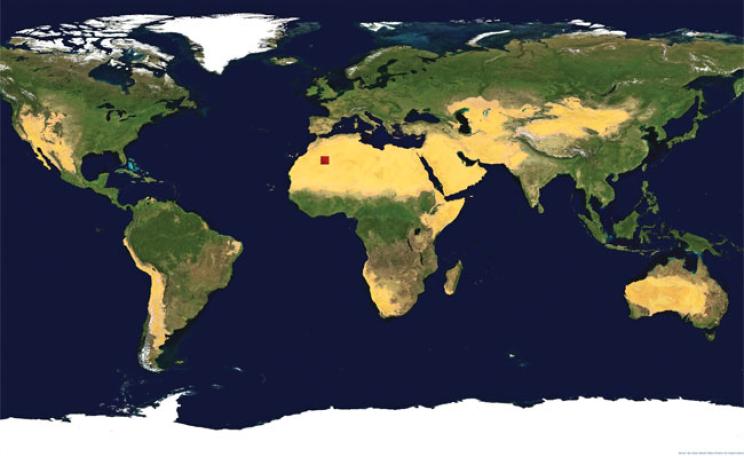
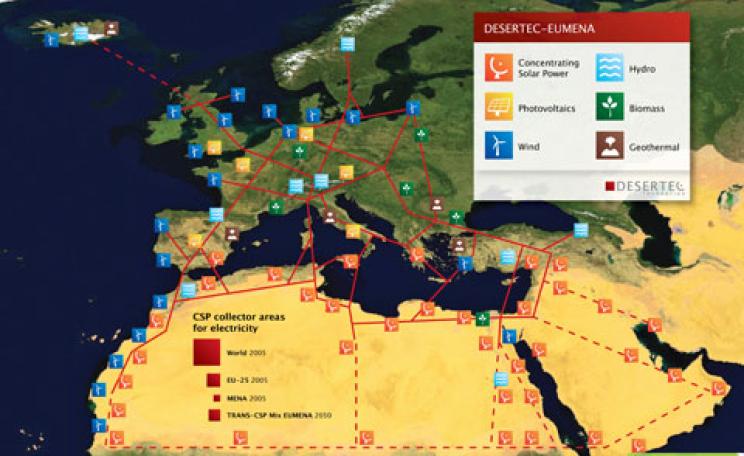
North Africa expected to become major producer of concentrated solar power (CSP), more than half of which would be exported to meet European electricity demands
It may have a dull-sounding name, but the Government's new Feed-In Tariff could revolutionise home energy generation. So how does it work, and what's the catch?
Plans to use concentrating solar power plants in the Sahara to generate and export electricity have been on the table for years. Now, it looks as though political will might help move things forward
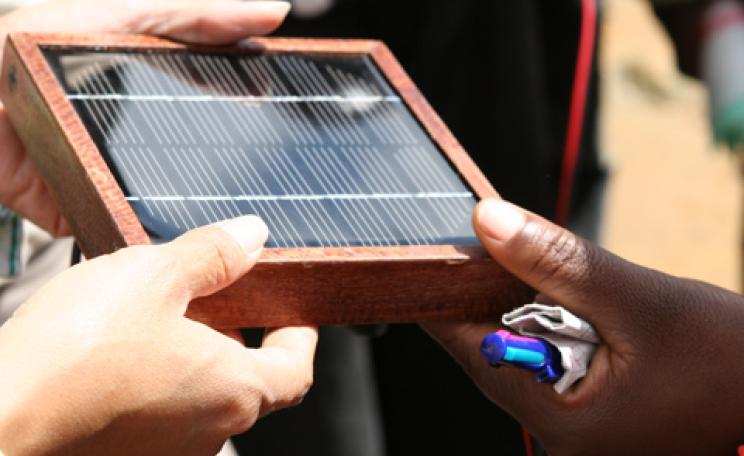
A simple but effective solar kit is helping to bring light to homes in the less-industrialised world without the choking side-effects of kerosene lamps
Campaign groups believe the payments will be too low to encourage significant numbers of people to install small scale renewable energy in their homes and communities
Cambridge University's solar electric car 'Endeavour' was unveiled in July as a contender in the Global Green Challenge - a gruelling race across the Australian outback in October. Now, the Ecologist and Positive TV take a look at the guts of this remarkable vehicle, and ask - what does it mean for the average road user?
Feed-in Tariffs for renewables are what the UK needs to make home-grown energy more attractive. We look at what the 'We Support Solar' coalition is doing to bring about a change, and take a look at the group's new photography competition...
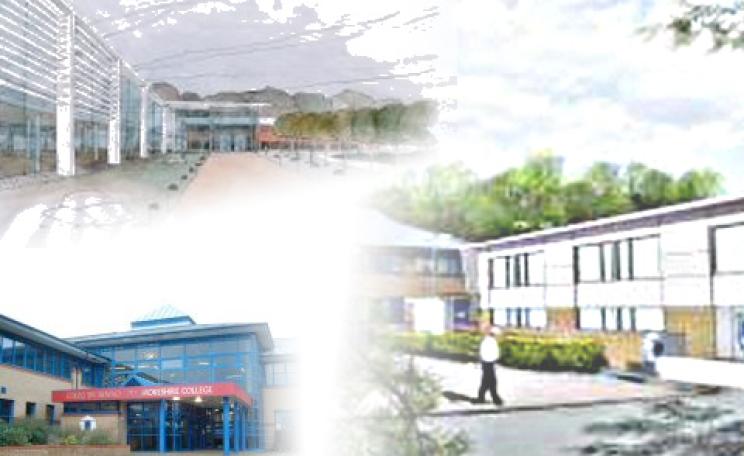
The new Construction and Sustainable Energy Centre in Haverfordwest is a blueprint for the newbuild higher education buildings of the future, in Wales and beyond
Renewables good, fossil fuels bad... unless, of course, renewables begin to take up more and more land in order to meet our energy needs. Paul Kingsnorth adds fuel to a tricky debate.
Two firms in the wind power sector illustrate how companies in the developing world can take advantage of increasing access to technological know-how, while staying within the bounds of intellectual property law, says Joanna Lewis.
Every year, each square metre of the UK receives between 900 and 1200 kWh of solar radiation. Capturing just some of this energy could make a significant contribution to fulfilling our energy requirements.
Britain could become a ‘carbon-free’ country in just twenty years, according to a new report published by the Wales-based Centre for Alternative Technology.
The town of Shinan in South Korea is planning to host the world’s largest solar power plant, following government plans to generate 10 per cent of the country’s energy from renewable sources by 2020.
Former environment Minister and Labour leadership candidate Michael Meacher MP has derided the government's Climate Change Bill as 'nowhere near commensurate to the threat'.
Communities Secretary Ruth Kelly will announce plans today that will enable homeowners to fit solar panels and wind turbines without applying for planning permission, the Guardian reports.
The European Commission has set out plans to keep global temperatures from increasing more than 2 degrees. The authors said that limiting global warming to 2ºC is both technically feasible and economically affordable if the international community acts swiftly.
Sir Nicholas Stern was asked to find out what way of averting climate change was economically feasible. A loaded question that has allowed him to find a perverse solution to a fatal problem.
Unlike large dams, now widely acknowledged to be unsustainable and ineffective, micro-hydro involves the use of small mills and dams to provide clean energy and an alternative source of income for rural communities.
The community of Machynlleth has gone beyond just investing in someone else’s wind turbine. They’ve clubbed together and planned, built and paid for one of their own.