Nuclear power was originally sold on a lie, writes Dave Elliott. While we were being told it would make electricity 'too cheap to meter', insiders knew it cost at least 50% more than conventional generation. Since then nuclear costs have only risen, while renewable energy prices are on a steep decline. And now the nuclear behemoths are crumbling ... not a moment too soon.
Myths of a pagan past in harmony with nature have been a feature of green nationalism, writes Peter Paul Catterall, from its beginnings through to the Anastasia ecovillages in contemporary Russia where - unlike their equivalent hippy communes found in the West - sustainable living is combined with a 'reactionary eco-nationalism'. Could it happen here too?
The Drax power station in Yorkshire is the UK's biggest CO2 emitter, burns more wood each year than the entire UK timber harvest, and is a major importer of coal from strife-stricken regions of Colombia, writes Frances Howe. This Thursday campaigners will target the company's AGM to highlight its impacts on forests, biodiversity, climate and communities, in the face of Drax's PR offensive to make biomass appear 'sustainable'.
The whole idea of North Sea oil was to make Britain rich, writes Simon Evans. At least that's how it all began. But now ... it cost UK taxpayers a massive £396 million a year in tax breaks and subsidies to keep the industry alive last year. And there's no reason to think that's going to turn around any time soon.
Dynamic power pricing that responds to supply and demand could transform the way we manage our electricity systems, writes Claire Maugham, opening the door to the mass integration of renewables like wind and solar. But smart meters are essential to making that happen.
Increasing quantities of 'hidden GMOs' are finding their way into our diet, writes Pat Thomas. They are coming mainly in US imports for supermarkets and caterers, and in animal feeds used for meat, dairy and egg production. It's time for chefs, pubs, takeaways and restaurants to take responsibility for the food chains that supply them - labelling the GMOs in their meals, and better still, cutting them out.
News that one of the world's biggest nuclear power constructors, Westinghouse, has filed for bankruptcy in with debts of over $10 billion has put the entire sector on notice and issued a dire warning to nuclear investors everywhere, writes Jim Green. Among the likely casualties: the UK's Moorside nuclear complex in Cumbria.
Below-par farm biosecurity should block farmers from participating in England's badger culls, writes Anna Dale. But a large body of evidence of poor and negligent biosecurity by farmers suggests that Natural England, the government's official regulator, is turning a blind eye to this strict requirement - and undermining the purpose of the cull.
Over 90% of major armed conflicts between 1950-2000 occurred in countries containing biodiversity hotspots,writes Alex Reid, and more than 80% of these took place in the hotspot areas themselves. This poses a major challenge to the conservation community: to work in combat zones to strengthen environmental protection before, during and after conflicts. Or better still, to defuse incipient conflicts and resolve those under way, to reduce their toll on people, and nature.
So-called 'smart meters' are being rolled out across the UK, writes David Toke, but they don't support the dynamic pricing that's essential to expand renewable energy and decarbonise our electricity. It's time for green NGOs to get campaigning - and not leave vital decisions to a hostile government, a failing regulator and industry insiders.
The discovery of a tiny but deadly radioactive 'hot particle' in mud from the Esk estuary near Sellafield has highlighted the dangers the nuclear site poses to residents and visitors, writes Chris Busby. Independent measures of radiation show far higher levels that those of regulators, similar to readings in the Chernobyl and Fukushima exclusion zones. Local villages should be evacuated.
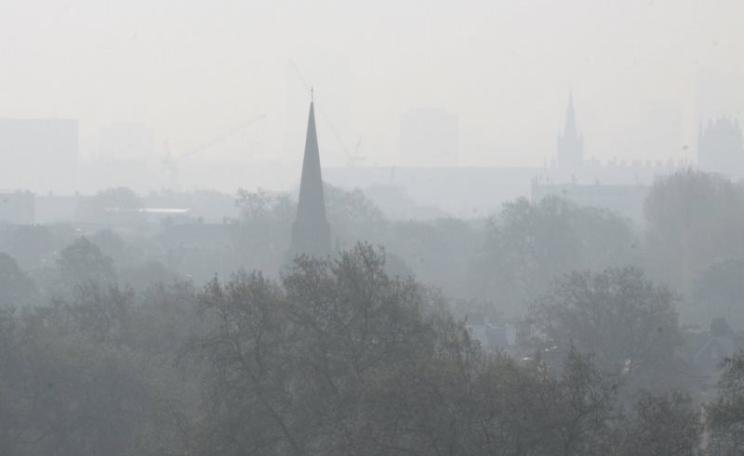
The facts are simple: a new London runway means more planes, more noise, more pollution and more global warming, write David Howarth & Steven Griggs. The 'Heathrow 2.0' initiative's conflation of 'sustainability' and 'sustainable growth' and its avoidance of climate change reek of Trumpian 'alternative facts'.
The 25 TB-infected hounds of the Kimblewick hunt, all put down, remind us that the lot of hunting dogs is not a happy one, writes Lesley Docksey. Unloved and at constant risk of slaughter, they are prone to a host of diseases, from bovine TB to brucellosis, neospora and botulism, which they can pass on to farm stock, humans and other dogs. They deserve better!
Britain's trade in waste plastic to the Far East is booming. But it's not good news. The exported plastic is meant to be recycled under UK conditions and standards, but often is not, undermining bona fide UK recycling firms who face falling prices, reduced turnover, collapsing profits, and all too often, closure.
Britain's long-suffering nuclear bomb test veterans have once again had justice denied to them, writes Chris Busby, by a shocking piece of judicial chicanery in London's High Court in which the judge whimsically excluded all the scientific evidence that did not suit the Ministry of Defence. But the veterans' fight for justice and scientific truth continues, facing its next test in the Court of Appeal.
UK supermarkets led the world in saying 'no!' to GM foods and ingredients, writes Liz O'Neill. But they faltered on GM feeds for pigs, cattle, poultry and fish, with GM soy and corn dominating the UK's non-organic market. Now campaigners are putting the pressure on supermarkets to make their entire supply chains GMO-free for the sake of animal, human and ecological health.
The UK Government is planning a coal-free energy future by 2025, writes Deniz Kemal. But it has failed to take the first step to make it happen: give clear guidance to local planners to block new coal mines on climate change grounds - like one application going to public inquiry this summer for a huge opencast mine on the Northumberland coast.
The UK government hates to be held accountable in court when it breaks environmental laws like those on air quality. So it has created new rules - coming into force today - that expose environmental litigants to unlimited financial liabilities. Now three leading NGOs have done to the High Court to argue that the rules themselves are in breach the UK's international obligations.
With the world's leading nuclear corporations facing bankruptcy due to ever escalating costs, 'unconstructable' reactor designs and financing risks, there's an easy way to finance the UK's new nuclear power stations, writes David Toke: pin the cost onto taxpayers. As for schools, hospitals, pensions, housing, social care and other public services, who needs 'em?
We know the outcome of Defra's latest 'public consultation' on killing badgers long before the results have even been analysed, writes Lesley Docksey. Environment secretary Andrea Leadsom has already promised farmers to extend the cull 'even further' - although it brings no proven benefits. Welcome to the new world of 'alternative facts' that's driving UK government policy.
The UK's inability to import radio-isotopes for cancer therapy is just the latest outcome of the UK's decision to leave EURATOM to hit the headlines, writes Pete Roche. It may also put a brake on the UK's plans to build new nuclear plants, and import and export nuclear fuel and wastes. The UK's exit from the treaty, as a strongly pro-nuclear state, could also mark an EU-wide anti-nuclear swing.
Donald Trump's scheme to rebuild US infrastructure could be among the world's greatest ever financial heists, writes Pete Dolack. He has chosen the most expensive, anti-democratic way to do the job, through the mass privatization of priceless public assets - sticking users and taxpayers for exorbitant charges for decades to come, while banks and speculators reap the profits.
The mass poisoning of farm animals in Kent in 1963 was traced to a factory where a pesticide developed as a WWII chemical warfare agent was manufactured, writes John Clark. The event, so close to the publication of Rachel Carson's 'Silent Spring', galvanised a growing ecological awareness - all the more so as the government's only wish was to hush the matter up.
A direct action protest by Rising Up! today blocked access to three Heathrow terminals to press their demand for no third runway at the UK's biggest airport. The activists included both climate campaigners and local people fearful of increased pollution, loss of homes and green space and entire villages destroyed.