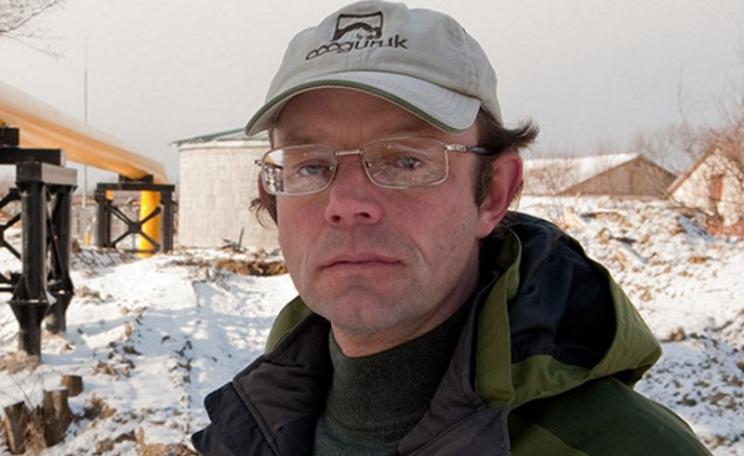
The respected Russian campaign group Sakhalin Environment Watch is being forced to choose between registering as a 'foreign agent' label and closing down, writes Oliver Tickell. Environmental campaigning, it seems, is now a 'political activity'.
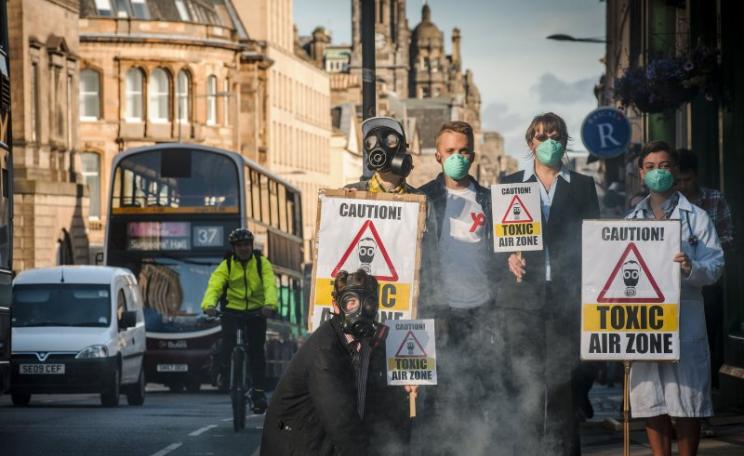
The UK government's response to the Supreme Court's order to clean up air quality in key urban areas has been condemened as vague, weak and slow, lacking in clear targets and compulsory measures. New figures reveal that over 50,000 people a year are being killed by air pollution.
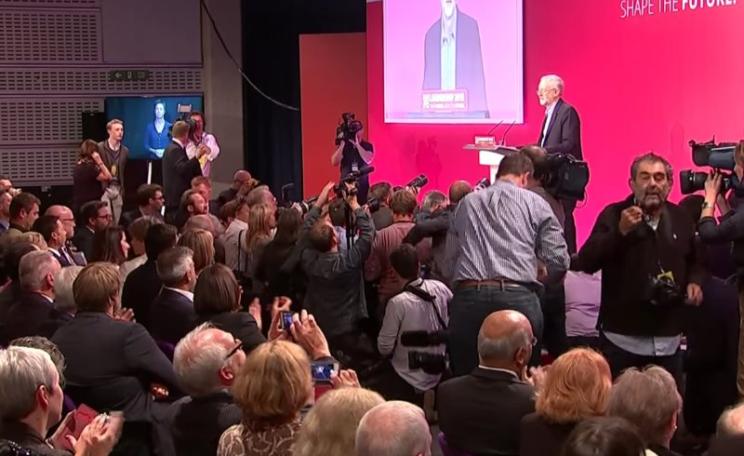
The magnitude of Corbyn's victory today represents an irreversible seismic shift in British politics, writes Oliver Tickell. Finally the Tories face serious, principled opposition that will reveal them as the far-right ideologues they truly are. The reverberations will echo far, wide, long and deep, including to the US where the socialist Bernie Sanders is well on his way to winning the Democratic nomination.
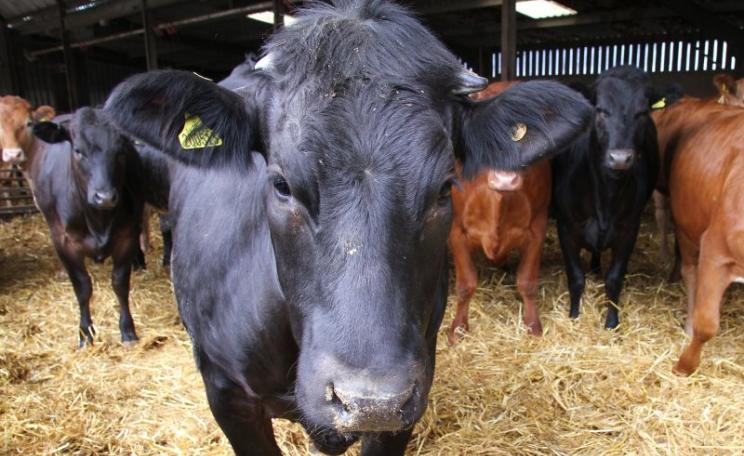
A new study on the spread of bovine TB shows that only with more frequent testing of cattle will the disease be defeated in England, writes Oliver Tickell. It has already worked in Scotland, and is on the way to doing in Wales - where some herds are tested every six months.
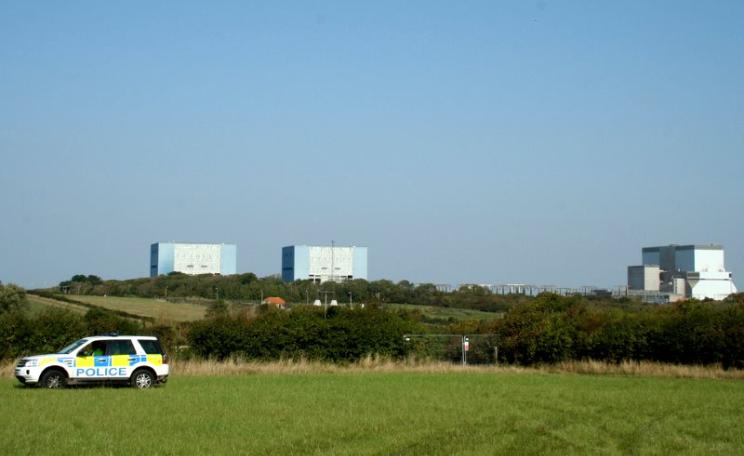
EDF has indefinitely postponed its Hinkley C nuclear plant in Somerset, England, as a new IEA analysis shows that its power will cost UK energy users three times more than it should, writes Oliver Tickell. A similar reactor in France is running six years late and three times over budget - and may never be completed.
The Tories' decision to scrap the UK's renewable energy sector deserves condemnation, writes Oliver Tickell. But there is a silver lining: it creates the space in which to design better, cheaper, more cost effective support mechanisms to drive the clean energy revolution forward.
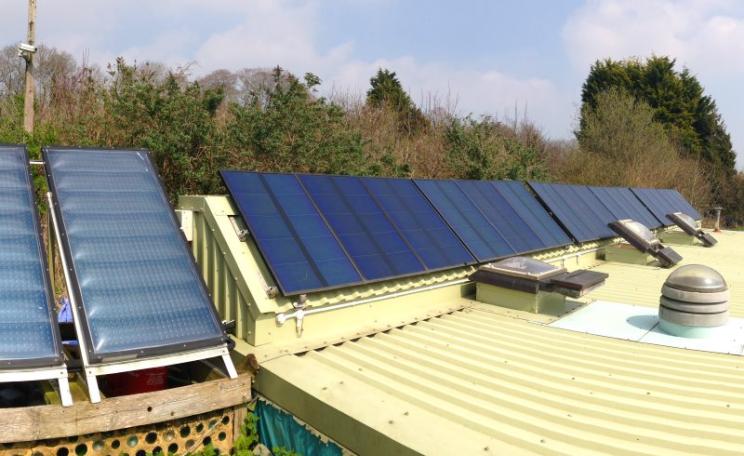
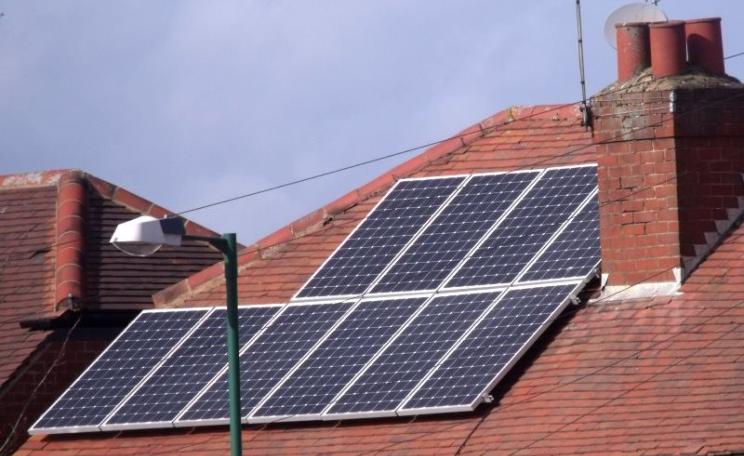
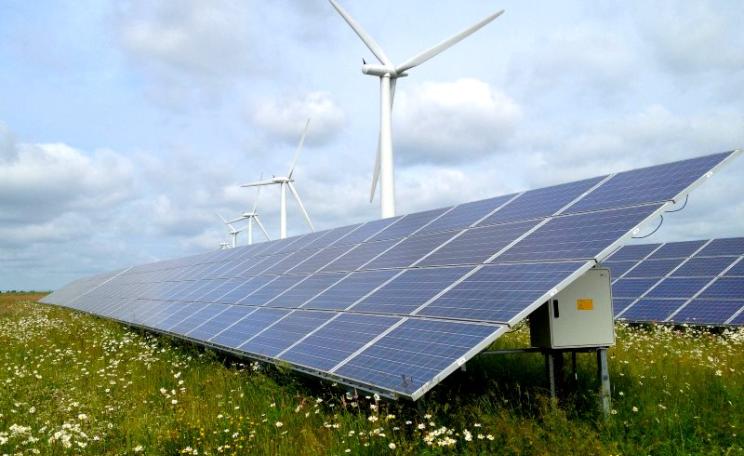
The UK government is to cut support for domestic rooftop solar to 13% of current levels, with similar cuts for bigger systems, and end all support for small scale renewables by 2019. The likely result, and surely the intention, is to kill off the UK's solar industry altogether.
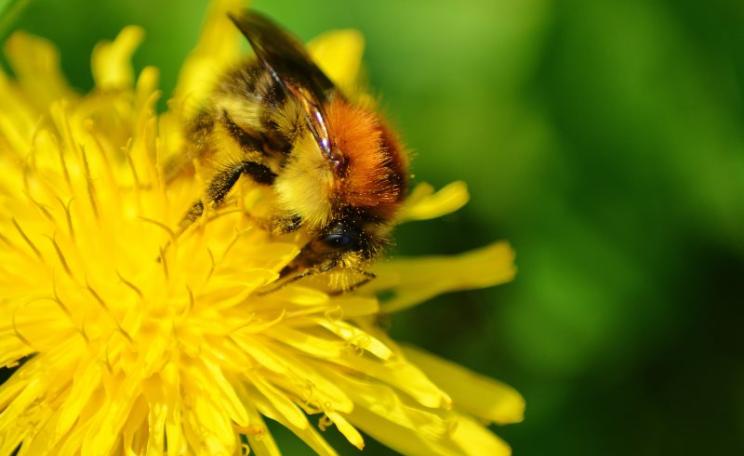
A month after warning the government of legal action over its decision to allow farmers to use bee-killing pesticides banned under EU law, Friends of the Earth has filed a High Court legal challenge to have the 'derogations' declared unlawful.
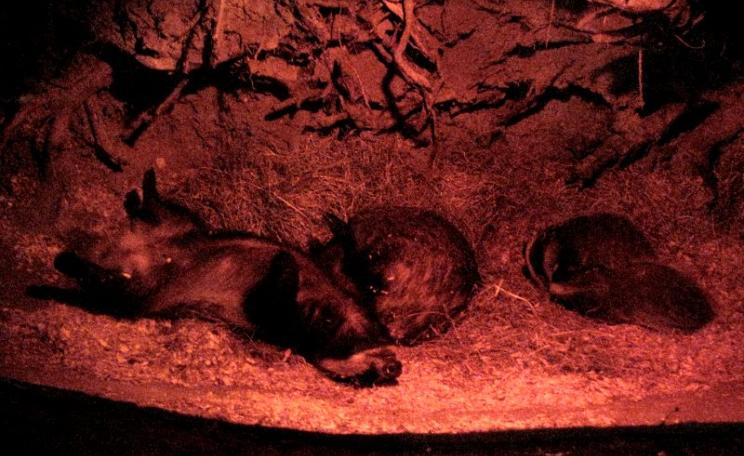
A scientific paper published today says badger persecution may be one of the reasons for the persistence of bovine TB hotspots, writes Oliver Tickell. A further finding is that the main risk factors for bTB are all to do with cattle - not badgers at all.
Canadian mining company Gabriel Resources is seeking over $2.5 billion damages from Romania after it rejected a vast gold mine at Rosia Montana, writes Oliver Tickell. Incredibly, it is taking legal action under a UK-Romania trade agreement.
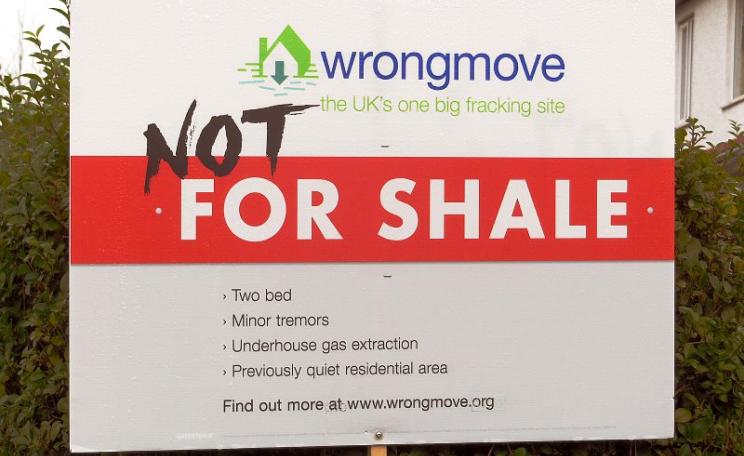
New measures to compel local councils to speed up frackers' planning applications have a clear intention, writes Oliver Tickell - to make it ever harder for planners to refuse permission.
An new design of tidal power turbines will generate power at a third the price of current technologies, write Alex Kirby & Oliver Tickell, even at a lower price than offshore wind - without endangering marine life.
Following high-level criticisms of the Hinkley C nuclear plant from HSBC and the Chancellor's father in law, EDF, the company in line to build the power station, is fighting back hard, writes Oliver Tickell. But it could all be too late to rescue the doomed project.
Friends of the Earth has taken the first legal steps towards striking out last week's emergency approval of bee-harming 'neonic' pesticides in England, granted last week despite a Europe-wide ban.
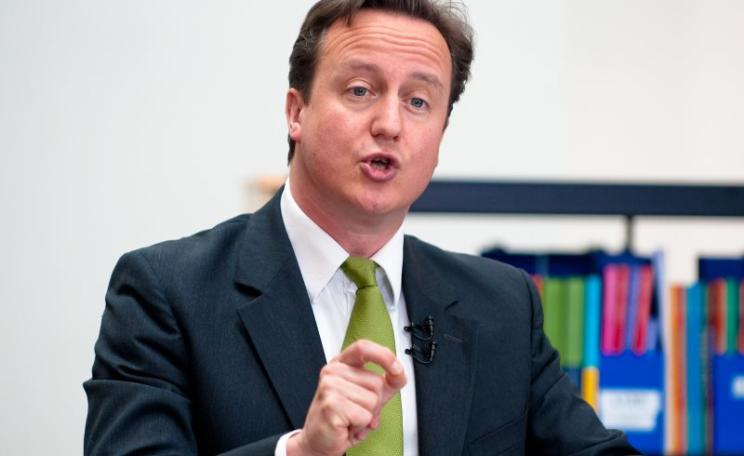
Are you suffering from cognitive dissonance? You should be, writes Oliver Tickell. After the most ferocious attack a UK government has ever mounted on the environment, David Cameron just claimed that his is the 'greenest government ever', as Amber Rudd proclaims her commitment to climate action. What's going on?
An Emergency Ordinance comes into force in Germany today that extends the EU's ban on 'neonic' pesticides to protect bees. But the UK's farming minister Liz Truss has relaxed the ban to allow farmers to use neonics on 30,000 hectares of oilseed rape.
Perplexed by today's sharp cuts in solar power and other attacks on renewable energy in the UK? Don't be, writes Oliver Tickell. Really, it all makes perfect sense. You just have to understand their real purpose: to keep your energy bills high, along with power company profits. And never mind the 'green crap'!
Three in one: EFSA set to re-licence glyphosate based on secret industry studies; Monsanto moves against IARC verdict that glyphosate is a 'probable carcinogen'; and new science shows that FDA principle of GMO 'substantial equivalence' is bunk.
Supporters of Greece's fight for sovereignty are unanimous in blaming the evil troika for its humiliating defeat, writes Oliver Tickell. But the real fault is with Syriza for their needless, shameful surrender. Now, as the real battle begins, we must hold firm with the Greek people against neoliberal occupation.
The UK government kicked away one of the main financial supports for renewable energy in yesterday's budget. The surprise move will cost the sector £3.9 billion over the next five years and undermines any prospect of the country meeting its EU renewable energy targets.
Greece's economic woes will never be solved by merely moving money around the banking system, writes Oliver Tickell. The lasting solution is to restore native forests to her barren hills and mountains, invest in large-scale solar power to energise Europe, and create an examplar of sustainable development for our global future.
Austria today filed its legal challenge to the UK's €108 billion support package for the Hinkley Point C nuclear plant, writes Oliver Tickell. A second such challenge at the European Court is due from green energy suppliers in Germany and Austria who fear unfair competition from subsidised nuclear power in Poland, Czech and Hungary if the Hinkley C precedent stands.
UN climate talks in Bonn ended today without the progress needed to secure agreement at the Paris COP in December - shortly after the G7 issued aspirational climate promises devoid of action, and heedless of warnings that Germany is already suffering the impacts of climate change.
An ambitious plan to make a wholly renewable energy system cheaper than fossil fuels within a decade has been launched today and is set to receive its first hearing at the G7 Summit in Germany next week.