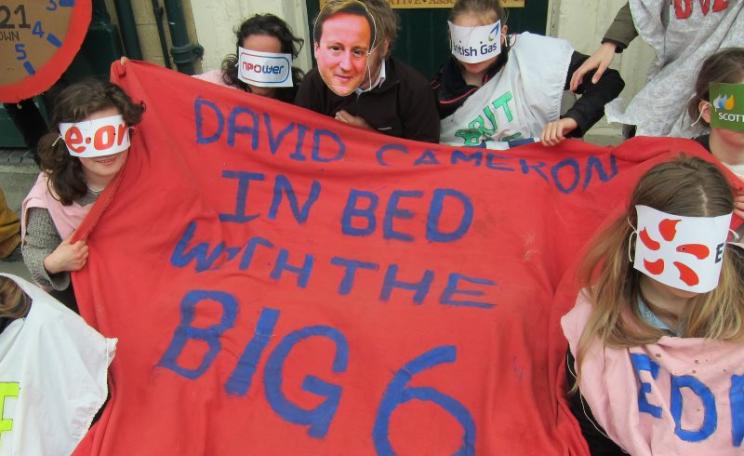
The fossil fuel industry and its political backers have been left reeling by an unprecedented series of direct action strikes against targets across the country to protest at continuing investment in and official support for fossil fuels, inaction over fuel poverty and the systematic neglect of renewable energy despite the global climate emergency.
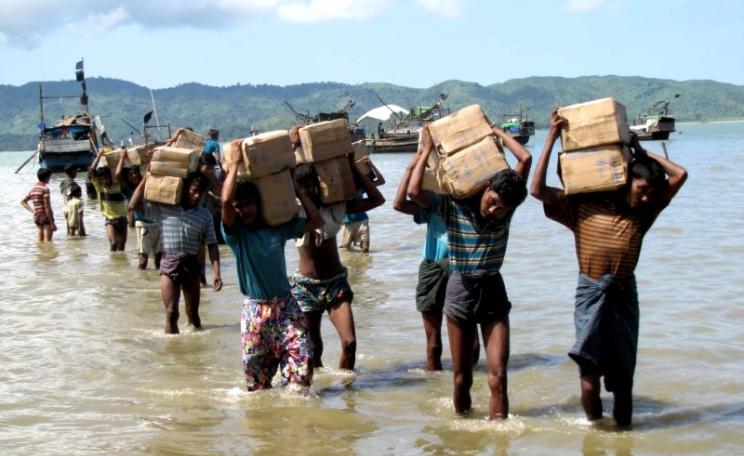
Decades violent expulsions, race laws and denial of citizenship lie at the root of the 'boat people' crisis in Thailand and Malaysia, writes Oliver Tickell. Attacks on the Rohingya minority have escalated since a new policy was announced in 2014 to permanently deny their rights.
This week Finland cancelled its option for a second European Pressurised Reactor as the existing EPR project sinks into a abyss of cost over-runs, delays and litigation, writes Jim Green. It now looks like the EPR is a failed technology and its owner, French nuclear giant Areva, is fast running out of both money and orders as its 'hot prospects' evaporate.
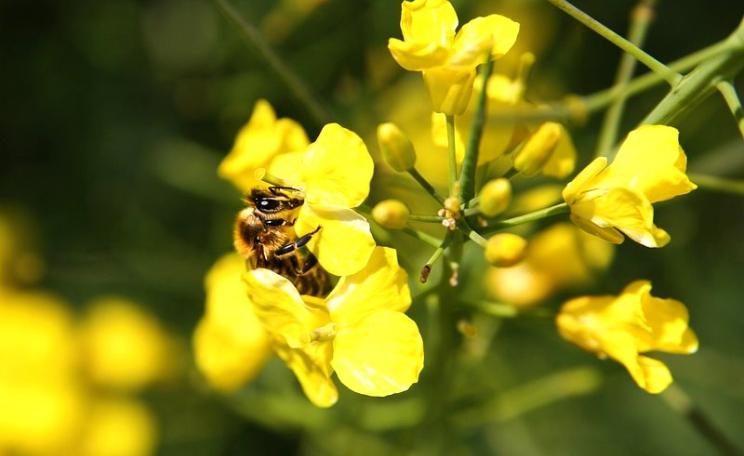
A damning expert critique of the National Farmers Union's application to use banned bee-toxic neonicotinoid pesticide seed treatment on a third of England's oilseed rape crop this autumn has forced the UK government to refuse the NFU's demand.
As Cameron appoints his cabinet, we had better get prepared for the 'green crap' that's about to be unleashed on us, writes Oliver Tickell - the return of fox-hunting, badger-culling, road building and nuclear power, the arrival of GM food and crops, more cuts to wind and solar power and the underfunding of home insulation.
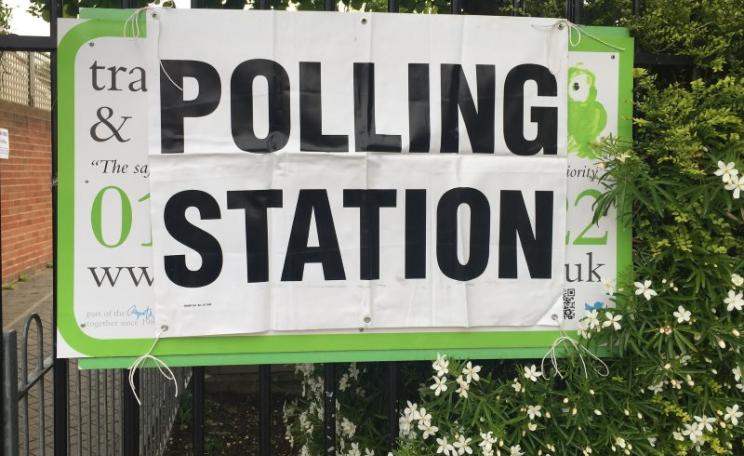
The UK's decisive Conservative victory is the result of a grossly unfair electoral system.The 'winners' were backed by under 25% of the electorate, the losing Labour vote went up by twice as much as the Tories' - and some MPs represent as few as 23,000 voters, others over 3 million. We must now demand real democratic reform.
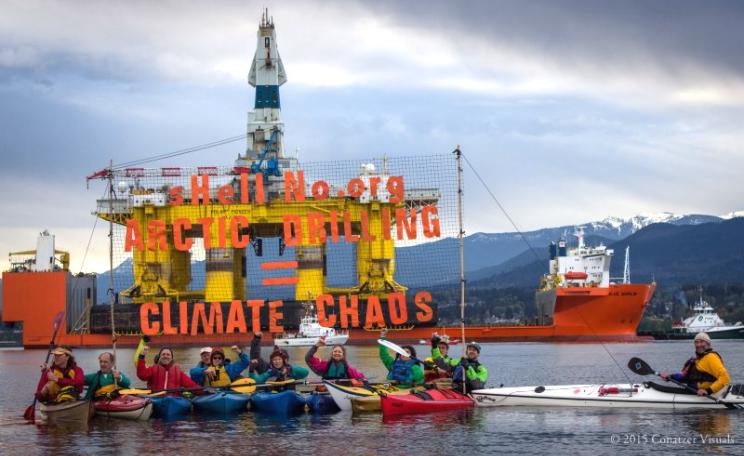
The Port of Seattle is violating its shoreline permit in allowing Shell to set up a 'home port' for its Arctic oil drilling fleet, according to Seattle officials. The finding could nix Shell's oil drilling plans for the 2015 season.
Tesla Energy's new mains power battery has just transformed the energy market - giving a huge boost to small scale renewable energy and killing off both fossil fuelled and nuclear power in the process.
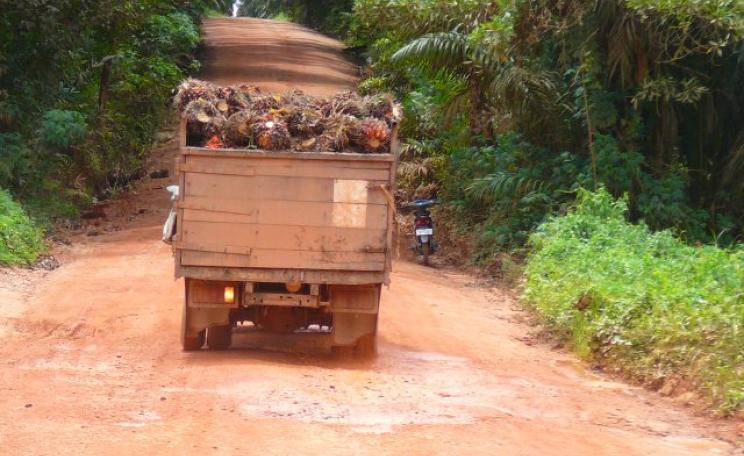
Banks preparing to launch a $400m bond issue for a global palm oil giant with a history of legal violations and broken standards have been warned of their 'high risk client' and the 'extreme and outstanding' social and environmental conflicts in the palm oil agribusiness sector.
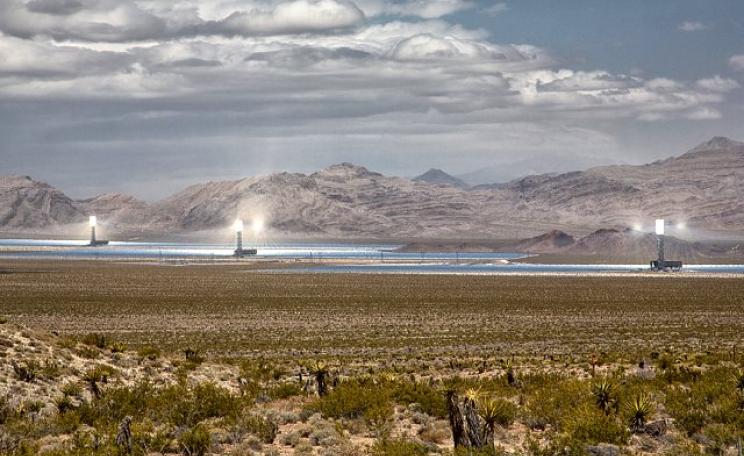
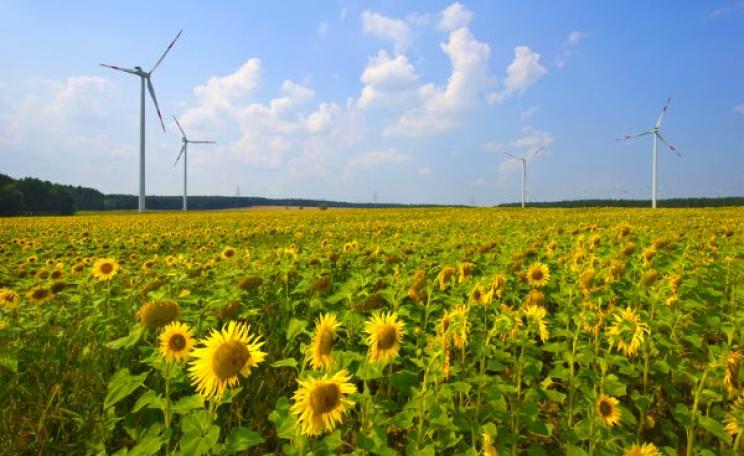
The world's smart money is piling into renewable energy, solar power in particular, write Tim Radford & Oliver Tickell, as renewables pull away from fossil fuels in terms of both investment and new generation capacity added each year.
A serious flaw in the steel reactor vessel of a nuclear plant under construction in France raises safety fears for the EPR design, write Paul Brown & Oliver Tickell - and casts a dark shadow over the UK's troubled Hinkley C nuclear project.
The eruption of nuclear weapons into today's election campaign should ignite a real debate over the UK's Trident missile system, writes Oliver Tickell. The notion that the UK is more secure with nuclear weapons than without is a dangerous illusion. The truth is the reverse - they are far more likely to make the UK a nuclear target, than to protect it.
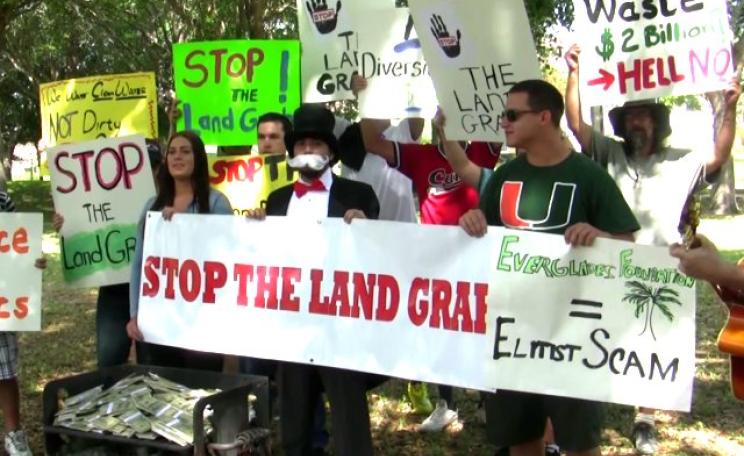
The Tea Party of Miami put up a convincing demo last week to oppose a 'land grab' that would see 46,000 acres of sugar farm land restored for Everglades conservation. Just one problem - the 'protestors' were actors each being paid $75 for the two-hour shift.
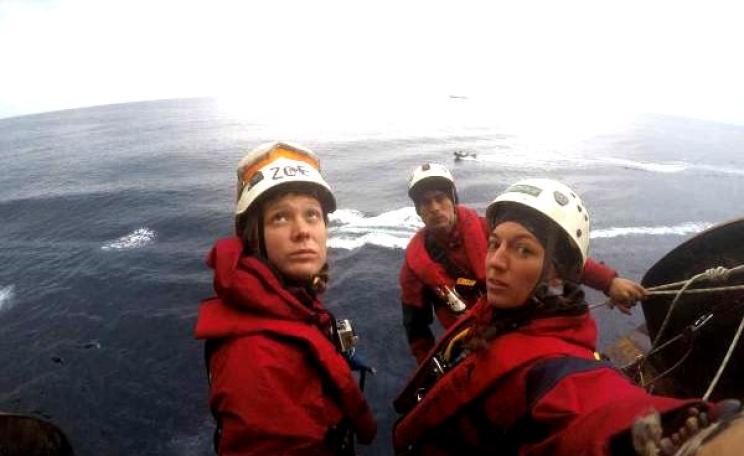
Days after Shell received US Government backing for its plans to drill in the Chukchi Sea in the Alaskan Arctic, volunteers from Greenpeace have occupied its 'Polar Pioneer' oil rig in the Pacific Ocean to demand a halt to all Arctic oil exploration.
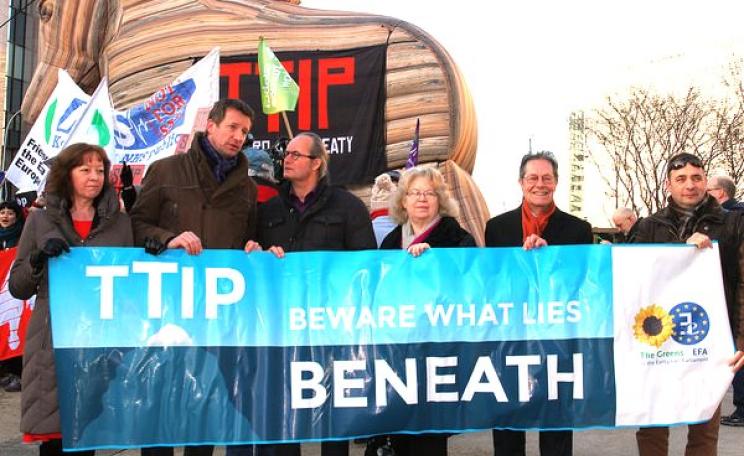
British MPs have rebuked the government for its secretive and apathetic response to public concerns over the TTIP EU-US trade deal, demanding that nations' 'right to regulate' for health, environment and the wider public interest must stand at the heart of any future agreement.
An elite group of aid donors and agribusiness corporations met in London this week to plan the takeover of Africa's seeds, writes Ian Fitzpatrick, replacing traditional seed breeding and saving by small farmers with a corporate model of privatized, 'improved', patented, genetically uniform and hybrid seeds in a profit-driven market.
At the 'United for Wildlife' conference in Botswana, backed by princes Charles and William, Indigenous organizations from around the world are calling on world leaders to recognize tribal peoples' right to hunt for subsistence.
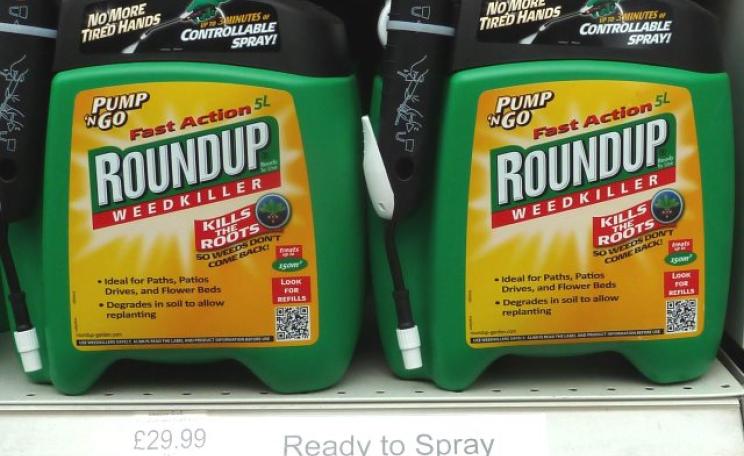
The International Agency for Research on Cancer has labelled the world's biggest herbicide, glyphosate, as 'probably carcinogenic'. Another four widely used organophosphate insecticides may also pose a cancer risk.
The latest salvo in the battle over Africa's seed systems has been fired, writes Stephen Greenberg, with the Gates Foundation and USAID playing puppet-masters to Africa's governments - now meeting in Addis Ababa - as they drive forward corporation-friendly seed regulations that exclude and marginalize the small farmers whose seeds and labour feed the continent.
On Monday the World Bank's Conference on Land and Poverty begins in the US. But farmer organizations, indigenous groups, trade unions and others denounce the whole exercise as a sham that, in tandem with other Bank initiatives, is all about accelerating corporate land grabs and robbing the poor that the Bank was founded to assist.
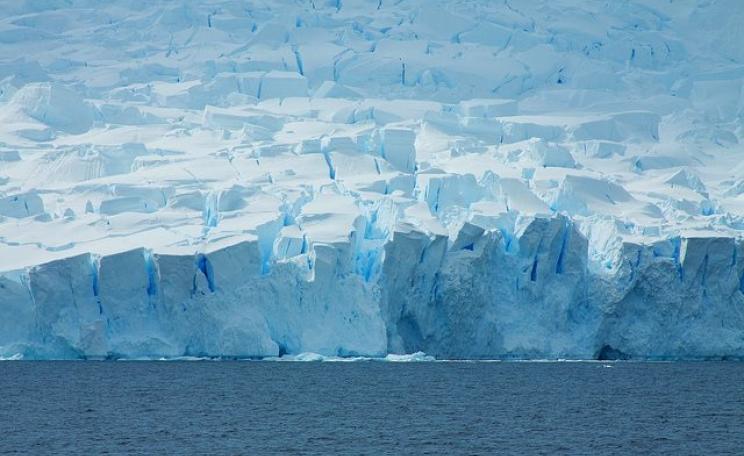
Rising temperatures will result in more snow falling in Antarctica, and the build-up of ice will reduce sea level rise from other sources. But as the extra weight of ice makes Antarctica's glaciers flow faster, the continent will still be a net contributor to sea level rise.
The Kwegu people of Ethiopia's Lower Omo Valley are facing starvation because of the loss of their land to a huge sugar plantation, the destruction of their forest and the damming of the Omo river - supported by a UK, EU and World Bank funded 'aid' program.
Chemical giant Bayer has failed in its attempt to sue Friends of the Earth Germany over its claims that its pesticide Thiacloprid harms bees. Now pressure is growing on the EU to add the neonicotinoid to the three already banned.
The UK's troubled Hinkley C nuclear power station faces a legal challenge from Germany's biggest energy co-op, which claims that the subsidy package will distort energy markets across Europe and disadvantage renewable generators and vendors.