Next month is the time for green activists to get together in the glorious Peak District, coordinate future actions on everything from fracking to road-building and climate change ... and of course, share the love, writes Indra donFrancesco, Yes, it's the Earth First! summer gathering, and there's never been stronger reasons to go.
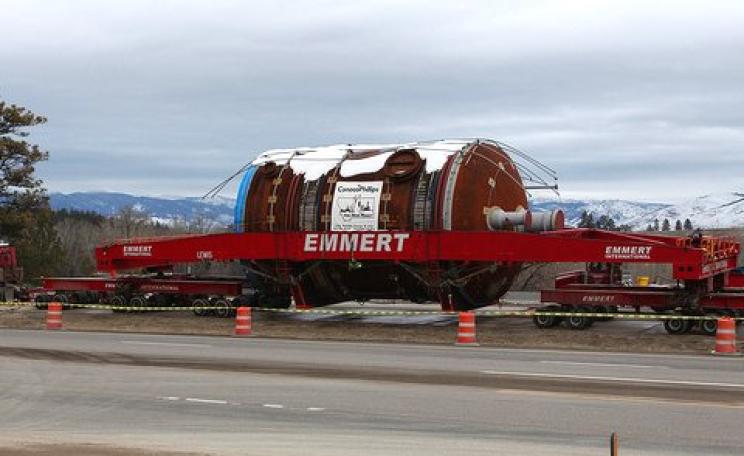
The Midwest's largest ever anti-tar sands demonstration took place in Minnesota last weekend, writes David Goodner, cementing a new alliance of diverse communities united in resisting the pollution and destruction of tar sands exploitation, processing and transportation.
A new tactic of non-violent resistance secured a future for the people of Apaa, Uganda, after a violent government-backed land grab had threatened to turn their village and farmland over to a sports hunting business, writes Phil Wilmot. The unlikely leader was Anek, a respected grandmother of the village, whose naked protest sent both troops and government ministers packing.
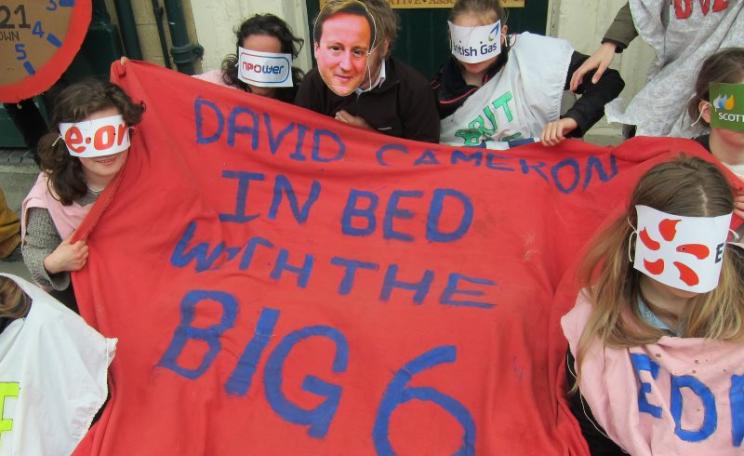
The fossil fuel industry and its political backers have been left reeling by an unprecedented series of direct action strikes against targets across the country to protest at continuing investment in and official support for fossil fuels, inaction over fuel poverty and the systematic neglect of renewable energy despite the global climate emergency.
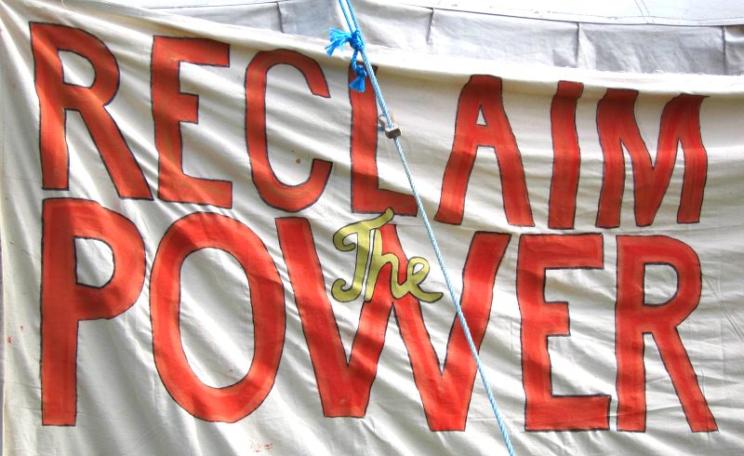
Hundreds of campaigners are gathering at Didcot Power station in Oxfordshire to demand a green energy future - and an end to the Government's relentless push for fossil fuels and nuclear power, writes Diêgo Lôbo. Preparations are under way for a series of actions due to take place tomorrow, Monday 1st June.
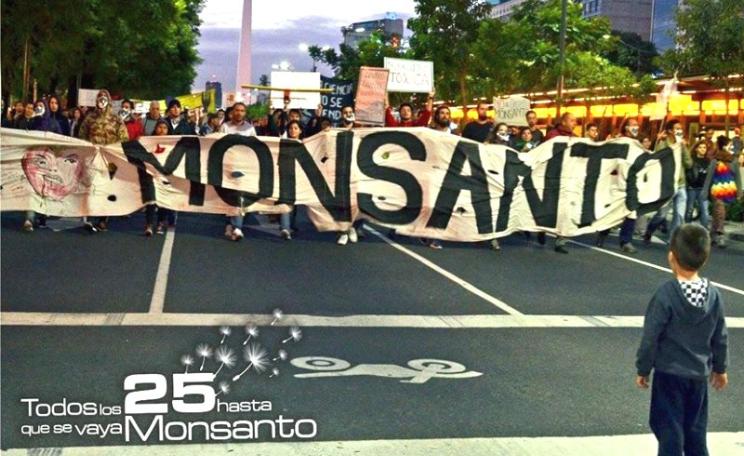
Monsanto has a simple purpose, writes Pete Dolack: to control the world's food supply, monopolizing seeds and agrochemicals to extract profit from every bite of food we eat. Caring nothing for the disease, poverty and destruction that it causes, it has suborned politicians, governments and regulators to its will. But millions are determined to stop it.
Germany's 'Energiewende' has made the country a global renewable energy powerhouse. So why have its carbon emissions gone up? Not because of nuclear closures, writes Melanie Mattauch, but because powerful fossil fuel companies have blocked effective climate action. Now the fight is on as public calls to keep the coal in the ground get too loud to ignore.
The UK's Trident nuclear missile system has the power of 1,500 Hiroshima bombs, writes Angie Zelter - and to use it would be a monstrous and probably suicidal crime against humanity. Should we spend £130 billion renewing it? Or on schools, hospitals, libraries, social care and cycleways? The inspiring ActionAWE campaign is waking people up to the choice we face.
At the heart of Poland's capital, Warsaw, farmers have founded a flourishing encampment known as the 'Green City', writes Julian Rose. It's a focus of protest against the sell-off of their land to agribusiness, the arrival of GMO crops, and the imposition of a failed 'Western' model of farming that's creating huge corporate profits while debasing food and bankrupting small farmers.
The indigenous peoples of the Amazon are employing the tactics of the Occupy movement against oil companies, gold miners and illegal loggers, writes Marc Brightman. Their methods are home-grown: lacking the protection of the state, they have always had to fight their own battles. But recent campaign successes owe much to outside support. We must maintain, and strengthen, our solidarity.
A fusion of drone systems and chemical agents is set to transform the landscape of combat for states and non-state actors alike, writes Paul Rogers. These technologies won't just be used for warfare, but for 'public order' ... suppressing riots, protests and political dissent. Forget water cannon - this is the real deal.
A grassroots movement of eco-activists is achieving unprecedented success in challenging fossil fuel developments in the Cascadia region of the US's Pacific northwest, writes Alexander Reid Ross. And that has attracted the wrong kind of attention - from local police, FBI and right-wing legislators determined to protect the corporate right to exploit and pollute.
Following a 1 million signature Greenpeace petition, LEGO has pledged not to renew a 50-year link with the oil company Shell. The move comes as Shell bids to renew its Arctic drilling in 2015, and following revelations that it is trying to dilute environmental regulation in Arctic waters.
It may all be over for England, but for Brazil, the battle is only just beginning. Anger over the vast cost of the World Cup - well over $10 billion - and its huge social impacts, is spilling over into a wider fury at massive mega-projects than enrich elites, trash the environment, and leave the poor poorer.
An internal police document has confirmed what many have long suspected: the Police Liaison Officers 'facilitating' protests and demonstrations are not just there to make friends - they play a 'pivotal role' in intelligence gathering.