On 21st March 2011 George Monbiot stated: "As a result of the disaster at Fukushima, I am no longer nuclear-neutral. I now support the technology." Jonathon Porritt critiques Monbiot's intellectual gymnastics ...
Prices paid in the UK to solar and wind generators will change to favour offshore wind at the expense of the others. Jim Platt warns that the policy is doomed to failure - offshore wind is just too expensive, and likely to remain so.
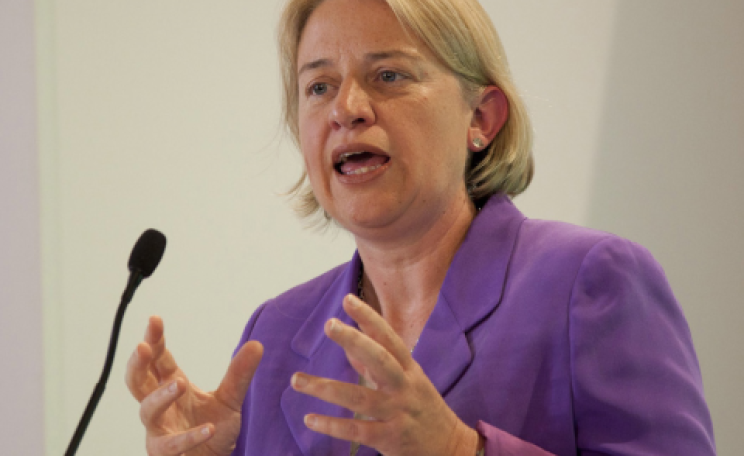
Yesterday Chancellor George Osborne delivered his Autumn Statement to a braying House of Commons. For Green Party Leader Natalie Bennett, his speech was a glorious exposition of stupidity and deliberate ignorance. No wonder his backbenchers loved it ...
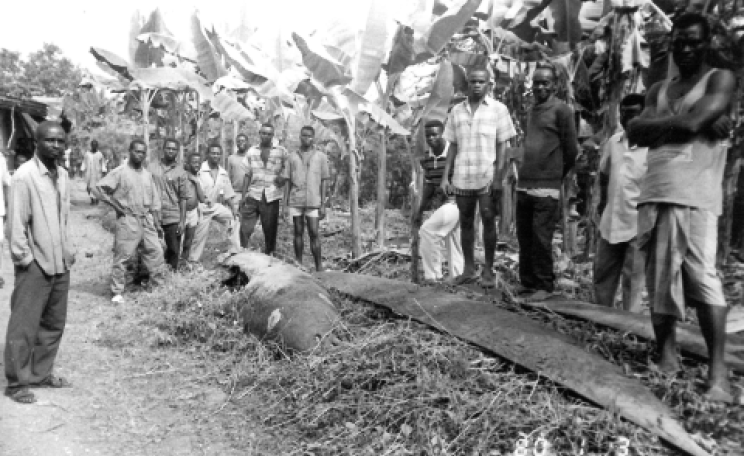
Author Ken Saro-Wiwa spear-headed the resistance of the Ogoni people of the Niger Delta against environmental devastation from oil drilling and ruptured oil pipelines. He was executed in 1995. Dr Laurence Cox introduces his last letters.
Not all of us could raise £2.5m by selling the junk in our attics. But that's what the Chatsworth Estate achieved in 2010 - and now the money is funding a major renewable energy expansion.
After decades of work, A$200 million in taxpayer funding and even more from farmers' pockets, Australia has a good news story to tell about the Great Barrier Reef. But as John Brodie reveals, all that is now at risk from vast dredging operations.
To avoid future electricity shortages the UK needs to reduce peak demand - at 5.15pm on a December evening. The simple answer, proposes Chris Goodall, is to distribute free LED light bulbs to every household in the UK.
A major US wind energy company is fined $1 million in the country's first-ever settlement over bird deaths caused by wind turbines, after 149 protected birds were killed.
An unexpected outcome of the Fukushima nuclear disaster is that the UK's Sellafield nuclear site - already the world's biggest plutonium repository - is set to store even more of the radioactive, fissionable metal.
The battle against coal mining by Mountain Top Removal has been fought by the people of Appalachia over generations. The campaigners' target is now Swiss bank UBS, the main financier of the destruction.
The unspoilt pastoral landscape of Transylvania is the latest battlefield in the war against aggressive fossil energy extraction. Jim Wickens reports on the farming communities fighting back against multinational energy companies.
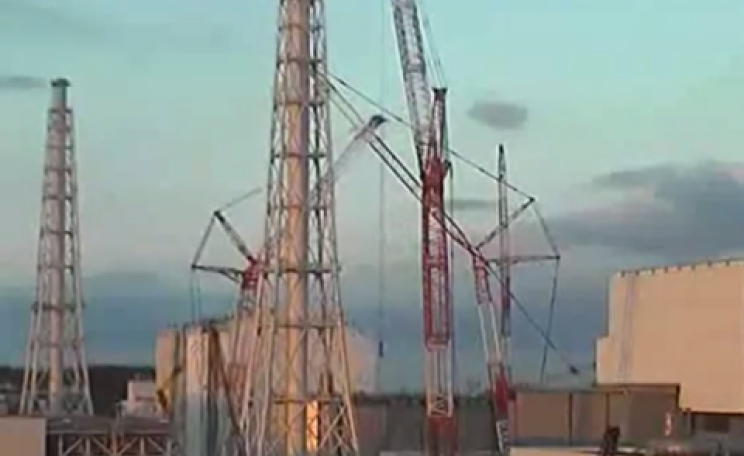
Tom Burke expresses his disgust at those who downplay the enormity of the Fukushima nuclear catastrophe, and asks: is the world willing to tolerate repeat nuclear disasters? If not the answer is simple - an end to nuclear power.
Ofgem chief Andrew Wright was grilled in the UK Parliament today by MPs whose constituents are furious with soaring energy bills and ballooning energy company profits. Andrew Stevenson was there ...
Every COP has been subject to the influence of polluting corporations - but none so completely as COP19 in Warsaw. Now 70 organisations are demanding new rules to protect future climate talks from the influence of the fossil fuel industry.
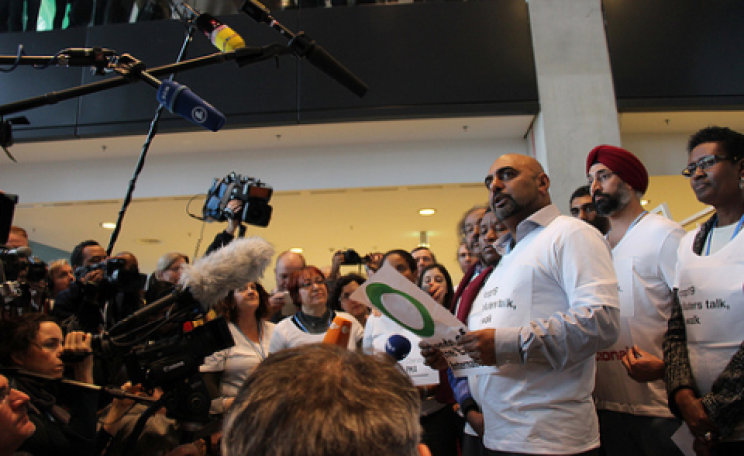
Yesterday, as climate talks degraded into a sideshow for the coal industry, more than 800 conference participants walked out. So where now for the climate movement? Alexander Reid Ross argues for an end to collaboration, and the beginning of a deeper resistance.