A new study by scientists at the University of Michigan in the US suggests that on farms in industrialised countries, organic farming can produce comparable yields to those achieved by conventional farming.
A private member's bill that would see supermarkets and other retailers forced to take responsibility for the packaging on their goods has been debated in the Commons.
Keen to have your little one avoid the over-processed, additive-packed diet of today’s obesity-prone youth? Then give your weaning baby healthy eating habits for life by starting them off with nutritious food easily made at home writes Matilda Lee
Confused when shopping? Wondering if, when you go into the nation’s favourite supermarket, you’re getting the maximum green bang for your buck? Andrew Simms’ latest book, Tescopoly, is a forensic investigation of all things Tesco – including the chain’s green and ethical credentials. Forget the hype, he says, Tesco’s most recent charm offensive, the Good Neighbour policy, launched in May 2006, isn’t good enough. Could Britain’s largest retailer do it better? Take a look at Tesco’s Plan A – then read Plan B
A government committee has suggested that ministers and policy makers look more favourably upon genetically modified (GM) crops if they can be shown to have an environmental benefit.
The link between exposure to chemical pesticides and Parkinson’s disease has become even clearer, following the release of data from two new studies, ENN reports.
Writing in the Guardian, Joanna Blythman has highlighted the environmental damage caused by intensive growing of oil-seed rape - the distinctive yellow-flowering crop which is now a major source of oil for biofuels.
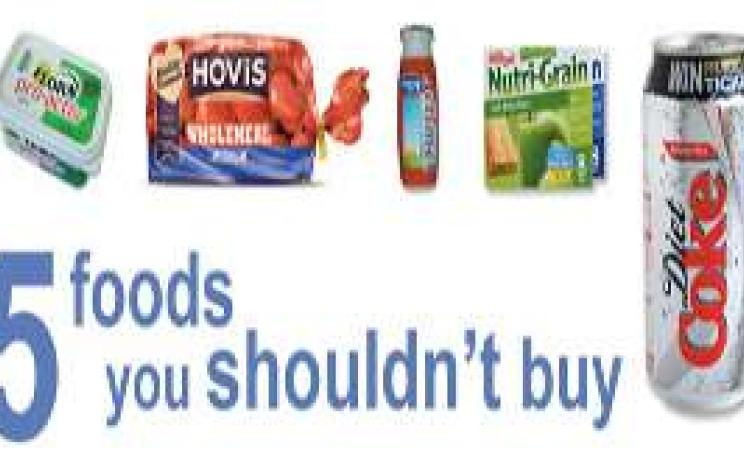
In this special online collection of Pat Thomas' acclaimed 'Behind the Label' series, we bring you five food products that shouldn't be on your kitchen shelves...
Freedom Food was set up in 1994 by the RSPCA as the first farm-assurance scheme to concentrate primarily on animal welfare. The Freedom Food mark found on eggs, dairy, meat, poultry and salmon products means the animals involved have been reared, handled, transported and slaughtered to standards devised and monitored by the RSPCA.
Ethical consumerism in the UK is currently worth £29.3 billion, yet 60 per cent of us feel we don't have enough information to make an ethical decision. There is an ever-growing array of eco labels, but what do they tell us? Or fail to tell us? Pat Thomas explains
The food industry’s attempt to get in on the green labelling act was launched in 2000 to reassure consumers that a range of food products meet independently inspected standards.