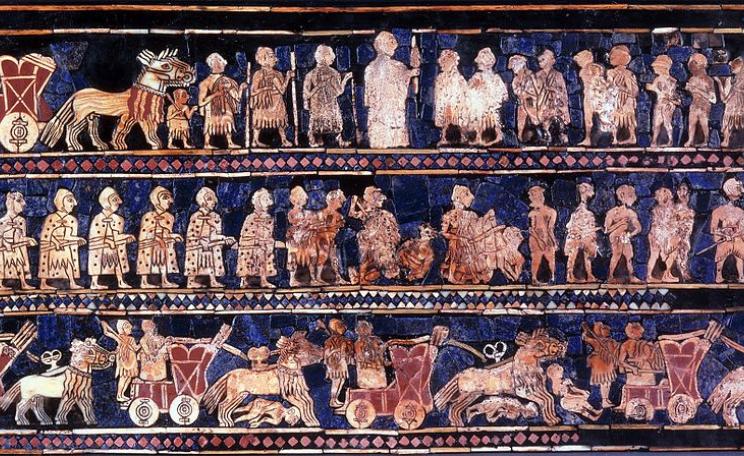
Adam Smith, the author of The Wealth of Nations, is sometimes credited as the first political economist and many of his followers today advocate free market, laissez-faire, policy. Here Dr ROBERT BIEL argues that Smith was also an early systems theorist - but also sets out why Smith's theory and the system he described are a threat to our ecology
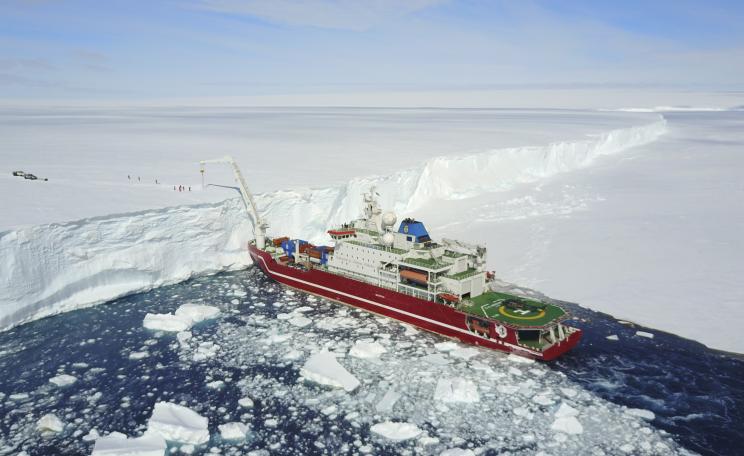
A team of 30 researchers, technicians, and surveyors will board the S.A Agulhas II for an expedition to the Weddell Sea - a potential Marine Protected Area - next year. Dr John Shears, co-leader of the expedition, will be joined by his team at a launch event in London tonight. LAURA BRIGGS reports
Today, 85 percent of the UK opposes hunting. Earlier this year Theresa May, the prime minister, backtracked on giving parliament a vote on overturning the fox hunting ban. Yet illegal hunting is still taking place. The animal welfare group League Against Cruel Sports now says the Hunting Act needs to be strengthened. CATHERINE HARTE reports
Scientists say there is a growing urgency to understand how affected forests may or may not recover as forest fires increase in frequency. A team from the Smithsonian Institute has come up with a mathematical model which they say will help identify the forest areas most at risk. CATHERINE HARTE has the story
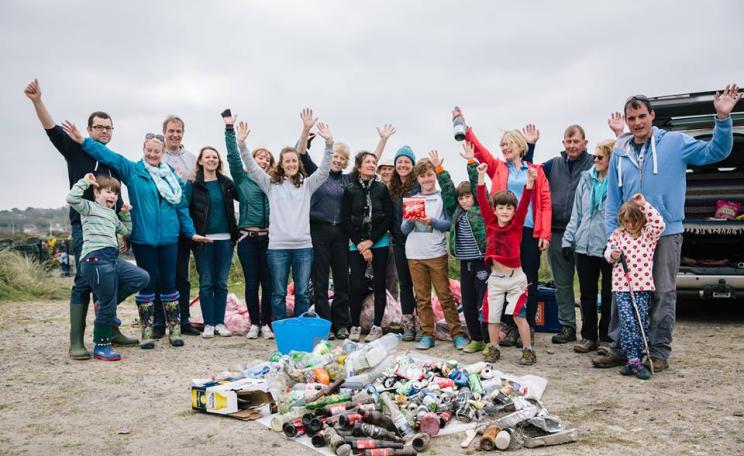
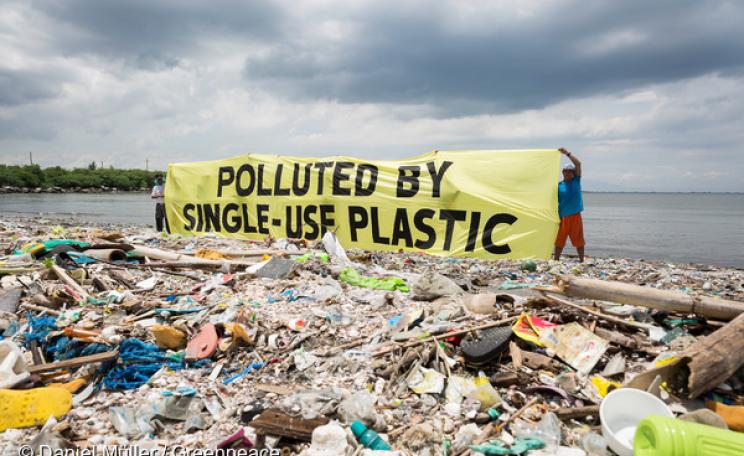
Surfers against Sewage is calling on volunteers to take part in what they say will be one of the biggest ever beach cleans covering over 500 communities - in the wake of a recent government report which projected that ocean plastic is set to treble by 2025. CATHERINE HARTE reports
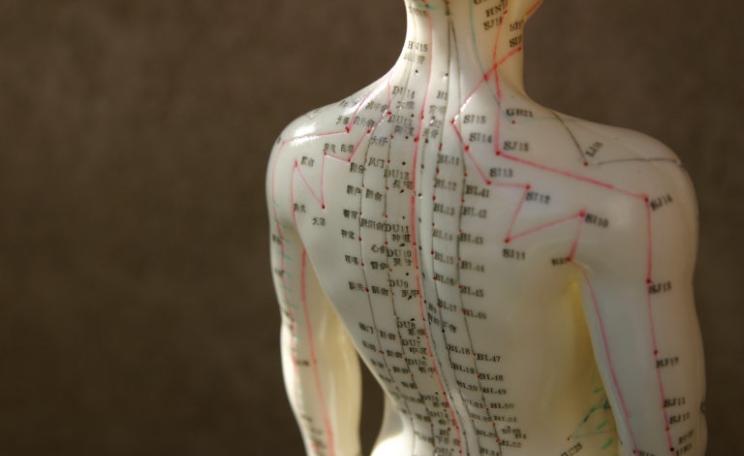
Acupuncture? An ancient Chinese healing practice where a doctor pokes hair-thin needles into odd places they call “points” on a patient’s body? What does acupuncture have to do with climate change? SPRING CHENG argues the practice holds powerful lessons for how we interact with our natural environment
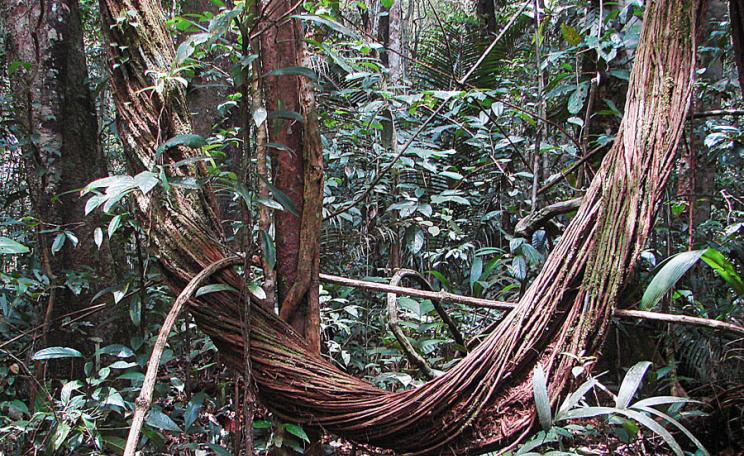
An intense war is being fought between woody vines and native trees in fragmented rainforests, according to new research. The chopping down of rainforest is exacerbating the problem and could lead to significant changes in the ecology and dynamics of these tropical eco-systems, reports CATHERINE HARTE
Krill is one of the most important species in the Antarctic food web but Greenpeace says stocks are being plundered to be used in products such as krill oil and Omega-3 tablets which are sold on the shelves of some of the UK's biggest retailers. CATHERINE HARTE reports
We can start building new tools for a democratic and ecological society once we understand hierarchy as the central problem, argues the SYMBIOSIS RESEARCH COLLECTIVE
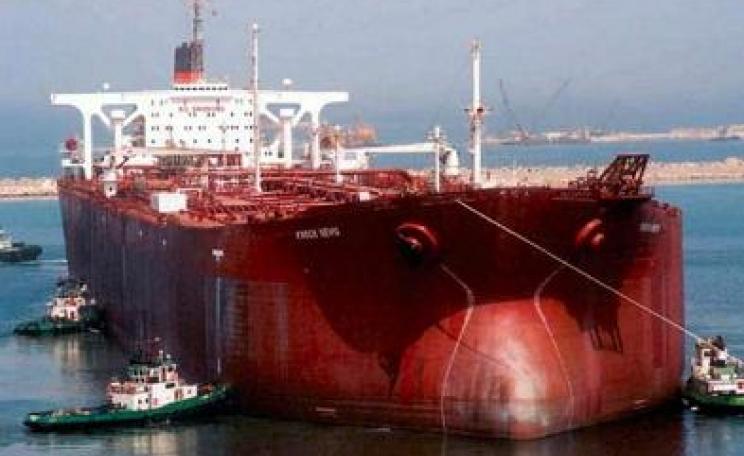
A new report by Transparency International reinforces long-standing concerns that the shipping industry has undue influence over the International Maritime Organisation (IMO), which is meeting in London over the next two weeks to discuss climate change. CLAIRE JAMES reports
The aim of the Resurgence Trust - owner and publisher of The Ecologist - is to change people's worldview so we can live in harmony with each other and with nature. Here NATALIE BENNETT, former Green party leader, explains why this aim is so vital today
Australia recently opened one of its largest marine reserves in the hopes that increased fishing will stimulate the economy. However, human contact with this previously untouched reserve could greatly affect the health of the ecosystem and species in it, argues EMILY FOLK
'Clean eating' may be one of the latest dietary trends - but researchers in the US have discovered that for people who eat out regularly, their food may not only be less than healthy, but could also contain harmful chemicals. CATHERINE HARTE reports
Internal documents unearthed by Jelmer Mommers of De Correspondent show oil company Shell knew about the danger of burning fossil fuels for climate change as early as the 1980s. MAT HOPE from DeSmog.uk has the story
The pursuit of economic growth is causing irreparable ecological damage - threatening to undermine human civilisation itself. But 'green growth' is no panacea for the problems we now face. Abandoning Gross Domestic Product and growth as measures for success is the only way to avoid failure, argues MARTIN KIRK