New analysis of the vast body of research shows 97% of climate scientists agree that human activities are fuelling climate change, writes Tim Radford. But thanks to aggressive attempts to convince us otherwise, only 12% of people in the US are aware of this high level of agreement.
American NGO advocating for young people's future environmental rights has won a first key legal battle in its fight to force the United States to avoid dangerous climate change by cutting its greenhouse gas emissions, writes Sophie Marjanac. If upheld on appeal in higher courts, the ruling has huge implications for us all.
Don't believe the spurious claims of nuclear shills constantly doing down renewables, writes Mark Diesendorf. Clean, safe renewable energy technologies have the potential to supply 100% of the world's electricity needs - but the first hurdle is to refute the deliberately misleading myths designed to promote the politically powerful but ultimately doomed nuclear industry.
Pope Francis's famous encyclical on climate change is part of a broad global shift to environmental awareness among faith communities, writes Tim Gee. Christian churches and congregations are among those joining the fast growing fossil fuel divestment movement, switching to renewable energy, and reaching out to wider society to help protect our home planet, Earth.
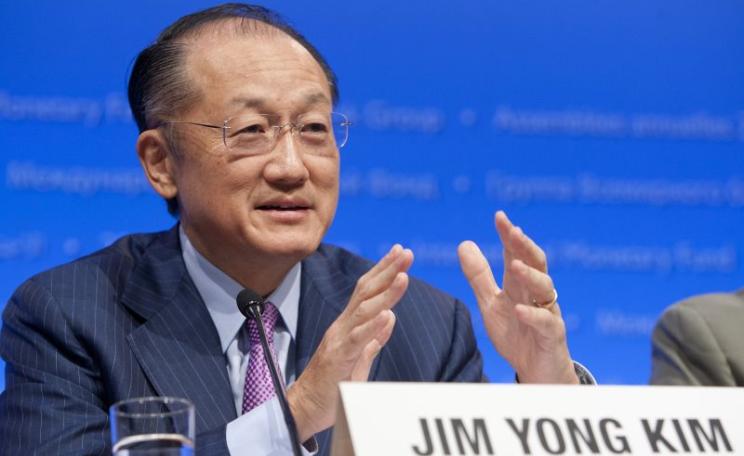
World Bank President Jim Kim talks a good talk on cutting support to fossil fuels. But what the bank does, writes Victoria Seabrook, is a whole other story. Not only is the WB Group still pouring money into the sector, but its funding doubled between 2011 and 2015.
It looked like such a good idea: take the pressure off wild fish stocks by growing GM oilseeds that produce health-enhancing long-chain omega-3 fatty acids, writes Claire Robinson. But as a new study has established, those fish oils, novel in terrestrial ecosystems, cause wing deformities in cabbage white butterflies. Yet a third open field trial of these GM crops could soon be under way.
This week, the International Maritime Organisation could act to curb fast-rising emissions from shipping under the Paris Agreement, write Barry Gardiner & Richard Burden. But there are growing fears that the UK government may seek to delay and obstruct vital progress.
'Natural capital' is an understandable attempt to put a value on our living planet and all the services it provides for us, writes John McMurtry. But it fails by measuring nature in dollars and cents. We need to develop a new concept of 'life capital' that must be preserved from exploitation and degradation no matter what the economic cost, because we, and Earth herself, depend upon it.
Next month thousands will gather in Wales to shut down the UK's open cast coal mine at Ffosyfran, whose 3,500 acres abut both Merthyr Tydfil, one of Britain's most deprived communities, and the glorious Brecon Beacons national park. It will be one of dozens of coordinated actions across the UK, and around the world, to bring the age of coal to the rapid end it so richly deserves.
GMOs have been in our diets for about 20 years, writes Rupert Read. Proof that they are safe? No way - it took much, much longer to discover the dangers of cigarettes and transfats, dangers that are far more visible than those of GMOs. On the scale of nature and ecology, 20 years is a pitifully short time. To sustain our human future, we have to think long term.
The Stop TTIP coalition is warning that under a 'stealth clause' in CETA the trade deal could come into force without a single parliamentary vote - including its ISDS provisions allowing investors to sue governments in secret courts. US corporations would then be able to sue EU nations - even if TTIP fails.
The European Parliament just voted to re-authorise glyphosate, writes Peter Melchett - but with significant restrictions on its use. So what does the vote mean for the world's biggest selling herbicide? And how come the UK's National Farmers' Union welcomed the decision as an unqualified victory?
Gorgeous coral fish are to be seen everywhere, writes Monica Biondo, decorating aquariums in restaurants, doctors' offices and living rooms. The coral fish trade is booming! But it's destroying the reefs themselves, and driving many species to extinction. The Banggai Cardinalfish is among those unlikely to survive as this evil trade lays waste to them and their precious habitat.
Environmentalists are near unanimous in believing the UK should remain in the EU, writes Harry Blain. Yet that puts us in the same camp as many of our fiercest enemies - neoliberal governments and corporate lobbyists for fossil fuels, cars and other polluting industries. Meanwhile the EU itself is increasingly undermining its own environmental protections as it pursues 'free trade' agreements around the world. Time for a rethink? You bet!
BP's plans to explore for oil in the deep seas of the Great Australian Bight came under fire today at the company's Annual General Meeting in London, writes Graham Readfearn. The drilling would risk the ocean's rich marine wildlife - while blowing a massive hole in Australia's COP21 emissions targets.