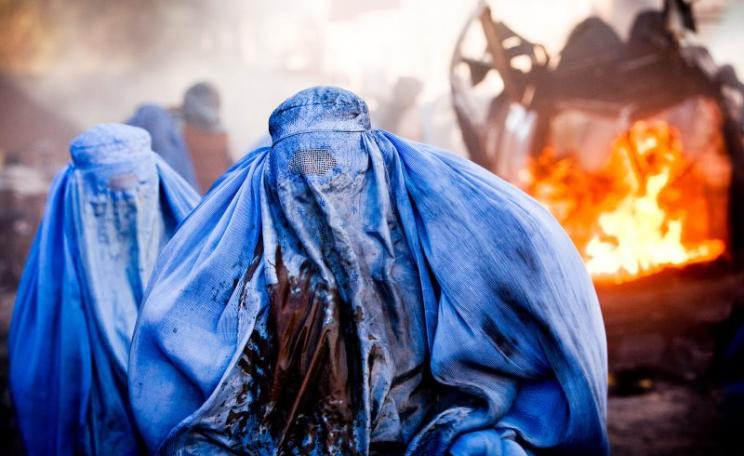
The random, murderous violence we just saw inflicted on the people of Brussels is absolutely, categorically unacceptable, writes Chris Floyd. So too is the far greater violence routinely inflicted by rich, powerful countries against their innocent victims around the world, and especially in the oil-rich Middle East. To move away from a world of terror, we must make our outrage, and our compassion, inclusive.
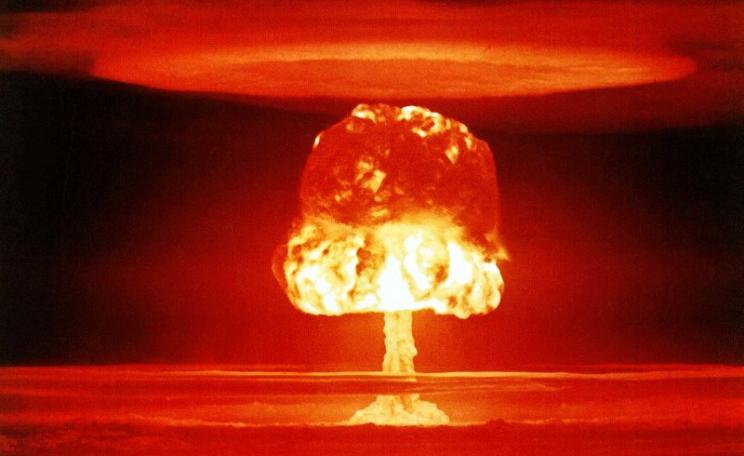
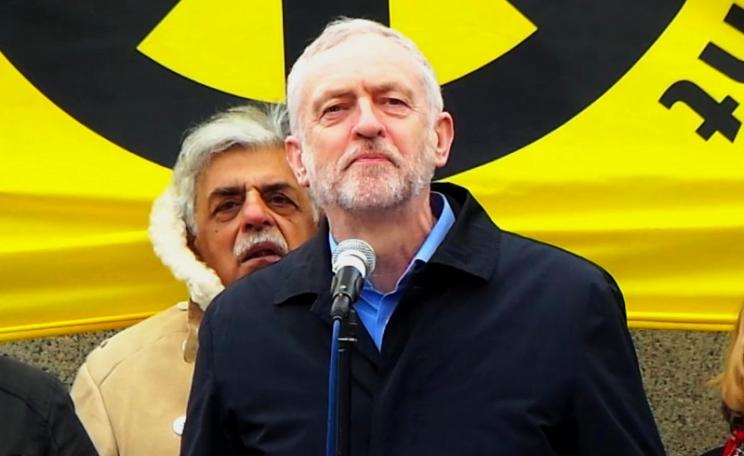
The world is in the grip of a massive wave of militarism of which most of us are blissfully ignorant, writes John Pilger. When did mainstream media last tell you about the US's $1 trillion nuclear weapon renewal? NATO's massive build up of military power on Russia's eastern frontier? The encirclement of China by nuclear-armed US bases? The world is at war. Pass it on!
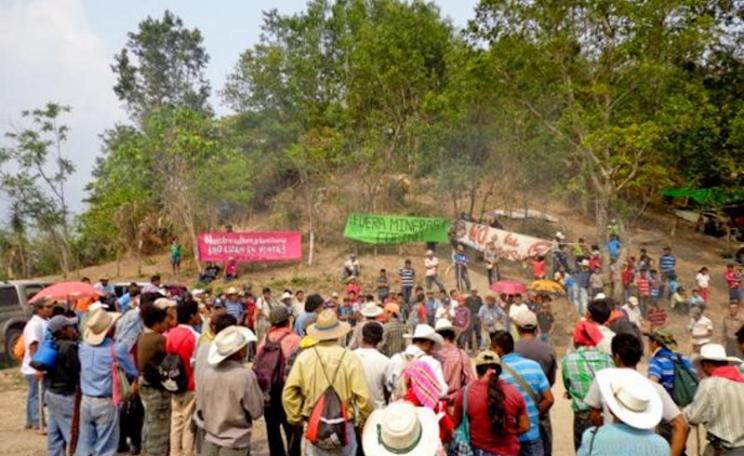
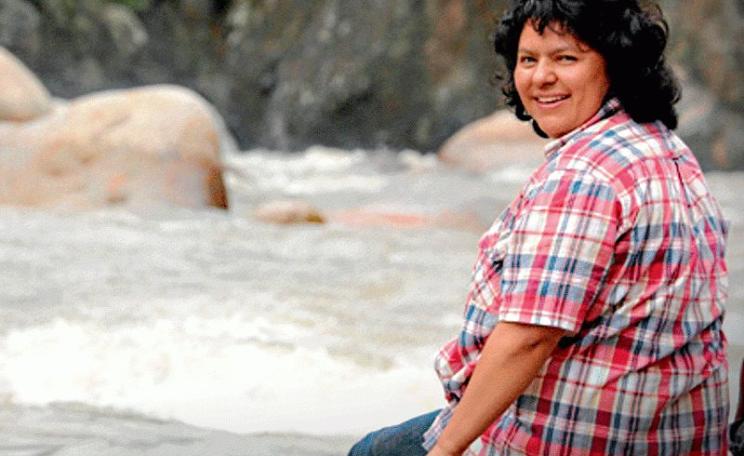
The Government of Honduras is intent on framing the only witness to the murder of Berta Cáceres as the one guilty of the crime, writes Beverly Bell. Gustavo Castro Soto, an eco-defender from Mexico, is now in effective detention in his country's embassy in Tegucigalpa in fear of his life, having himself been injured in the attack and seen the real assassin. The US Government must break its resounding silence.
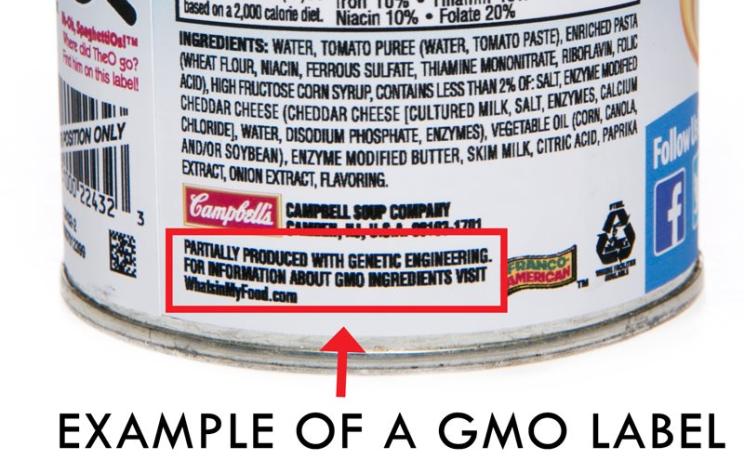
The small state of Vermont is changing the face of US food as companies hasten to comply with its GMO labeling rule which comes into effect in July 2016. Mars and General Mills - and now Kelloggs and ConAgra - are the latest companies to announce their labels will comply with Vermont law US-wide - and many more are sure to follow.
After a succession of the hottest years and months ever recorded, climate is a hot topic, writes Liz Hutchins. But BBC1's 'Big Questions' climate change debate last Sunday completely missed the point. Instead of debating the only real question - how should we respond? - the BBC ran yet another repeat of the so-over 'believers versus deniers' ding-dong. Why do they still not get it?
Since the Obama-Clinton coup in Honduras the murder of eco-defenders and other activists has become a routine instrument of government, writes Dan Beeton. We must demand an end to the killings, the restoration of political freedom, and a halt to the tide of corporate megaprojects - beginning with the Agua Zarca dam.
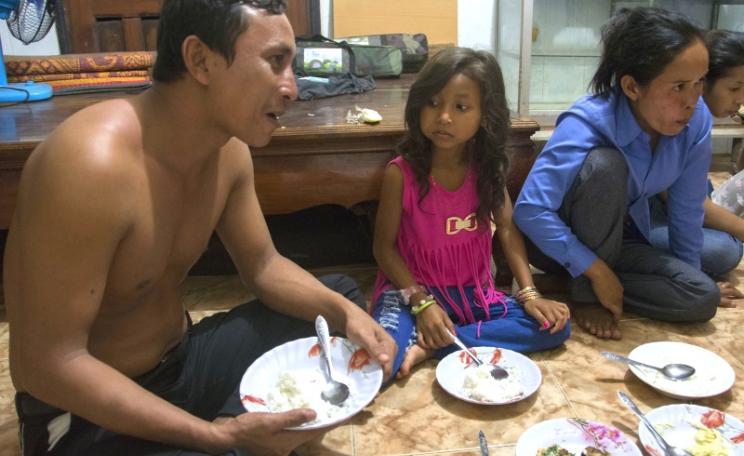
After five months of wrongful imprisonment, an environmental activist has finally been set free and reunited with his family, writes Rod Harbinson. His case highlights the way Cambodia's Government subjects eco-defenders to harsh, unjust and arbitrary detention, while illegal logging barons and large-scale timber smugglers lead charmed lives, always above the law.
Backed up the Information Commissioner, DECC refuses to release the documents it sent to the European Commission to support its massive subsidy package for the Hinkley C nuclear plant, writes Terry McAlister. But now the case will go before a tribunal which could order their release.
Given the long list of technical and financial problems afflicting the Hinkley C power plant, writes David Thorpe, the Labour Party's continuing support for the over-priced, highly subsidised project is increasingly paradoxical. Labour must take a fresh look at HPC and the renewable alternatives that can do better at far lower cost.
Two heavily armed, UK registered ships are currently engaged in the transport of UK sourced plutonium across the Pacific, writes Tim Deere-Jones. Details of their safety inspection records, survey status, voyage routes and location have been suppressed in the interests of security but the lack of transparency breaches a number of international safety standards.
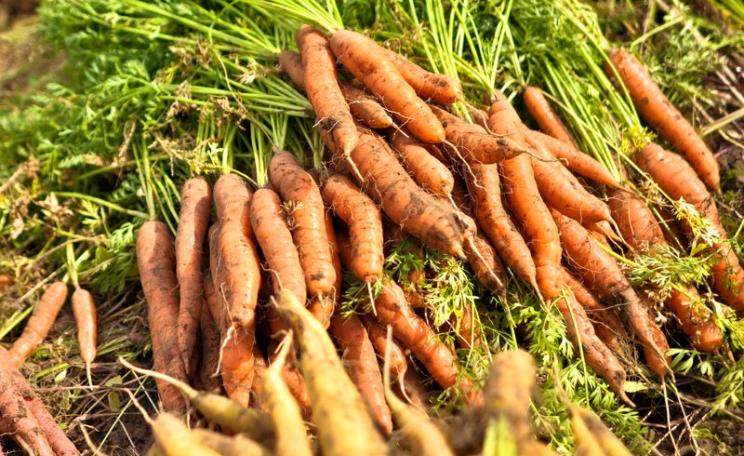
GMO enthusiasts insist that organic, agroecological farming could never feed the world, writes Colin Todhunter. But it has been feeding us all for millennia - and it's the only way to continue while enriching the soils and biodiversity on which all farming depends. As Mahatma Gandhi once observed, industrial agriculture is but a nine-day wonder. And its time will soon be up.
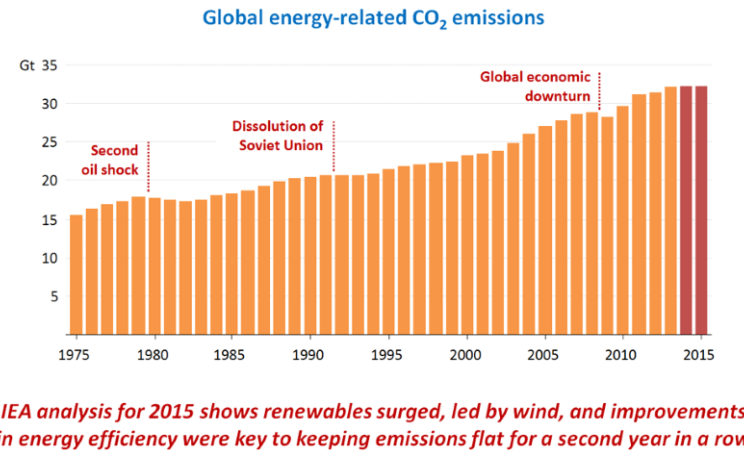
For the second year running CO2 emissions flatlined even as the global economy was growing at around 3%, writes Alex Kirby. But sharply rising temperatures show the need for further massive renewable energy deployment to actually bring emissions down.
Our insatiable appetite for expensive coffee is causing a global trail of waste and destruction, writes Donnachadh McCarthy. Following the successful campaign for a 5p plastic bag levy, it's time to move on to a much larger 25p levy on disposable coffee cups - making those that profit from the waste carry the cost of its disposal.
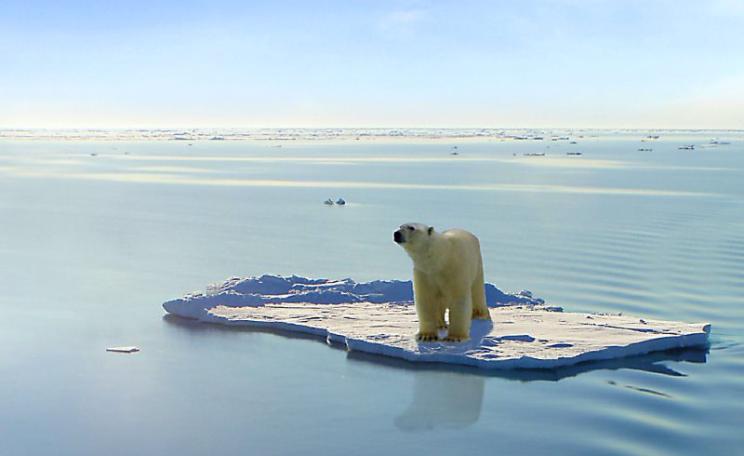
Last month must go down as one of the worst ever in the annals of climate change, writes James Dyke, with parts of the Arctic 16C hotter than usual and the 'safe' warming level of 2C breached across the Northern hemisphere. But even worse is the near-total lack of reaction from business, politicians and media.
It will take decades to completely leave fossil fuels, writes Richard Heinberg. But we can do it, starting with the easy stuff: going big time for wind and solar, raising energy efficiency, replacing oil-fuelled vehicles, and moving to organic farming. But deeper changes will follow as we transition to a more enduring sustainability - consuming better, and much less.