Those who value public lands - for economic, environmental, recreational and aesthetic values - owe a debt of gratitude to Harney County, Oregon, writes Peter Walker. A violent branch of the Sagebrush Rebellion came to town, and the community told it to go away: the decisive factor in the occupiers' defeat. But the greater war for America's public lands has only just begun.
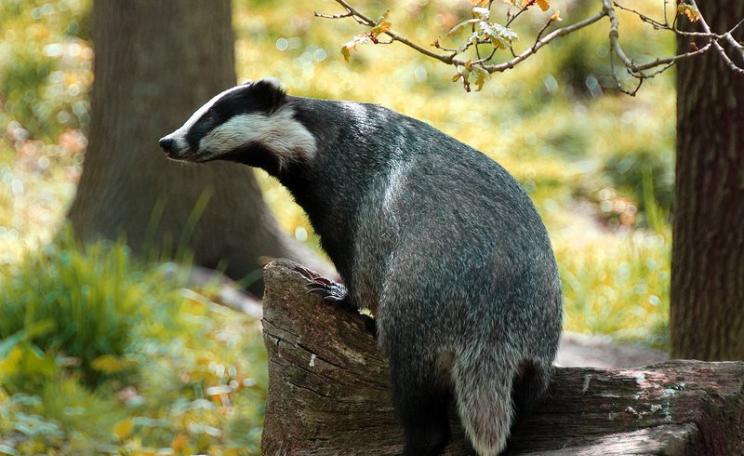
With 29 applications for new badger culls, writes Lesley Docksey, the government still has no idea how many badgers there are in the cull areas, or how many of them have TB. Nor does it want to find out. The badger culling project is getting less scientific by the day - or should that be by the square kilometre?
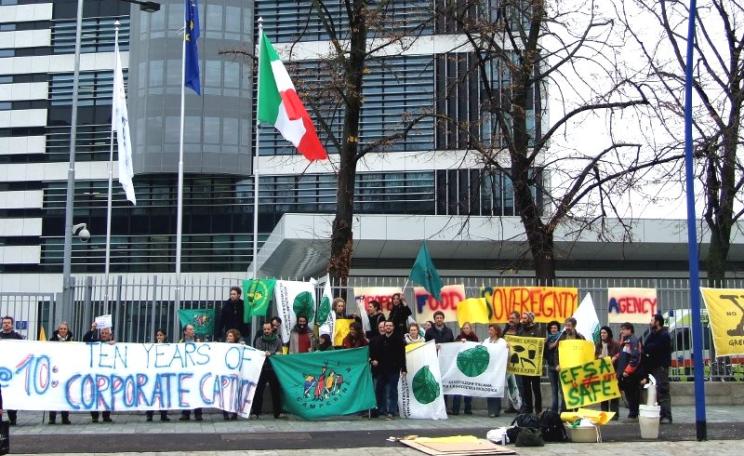
The chemical industry and the European Food Safety Authority are refusing to disclose key scientific evidence about glyphosate's risks, citing 'trade secrets' protection, writes Corporate Europe Observatory. They must be compelled to publish the 'mysterious three' scientific studies EFSA used to assess glyphosate as 'unlikely' to cause cancer to humans - contradicting the IARC's view.
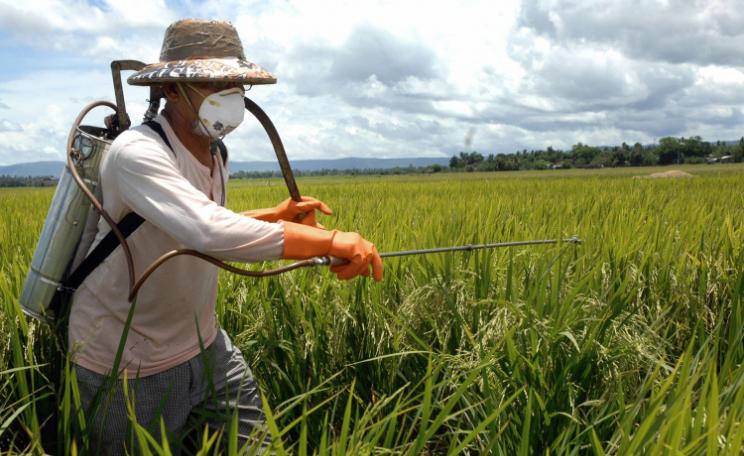
The European Commission was guilty of maladministration and acted unlawfully in approving pesticides for which there was insufficient safety data, the EU Ombudsman has ruled. It must now reform its practices, writes Vanessa Amaral-Rogers, or face legal action.
As the twelfth round of negotiations over the EU-US TTIP mega-trade deal begins in Brussels today, the chances of a treaty being concluded are looking weaker than ever, writes Guy Taylor. Time is running out, complex legal issues are crowding in, and most important of all, public opinion on both sides of the Atlantic is turning against the massive 'bill of corporate rights' that TTIP represents.
Australia's rainforest state, Queensland, is destroying well over 100,000 hectares of native vegetation a year, and rising, write Martine Maron, Bill Laurance & colleagues, including 'at risk' habitats and Koala bear forests. This is more than reversing the entire nation's eco-restoration programs and pushing endangered species ever closer to extinction.
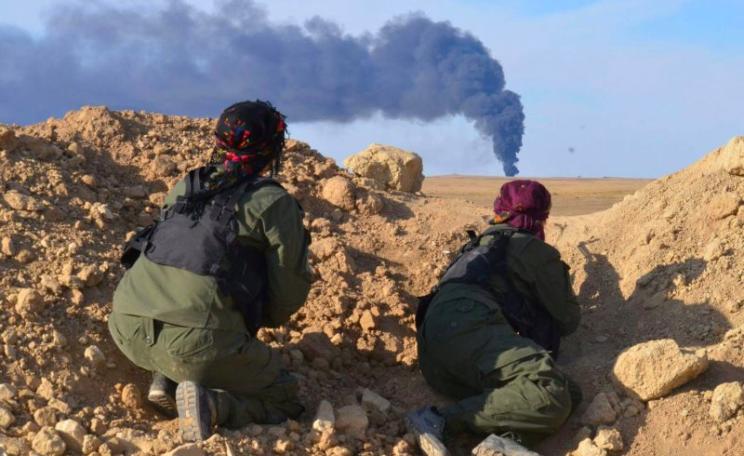
The corporate dominance of 'free' media in western democracies imposes deep structural constraints on what may be reported, and how, writes Jonathan Cook. Syria is now the latest example of skewed reportage - and even journalists seeking to analyse the problem must carefully avoid the real reasons for it.
One of the biggest threats facing marine life is the 'microplastic' particles found in ocean ecosystems from bottom to top of food chains. Just back from a voyage of environmental exploration in the tropical Atlantic sampling the waters to build up a global picture of this ubiquitous pollutant, Ana Stanič writes of the joys and trials of life on the waves, and the need to keep our oceans clean.
Nuclear giant EDF can't afford to write off the £2 billion sunk into the Hinkley C nuclear plant, write Paul Brown & Oliver Tickell. So its cunning plan is to turn it into a 'nuclear zombie' - officially a live project, but actually stone cold dead - until EDF can find a way out of the hole it has dug itself into.
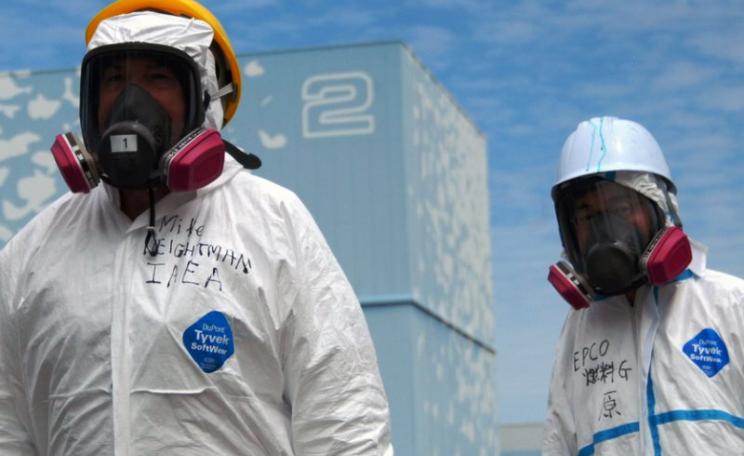
The Japanese were kept in the dark from the start of the Fukushima disaster about high radiation levels and their dangers to health, writes Linda Pentz Gunter. In order to proclaim the Fukushima area 'safe', the Government increased exposure limits to twenty times the international norm. Soon, many Fukushima refugees will be forced to return home to endure damaging levels of radiation.
EU and US resume their negotiations next week over the TTIP trade and investment deal. But deep rifts have emerged over the corporate courts in which investors can sue governments for any actions that reduce their profits. Meanwhile MPs are seething over their restricted access to draft texts and negotiating documents.
India's farmers are the targets of structural violence aimed at uprooting indigenous agriculture and replacing it with an intensive corporate model based on GMOs and agrochemicals, writes Colin Todhunter. But as Monsanto's GM cotton succumbs to insect infestations despite repeated pesticide applications, agroecological farming is an increasingly attractive option for cultivators.
The attempt by the US Supreme Court to stall the White House Clean Power Plan is being thwarted on the ground, writes Linda Pentz Gunter. The numbers show that new renewable energy installation around the US is outpacing even natural gas - leaving coal in the dust, and new nuclear at a big round zero.
A unique, all female anti-poaching unit has transformed the conservation picture in South Africa's Kruger National Park, writes Anneka Svenska. In just three years the Black Mambas have cut poaching by more than 75%, removed over 1,000 snares, and become role models for local youth. And this weekend they arrive in the UK to collect Helping Rhinos' 'Innovation in Conservation' Award.
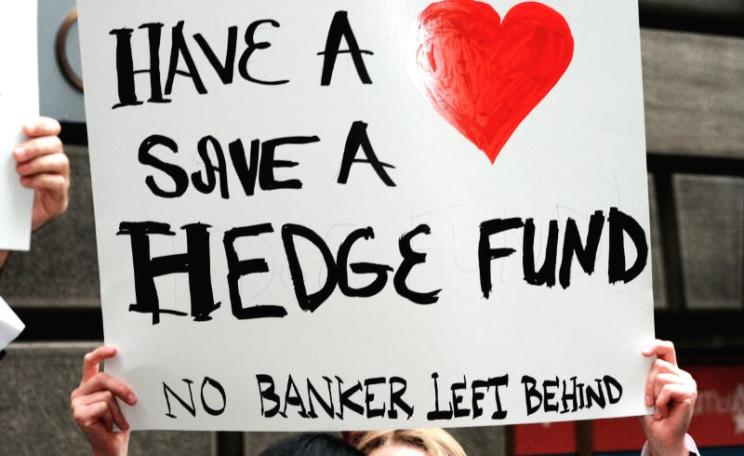
The private banking system that dominates North America and Europe works very well indeed, writes Ellen Brown - for the bankers. As for us, it's a disaster, as the banks use their monopoly over the creation of money itself, at interest, as a tool to extract ever more value from us and the entire economy. But there is another way!