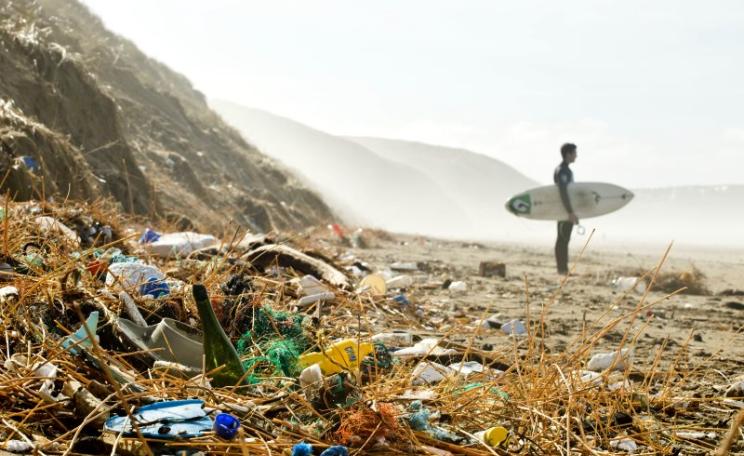
For 25 years, a group of eco-aware surfers have been campaigning for cleaner waves, writes Summer Brooks. SAS was founded in 1990 to tackle sewage discharges into UK coastal waters, and now, bigger and stronger than ever, they are turning their focus to the global problem of ocean plastic - both picking it up on our beaches, and pushing for long term, global solutions.
Already 60% of seabird species have plastic in their guts, often as much as 8% of their body weight. And with ocean plastic increasing exponentially, that figure will rise to 99% by 2050, threatening some birds' survival. Unless we act.
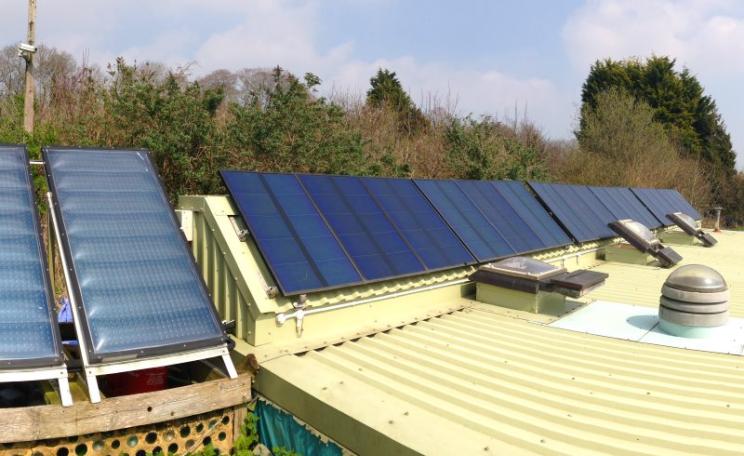
Solar PV costs have fallen by 75% over five years ago, writes Chris Goodall, making it the cheapest new power source for around half of the world's population. Now it's essential to keep incentives to drive demand for a few more years, and make it cheaper than fossil fuels everywhere.
Confronted with climate change, disasters and their human victims, governments are all to quick to adopt a security response, write Nick Buxton & Ben Hayes. We saw it in the US after Hurricane Katrina. We see it now in Europe. And there's a host of powerful corporations keen to cash in on the opportunities. But the solutions they offer will only deepen the crises we face.
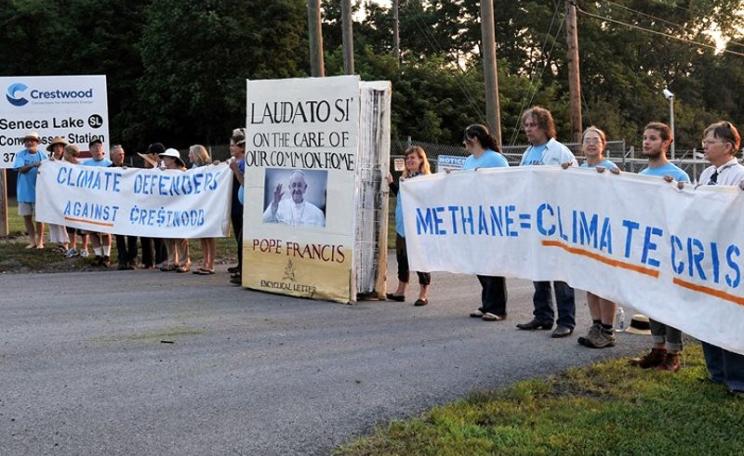
Protests against plans to make an enormous storage site for fracked gas at Seneca Lake in New York state seven times bigger are gathering pace, writes Ashoka Jegroo, with 13 arrests at a gate blockade last week. But is the company, Crestwood, getting the message?
Are GMOs safe? Up to a point, writes Jonathan Latham - provided you're not eating them. That's certainly not proven to be safe, indeed the hazards are numerous: protein encoding viral DNA fragments, herbicide metabolites, biotoxins whose operation is not understood, poorly conducted experiments ... and those are just the ones we know about.
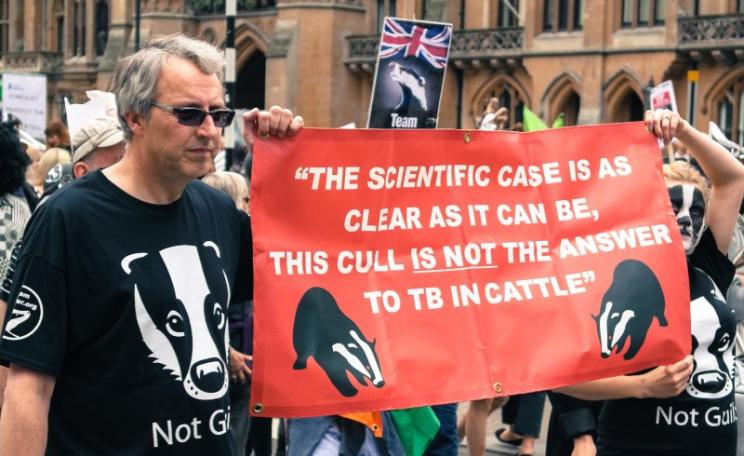
The government is right to extend the badger cull into Dorset, writes Mel Squires in this 'right of reply' article. While culling badgers is only part of the solution of bovine TB, along with annual TB testing of cattle and badger vaccination, it is a necessary measure in areas of high risk.
The effect of new labour saving technologies has been ... to keep us working as long as ever, or longer. But why? Certainly not for our benefit, writes David Spencer. It's to keep civil society suppressed, docile, in thrall to the power of capital. All the more reason to rebel - demand a 30-hour working week now!
The government's decision of extend the badger cull to Dorset, and persist with the Somerset and Gloucestershire culls, is 'completely irrational', say badger protection groups - and now they intend to prove it in a High Court legal action, forcing an end to the killing.
Greens are united in opposing neoliberal 'austerity', write Rupert Read & Sandy Irvine. But there's another kind of austerity to which we are committed - that of living within ecological limits. But base the transition on social, economic and environmental justice, and there will be nothing austere about it. The future we're working for is one of sustainable, life-enhancing abundance.
Laurence and Alison Matthews explain how the framework for the Paris Climate Change talks are set to skew the debate and distract us from the real agenda which should be to find a global solution to a global emergency.
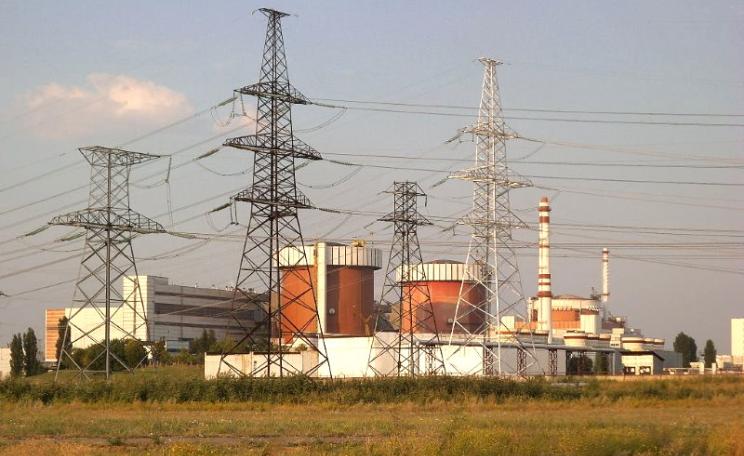
Ukraine's state-owned nuclear generator is suing anti-nuclear activists in its latest attempt to stifle public debate over the country's ageing fleet of 15 nuclear reactors, while refusing to release information in breach of international obligations.
The return of pine martens to central Ireland has been followed by a resurgence of red squirrels, writes Emma Sheehy. Now that the predatory mammal is being seen south of the Scottish border, the same could happen in England. The heavier grey squirrel is easy prey for pine martens, and their demise could open up ecological space for the native red to recolonise.
Resurgence & Ecologist presents the annual Festival of Wellbeing, 10th and 11th October. A weekend of talks and workshops designed to explore wellbeing, happiness and sustainability.
The Tories' decision to scrap the UK's renewable energy sector deserves condemnation, writes Oliver Tickell. But there is a silver lining: it creates the space in which to design better, cheaper, more cost effective support mechanisms to drive the clean energy revolution forward.