Way out in the turbulent North Sea, the Dogger Bank may seem like an unlikely place to site a large part of Britain's energy infrastructure. But given the stable sea floor, consistent winds, and distance from sensitive neighbours, it could be the perfect place. Even the fish could come to like it!
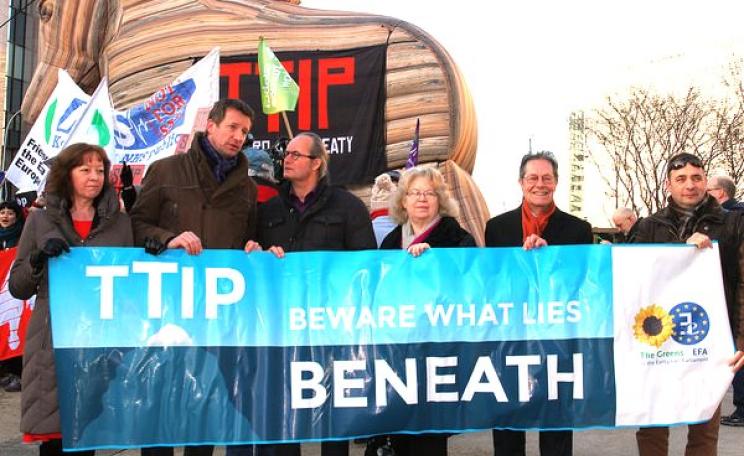
British MPs have rebuked the government for its secretive and apathetic response to public concerns over the TTIP EU-US trade deal, demanding that nations' 'right to regulate' for health, environment and the wider public interest must stand at the heart of any future agreement.
An elite group of aid donors and agribusiness corporations met in London this week to plan the takeover of Africa's seeds, writes Ian Fitzpatrick, replacing traditional seed breeding and saving by small farmers with a corporate model of privatized, 'improved', patented, genetically uniform and hybrid seeds in a profit-driven market.
The history of genetically modified food has been one of systematic deception and fraud by corporations, scientists, media and regulators, Steven Druker writes in his remarkable new book. Jane Goodall finds the story by turn fascinating, chilling, distressing and ultimately, hope-inspiring.
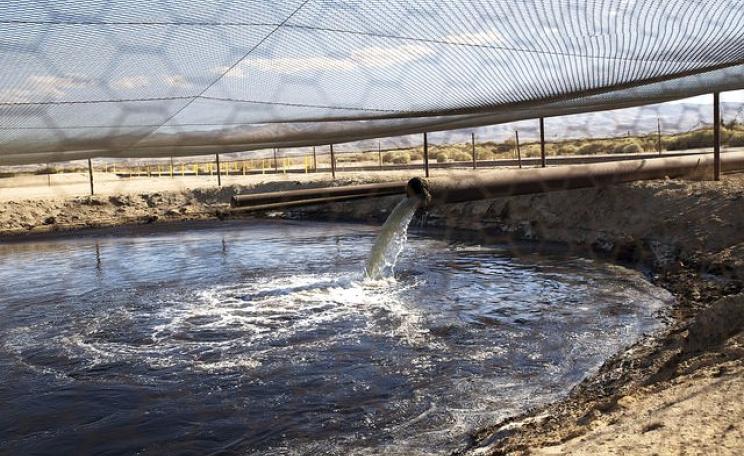
High ranking academics have issued a stark warning to policy makers on the future of Britain's shale gas - your best bet is that we have none that can be recovered consistent with policy objectives.
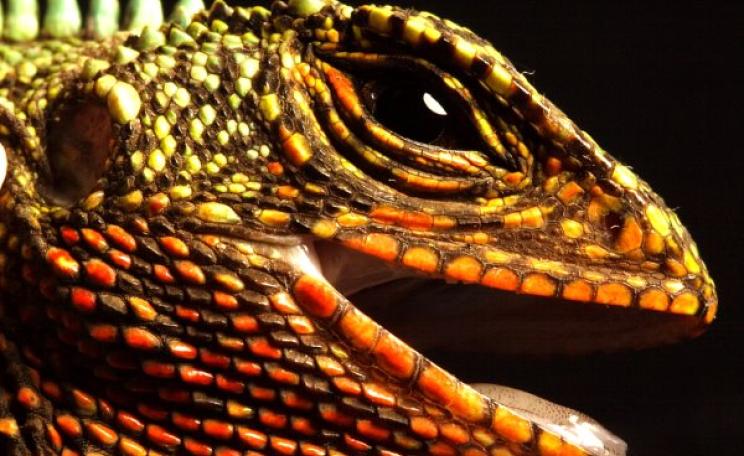
A new EU Regulation aims to limit the spread of invasive species through 'pathway controls' and bans on possession, transport and trade, writes Yannic Rack. But will it be up to the most important task - keeping the most hazardous aliens out, before they ever get the chance to become a nuisance?
Two thirds of Africa's lions have been lost in 35 years, and would-be hunters are increasingly shooting captive, farmed and often tame lions in 'canned hunts'. Claims are that this helps to preserve wild lion populations - but Dominic Dyer fears the reverse is the case.
Ecuador's president, Rafael Correa, has personally attacked eco-defender Carlos Zorrilla in TV broadcasts for resisting a vast new copper mine in a precious area of pristine cloud forest, and opposing the advance of oil exploration into the Amazon. Fearful for his life, Zorilla is now seeking international support for his, and his community's, battle for land, water and the natural world.
The UK's Trident nuclear missile system has the power of 1,500 Hiroshima bombs, writes Angie Zelter - and to use it would be a monstrous and probably suicidal crime against humanity. Should we spend £130 billion renewing it? Or on schools, hospitals, libraries, social care and cycleways? The inspiring ActionAWE campaign is waking people up to the choice we face.
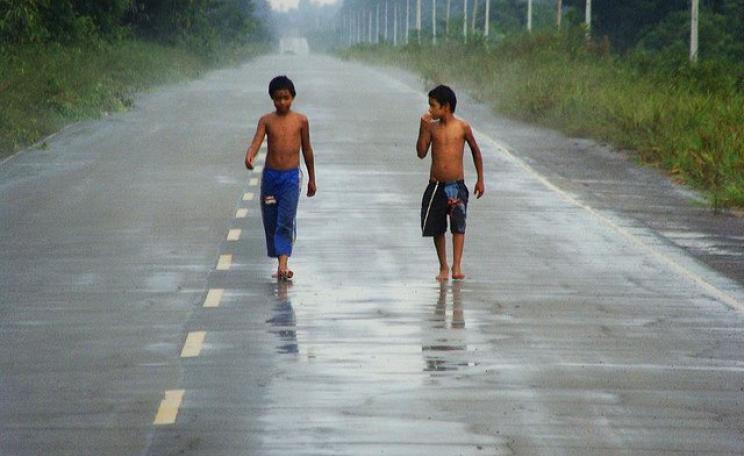
At the 'United for Wildlife' conference in Botswana, backed by princes Charles and William, Indigenous organizations from around the world are calling on world leaders to recognize tribal peoples' right to hunt for subsistence.
Large areas of forest remain around the world, writes David Edwards, but many of them are - in biological terms - dying on their feet as their species diversity erodes due to fragmentation. To conserve the full richness of our forests, we must keep them entire and unbroken, and rebuild the continuity of forest islands.
Botum Sakor national park is one of Cambodia's biodiversity hotspots, where indigenous tribes have long lived in harmony with the forest and its wildlife, writes Rod Harbinson. But now they are being violently evicted as the park is being sold off piecemeal to developers for logging, plantations, casinos and hotels. Now local communities are defending themselves and their land.
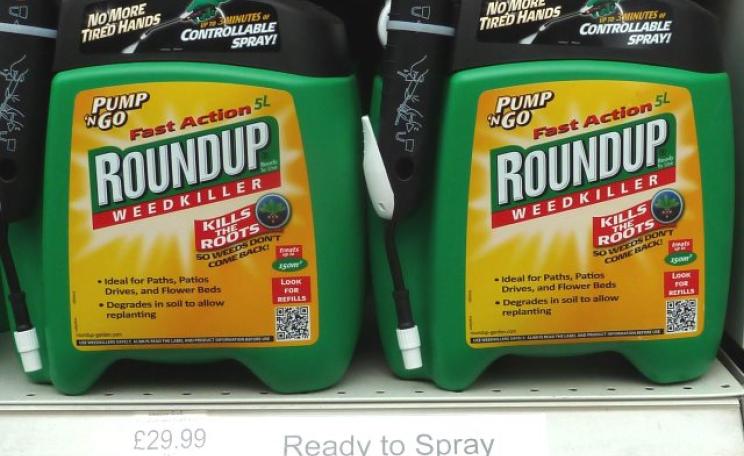
The International Agency for Research on Cancer has labelled the world's biggest herbicide, glyphosate, as 'probably carcinogenic'. Another four widely used organophosphate insecticides may also pose a cancer risk.
The latest salvo in the battle over Africa's seed systems has been fired, writes Stephen Greenberg, with the Gates Foundation and USAID playing puppet-masters to Africa's governments - now meeting in Addis Ababa - as they drive forward corporation-friendly seed regulations that exclude and marginalize the small farmers whose seeds and labour feed the continent.
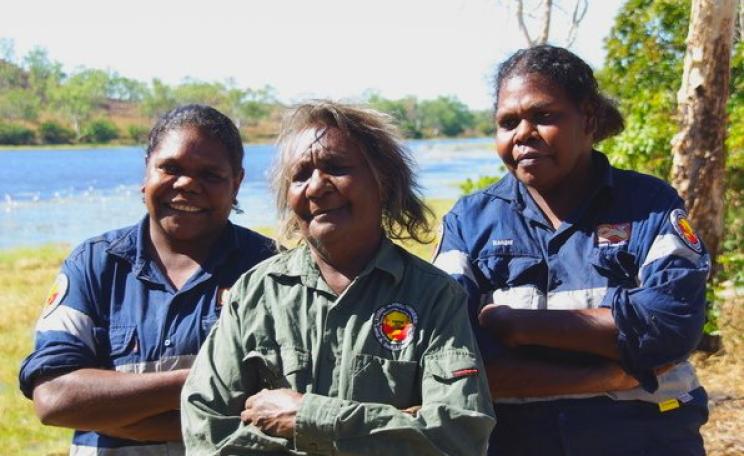
Australia's aboriginal communities inhabit remote Outback regions of enormous importance for wildlife conservation, write Craig Moritz, Emilie-Jane Ens & Jon Altman - and they, and the land management services they provide, are essential to maintain both biodiversity and ancient indigenous knowledge. So why is Prime Minister Tony Abbott putting all that at risk?