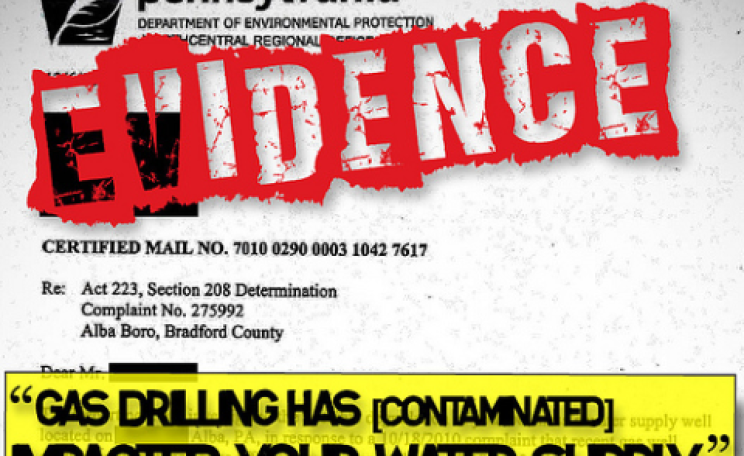
Not only is fracking a massive threat to the UK's water, argues John Ward - it's a dead-end technology that will make us pay a heavy price for going precisely nowhere in energy terms.
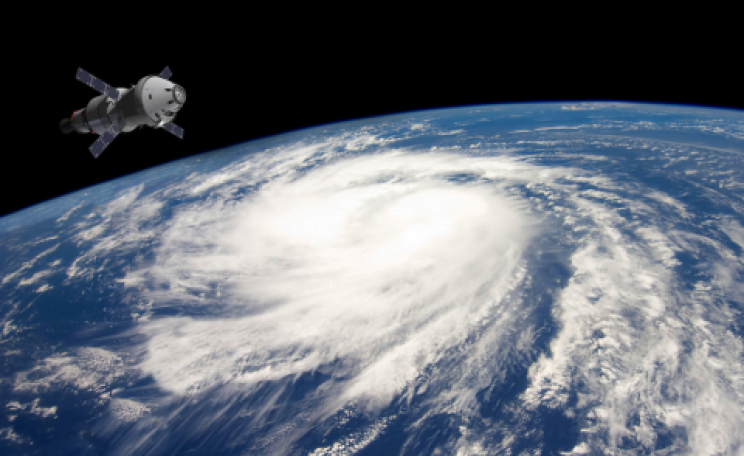
Why did Typhoon Haiyan wreak such havoc on the Philippines? In a country that sees 20 tropical storms every year, it would be natural to expect some form of planning for such disasters. But a neglectful government distracted by political chaos meant Filipinos received little warning of the coming storm.
As the detention of Greenpeace's 'Arctic 30' by Russian security services approaches its second month, a shift of campaign tactics is taking place. Now Shell, Gazprom's partner in developing oil and gas on the Arctic Shelf, is in the firing line.
As the nights draw in, Susan Clark settles in for winter with a store of mulling syrup that captures the distinctive, old-English taste of juniper berries.
The Koch Brothers, who famously fund climate change denial groups in the USA, and other right-wing causes, are the joint winners of a dubious accolade.
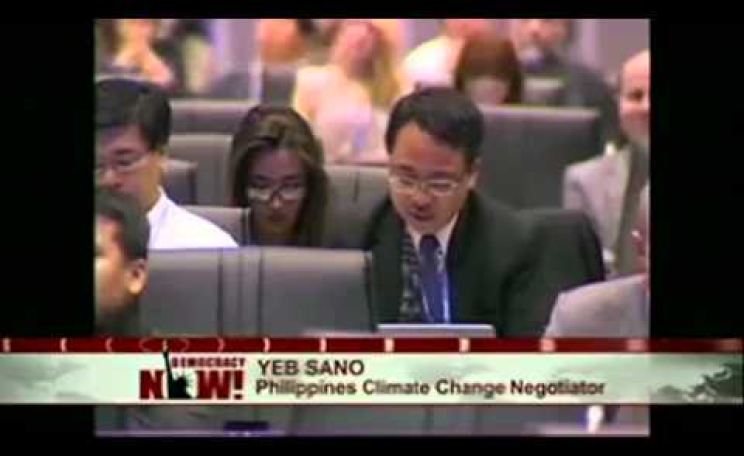
Speaking to the UNFCCC in Warsaw, shortly after Typhoon Taiyan devastated his country, Philippines climate negotiator Yeb Sano makes an impassioned case for decisive action on climate.
Extreme storm events such as super typhoon Haiyan, which wreaked havoc in the Philippines on Friday, are more likely in the future as the build-up of greenhouse gases warms the planet, scientists say.
Japan's hunting of cetaceans has become a rallying point for nationalists, but demand for their meat is falling amid worries about toxic pollution. Fukushima could just prove to be the last straw for a declining industry ...
Last week's 'million mask march' is a telling example of the mainstream media's structural hostility to any realisation of a participatory, deliberative or active public, argues Jamie Mackay.
The MD of Britain's largest insulation company demands: back warm, efficient homes now, or condemn millions to cold, damp and sky-rocketting fuel bills.
The Awá have been driven to the brink of extinction as waves of illegal loggers, settlers and ranchers have flooded their land. Toby Nicholas reports that there is hope on the horizon ...
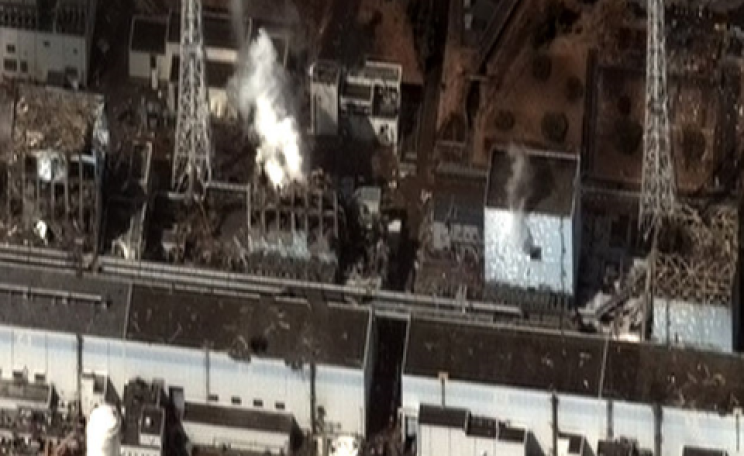
Nuclear Greens in a post-Fukushima world: Americans read the increasingly panic-stricken reports of meltdown at the Fukushima Daiichi nuclear-power plant in Japan and asked: 'Can it happen here?' They already knew the answer.
Gwen Burnyeat tells of her encounter with a unique peace community in Colombia, who are promoting systems of local sustainability and guardianship that protect both people and the environment.