With a new analysis showing UK wind farms operating at just 20 per cent of their capacity in 2010, the potential of wind power has been called into question. Eifion Rees examines the arguments from both sides
In the latest in his exclusive series examining ethical businesses, Peter Salisbury reports on the rise of the leading eco-electricity supplier - and hears how it all started with a cocktail
The new JustPay! campaign is asking investors and individuals alike to activate their money and demand that support staff, such as cleaners, at the UK's top corporations are ensured a Living Wage
<strong>For more than 30 years, Nikwax has been a trail blazing company specialising in waterproofing products. Company founder Nick Brown pioneered a radical alternative to conventional waterproof fabrics in Páramo’s unique 'Directional' garments.
</strong>
<br /><hr /></span>
<span class="details"><strong>Tel: </strong>01892 786444<br /><strong>Web: </strong><a href="http://www.naturallyparamo.co.uk" rel="nofollow">www.naturallyparamo.co.uk</a><br />
In Uganda, as in the rest of the world, carbon trading is a controversial topic. But could the concept of fair trade carbon credits revolutionise the sector, or is it just a distraction from the bigger problems with carbon markets? Adam Corner investigates
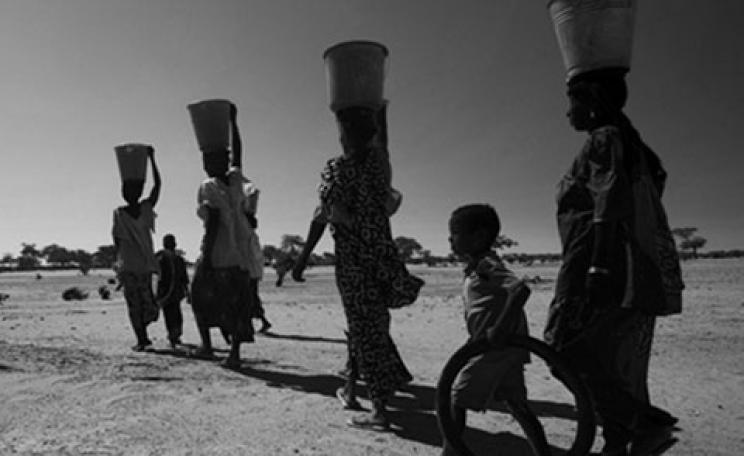
In the first of a new series of photo-stories documenting the growing global crisis over water resources, Matilde Gattoni reports from Niger and finds a country struggling to quench its increasing thirst
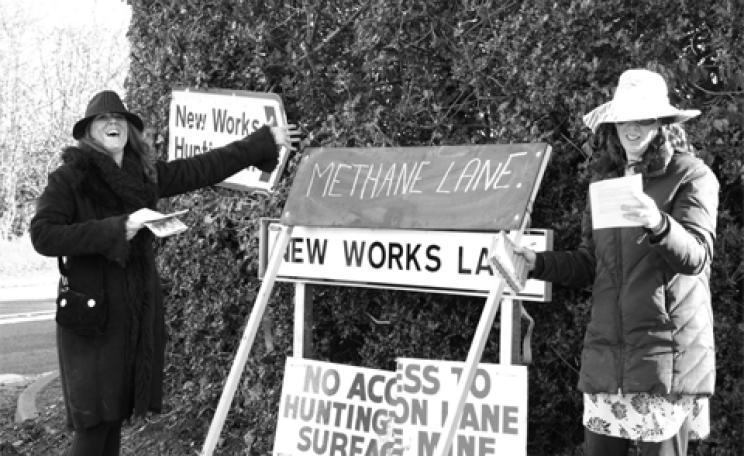
Sarah Bentley reports from the activist camp standing in the way of an open cast coal mine in Shropshire in an area said to have inspired Tolkien's Middle Earth
Whether on the beach, in the city or in the countryside, summer’s staple shoe is without doubt, the humble flip flop. Question is, how well do flip flops really go with the environment?
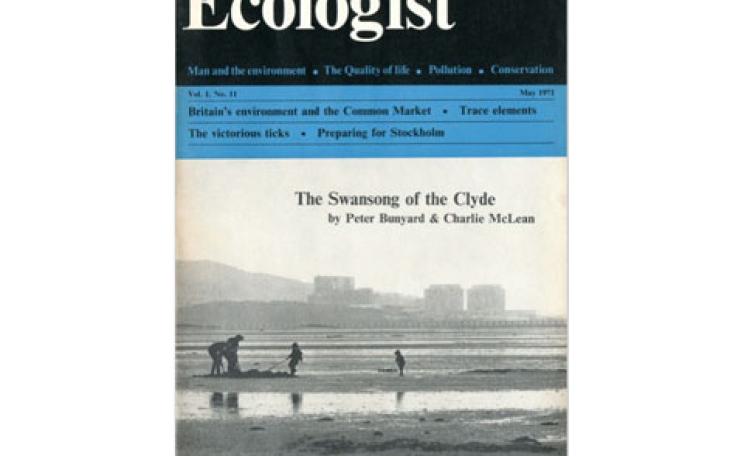
Forty years ago this month, Professor Henry A. Schroeder wrote Trace Elements in the Environment, about the dangers of toxic metals in the air, food and water that humans expose themselves to
Defra's attempt to put a price tag on nature with its National Ecosystem Assessment may reinforce the dangerous conceit that our own place in ecosystems is more important than any other, argues Dr Kate Rawles