A little bit of natural seasoning won’t kill you, it’s what gets added – or taken away – that matters. Pat Thomas explains why refining and demonising salt is such a crude response
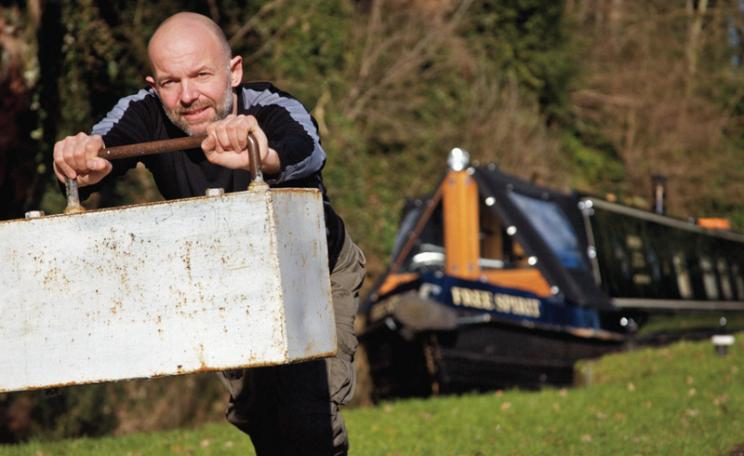
In the first of a three-part series, a repentant travel writer trades in his longhaul flights and luxury holidays for three months living on a narrowboat
Taking a pill for a headache may seem like the most natural thing in the world, but prescription drugs are forcing their way into every corner of our lives and environment, says John Naish
Barack Obama and Ban Ki Moon, Labour and the Conservatives, green groups and trade unionists, Nicholas Stern and even Peter Mandelson - everybody is talking about a 'Green New Deal'. Faced with an economic downturn, climate breakdown and an energy system in need of billions of new investment anyway, the idea is simple and attractive.
Britain has a serious and unnecessary drug habit, but the implications of our pill-forevery-ill culture go far beyond the adverse effects on human health. The complex chemicals in modern pharmaceuticals, as well as the manufacturing processes involved, leave a massive industrial footprint on the natural world that is largely ignored by both science and government.
I slept in my clothes last night, on the bare wooden floor of one of the houses the first boatload of people to be evacuated from the Carteret Islands are building for their families. It was a jet-black night in the small clearing hacked out amid the jungle, the dark broken only by our two candles and the lights of Fireflies jigging in the trees.
This budget season, and so a short perambulation around the vexed question of the national debt seems in order. As a nation we've been living with debt for more the 300 years now, since 1694 to be precise, when Scottish privateer William Paterson persuaded the government of the time that creating £1.2 million of IOUs would get them out of their spending difficulties.