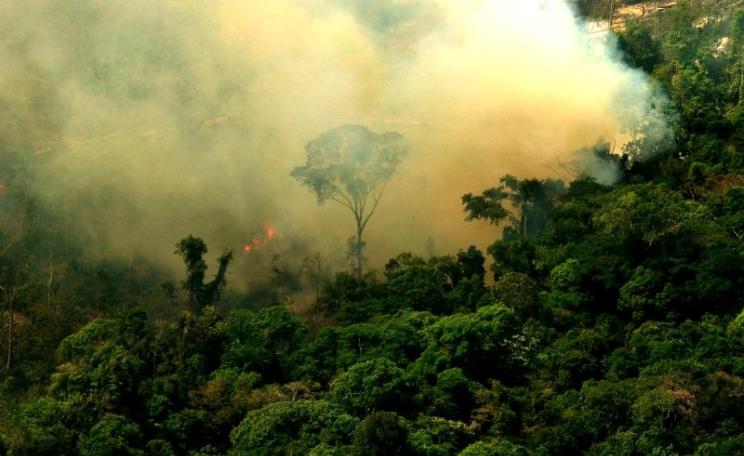
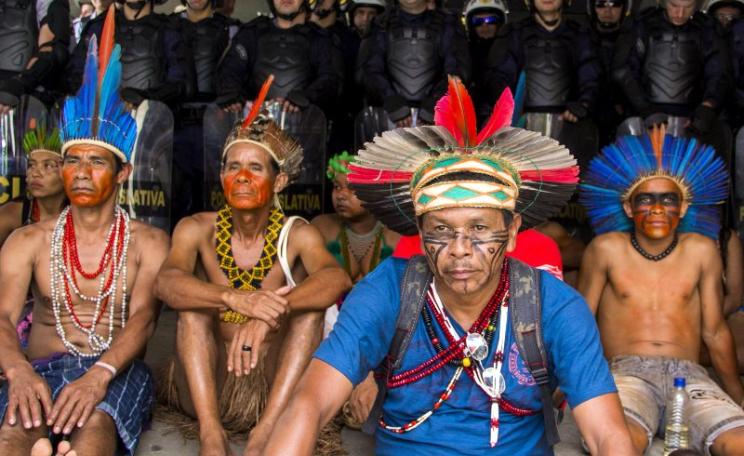
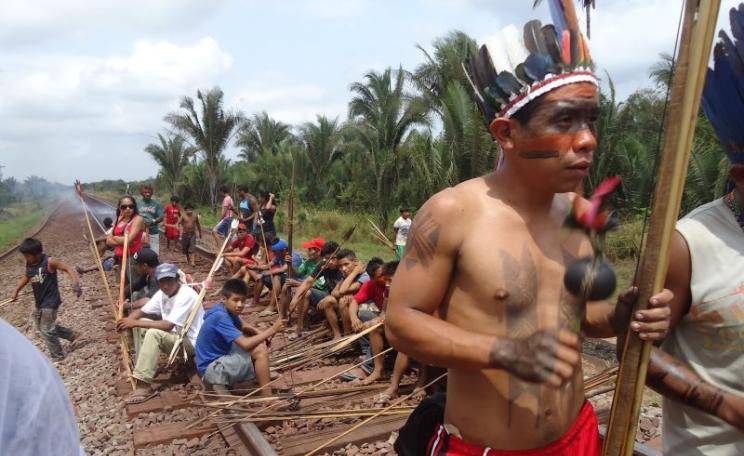
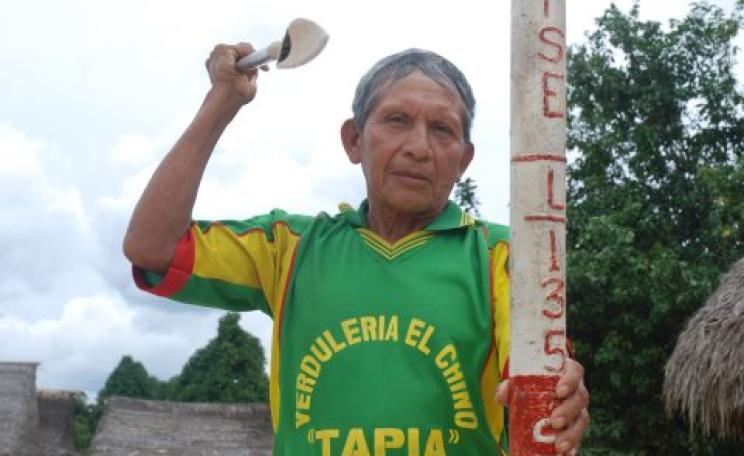
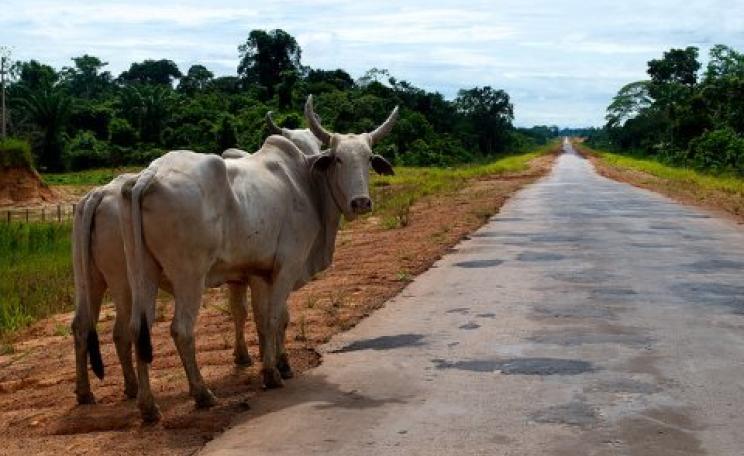
Deep in the Brazilian Amazon indigenous people have been protecting their reserve from illegal loggers, writes Luana Lila. The loggers took their revenge by kindling one of the Amazon's biggest fires ever, destroying almost 200,000 hectares of rainforest.
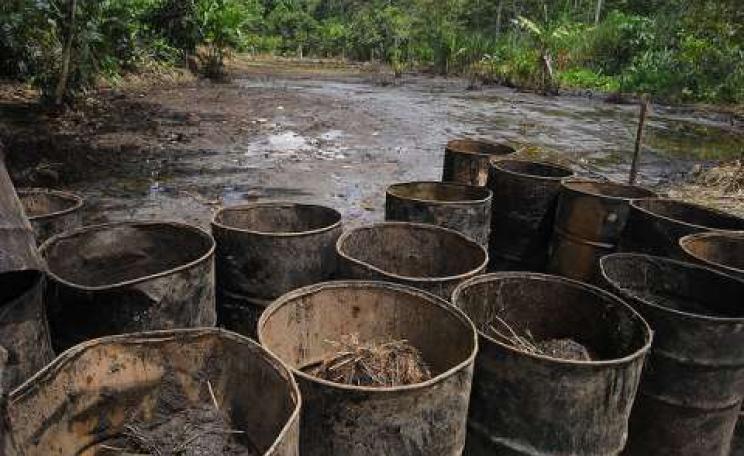
Brazil is about to auction hundreds of fracking blocks across the country - extending deep into the Amazon forest including the territories of remote and vulnerable indigenous peoples. Registered bidders include BP, Shell and ExxonMobil.
Guarani man Semião Vilhalva was murdered by ranchers' gunmen last weekend after his community reoccupied parts of their ancestral land from ranchers. Thousands of Guarani Indians holding on to tiny patches of their ancestral land are living in constant fear of forcible eviction.
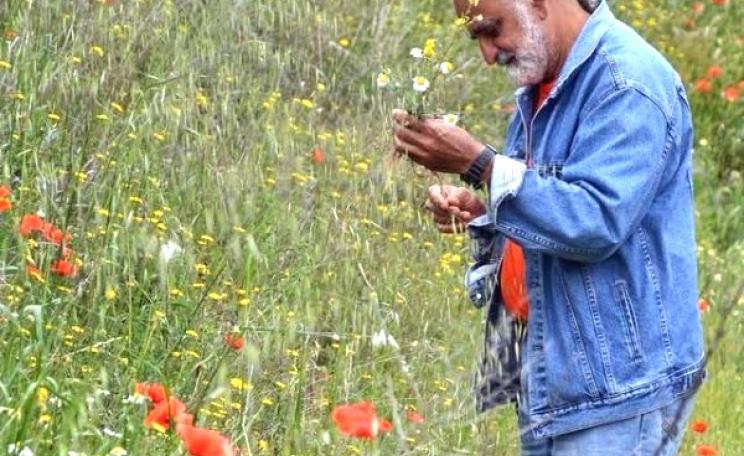
Jairo Restrepo is a leading champion of organic farming in Brazil, writes JuanFran Lopez, and now his influence has spread across the world. His mission too has expanded to include campaigning for the rights of small scale farmers, and an even wider project of economic, technological and societal transformation to put people at the centre of political power.
Last December Brazil's indigenous Peoples defeated the PEC 215 constitutional amendment that was meant to open up their territories for agribusiness, mining, power generation and industry, writes Chris Lang. But now, thanks to 'Chainsaw Queen' Kátia Abreu, minster of agriculture, it's back on the agenda ... and resistance is growing once again.
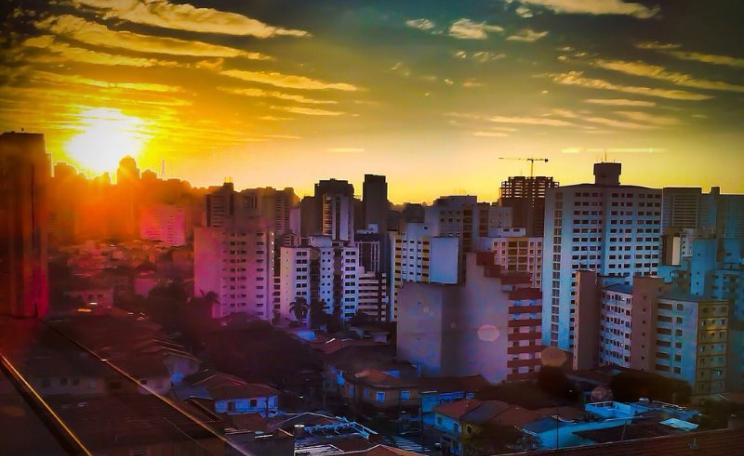
After four years of low rainfall Brazil's commercial capital, Sao Paulo, is suffering from a grim combination of high temperatures and water shortages, writes Leila Carvalho. And now the drought has given rise to a lethal plague of dengue fever.
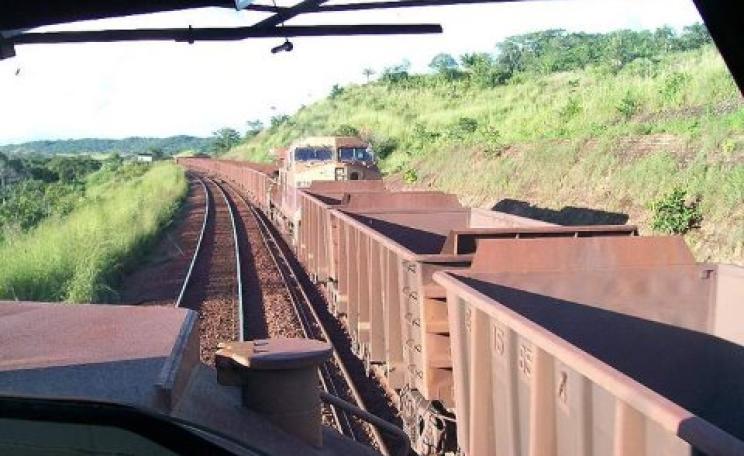
A proposed $30 billion railway line linking the the Peruvian and Brazilian coasts threatens devastation to forests and indigenous tribes that lie along its route, and will add to wider pressures on land and forests.
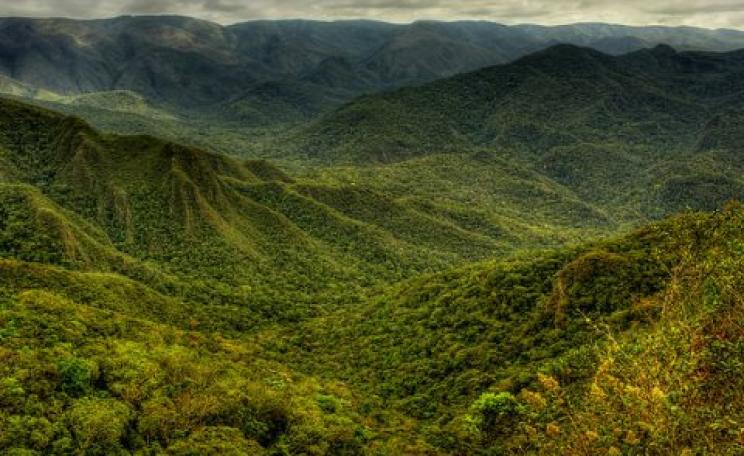
The Atlantic rainforest of Brazil is a biodiversity treasure, writes Miranda Dyson - as exemplified by the discovery of seven minute and beautiful frogs. But with the forest already reduced to under a tenth of its original extent, and going fast, they and countless other species may not survive much longer.
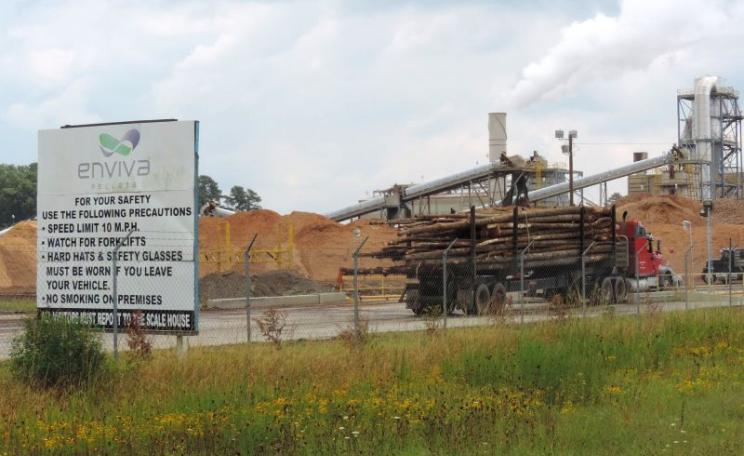
Hundreds of millions of pounds meant to be spent on green energy will soon be lavished on Britain's biggest coal fired power station to reward it for burning 7 million tonnes of wood pellets a year - meant to be 'renewable' but actually driving biodiversity loss and even worse for climate change than coal. DECC must stop this madness!
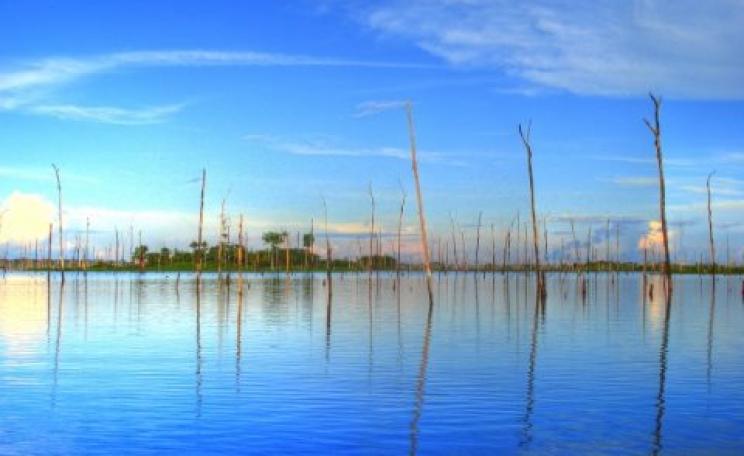
Without water to feed its hydroelectric dams, drought-hit Brazil is turning to solar power - dubbed 'a fantasy' by the country's president just a few years ago, writes Jan Rocha. Now thousands of megawatts of floating solar panel 'islands' are to be installed on dam reservoirs.
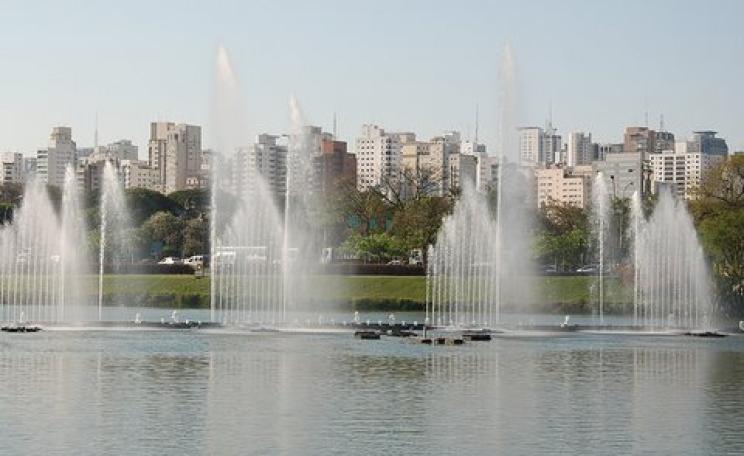
Thanks to massive deforestation along Brazil's Atlantic coast and the Amazon, São Paulo's reservoirs are at just 6% of their capacity and water rationing is in place. But this is just the beginning of a long term drying process that could be recreated around the world as forests are laid waste and hydrology disrupted.
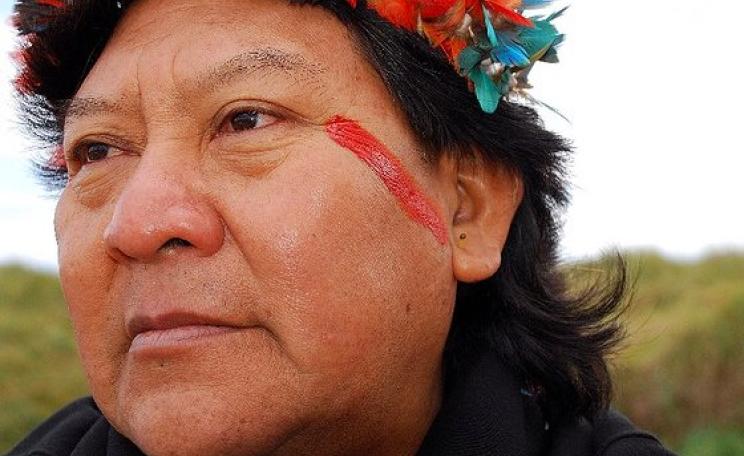
This powerful book by Davi Kopenawa and Bruce Albert reveals to us the world view of the Yanomami shaman, writes Sue Branford - together with many uncomfortable insights about the horrors of mainstream modern society, seen from an indigenous viewpoint as a form of organized madness that's driving the world to destruction.
As Brazil's climate gets drier, caused by deforestation in the Amazon and elsewhere, writes Jan Rocha, a Brazilian climate expert proposes five-point 'battle plan' to save the world's greatest tropical forest, before it's too late.
Peru - host of the COP20 UN climate conference now under way in Lima - is facing rebellion by a 3,500 strong indigenous people deep in the Amazon committed to fighting oil exploration in their forest territory, writes David Hill, following the government's failure to consult Matsés communities or respect their rights.
Legislation put forward by Brazil's re-elected President Dilma Rousseff would open up to 10% of protected areas to mining, writes Luke Parry. The effect would be to gut nature conservation in Brazil, already in a perilous state due to underfunding and growing pressure for the development of mines, dams, farms and plantations.
Brazil's newly elected Dilma Rousseff is committed to completing the disastrous Belo Monte dam, writes Helle Abelvik-Lawson. Worse, she looks certain to press ahead with the industrialisation of the Amazon, with 61 hydroprojects in the pipeline. And new scientific findings about the massive climate impacts of tropical forest dams are not about to stop her.
Left wing governments across the Americas are faced with a dilemma, writes Daniel Macmillen - high social spending programs financed by income from destructive mining and hydrocarbon extraction - or a slower but sustainable development path that puts ecology, equity and justice first. Their answer - a constant pushing back of the resource frontier.
Deforestation in the Brazilian Amazon has been sharply reduced in recent years, writes Alex Kirby. But analysts say that palm oil and other cash crops are set for a major expansion, while high demand for beef, and administrative chaos, may undermine efforts to reform the ranching sector.
As Brazil prepares for elections next month, conserving its remaining Atlantic Forest is a hot issue, writes Cristina Banks-Leite. Ecologists want to preserve more native habitat, while farmers want to expand their acreage. But there is one solution that ought to please everyone.
Four Indian leaders who have opposed illegal logging in their forests have been shot dead in eastern Peru as they traveled by boat to an indigenous meeting in Brazil. The murders followed pleas to Peruvian authorities for protection, and warnings by Brazilian officials that the Indians were in extreme danger.
With the EU projected to source most of its 'renewable' energy by burning biomass, its policies are leading to widespread land-grabbing and forest destruction, writes Oliver Munnion. And because many of the biomass projects are purely speculative, 'sustainability standards' will do little or nothing to improve practice on the ground.
São Paulo, South America's biggest city, is suffering its worst drought in over a century, writes Jan Rocha, with rivers and reservoirs running dry. But the state's politicians are seeking re-election. And for them, it's as if nothing is happening - never mind that water and power cuts affecting millions are looking inevitable.
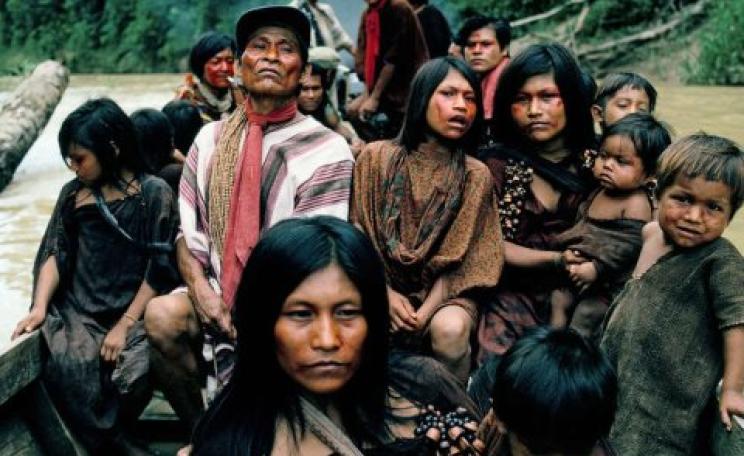
Survivors of a previously unknown Amazon tribe have escaped gunmen in Peru, seeking refuge with settled indigenous communities in Brazil. But as Alice Bayer reports, their problems are far from over. Many remain under threat in Peru, and even the refugees are at risk of common but potentially lethal infections.
GMO corn varieties that express insecticidal Bt toxins are failing in the field, with reports of infestations of the fall armyworm on Bt corn in Brazil and the USA. Now the EU is poised to approve one of the failing varieties for use on European farms.