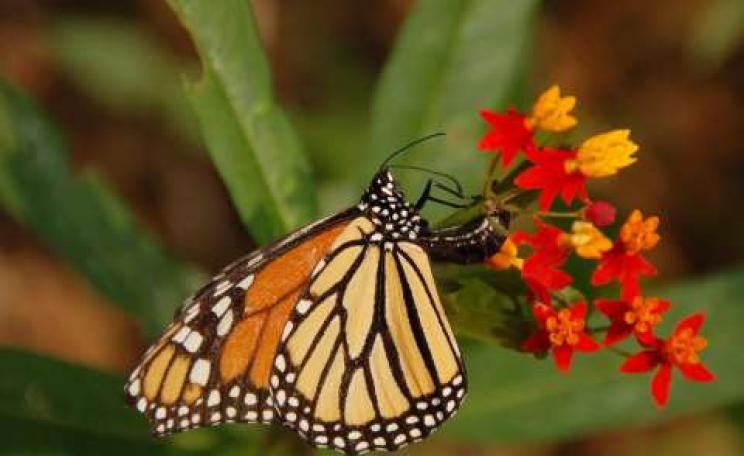
Thanks to herbicide use on GMO crops in the US and Canada, Monarch butterfly numbers have crashed - the milkweeds the larvae feed on now survive mainly in 'conservation reserve' land and roadsides - and there's a 5% chance the Monarch will be extinct within 100 years.
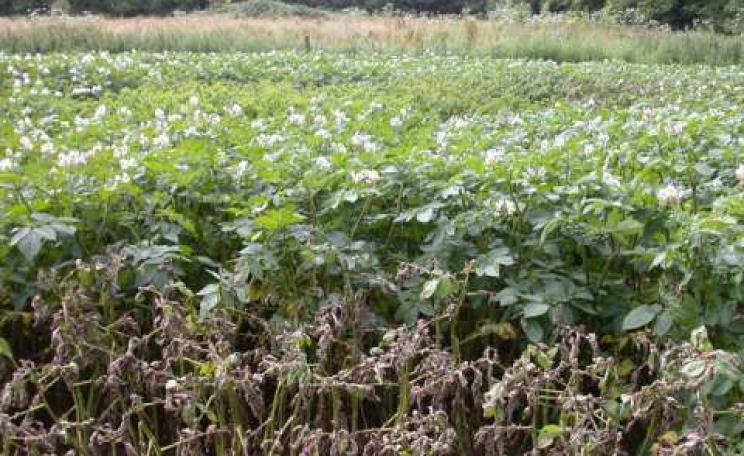
GM companies are exploiting the launch of a new blight-resistant GMO potato to make their case for an EU-wide relaxation of rules restricting GM crops. But as Sophie Brown discovers, we have all the answers to blight already, without a GMO in sight!
A new and deceptively sophisticated installation is about artists, audience and nature itself connecting in real time, writes Laurence Rose, who visited a Living Symphony in Thetford Forest.
Talis Kalnars was a pioneer of 'continuous cover' forestry in Britain, writes Phil Morgan. His woodlands were not only beautiful but profitable, as he nurtured the 'natural capital' of the forest ecosystem, and only harvested the dividend of high value timber.
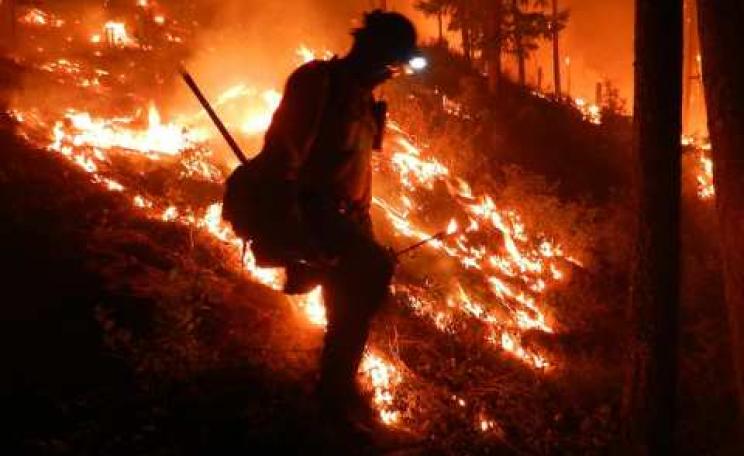
Forest fires are invariably portrayed as fiercely destructive environmental calamities. But for the native forests of the American West, large fires are essential to ecological renewal. Contrary to the mantras of logging companies and forest service officials, we suppress them at our peril.
How we feed ourselves sits at the crux of all human affairs, writes Joanna Wright - the health of our bodies and communities. Far too important to leave to industrial farms and processors, it's something we can all begin to do for ourselves.
For just 8% of the fish landed, extraordinary, beautiful, ancient, diverse deep sea habitats are routinely destroyed by fishing gear. And as J. Murray Roberts writes, it's all for a one-off hit as the fish are so slow to grow and reproduce. If the same damage happened on land, there would be uproar.
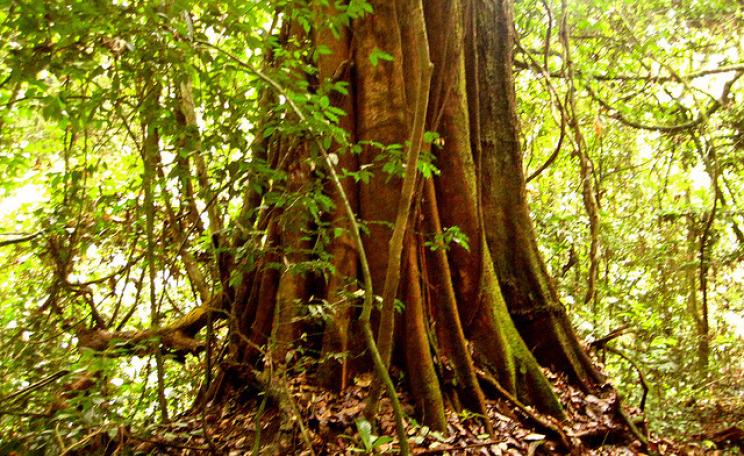
Scientists have found that the world's second greatest rainforest, the Congo, is losing its green, writes Tim Radford. As temperatures rise and rainfall reduces, the forest canopy is taking on a browner hue, and this could be an early signal of worse damage to come.
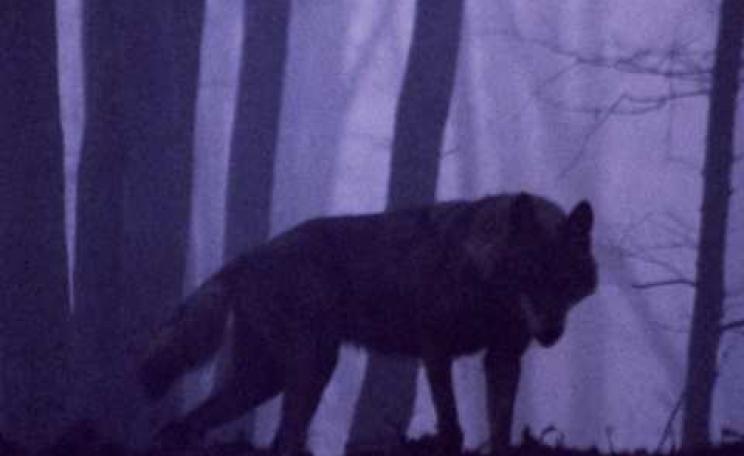
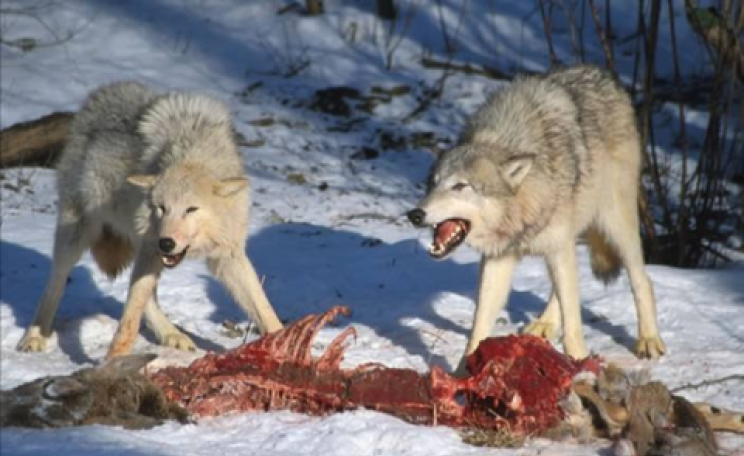
On paper, Romania has a thriving wolf population. But Luke Dale-Harris finds that the official view is based on erroneous figures from hunting associations who are, bizarrely, responsible for wolf conservation. The truth is that the wolves are at serious and growing risk.
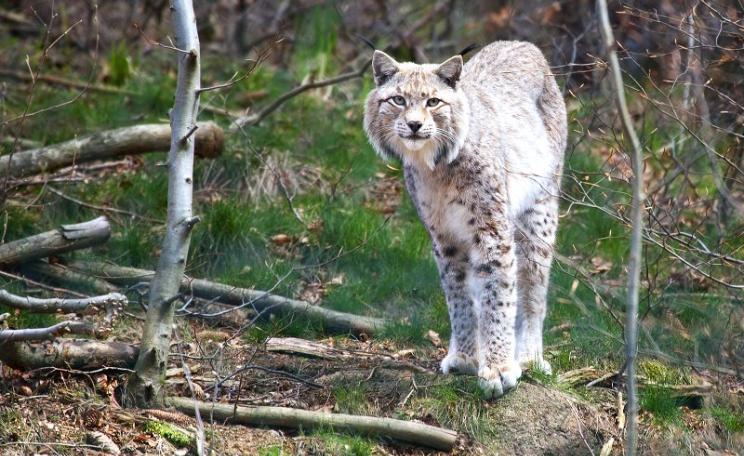
Lynx could be re-introduced to sites in England and Scotland before the end of 2015, according to the Lynx UK Trust, which has just issued polling and survey results that show strong support for the idea among the UK population.
New scientific research shows that culling badgers can increase local hedgehog numbers. As UK hedgehog populations continue to decline, Hugh Warwick asks - are badgers to blame? Or does the real problem lie elsewhere?
What kind of life really matters? Big, showy species, or the uncountable gadzillions of microbiota that do the biosphere's hard work, and whose DNA occupies every cell in our bodies and makes 'higher' life possible? Martin Spray on 'The amoeba in the room'.
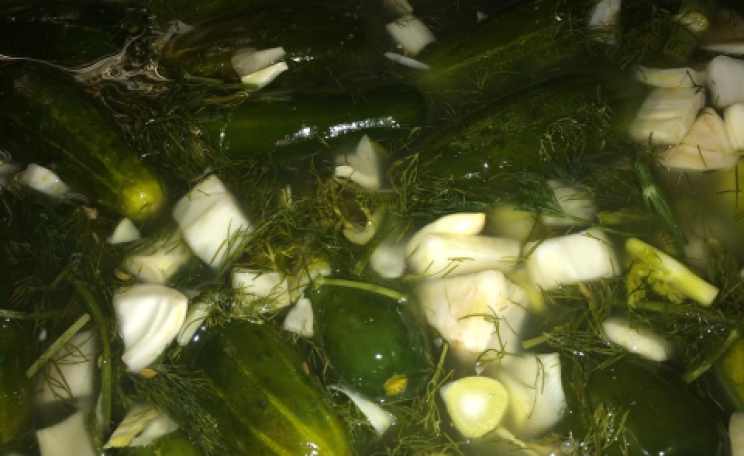
Fermentation is far more than a way to prepare diverse, delicious and wholesome food, writes Joanna Wright. It is a means for us to connect with the ancient past, with the world around us, and with our own selves. Are you ready to try it?
If rhinos are driven to extinction in the wild, Africa's landscapes and ecosystems would be very different, reports Rachel Nuwer. The activities of this mega-herbivore diversify plant life and create prime grazing spots for other animals.
A simple agricultural technique could release farmers from the grip of agrochemical corporations. With no patents, no royalties and no licensing fees, this system just benefits the farmers.
Conservation groups have mounted a legal challenge to an 'unprecedented' program to exterminate two entire wolf packs in the Idaho Wilderness - intended to inflate elk numbers and attract recreational hunters
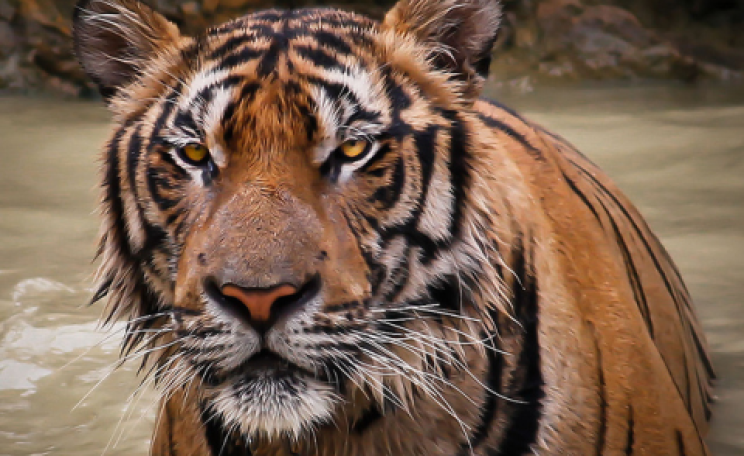
The key to keeping ecosystems in good health is to maintain or restore populations of large carnivores, argues William Ripple. Yet around the world, these vital species are on the decline.
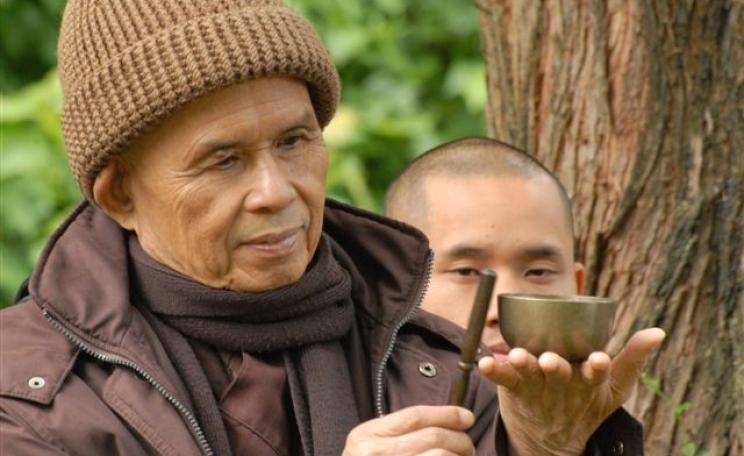
The acclaimed buddhist monk Thich Nhat Hanh talks to the Ecologist about the loss of biodiversity and why human vulnerability is not something we should despair about
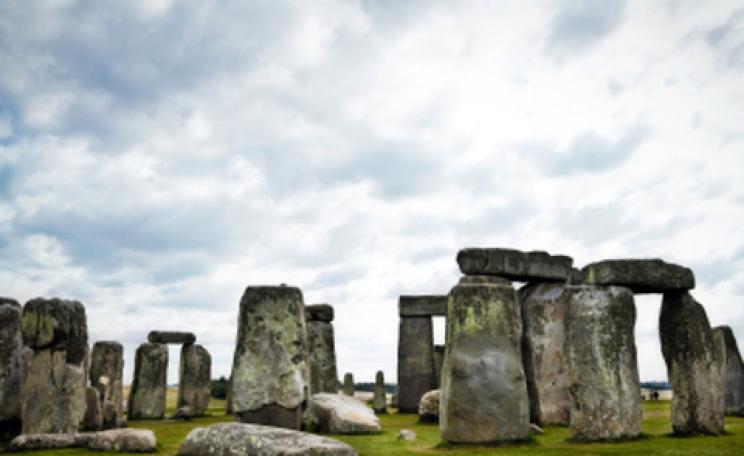
Theologian Martin Palmer tells Tom Levitt how we can learn from previous man-made ecological collapses in Britain and create a 'new narrative' that challenges our dominant consumer culture
The greatest challenge facing agricultural scientists is how to work with farmers producing more ecological and healthier food - not GM, argues Patrick Mulvany, chair of the UK Food Group and advisor to Practical Action