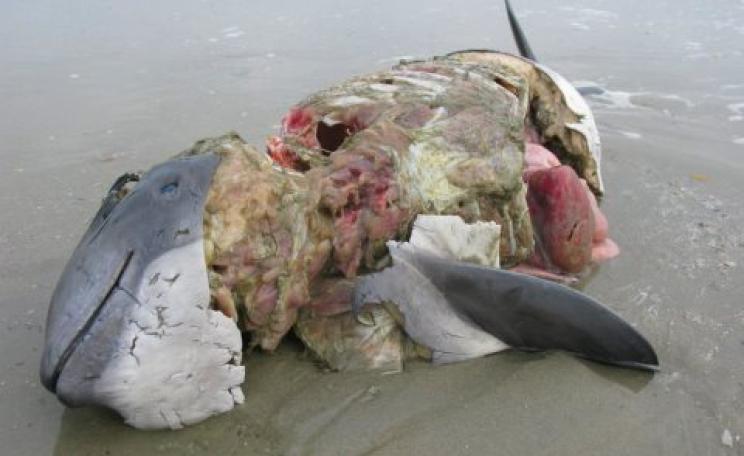
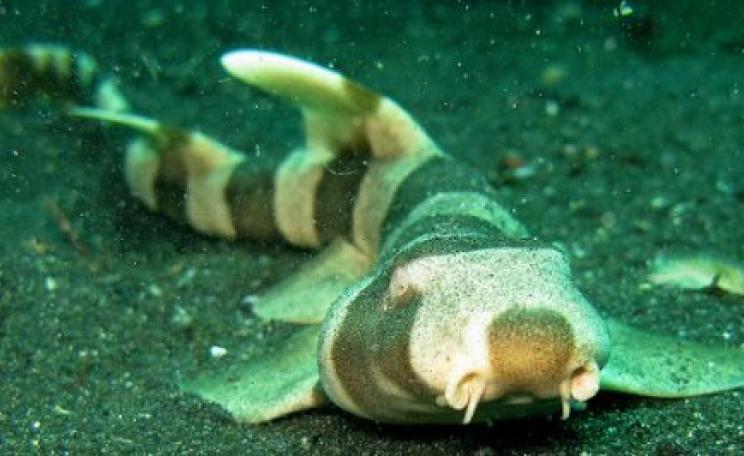
Since 2010 porpoise carcasses have been washing up on our shares, writes Ken Collins - displaying horrific wounds and bite marks that many thought a sign of Great White sharks in Britain's coastal waters. But now scientists have identified an improbably cuddly culprit ...
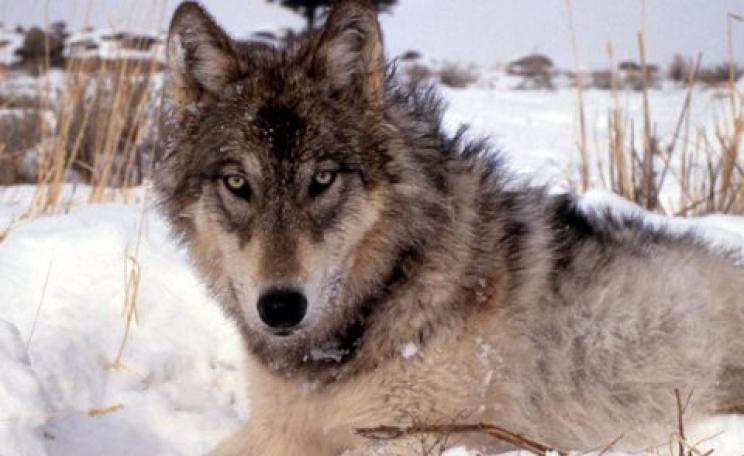
Farmers who shoot wolves and other predators to save their animals from predation are actually having the opposite effect, writes Niki Rust. The disruption that killing predators has on the stability of their families and packs actually causes more, not less predation. Ultimately, we're better off learning to live with predators.
The Arctic is a special place, teeming with life, but it is under threat like never before, writes Robert Spicer - not just from climate change, but from oil drilling, industrial fishing and shipping, as receding ice creates now commercial opportunities. We must designate an Arctic Sanctuary where nature can reign undisturbed.
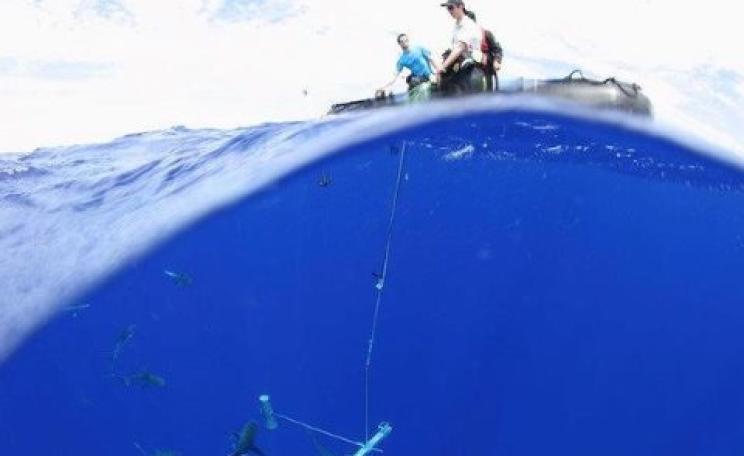
In 2003 nations pledged to place 20-30% of the world's oceans into no-take marine parks, writes Jessica Meeuwig - but more than ten years on, such areas now cover just 1% of ocean area. Now the World Parks Congress in Sydney, Australia, provides an opportunity to drive marine protection forward, and benefit both ecology and economy.
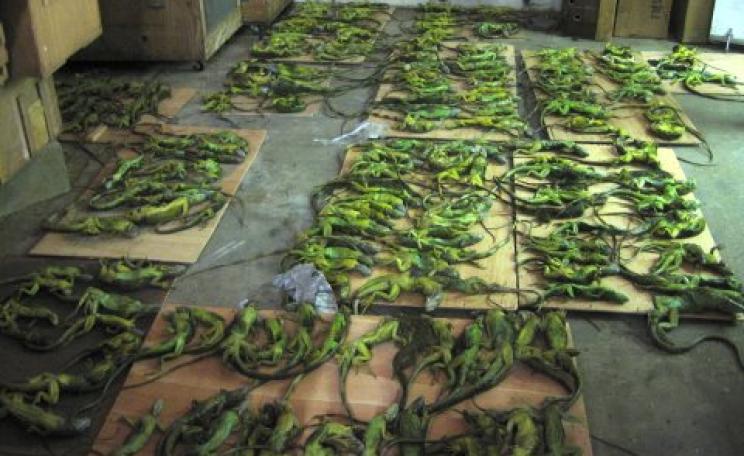
Behind the relatively sanitized faç;ade of the exotic pet industry resides a vast chronicle of species decline, ecological disruption, animal suffering, mortality, and the global dissemination of pathogens, writes Clifford Warwick. We are in the midst of a profit-fueled frivolous wildlife biocide, as animal traders strive to bring the next curiosity fish, turtle or primate into our homes.
Until demand for fish is balanced with sustainable methods of production, write Ruth Thurstan & Callum Roberts, governments should consider the social and environmental implications of promoting greater fish consumption. Worldwide, wild fish supplies per person have been declining ever since 1970.
Seagrass provides a key marine habitat, writes Richard Unsworth - it stablises the sea floor, sustains rich ecosystems, soaks up excess nutrients, sequesters carbon dioxide, feeds dugongs, and nurtures young cod. Hadn't we better stop wiping out some 1,500 sq.km of seagrass meadows every year?
We must accept the reality that human beings, nature and cosmos are interconnected in a vast circular system, writes Jane Cull. To sustain ourselves on this planet, we must sustain the web of life of which we are part, and construct another kind of world that based on that understanding.
A common marine worm key to the richness of many coastal ecosystems is being damaged by the increasing ocean acidification that was thought to imperil mainly shellfish and coral, writes Alex Kirby. It's an unwelcome sign of more unexpected ecological changes to come.
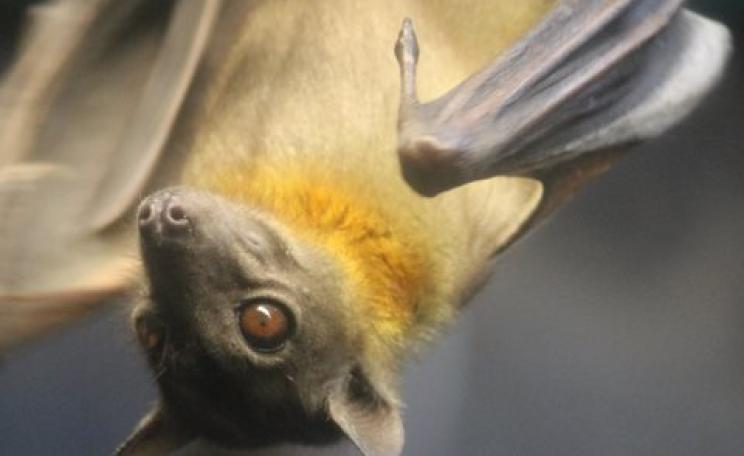
Bats serve as a natural reservoir for the Ebola - but we cannot blame them for the epidemic. In Ghana alone people eat over 100,000 fruit bats a year as 'bushmeat', yet the country has escaped the epidemic. Much more research is needed to discover the mechanisms of transmission, and to devise effective, appropriate interventions.
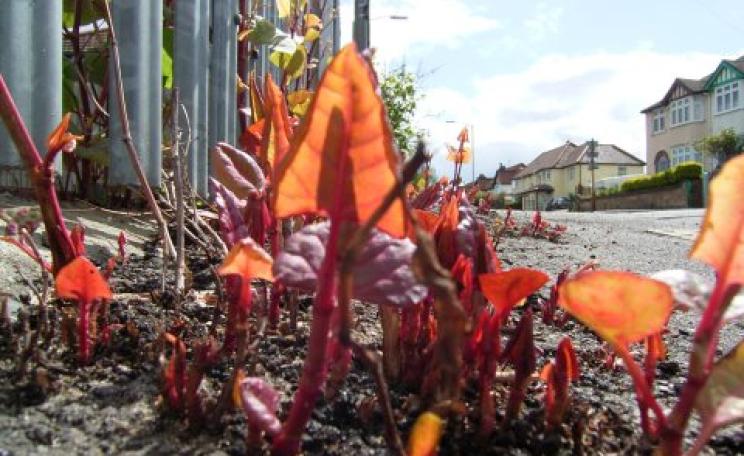
Since Japanese knotweed won a gold medal in 1847 as 'interesting new ornamental of the year', it has become far too much of a good thing, writes Kate Constantine. But could the oriental triffid be tamed following the UK introduction of a specialist pest from Japan's volcanic uplands?
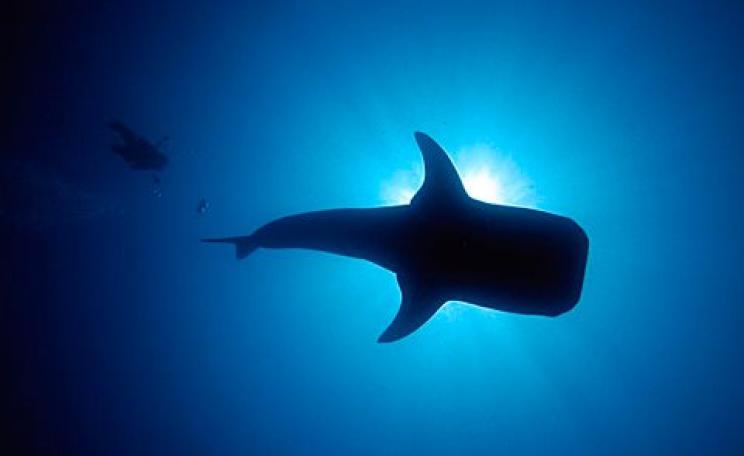
Scientific studies show that as carbon dioxide acidifies the oceans, sharks are less able to detect prey, and their chances of survival are reduced, writes Tim Radford - with serious consequences for ocean ecology.
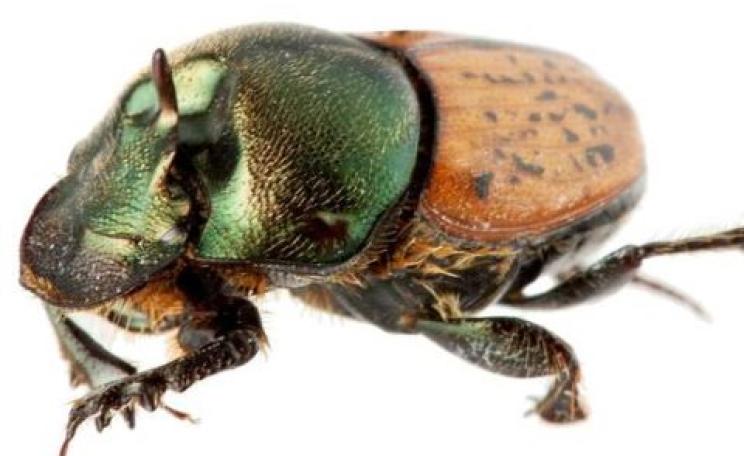
After rabbits, foxes, brambles and the cane toad, you would have thought Australia would have had enough of invasive exotic species, writes Jane Wright. Wrong! CSIRO scientists are introducing a French dung beetle, in the hope it will lead to fewer flies, improved soil fertility and structure, and greater carbon sequestration.
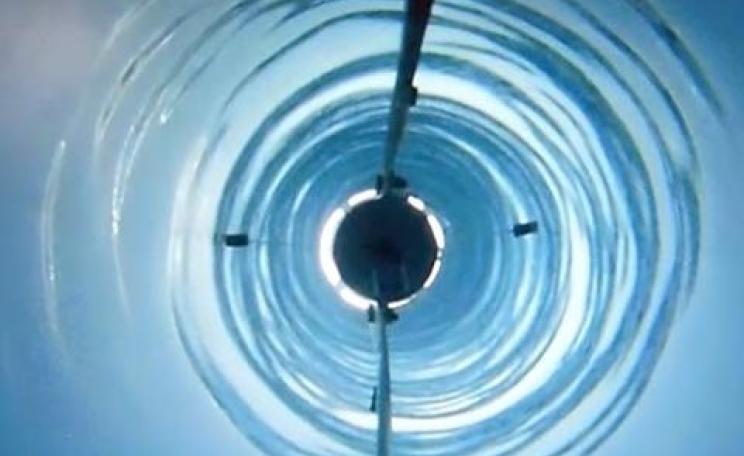
Beneath half a mile of ice scientists have uncovered the first hard evidence of a life in a subglacial lake, writes Helen Thompson. And not just life, but a complex ecosystem comprising thousands of microbial species. Could Jupiter's frozen moon Europa be hiding lakes like this?
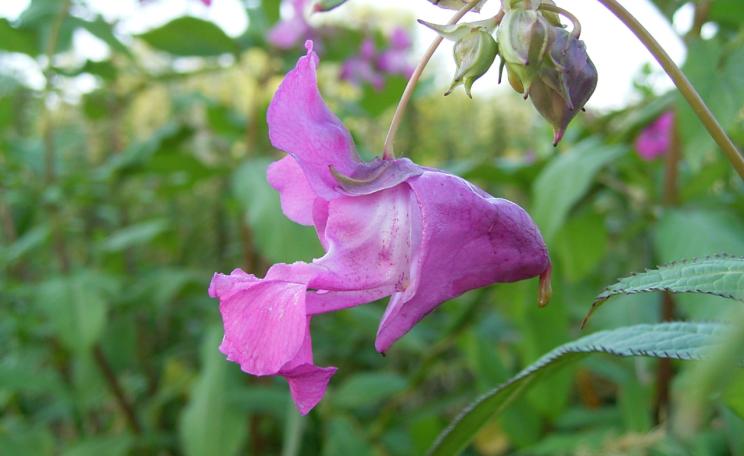
Even if you love Himalayan balsam, it has surely become too much of a good thing as it takes over Britain's wetlands and riverbanks. But now it's facing a major setback - the deliberate introduction of a parasitic rust fungus from its native range in the mountains of Asia.
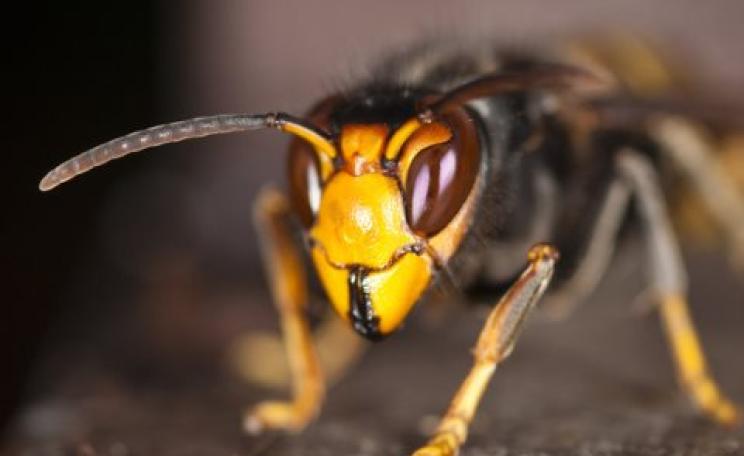
Mussels, crabs, hornets and ... racoons? Future invasive species are not what you might expect, write Jodey Peyton & Helen Roy. In particular, we have to beware of 'ecosystem engineers' that can transform the environment they inhabit, creating ecological havoc for other species.
Is the species that dwells peacefully within its habitat with respect for the rights of other species the one that is inferior? Or is it the species that wages a holy war against its habitat, destroying all species that irritate it? Paul Watson questions man's monopoly on advanced brain power, and finds a planet suffused with a far deeper intelligence than our own.
Long after Blue whales have ceased to be hunted, their numbers have failed to record substantial increases, writes Luke Rendell. Are ship strikes to blame? A 15-year scientific study says the answer may be yes - and advises moving California shipping lanes.
A new report on the Channel's fisheries is a timely reminder of the ecological trend to 'simplification' as whole trophic levels are stripped away by over-exploitation, writes Horatio Morpurgo. Yet the government's profit-focused vision of 'sustainability' is missing the essential element - allowing the recovery of marine ecosystems.
A study published today in Nature shows a strong correlation between concentrations of a popular neonicotinoid pesticide in water, and bird declines, writes Helen Thompson. Regulators are under pressure to tighten up, but the industry still claims there's 'no substantiated evidence'.
The US Fish and Wildlife Service has done pioneering conservation work to save North America's endangered Red Wolf, under threat from shooting and inter-breeding with coyotes. But now federal budget cuts are putting all that - and the Red wolf itself - at risk.
The widespread use of neonicotinoid insecticides is causing a neurotoxic overload afflicting entire farm ecosystems from earthworms to bees, other pollinators and birds, writes Damian Carrington. A collapse in food production may inevitably follow.
Intensive grouse shooting on England's uplands is doing huge damage to fragile ecosystems, writes Martin Harper - and to the 'protected' hen harrier. It's high time to bring this industry under control with a new licencing system.
As the Arctic warms and its ice melts, growing numbers freight ships are reaping big savings from the 'Arctic short cut'. But this is creating a huge risk of invasive species spreading in ballast water and on hulls - disrupting both Arctic and temperate ecosystems.