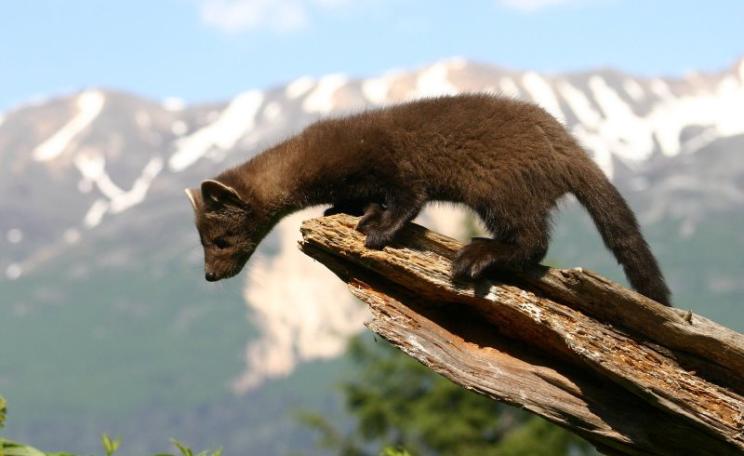
The return of pine martens to central Ireland has been followed by a resurgence of red squirrels, writes Emma Sheehy. Now that the predatory mammal is being seen south of the Scottish border, the same could happen in England. The heavier grey squirrel is easy prey for pine martens, and their demise could open up ecological space for the native red to recolonise.
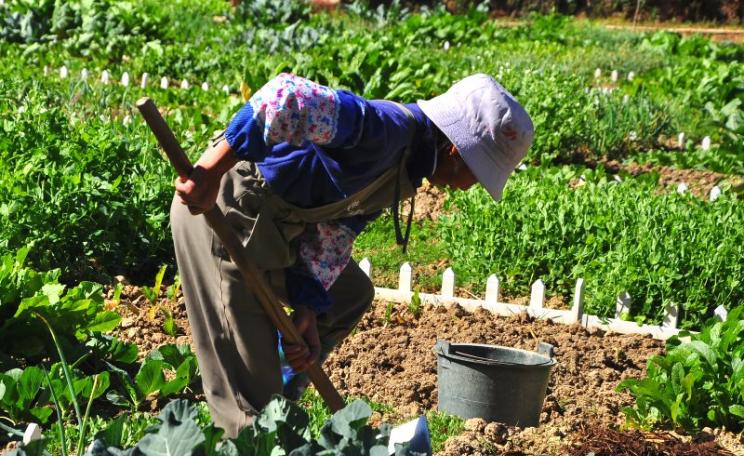
Farmers' first line of defence against pests is the ecosystem in and around their fields, write Jonathan Lundgren & Scott Fausti. With widespread or indiscriminate use of pesticides essential biodiversity is lost - and the result is more frequent and serious infestations, and a decline in food security.
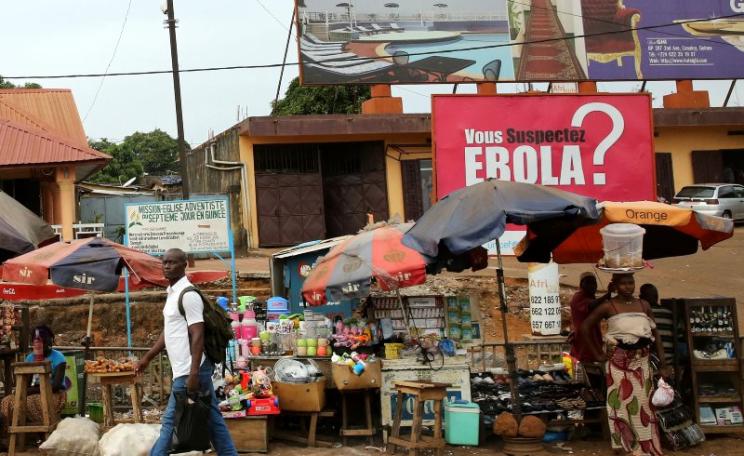
The outbreak of Ebola in West Africa had everything to do with logging, deforestation and the disruption of traditional agro-forestry by large scale industrial agriculture, writes Rob Wallace. The only long term solution to this terrible disease may lie in forest conservation, the restoration of agroecological farming systems, and the exclusion of agribusiness investment.
Rewilding is now firmly on the agenda, writes Paul Jepson, and that brings a huge opportunity to re-invigorate conservation. But we must look to creating new functional ecosystems for the future, rather than trying to recreate a lost and perhaps imagined past.
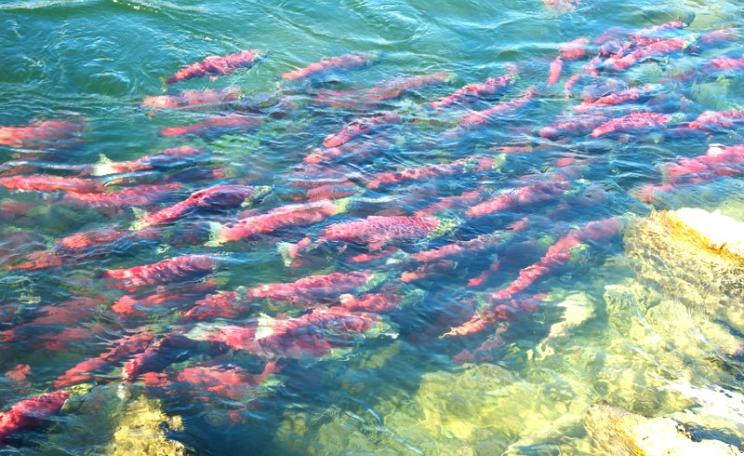
Does the Canadian Government actually want to wipe out its wild salmon? To ordinary, sane people, the idea is completely mad, writes Jeff Matthews. But for resource extraction industries, salmon farmers and right wing neoliberal politicians, it could make perfect sense.
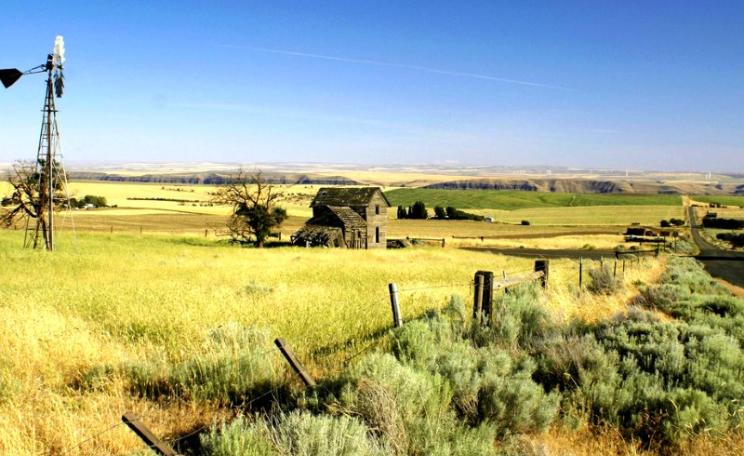
Civil war in Syria is the result of the desertification of the ecologically fragile Syrian steppe, writes Gianluca Serra - a process that began in 1958 when the former Bedouin commons were opened up to unrestricted grazing. That led to a wider ecological, hydrological and agricultural collapse, and then to a 'rural intifada' of farmers and nomads no longer able to support themselves.
Marine conservation is usually expressed in austere and negative terms, writes Alasdair Harris, with strict quotas and exclusion zones. But the truth is the exact opposite: it's about working with natural ecosystems to unlock their productive potential, creating sustainable wealth and abundance for fishing communities while enhancing marine biodiversity.
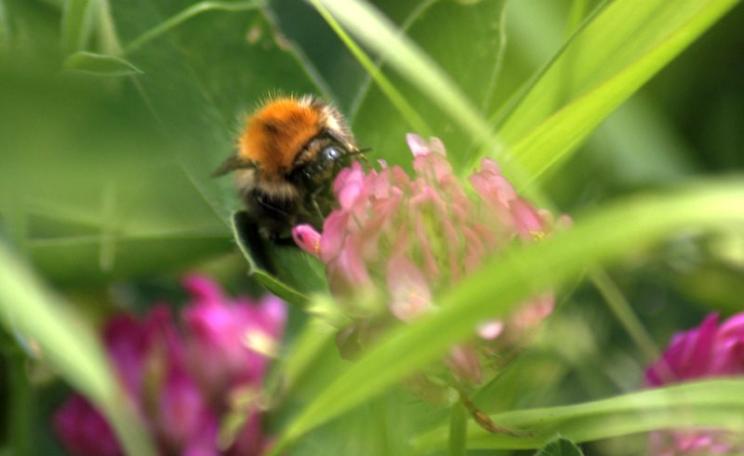
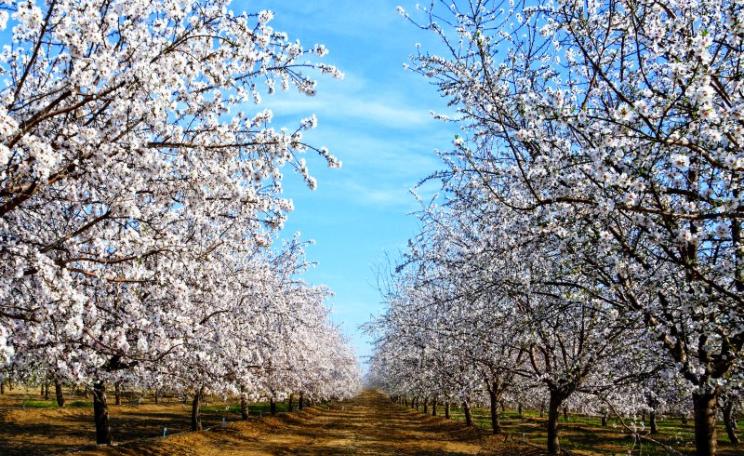
Our bees and wider farmland ecosystems have been seriously harmed by neonicotinoids, writes Dave Goulson. But that's just the start of the damage that modern farming is doing to wildlife in a countryside stripped of wild flowers and drenched by cocktails of pesticides. The problem is not just neonics, but the entire model of industrial agriculture.
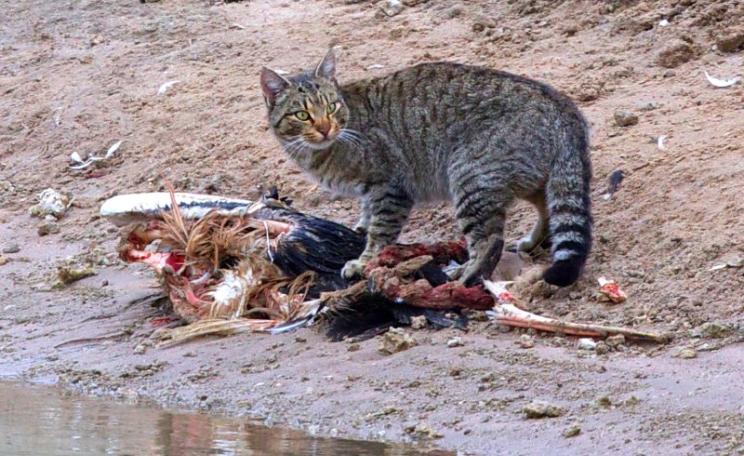
A study of feral cats in Tasmania shows that culling them to reduce their impact on native wildlife had a paradoxical effect - their population went up! If you can't take 'pest' animals out faster than they can reproduce and move in from nearby areas, writes Christopher Johnson, you're better off not bothering at all.
Industrial agriculture has become a prime driver of many of the world's most serious problems, writes Henrietta Moore: the loss of wild and farmed biodiversity, huge climate-changing emissions, and the entrapment of small farmers in ever-deepening cycles of poverty. But there is a solution: the widespread adoption of agroecological farming.
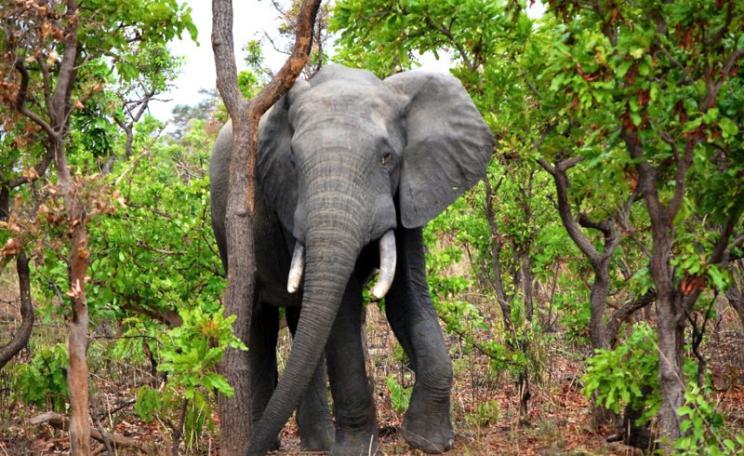
Most of the world's large herbivores - from elephants to gorillas, tapirs and sloths - are at risk of extinction, a new study shows. With most of these species in poorer countries, rich nations should dedicate substantial resources to their survival. But we must also lead by example - by reintroducing them ourselves.
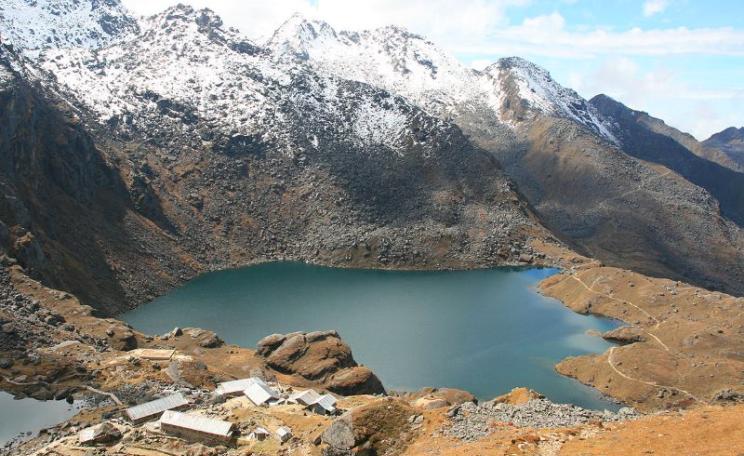
A spate of hydroelectric dam building in Nepal means that future earthquakes could send inland tsunamis flooding down the steep mountain valleys, writes Michael Buckley. Disaster was averted in last month's quake - a badly damaged dam was not yet filled. But despite the risks and the damage to river ecology, tourism and rural livelihoods, there's no sign of any policy shift.
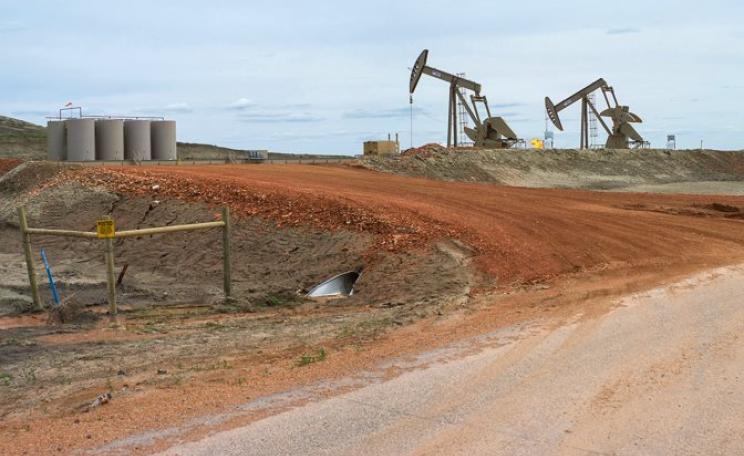
The fracking boom has caused massive vegetation loss over North America's rangelands, writes Tim Radford, as 3 million hectares have been occupied by oil and gas infrastructure and 34 billion cubic metres of water have been pumped from semi-arid ecosystems.
Bee 'colony collapse disorder' cannot be ended by easy technofixes, writes Allan Stromfeldt Christensen. The real problem is the systematic abuse of bees in vast industrial monocultures, as they are trucked or flown thousands of miles from one farm to the next, treated with insecticides and antibiotics, and fed on 'junk food'.
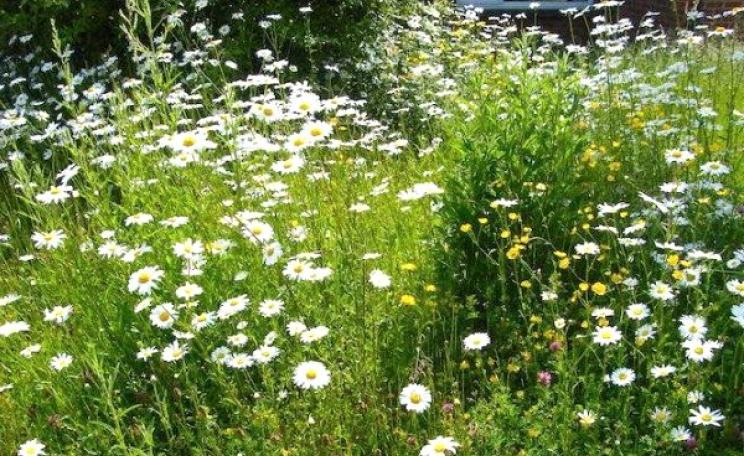
Decades of regular mowing left my front lawn looking bare and sterile, writes Jo Cartmell. But in fact, the exhausted, infertile soil made it the perfect place for a host of wild flowers to take up residence - some from planted seed, others blown-in, or from long buried seed lying dormant in the soil. And after that, the butterflies ...
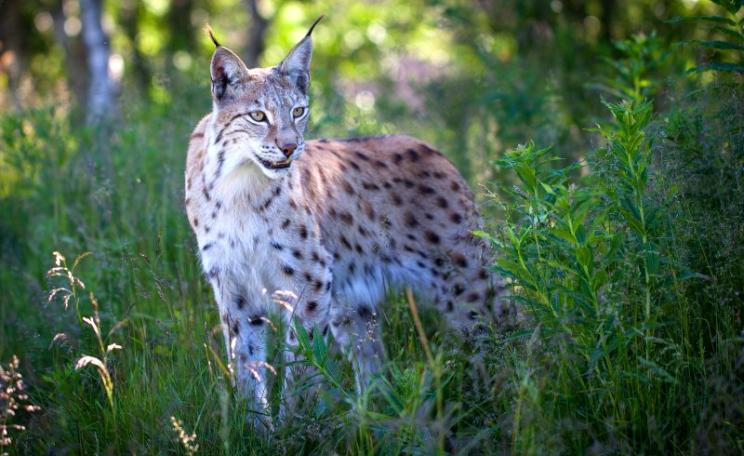
The return of the lynx to the British Isles could bring many benefits, writes Niki Rust, not least to the ecology of our woodlands, ravaged by too many deer. But we must not forget the human factor: livestock farmers may fear the arrival of a top-level predator, and their support will be essential to the success of any reintroduction.
As if melting ice in Polar bears' Arctic habitat was not enough, Norwegian scientists have found that organic pollutants such as pesticide residues are disrupting their thyroid and endocrine systems, adding a further threat to the species' survival.
Everyone in this society is caught up in the battle between two models of agriculture, writes Blain Snipsta - industrial agribusiness for profit, control and domination; and small-scale agroecological farming for good food, health, people and planet.
There's strong public support for protecting marine wildlife, writes Horatio Morpurgo - so why aren't politicians championing the cause? Labour and Tories alike fear to challenge the big fishing companies that have come to believe they own Britain's offshore waters and seabed. Now it's up to use to prove they're wrong.
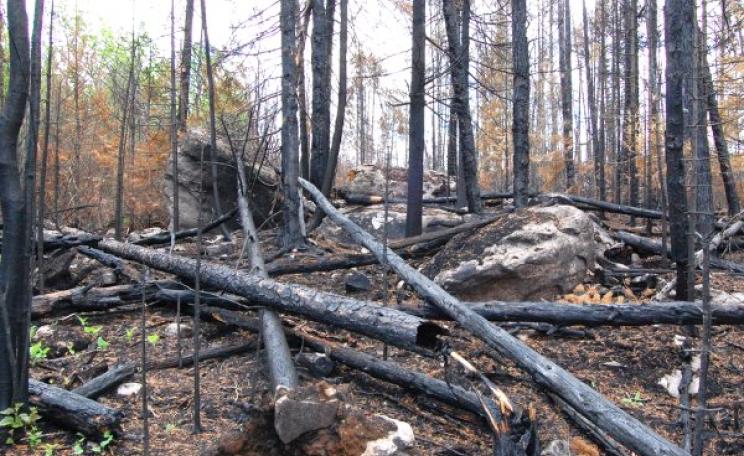
Fire is an essential part of the life-cycle of the forests of the American West, writes George Wuerthner, and the complex, biodiverse habitat that burning creates sustains hundreds of species that cannot survive without it. So please - no more talk of forests 'recovering' after fire - OK?
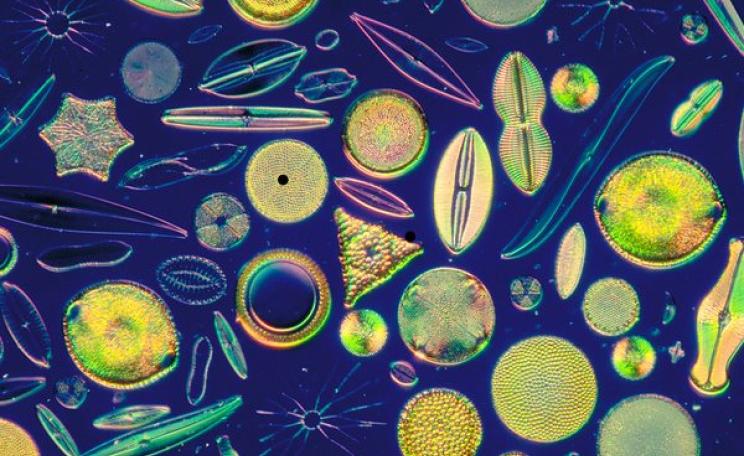
Increasing acidity in the Southern Ocean is slowing the growth of diatoms, reports Tim Radford. Why worry? Because these tiny plankton sustain essential marine ecosystems, and are highly effective at drawing CO2 down into the deep ocean.
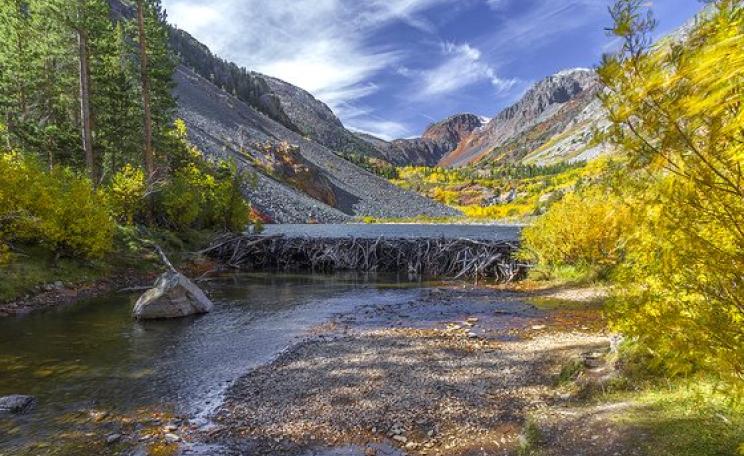
With California's wild Coho salmon populations down to 1% of their former numbers, there's growing evidence that beavers - long reviled as a pest of the waterways - are essential to restore the species, writes Maria Finn. In the process, they raise water tables, recharge aquifers and improve water quality. What's not to love?
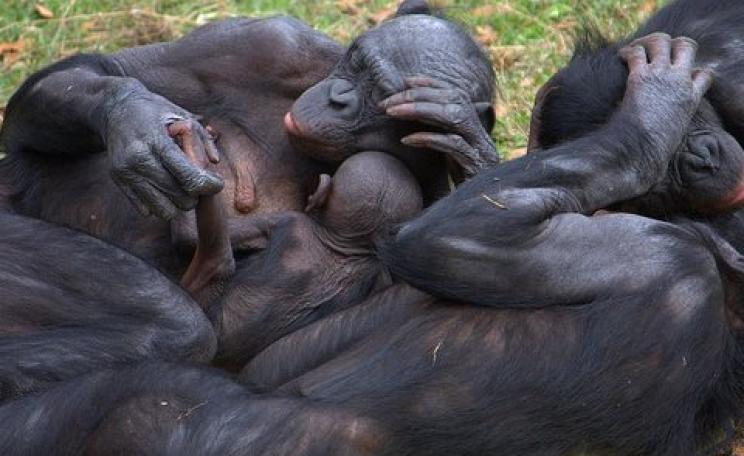
We humans have much to learn from our kissing cousins, the peaceful, empathic, playful, sensual and highly sexual Bonobos, writes Susan Block. Rather than play out the myth of ancestral 'killer apes', better follow the 'Bonobo Way', and extend our love to all living beings and Earth herself.
An exotic parasite is spreading through the world's honey bees and global warming is making it worse, writes Robert Paxton. A new study that shows it will soon be causing widespread colony collapse in North America and Europe.