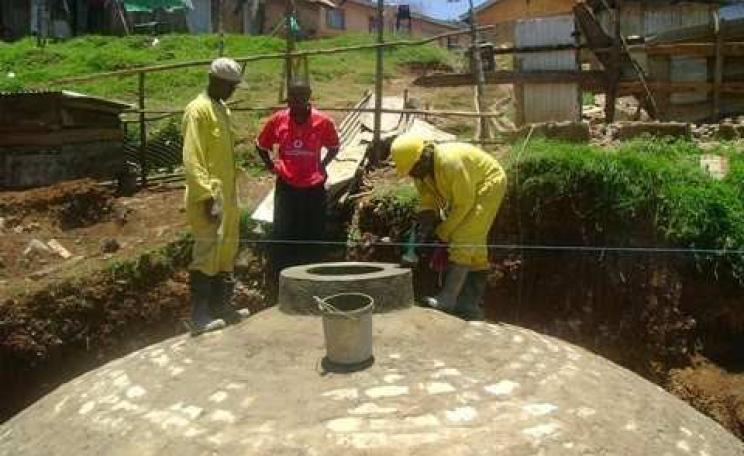
Biogas digesters are a key technology for global sustainable development, writes John M. Hawdon. They simultaneously combat parasites that infect a billion people, reduce deforestation and methane emissions, and deliver vital energy to rural communities.
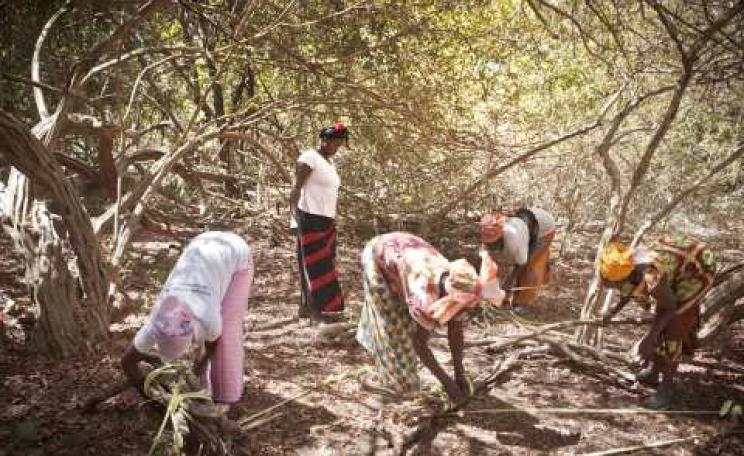
Civil war in Casamance, a forested area of Senegal, has been fought for 30 years, while an illegal timber trade has boomed amid the insecurity. Louise Hunt reports on how community forestry is bringing peace to the region - and restoring life to the forests.
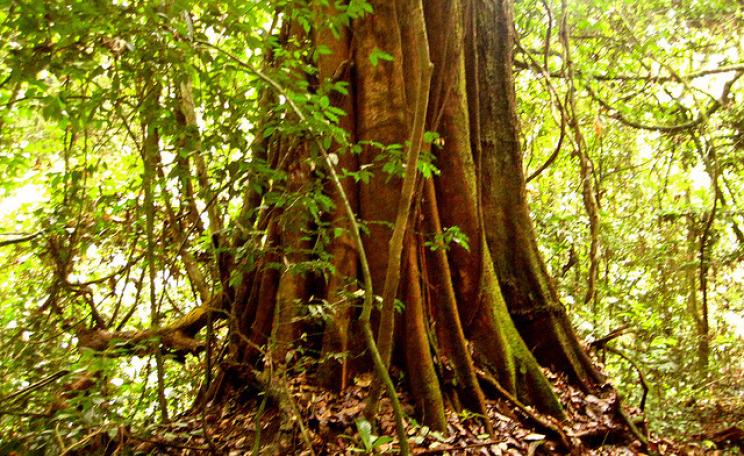
Scientists have found that the world's second greatest rainforest, the Congo, is losing its green, writes Tim Radford. As temperatures rise and rainfall reduces, the forest canopy is taking on a browner hue, and this could be an early signal of worse damage to come.
Deep in Ecuador's Amazon rainforest, a gigantic open pit copper and gold mine is planned in the heart of the Shuar peoples' territory. David Dene tells the story of a growing international campaign to uphold and defend the 'Rights of Nature', in Ecuador and beyond.
Six environment heroes, one from each continent, are honoured for their work today - fighting threats from giant coal mines to forest destruction, fracking, high dams, illegal development and toxic waste dumps. Sophie Morlin-Yron reports.
The US Forest Service is developing a new armory of aggressive and often illegal tactics to push through loss-making timber sales, as it brands forest defenders as 'eco-terrorists'. Time to dig in for the trees - and the wolves.
Tropical forests are valuable for their biodiversity, carbon and water functions even after logging. But they are also highly vulnerable to fire and conversion to other uses. A new focus is needed on saving tropical forests after the bulldozers have left.
Procter & Gamble has committed to use only 'no deforestation' palm oil by 2020. Greenpeace claims success for its campaign, focused on Head & Shoulders shampoo.
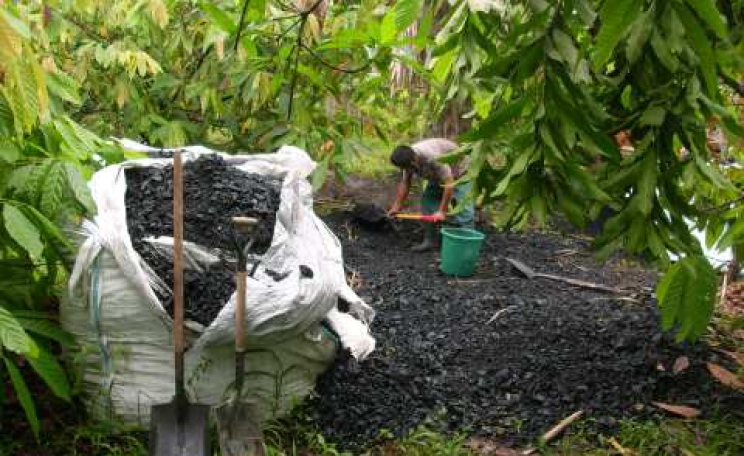
New research shows that biochar in soil strongly stimulates plant growth, more than doubling yields. However the extra growth may come at the cost of reduced plant defences against pests.
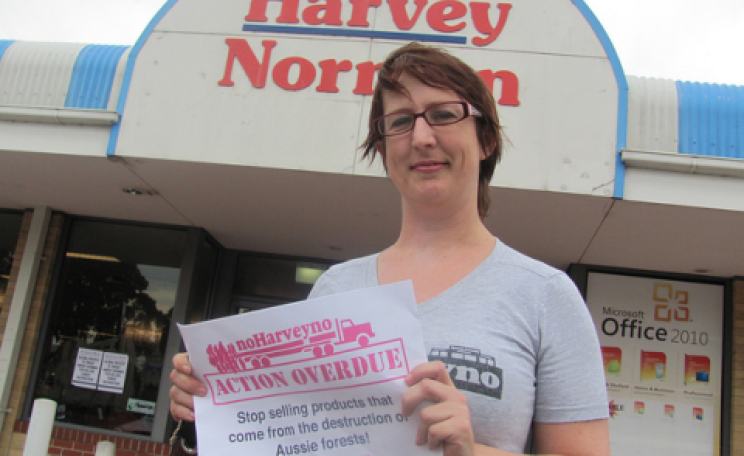
In a radical departure from it's 'pro free speech' rhetoric, Australia's 'Liberal' government wants to ban environmental boycotts. But as Bill Laurance writes, eco-boycotts are not only an effective tool for reining in corporate excesses - they are also a key democratic right.
It's your chance to choose who's the worst of the six Big Biomass Baddies - the companies making a killing from burning forests in power stations. And please join us at the 'Biomess' Awards ceremony on Weds 9th April in London.
The world's two largest clothing brands are among those that have just commited to eliminate pulp from ancient and endangered forests from all of their rayon and viscose clothing.
A few hours from Melbourne lies one of Australia's natural wonders - a soaring forest of Mountain Ash trees up to 90 metres tall, with a host of endangered species. David Lindenmayer demands a halt to the logging, and the creation of a new National Park.
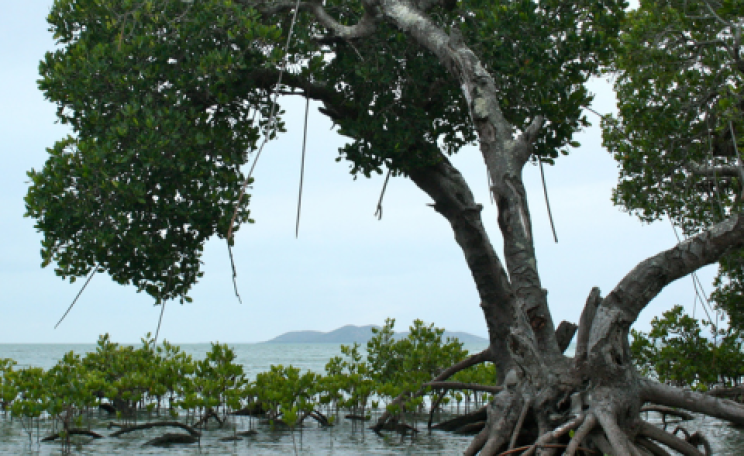
As the IPCC prepares to launch its latest climate report, Mark Spalding reports that mangrove swaps don't just protect coastlines from storms, flooding and erosion - they also sequester huge tonnages of carbon. And that makes them a super-smart investment ...
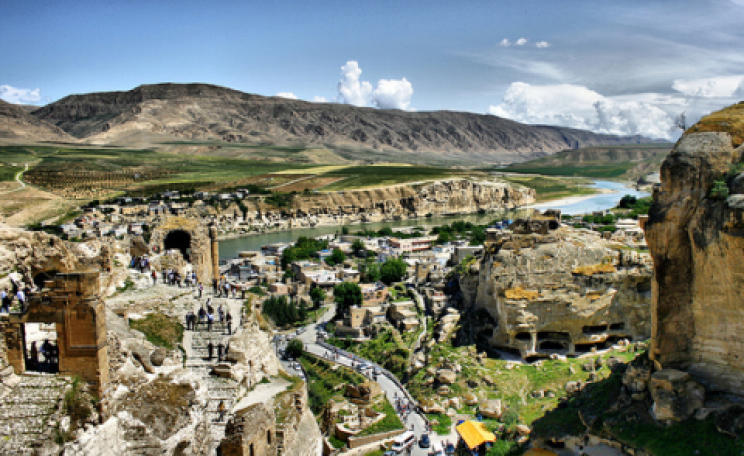
Turkey's Gezi Park protestors are finding common cause with Kurdish communities, writes Rosa Wild. Both are suffering from Erdogan's annihilation of land, forests, parks and cities in pursuit of economic growth. A new eco-democratic resistance is taking root.
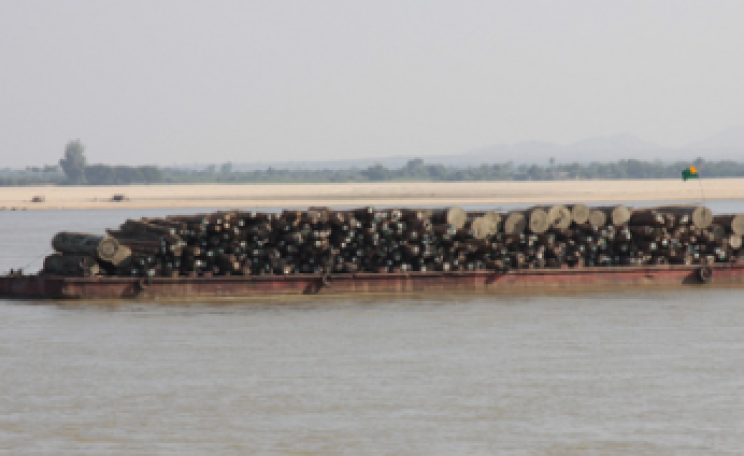
New analysis of Burma's forestry and trade data points to a multi-billion dollar illegal logging and exports black hole - indicating widespread criminality and official corruption.
Food - and the land we grow it on - are much too important to be left to 'free' markets, writes Olivier De Schutter. And all the more so when those markets are not really free at all, but grossly distorted in favour of the rich.
From now on General Mills, a major US food conglomerate, will buy only palm oil that does not contribute to deforestation or the loss of high carbon tropical peatlands.
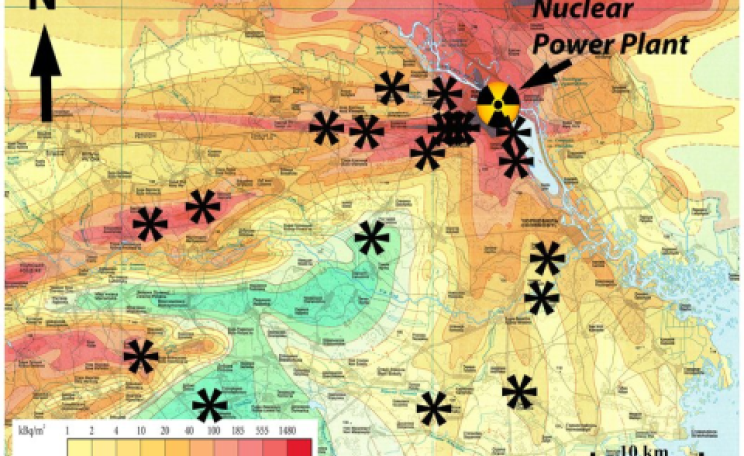
It's not just people, animals and trees that suffer from radiation at Chernobyl, writes Rachel Nuwer, but also decomposer fungi and microbes. And with the buildup of dead wood comes the risk of catastrophic fire - which could spread radiation far and wide.
The tree-clad hills of Spain's Sierra de Huelva retain their beauty, wildlife and traditions, writes Jan Nimmo, who has speant a decade exploring the area on horseback. Just one thing is missing: the throngs of people that once inhabited and managed the land.
A new 'carbon grab' is under way as governments and corporations seize valuable rights to the carbon stored in standing forests, with UN and World Bank support. But there's no benefit for forest communities - who even risk expulsion to make way for 'carbon plantations',
Beijing is to plant trees over an area 200 times the size of Central Park in the city's latest effort to neutralise its choking pollution. But Jun Yang asks - how much will the trees really help, unless accompanied by drastic reductions in emissions?
In principle ancient woodland enjoys strong protection, but that's not how it works out on the ground, reports Sian Atkinson. HS2 alone threatens 82 ancient woods, and 440 are at risk nationwide. Hence the Woodland Trust's 'Enough is Enough' campaign ...
We need a robust and open system to accurately record the loss of ancient woodland, argues Mike Townsend. Only then can we fully realise the scale of the problem - and tackle it effectively.