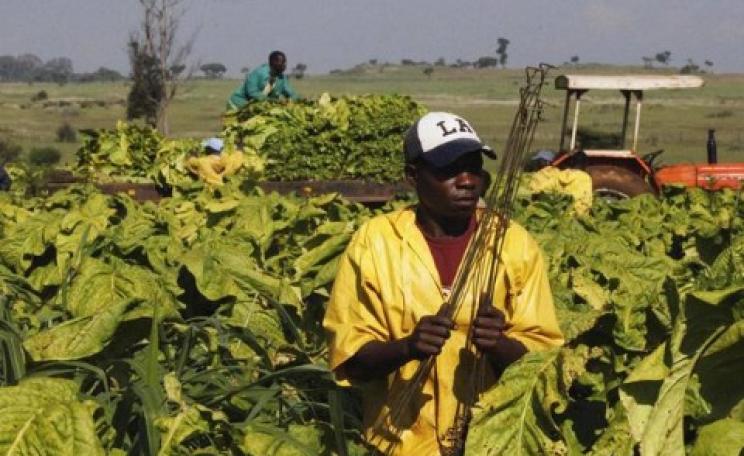
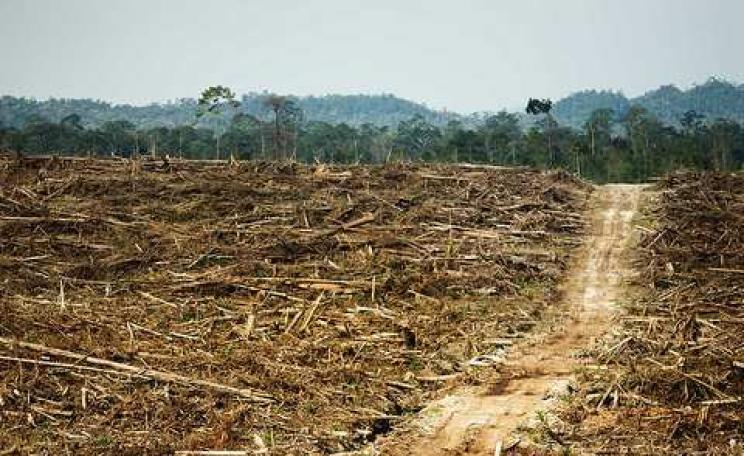
A flood of smallholders that have benefited from Zimbabwe's land reform are turning to tobacco as their crop of choice, reports Ray Mwareya. But the economic gains are coming at a terrible cost - the accelerating destruction of the country's forests.
A failure to act to reduce the impacts of climate change could cost Europe almost €200 billion and 200,000 lives a year, writes Tim Radford. These 'conservative estimates' are published in a new European Commission study.
Networks of recycled smartphones are powering a crack down on illegal logging and poaching, writes Alex Kirby. The technology will help combat devastation of trees and wildlife in threatened habitats worldwide - beginning with Africa.
Russia is rich in nature reserves and national parks, writes Mikhail Kreindlin. But the government body meant to be protecting them is in fact promoting logging, building and mining projects. Conservationists are fighting back, but the odds are stacked against them.
Massive dams in Sarawak, Malaysia, threaten to flood over 2,000 square kilometers of the world's oldest rainforests, displace 10,000s of indigenous people, and aggravate climate change, writes Amanda Stephenson - all to generate electricity that no one wants.
A Sussex-based forest gardening project has overcome adversity to celebrate its 20th anniversary, writes Jan Goodey. And now it features one of the most eco of eco-builds in Britain, using all local timber, clay, straw ... and wine bottles.
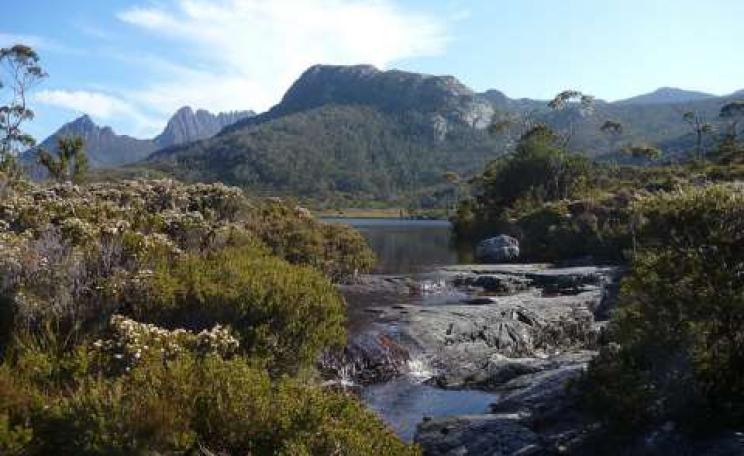
UNESCO has refused to 'de-list' 74,000 hectares of the Tasmania Wilderness World Heritage Area as requested by the Tasmanian and Australian governments, following a 'feeble' presentation.
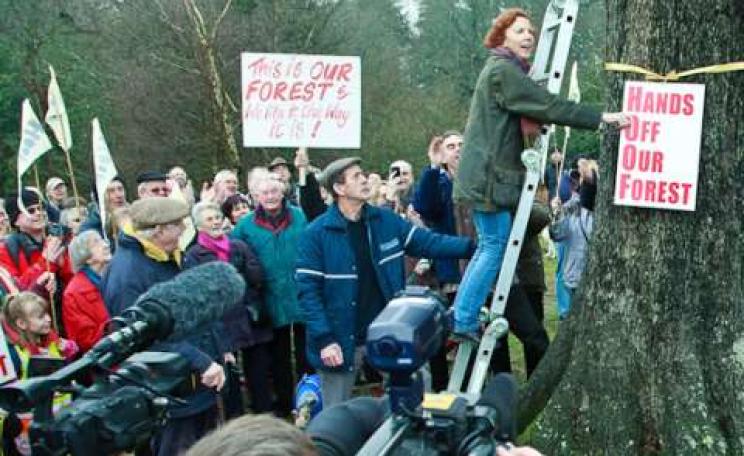
First the Government failed to include a Forests Bill in its legislative programme, writes Owen Adams. Next, campaigners spotted that the Infrastructure Bill enables a wholesale selloff of public lands. Just how safe are Britain's public lands and forests?
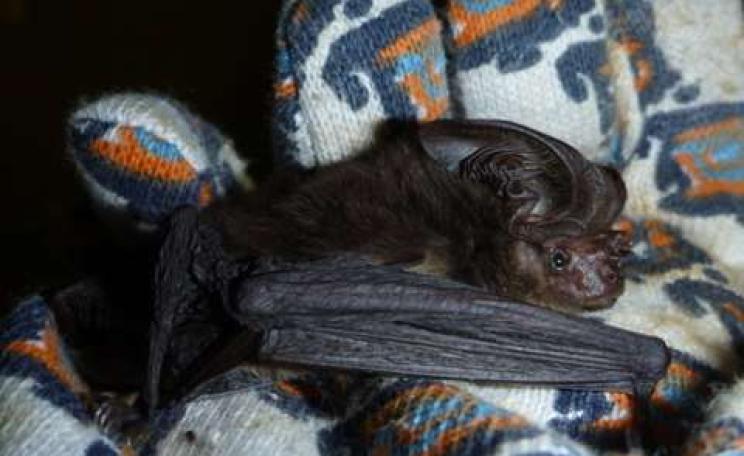
A 'microbat' that has remained unrecorded since 1890 has been discovered in Papua New Guinea. But with the country's forests under growing pressure from logging and for conversion to plantations, this and thousands of other biological treasures are at risk.
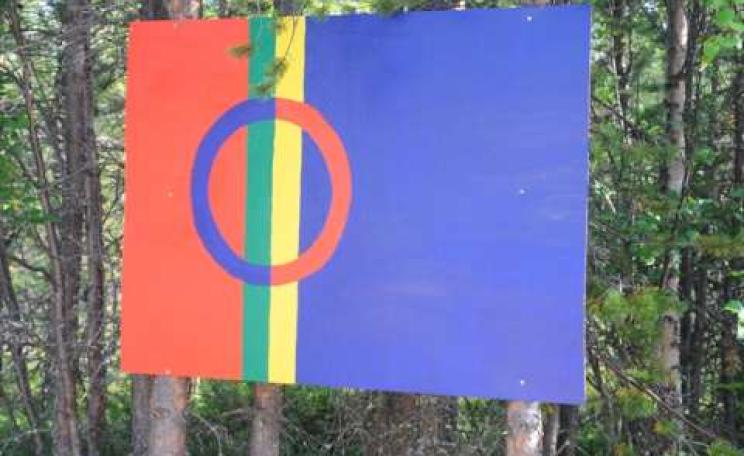
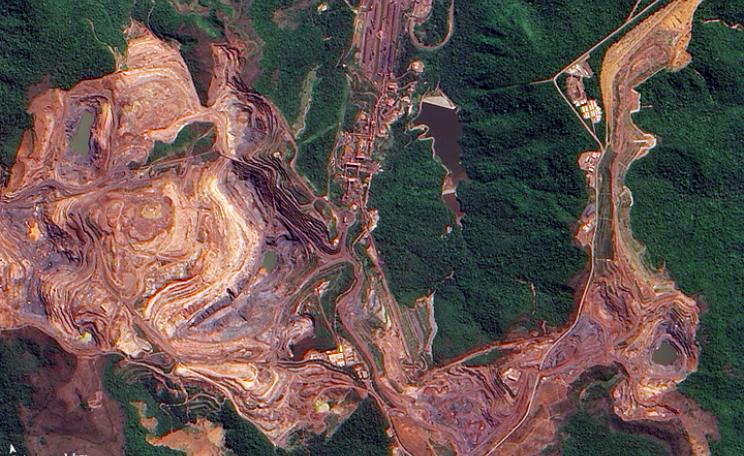
A remote corner of Sweden's Arctic forest has become a battleground, writes Alex Forss, over proposals for a huge iron mine that would occupy a key reindeer migration route. And with their cultural and economic survival under threat, it's a battle the Sami cannot afford to lose.
Oil company Soco International is suspending all operations in Virunga World Heritage Site - Africa's oldest national park. It has also committed to keep out of all other UNESCO World Heritage Sites.
What do the Australian Environment Foundation, the Renewable Energy Foundation and the Global Warming Policy Foundation have in common? They are all fiercely anti-environment, writes William Laurance - and we must beware their 'eco-doublespeak'.
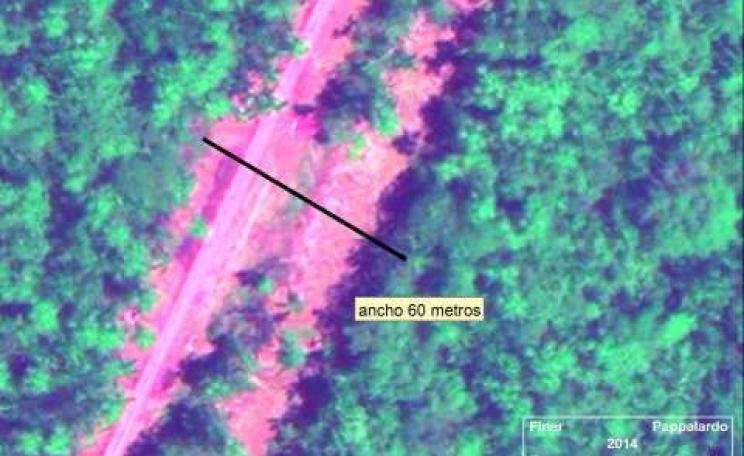
Ecuador's state oil company PetroAmazonas has, in secret, built a road deep into the heart of the world-famous Yasuni National Park in Ecuador's Amazon rainforest, writes David Hill - violating promises and threatening uncontacted indigenous tribes.
A new and deceptively sophisticated installation is about artists, audience and nature itself connecting in real time, writes Laurence Rose, who visited a Living Symphony in Thetford Forest.
A unique community purchase of Forestry Commission land in the Highlands will see native Caledonian pinewoods re-established over 1086 hectares of commercial conifer woods planted in the 1970s, complete with relict ancient pines.
There's two billion hectares of land around the world crying out to have their tree cover restored, writes Katie Reytar. But where to begin? Here's seven countries that offer huge reforestation opportunities - and every one of them will take you by surprise ...
The New Sylva is a worthy successor to John Evelyn's original of 1644, writes Colin Tudge, with superb line drawings and a text that looks more to the future of Britain's trees, than their past. A book for ladies, gentlemen, 'meer woodsmen' and 'ordinary rusticks' alike.
Wilderness campaigners need to remember how great victories were won in the past - which was to aim high and hold steadfast, refusing easy compromises, writes George Wuerthner. Opposition must be overcome, never appeased.
Multinational paper and palm oil companies are rushing to declare 'zero deforestation' policies. It looks like a huge victory for the rainforests and forest peoples, but Peter Gerhardt asks - what is a no-deforestation promise really worth?"
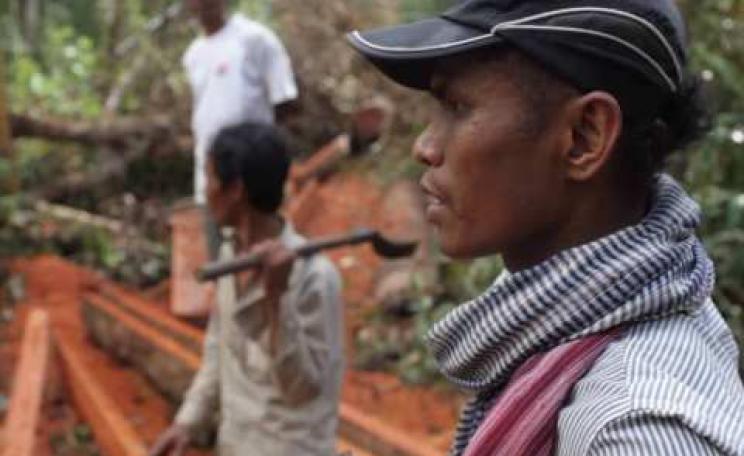
Cambodia's rainforests are facing destruction from clearance for plantations, and an illegal trade in precious timber, reports Fran Lambrick. Local people who depend on the forest have proved to be its most effective guardians - but they need external support.
The Amazon basin faces 'ecosystem collapse' according to a new report about hundreds of major dams and other mega-projects planned for the region - home to the world's greatest rainforest. David Hill reports.
Talis Kalnars was a pioneer of 'continuous cover' forestry in Britain, writes Phil Morgan. His woodlands were not only beautiful but profitable, as he nurtured the 'natural capital' of the forest ecosystem, and only harvested the dividend of high value timber.
Precious Siamese rosewood has been illegally logged to the brink of extinction in the Mekong region to feed a voracious demand for luxury furniture in China which leaves a bloody trail of death, violence and corruption in its wake.
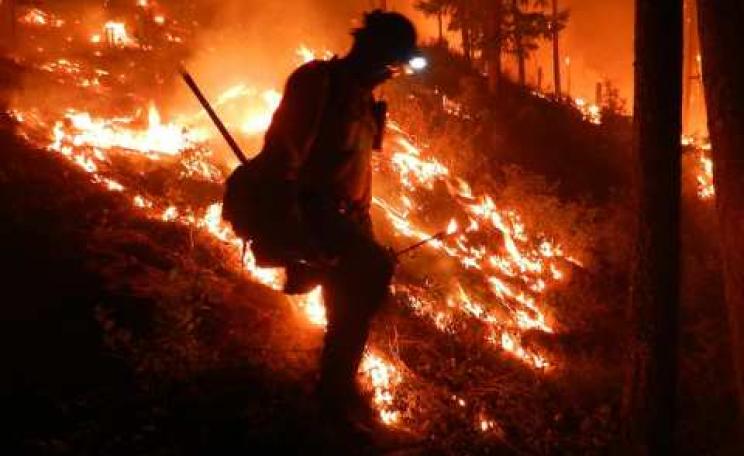
Forest fires are invariably portrayed as fiercely destructive environmental calamities. But for the native forests of the American West, large fires are essential to ecological renewal. Contrary to the mantras of logging companies and forest service officials, we suppress them at our peril.