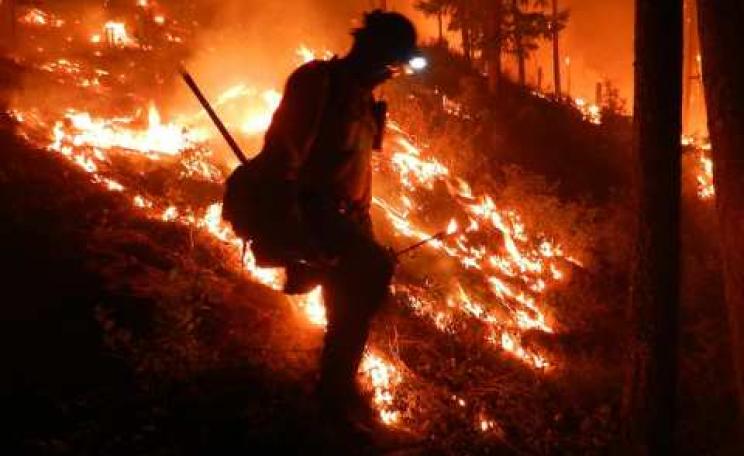
As the forest fires burn on in the western US, writes Kieran Cooke, a new report predicts that climate-led temperature rise will lead to millions more acres across the world being burned to the ground, especially in southern Europe and Australia.
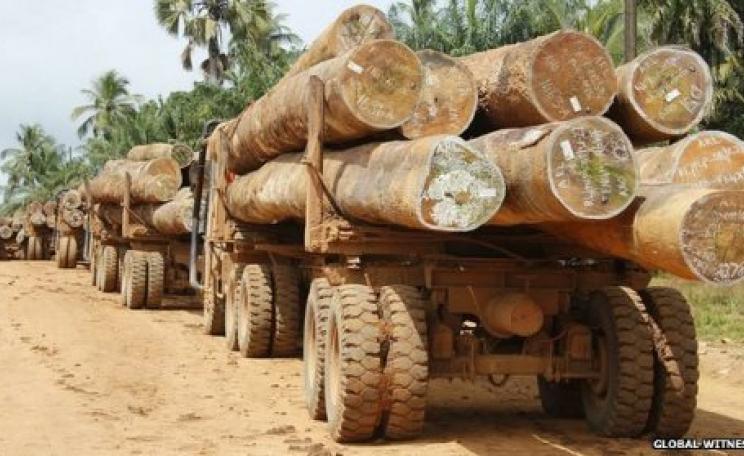
Film maker Fran Lambrick was there to record Cambodian forest defender Chut Wutty's burning of a store of illegal logs. But she didn't expect to be filming an attempt on his life. Five months later, Chut was murdered in a remote logging camp. But his beliefs live on in an extraordinary film.
The eviction of Kenya's Sengwer forest people in a World Bank financed project was a failure of the Bank's duty to protect indigenous people, according to an internal report. The Bank's directors are to decide on how to respond today - but if they follow their own management's advice, the evictions will continue.
At the New York Climate Summit, an international agreement has been struck to halve, then end deforestation around the world. It has the support of major forest countries, multinational corporations, forest campaign groups and indigenous peoples.
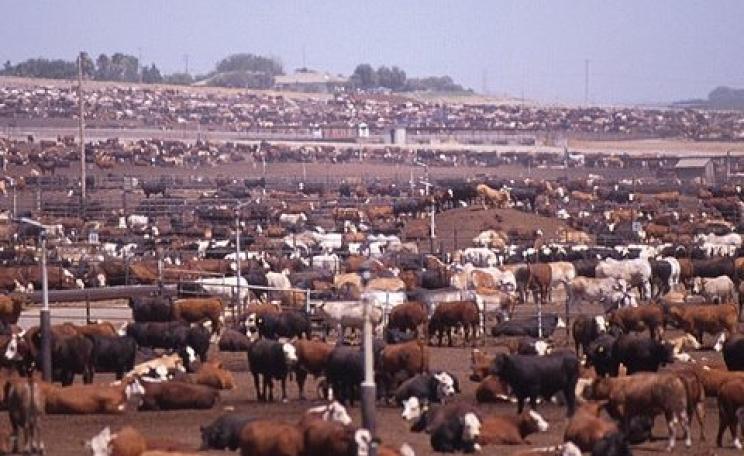
As millions join in climate marches and other actions around the world, writes Ronnie Cummins, the 'mainstream' focus on energy is missing the 55% of emissions that come from mismanaged land and destroyed forests. The key is to replace industrial agriculture worldwide with productive, regenerative organic farming that puts carbon back in the soil.
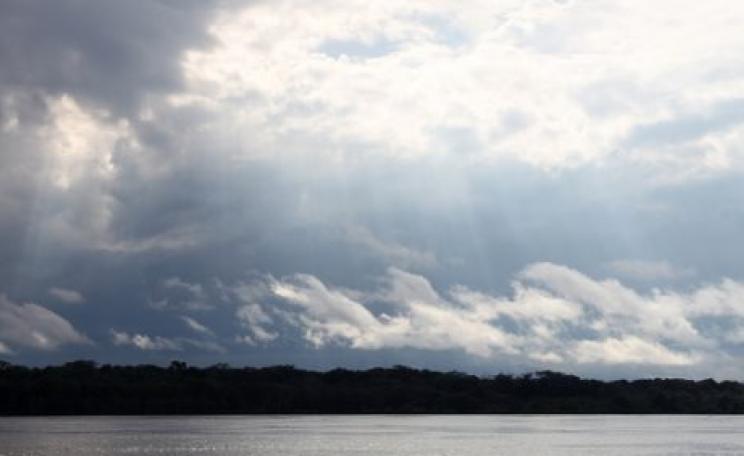
The Amazon forest both depends on, and sustains, vast 'flying rivers' that carry humid air and clouds deep into the continental interior, writes Jan Rocha. But scientists fear the flying rivers are failing due to deforestation, fire and climate change.
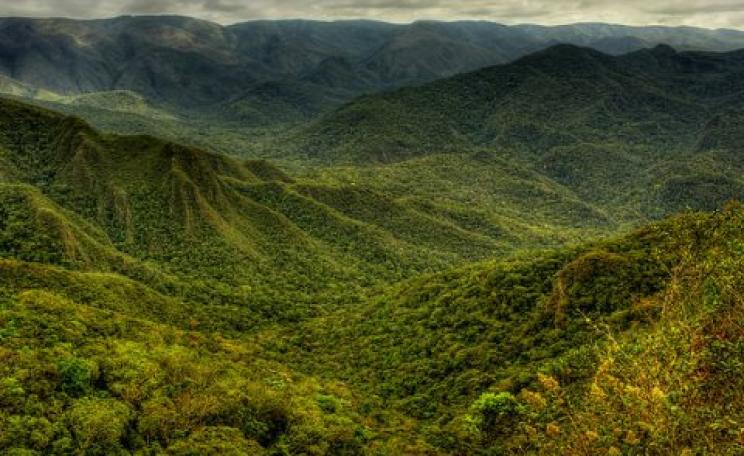
As Brazil prepares for elections next month, conserving its remaining Atlantic Forest is a hot issue, writes Cristina Banks-Leite. Ecologists want to preserve more native habitat, while farmers want to expand their acreage. But there is one solution that ought to please everyone.
Four Indian leaders who have opposed illegal logging in their forests have been shot dead in eastern Peru as they traveled by boat to an indigenous meeting in Brazil. The murders followed pleas to Peruvian authorities for protection, and warnings by Brazilian officials that the Indians were in extreme danger.
With the EU projected to source most of its 'renewable' energy by burning biomass, its policies are leading to widespread land-grabbing and forest destruction, writes Oliver Munnion. And because many of the biomass projects are purely speculative, 'sustainability standards' will do little or nothing to improve practice on the ground.
The global construction industry is dominated by steel and concrete, writes Dirk Hebel - but it doesn't have to be that way. There's a strong, fast-growing, climate-friendly, sustainable material ready and waiting. Bamboo could be the basis of a whole new 'green' building industry, that also provides abundant rural livelihoods.
Roads are responsible for massive environmental damage around the world, writes Bill Laurance - yet they also bring huge benefits. His solution? A new atlas that shows where the 'goods' of roads outweigh the 'bads', so that developing countries can harness the prosperity new roads can bring, without the destruction.
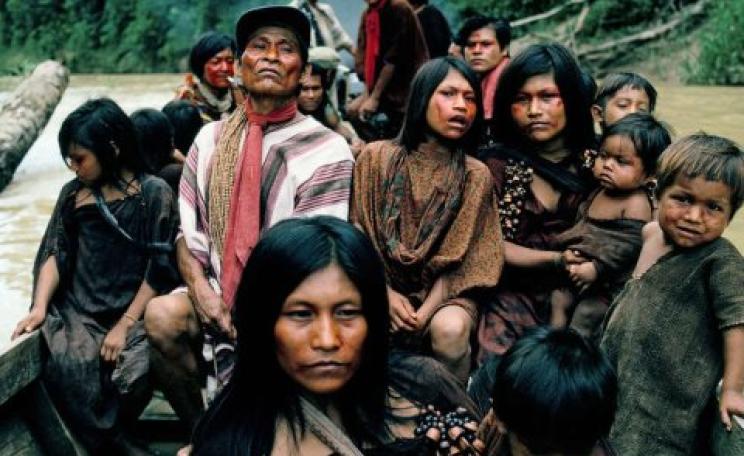
Survivors of a previously unknown Amazon tribe have escaped gunmen in Peru, seeking refuge with settled indigenous communities in Brazil. But as Alice Bayer reports, their problems are far from over. Many remain under threat in Peru, and even the refugees are at risk of common but potentially lethal infections.
The plight of Kenya's Sengwer people shows that carbon offsets generated by 'sustainable' forest management are empowering a corporate recolonisation of the South backed by the World Bank against its own guidelines, writes Nafeez Ahmed. Indigenous forest peoples are at risk of genocide while corporations let rip.
A second canal joining the Pacific and Atlantic oceans is planned for Nicaragua, writes Nathan Wood. But the gigantic project is raising growing fears due to a grossly unfair contract, glaring failures of process, close links to the Chinese government, and its enormous - but uncosted - ecological impacts.
Trees in cities make us feel happier and more relaxed, writes Pat Thomas, but that's only the beginning of the benefits they confer. They also reduce air pollution, levels of asthma and other respiratory problems, and lower healthcare costs by $7 billion in the US alone.
The World Bank's 'Tropical Forest Action Plan' was an abject failure, writes Chris Lang. Now the same mistakes are being repeated under a new acronym. TFAP is out, REDD is in - but it's still all about corporate control of forests, and blaming deforestation on its victims.
Pakistan is already experiencing a pattern of devastating flood and drought brought on by climate change and deforestation, say the country's top climate scientists. Yet the government has failed to either tackle the problems, or prepare for future disasters.
Plans to crack down on endocrine disruptors and illegal timber were buried by the outgoing President of the European Commission, José Manuel Barroso and his secretary-general Catherine Day - while undermining action on climate, renewables and energy efficiency.
An ecological project has taken root on an abandoned olive grove outside Ramallah. As well as restoring the land itself, its deeper aim is to nurture the ancient links between the Palestinian people and nature, and rebuild a culture of steadfastness in the soil of their native country.
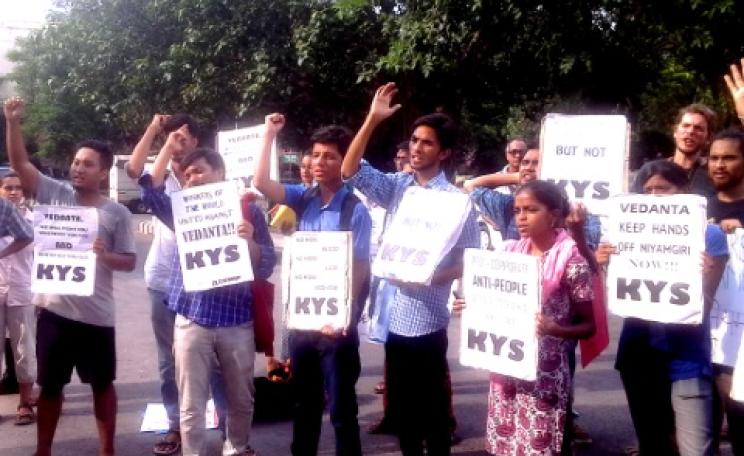
Students, workers and civil rights activists gathered in their hundreds today in Delhi to protest at the mining company Vedanta, and the Indian government's support of highly destructive mining projects in forests and on indigenous peoples' lands.
As gold miners face eviction from Yanomami territory in the Brazilian Amazon, a rising tempo of death threats have been directed against the shaman Davi Kopenawa following his successful campaign.
Since the 1980s Cambodia has lost 84% of its primary forests, and the remote Cardamom mountains are the country's last great natural treasure, writes Rod Harbinson. Just the place for grandiose dam projects? 'No way!" say indigenous people and young eco-activists.
Forest-dwellers in Buriram province involved in a land dispute with the Thai government have been forcibly evicted, intimidated, arrested, held without charge, and dumped on a site unfit for human habitation with no water supply.
Surging Chinese demand for rosewood used in 'hongmu' furniture is ruining forests across southern Asia, writes Zuzana Burivalova. As demand surges, China must impose stricter regulations and harsher punishments or the forests may never recover.