Scientists in the US have established that chemicals used in fracking to extract gas and oil could represent health and environmental hazards, writes Tim Radford. Among the greatest hazards: biocides and corrosion inhibitors.
When the US's biggest ever coal ash spill buried 300 acres of waterfront property in a white, middle class suburb, the waste was treated as a toxic hazard. But by the time it reached Uniontown, a black community in Alabama, that was all forgotten. Now they are fighting back.
How do we spur more microgrids powered by renewable energy? Deregulate, writes Bill Watkins, ending the monopolies enjoyed by centralized energy companies. The alternative is to keep consumers and micro-generators stuck with the energy equivalent of the 'Princess' phone.
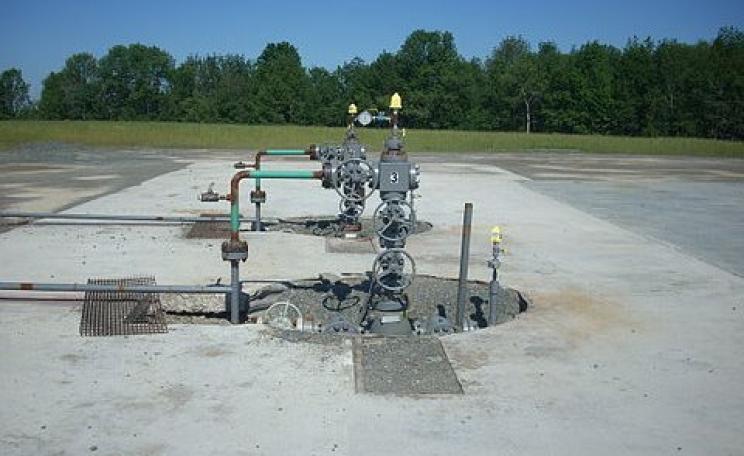
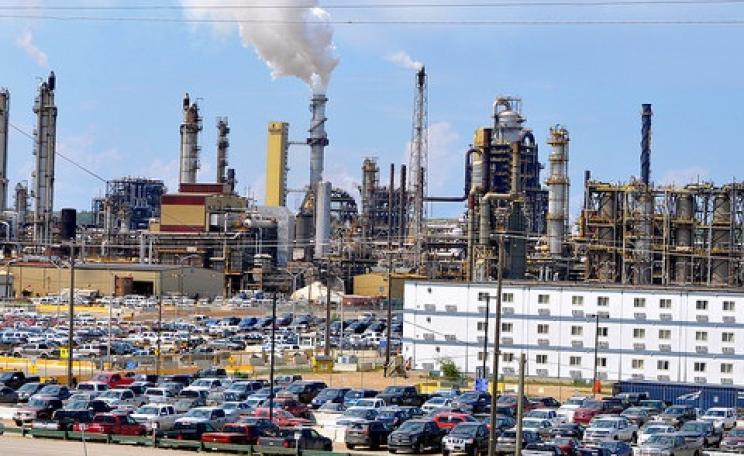
Among the risks of fracking are fragmentation of wildlife habitats, groundwater depletion, surface water pollution. The risks are compounded by a failure among companies and regulators to record or disclose essential information - from the chemicals used, to the time and place of toxic spills.
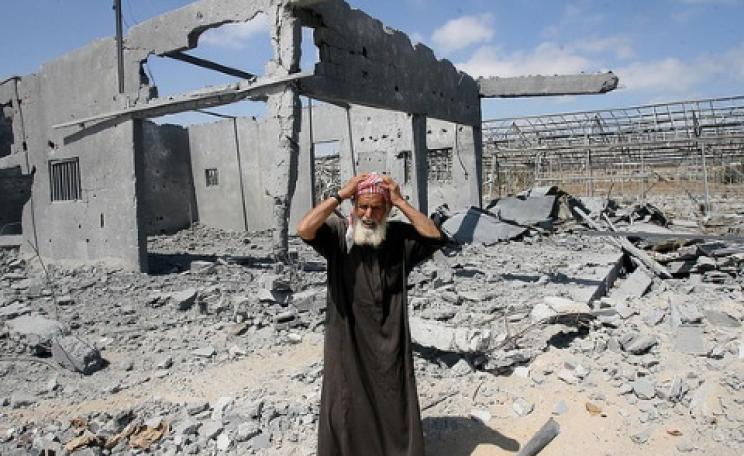
As Israel pursues its war on Gaza with ever-increasing ferocity, and with 25% of Gaza's people forced from their homes, what's the final objective? It's unthinkable that Israel's aim is to 'cleanse' the territory of its people, seize its vast gas reserves, and annex some of the Med's hottest real estate. Isn't it?
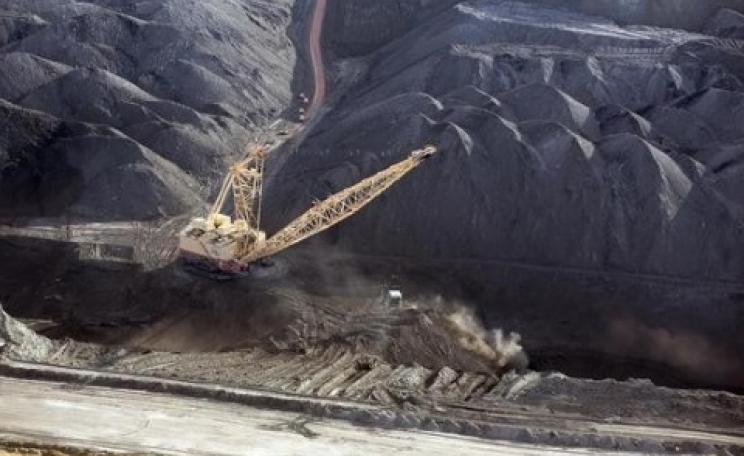
A massive expansion of coal leasing by the US's Bureau of Land Management will release tens of billions of tonnes of carbon to the atmosphere, a new Greenpeace report reveals - completely at odds with President Obama's stated climate objectives.
The UK has just opened a bidding round for fracking licences. But the rules contain only weak protections against fracking in National Parks and AONBs - and none at all for even the most important wildlife sites and drinking water aquifers.
Israel desperately covets Gaza's gas as a 'cheap stop-gap' yielding revenues of $6-7 billion a year, writes Nafeez Ahmed. The UK's BG and the US's Noble Energy are lined up to do the dirty work - but first Hamas must be 'uprooted' from Gaza, and Fatah bullied into cutting off its talks with Russia's Gazprom.
The EU's Fuel Quality Directive is set to be the first casualty of the TTIP trade talks, writes Derek Leahy. Canada and the US have threatened to pull out unless the EU ignores the massive emissions of oil from tar sands - and the EU is collapsing under the pressure.
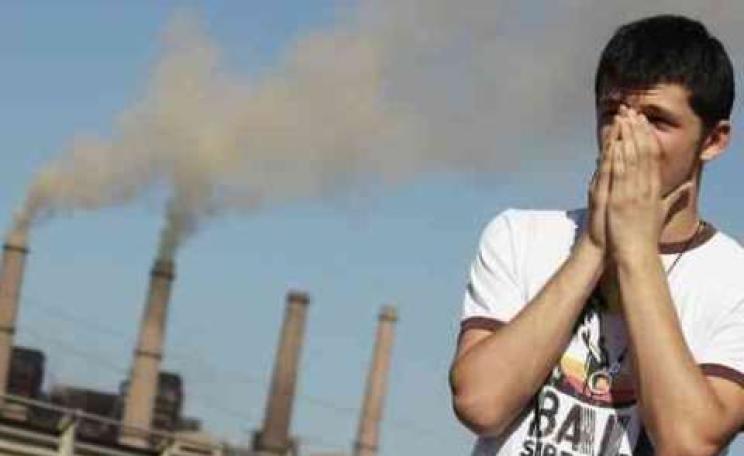
A new report names the 30 biggest sources of greenhouse gases in the EU, writes Kieran Cooke. Coal-fired power plants are undermining Europe's long-term targets on emissions reductions - and the UK and Germany lead the list of shame.
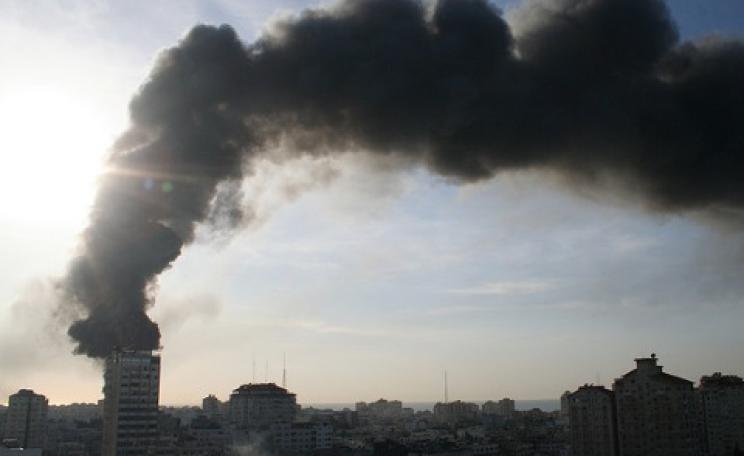
Never mind the 'war on terror' rhetoric, writes Nafeez Ahmed. The purpose of Israel's escalating assault on Gaza is to control the Territory's 1.4 trillion cubic feet of gas - and so keep Palestine poor and weak, gain massive export revenues, and avert its own domestic energy crisis.
The UK's conservative Daily Telegraph warns: investors in fossil fuels are 'throwing good money after bad', reports Nathan Wood, as renewable energy takes off leaving a potential $19 trillion of oil assets 'stranded'.
in Ukraine, as in Afghanistan, Libya, Iraq, and Syria, US policy is all about dominating the world's fossil fuel supplies, writes Mike Whitney - in this case, the gas pipelines from Russia to Europe. But the 'great aggressor', Vladimir Putin, is refusing to play his part. So what next?
Polish PM Donald Tusk is using the Ukraine crisis as a pretext to revive the EU's fossil fuel industries. His proposals spell disaster for EU emissions targets and the wider environment, writes Mark Siddi. Europe's energy future must be efficient and renewable!
A new scientific paper presents the radiation produced by fracking as 'natural' and harmless. But it's based on sketchy data, hyperbolic statistics and questionable assumptions, writes Paul Mobbs. Is it an attempt to stifle an essential public debate?
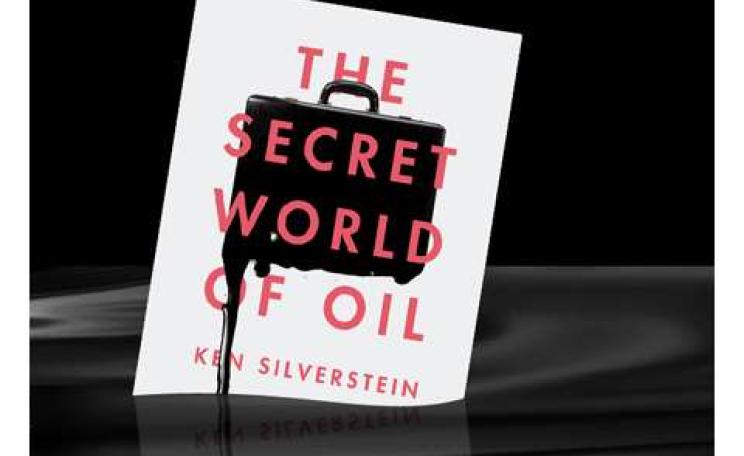
In Ken Silverstein's 'The Secret World of Oil', Louis Proyect investigates the uber-wealthy middlemen of oil, inhabiting a pampered universe of moral squalor and depravity - one in which Tony Blair found himself completely at home.
A study by the British Geological Survey and the Environment Agency reveals that almost all the the oil and gas bearing shales in England and Wales underlie drinking water aquifers, raising fears that widespread water contamination could occur.
The World Bank is still deciding how to respond to Kosovo's request for funds to build a new 600MW power station burning filthy 'brown coal', writes Michael Brune. It's time for the World Bank, with strong US backing, to give the project a firm 'no way'!
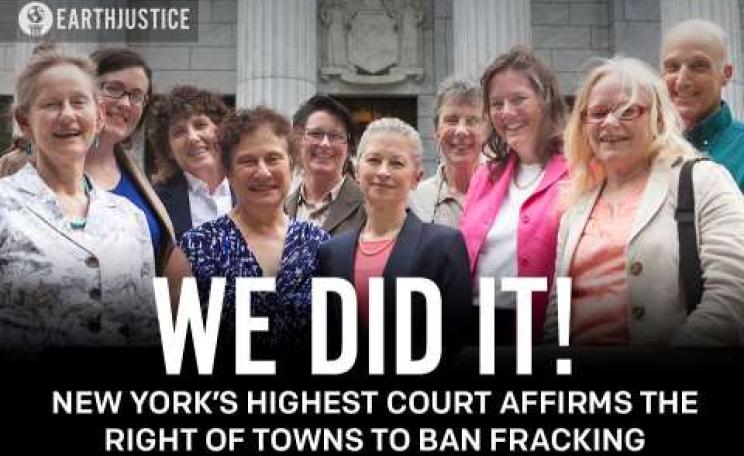
After a five year battle against fracking companies, the New York Court of Appeals has ruled that towns and cities can pass zoning laws that forbid fracking and other industrial land uses. The verdict will inspire other communities across the USA to enact similar measures.
Lord Smith's views on fracking betray an total ignorance of a large body of published, peer reviewed science that contradicts his conclusions, writes David Lowry - not to mention those of his political masters. Is 'groupthink' leading the UK astray?
Superpower confrontations and growing tensions in Ukraine, the Middle East and the Arctic are all part of a new Cold War, writes Alexander Reid Ross - and this time Green campaigners are under attack by both Russian authorities and NATO ...
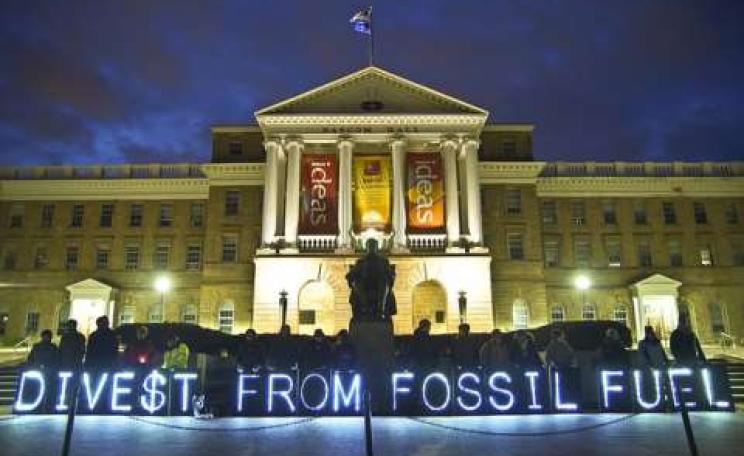
Britain's doctors have voted for their representative body, the British Medical Association, to divest from fossil fuels, writes Tierney Smith - adding valuable momentum to the fast growing global divestment campaign.
Why does the fracking lobby refuse to engage in open, public debate? Because, writes Paul Mobbs, it has already got its way, with the uncritical support of all the 'mainstream' media and political parties. You and I simply do not matter. So what are we going to do about that?
A Spending Bill now under debate in Congress would cut over $100 million from renewable energy, grant extra funds for dumping nuclear waste and fossil fuel research, exempt 'mountain top removal' coal from regulation, and limit the EPA's power to enforce clean water laws.