Efforts to tackle climate change have failed to make the slightest difference to the exponential increase in CO2 emissions, writes Mike Berners-Lee. The US-China deal at last offers hope that things could change - but to make it work other countries must come on board, and promises must transform into binding commitments.
Despite promises to phase out subsidies to the coal, oil and gas industries, a new report G20 governments are still providing them with massive financial help, writes Alex Kirby. The UK alone is spending over £1.2 billion per year to support fossil fuel exploration and production at home and abroad.
America's expanding oil production threatens the pristine Pacific Northwest region of the country with a rash of new oil terminals along the coast, writes Valerie Brown, and hugely expanded traffic of freight trains loaded with hundreds of cars of crude oil heading for California refineries.
The IPCC's most important ever assessment of global warming warns that the world must cut its carbon emissions must be cut sharply and soon, writes Damian Carrington - and the cost is affordable. But in fact, emissions are rising at record levels, and the IPCC's strong support for unproven-at-scale CCS technology will leave many mystified.
The National Grid's forecast for UK power supply this winter relies on overstating the availability of increasingly unreliable nuclear power stations, writes Chris Goodall. Realistic estimates of nuclear, gas and coal power station availability shrink the 'safety margin' to zero.
Just as the UK Government is stirring up public anger against human rights, writes Anna Grear, its fast-track development of shale gas and oil shows that we need these legal protections more than ever. A new report shows how the 'dash to frack' is endangering our most cherished rights - to health, water, security and life.
Left wing governments across the Americas are faced with a dilemma, writes Daniel Macmillen - high social spending programs financed by income from destructive mining and hydrocarbon extraction - or a slower but sustainable development path that puts ecology, equity and justice first. Their answer - a constant pushing back of the resource frontier.
The oil and gas industry is disrupting communities and damaging ecosystems worldwide, writes David Poritz. Tough, independent social and environmental standards for the industry can bring urgently-needed improvements to company practices - even where government regulation has failed.
Fossil fuel companies are a risky investment thanks to the 2.8 trillion tonnes of 'unburnable' carbon in their reserves, writes Franklin Ginn. But there's an even stronger reason to support fossil fuel divestment: to erode their political power, which they use to block progress to a sustainable, low carbon future.
Floating over the US Southwest is a cloud of methane the size of Delaware, writes Mike G - reflecting the release of almost 600,000 tonnes of the powerful greenhouse gas every year. Its origins? Coalbed gas production, fracking and horizontal drilling.
The EU is dumping a plan to label fuel made from tar sands as 20% more polluting than oil from conventional sources, making it cheaper for European countries to import. But the concession - intended to smooth the TTIP trade deal - still has to be approved by the European Parliament.
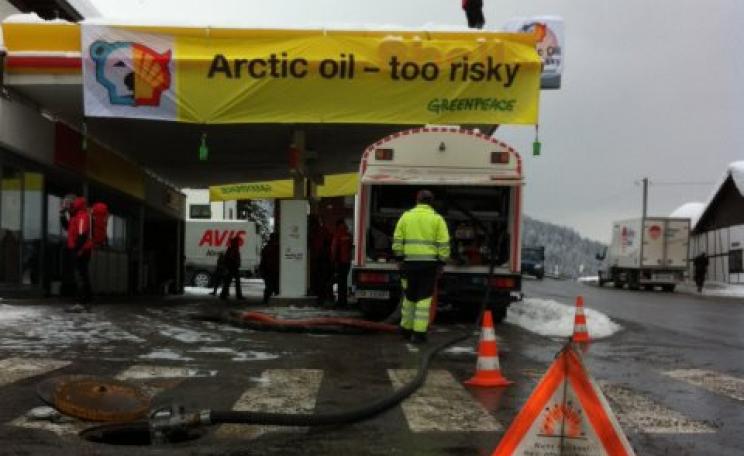
Oil majors are gearing up to exploit Arctic oil, writes Mike G. But they don't want to carry the costs of all the safety equipment the US Government is demanding to protect the fragile Arctic environment from spills. And they're reluctant to give up the use of toxic chemical dispersants.
King Coal's reign is coming to an end, writes Chris Rose, at least as a fuel for generating electricity. Following a price collapse half of all production is being sold at a loss - and major coal users like China are still moving away from the high-carbon fuel.
When Shell decided to quit its Arctic oil exploration it cited 'insufficient quantities' of oil and gas, writes Louise Rouse. But that was not the whole story: what tipped the balance was a combination of investor discontent, reputational damage and public opposition on an unprecedented scale.
The movement to divest from fossil fuels is gaining strength, writes Ruth Lumley, with $50 billion of institutional investment behind it. This week's news that almost $1 billion of Rockefeller money is moving from fossil fuels to clean energy shows that the world is changing faster than most ever imagined.
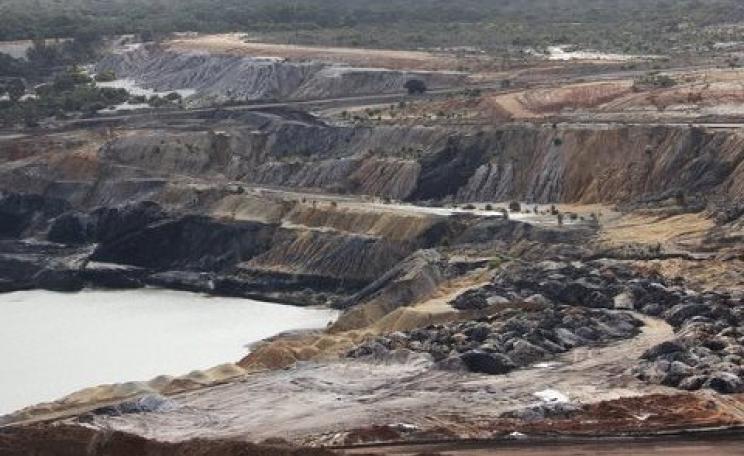
To tackle its serious air pollution, China is imposing stringent restrictions on dirty coal high in ash or sulphur, writes Shabbir Ahmad. One result: half of Australia's coal exports to China face exclusion, or extra 'washing' costs. But Australia's response is not to raise environmental quality. Instead, it's increasing production.
A health study in Pennsylvania, USA, shows that people living near fracking and other natural gas wells are more likely to suffer from skin conditions and upper respiratory symptoms. It calls for further study of the associations, including the role of specific air and water exposures.
At the UN climate summit in New York today, institutional investors managing $24 trillion of assets are demanding stronger, more ambitious policies on climate change, writes Kieran Cooke. These include an effective carbon price and an end to fossil fuel subsidies.
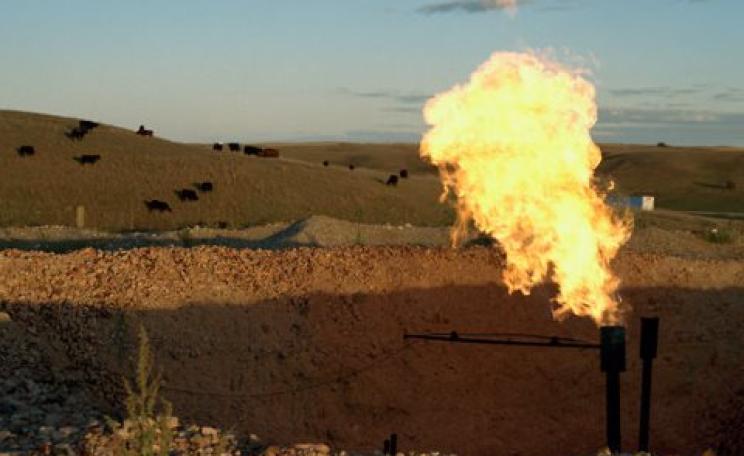
Gas flaring of natural at shale oil wells is carried out on such a scale in North Dakota and Texas that 'phantom cities' show up at night in satellite photos, writes Sharon Kelly. Billions of dollars worth of gas are going up in smoke, adding to CO2 emissions - but far worse for the climate is when the gas is 'vented'. Regulators are doing too little, too late.
Amid ongoing creative protests over BP's sponsorship of the British Museum, Danny Chivers wants to know - why the harsh security tactics? Why the searches, exclusions and arrests, all for a paltry 1% or less of the Museum's funding? Is this their policy, or is it BP that's calling the shots?
Ministers are determined to get fracking under way in the UK as fast as possible, so it's a 'fait accompli' in time for the election, writes Alex Stevenson. With a firm pro-fracking concensus in Parliament, only one thing can frustrate their plans - strong local campaigns to turn around MPs desperate for re-election in 2015. It even has a name: democracy.
Thanks to damage to coastal wetlands by the oil & gas industry, Louisiana is losing two acres to the sea an hour, writes Julie Dermansky. The companies are legally obliged to repair their damage - but they haven't and the cost has reached $50 billion. The answer? A Bill backed by the state governor to make them immune from lawsuits.
Natural gas is widely touted as a 'green fuel'. But as Paul Thacker found in Colorado, fracking's national 'ground zero', it's anything but. Lives and health are being ruined by pollution from taxpayer-subsidized gas wells, flaring and refining plants, while property values collapse. Now a mass of environmental refugees are fleeing the ravaged state.
Liberal environmentalism represents a dangerous delusion, writes Scott Parkin - that 'playing nice' with Earth-destroying corporations and politicians can yield results worth having. Radical change on climate will only result from bold, confrontational direct actions against the fossil fuel industries and their apologists.