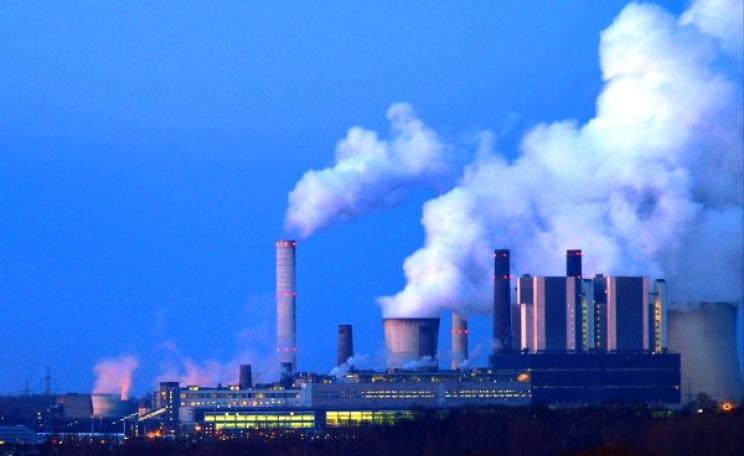
Coal is Europe's biggest source of mercury and sulphur pollution, writes Kyla Mandel, killing tens of thousands of people a year. So how come more than half the members appointed by EU governments to set air pollution standards for coal plants are industry representatives?
Naomi Klein famously called for a 'grand coalition' of the progressive left to fight climate change and Earth-destroying capitalism, writes Alexander Reid Ross. And now it's happening, drawing together diverse strands that encompass the fight for social and racial justice, the right to work, health, clean air and fresh water, and our freedom to be alive and thrive on this our one planet.
An eight-year research project into the nutrient content of food grown under three different organic gardening systems has left a filing cabinet full of documents, writes Matt Adams. Now he wants to analyse those years of accumulated data, in the hope that they can show the way to richer soils, more nutritious food, and healthier people.
A report published by MPs today displays a shocking ignorance of scientific logic and the nature of risk, writes Rupert Read. Confusing inconclusive evidence of harm from GMOs, with conclusive evidence of safety, they reach a false and dangerous conclusion - that the EU should give free rein to pro-GMO governments.
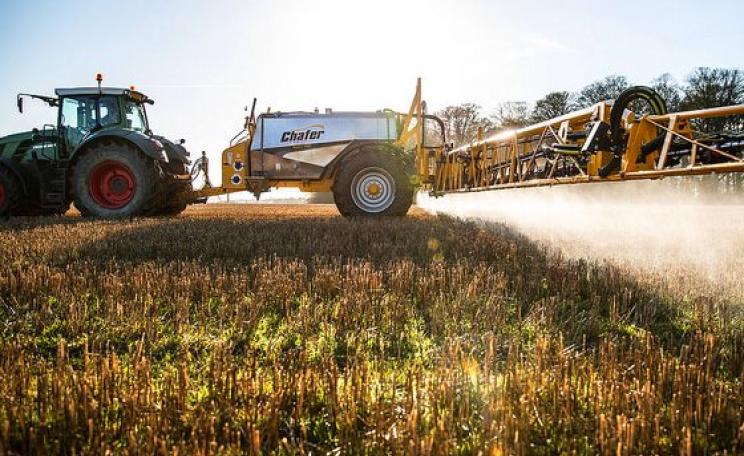
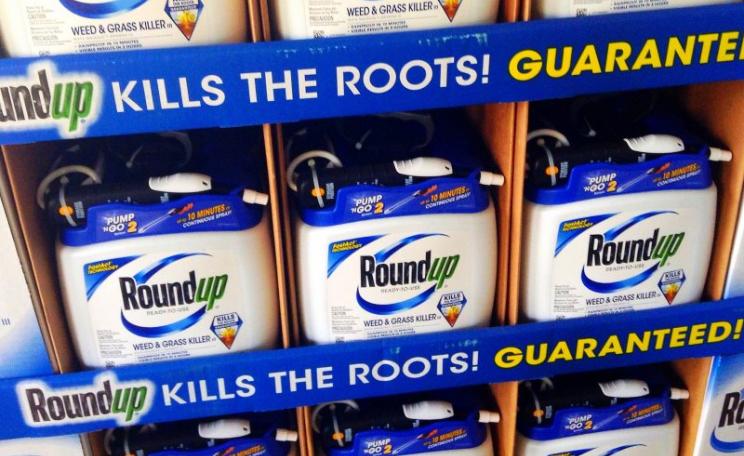
As scientific evidence grows of the many ways in which glyphosate - pipe-cleaner, herbicide and antibiotic - damages the environment and health, governments and regulators turn a blind eye, writes Dr Eva Sirinathsinghji, and the EU has even raised allowable residue levels. It's time for us all to put bans in place wherever we can!
America's shale gas boom threatens families, pets, and food, writes Allison Wilson. Fresh from her reading of 'The Real Costs of Fracking', she finds a host of adverse health impacts on those living near fracking sites, the toxic pollution of the food chain, and a wall of corporate and official secrecy.
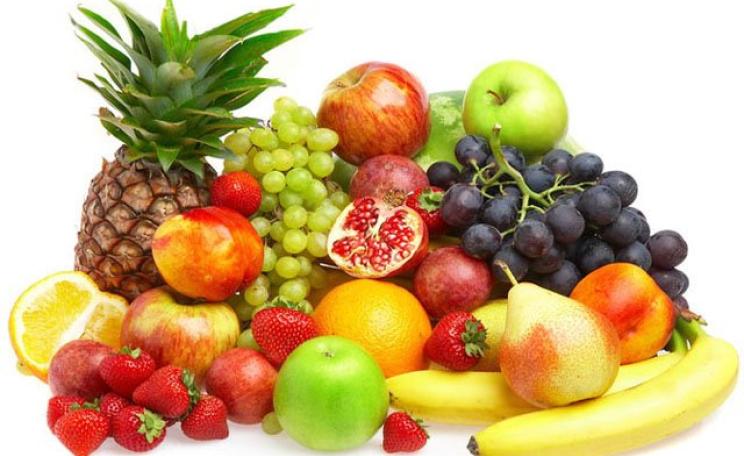
The Food for Life 'Catering Mark' is bringing fresh, healthy and local food into schools, hospitals and canteens, writes Peter Melchett - while driving big increases in the volume of organic food we eat, and growing the market for organic farmers and local food producers.
A broad community of independent scientific researchers and scholars challenges claims of a 'consensus' that genetically modified organisms (GMOs) are 'safe' to grow and eat. The claims - which continue to be widely and often uncritically aired - are a false and artificial construct that have been misleadingly perpetuated through diverse media.
The recently published Global Nutrition Report shows almost all countries face high levels of malnutrition and diet-based ill-health, writes Julia Wright. This reveals deep problems with the dominant industrial model of food production, and the need for new agroecological approaches to feeding the world.
Advanced molecular genetic techniques are allowing scientists to breed disease resistance from wild grape varieties into susceptible domestic cultivars used for making wine, writes Andrew Walker. And it's all being done by conventional plant breeding accelerated by the use of DNA markers - with not a GMO in sight!
The financial cost of the diseases of modern civilization is almost double the budget of the National Health Service, writes Jules Pretty, while the economy has grown past the point of greatest satisfaction. Our over-riding priority should be to move to greener, healthier, more sustainable and satisfying ways of life.
Deep in the text of the TPP trade deal lurk little-known provisions to boost the profits of Big Pharma, writes Conor J. Lynch, by extending patent terms and suppressing 'generic' alternatives - as if the industry's 23% margin wasn't enough already. As for the millions that will suffer hardship, ill health or death from higher drug prices ... it's their fault for being poor.
Africa's biotech establishment is deploying its biggest guns to attack NGOs opposed to GMO crops to help push through Ghana's corporation-friendly Plant Breeders Bill - a key element in the corporate enclosure of Africa's farming, seeds and agricultural heritage.
Why is the dairy industry joining in the legal action against Vermont's GMO labeling law? Could it be because a fifth of US 'cheese' can be vegetable oil and starch from GMO crops, asks Alexis Baden-Mayer - and even more of a 'frozen dairy snack' or 'processed cheese food'?
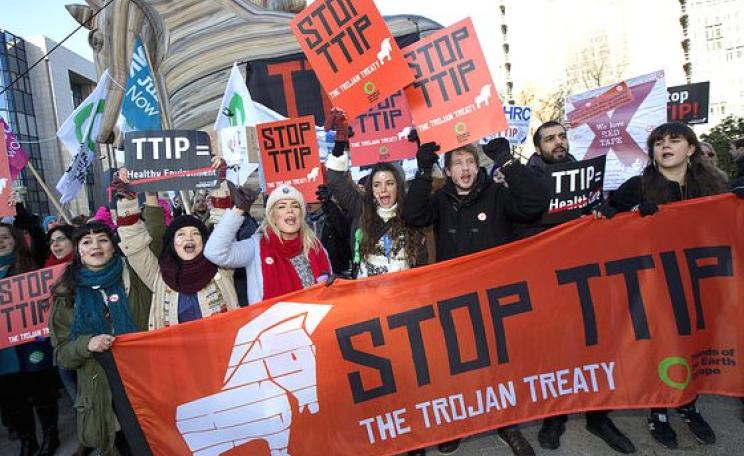
As 300 protestors gather at the European Commission to protest at the resumption of TTIP trade talks between the EU and the USA, Oliver Tickell finds that the EU's newly released draft 'chapter' on food safety and animal welfare is a disastrous capitulation to corporate interests that will strip governments of their powers to regulate.
Moms Across America founder Zen Honeycutt took on Monsanto chief Hugh Grant at the company's Annual General Meeting - and won, winning 53% of the vote on a call for Monsanto to reform its practices and safeguard the health of millions of children exposed to its toxic products - and Roundup in particular. In her own words, this is what took place ...
Ebola has wiped out a third of chimps and gorillas since the 1990s, writes Meera Inglis, and together with hunting and deforestation is pushing them towards extinction. So why haven't we even used a safe, effective Ebola vaccine developed for chimps and gorillas?
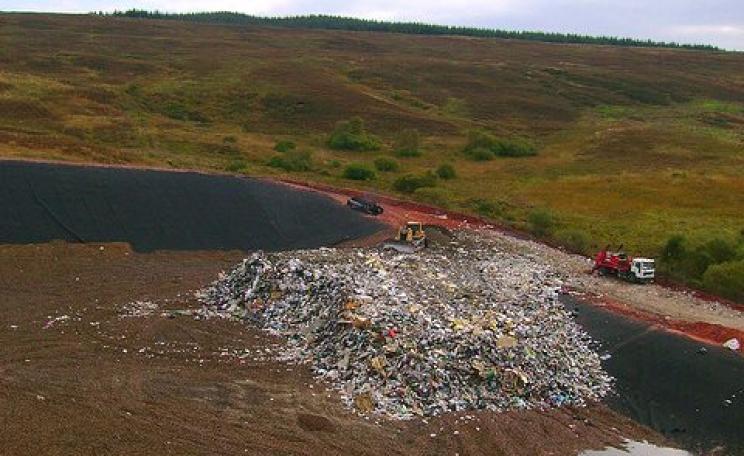
Nearly a year ago at the height of the UK floods, tragedy struck an ordinary family in Surrey as toxic gas from a nearby landfill site killed a 7-year old boy, Zane. Now the authorities appear determined to exculpate the source of the poison - an old landfill site - even as they prepare for a massive increase in hazardous waste from fracking.
Air quality across the UK is currently monitored by just a few hundred fixed stations, writes Prashant Kumar. That leaves most of us ignorant about the pollution we are breathing. But tiny air quality sensors in our mobile phones could soon create a network of millions of data points - and spur much needed official action to clean our air.
A fierce dispute is raging over whether glyphosate, the world's biggest weedkiller, causes cancer, writes Arthur Neslen. The row has pitched EFSA, the EU's food regulator, against 96 of the world's top medical scientists - and comes shortly before the EU is to decide on renewing glyphosate's licence.
Lord Krebs, self-appointed spokesman for industrial agriculture, used the Oxford Farming Conference to attack organic systems for causing more climate change - a claim as demonstrably false as it is ludicrous, writes Peter Melchett. But across the city, the upstart 'real farming' conference was showing the way to a cleaner, greener and healthier future.
More than 25 million Americans live within an 'oil train blast zone', writes Ralph Nader. But as volumes of tar sands and shale oil carried by train soar, the oil cars identified as a 'substantial danger to life, property, and the environment' in 1991 remain in use. We must ban those dangerous railcars - and put an end to all 'extreme oil'.
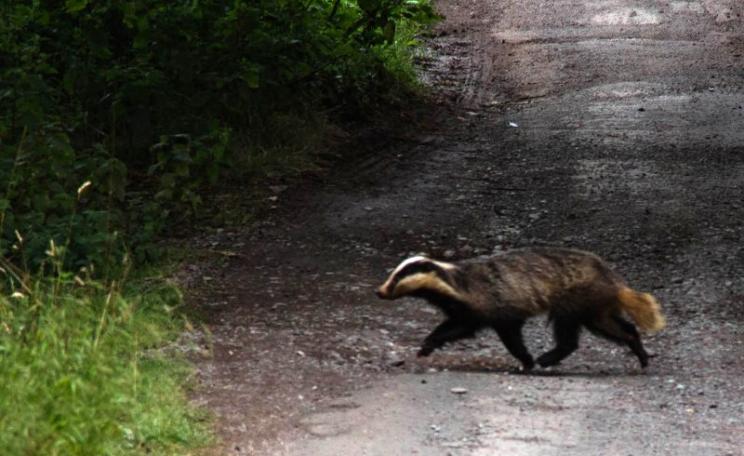
Sneaked out shortly before MP's Christmas recess, the Government's decision to 'carry on culling' badgers with no evidence that the slaughter is reducing the incidence of bovine TB is a travesty of process, writes Lesley Docksey. But it does have one useful outcome - it has exposed Defra's claims that the cull is 'science-led' as arrant nonsense. Science never even got a look in.
An exotic parasite is spreading through the world's honey bees and global warming is making it worse, writes Robert Paxton. A new study that shows it will soon be causing widespread colony collapse in North America and Europe.