A consistent pattern is emerging in the UK government's plans and policies, writes Paul Mobbs: the stripping away of human rights and freedoms; the detachment of public institutions from democratic accountability; an increase of the powers of the state; and the empowerment of corporations at the expense of people. We must act to preserve our liberties, while we still can.
A study of cancer incidence downwind of the Trawsfynydd nuclear plant in Wales shows a doubling of risk, writes Chris Busby, mainly from breast cancer. People eating fish caught in Trawsfynydd Lake are also at elevated risk. It's yet more proof that the nuclear industry's favourite risk model is wrong, understating the actual dangers of internal radiation - ingested or inhaled - by a factor of 1,000 to 10,000.
In early March author Steven Druker challenged the Royal Society to justify its outspoken and partisan support of GMO crops, writes Colin Todhunter, and to correct any errors of fact in his book 'Altered Genes,Twisted Truths'. Three months later, the Royal Society remains silent. Is it frightened of genuine scientific debate?
Over a year after violent conflict began in East Ukraine, indications are emerging of its severe environmental impacts in the highly industrialised Donbas region, and the grave health risks to civilians that will endure long into the future. The area will need international assistance both to reduce the hazards, and to 'green' the region's often polluting industries.
The link between nuclear power and cancer is real, writes Chris Busby, and revealed in the UK's cancer statistics - if only you look for it. Previous approaches have focused on rare cancers over large, poorly selected populations. But look at common cancers among those most exposed to nuclear radiation, and the statistical evidence is overwhelming.
Following the accidental fire in a transformer at the troubled Indian Point nuclear site last weekend, and the unplanned release of oil into the Hudson River, calls are growing for the two remaining power plants to be shut down, writes Karl Grossman. The NRC is likely to extend its expiring licenses for another 20 years - but New York State could still refuse it a water use permit.
The US is denying huge numbers of black and brown children their chance to achieve their cognitive potential by quietly poisoning them with lead and other toxins, writes Rita Turner. The offense is then compounded by providing the victims deeply unequal educational opportunities, and disregarding their civil rights.
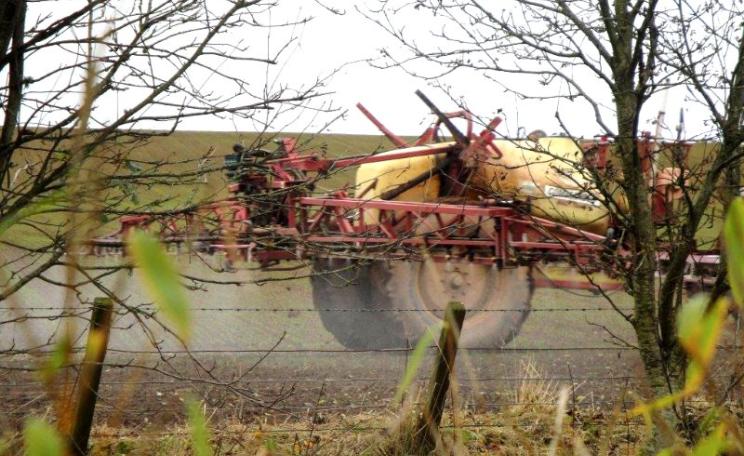
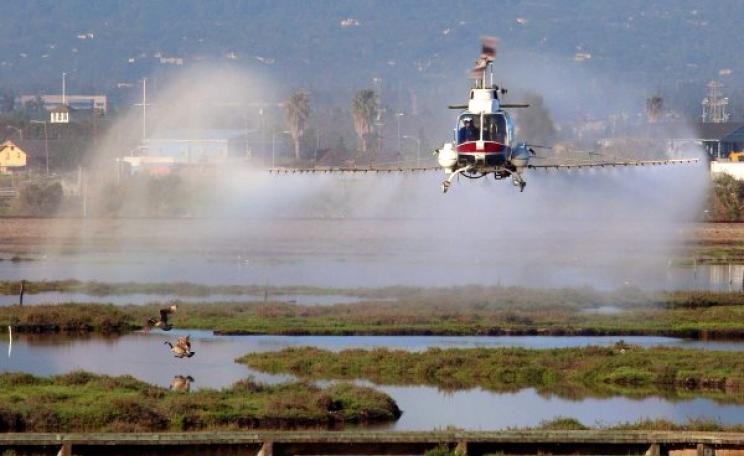
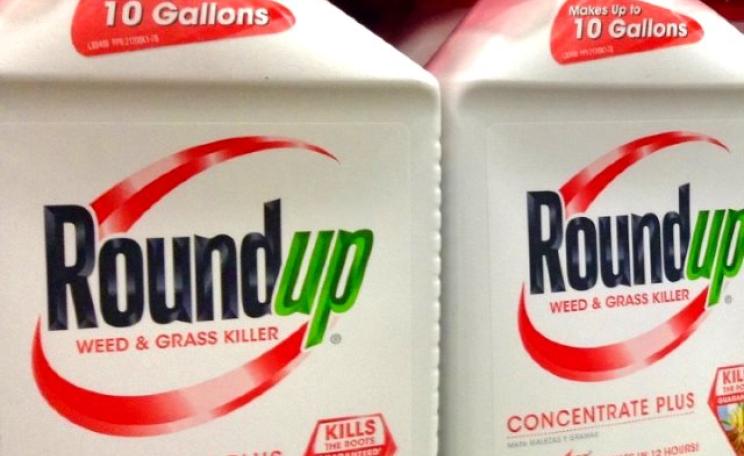
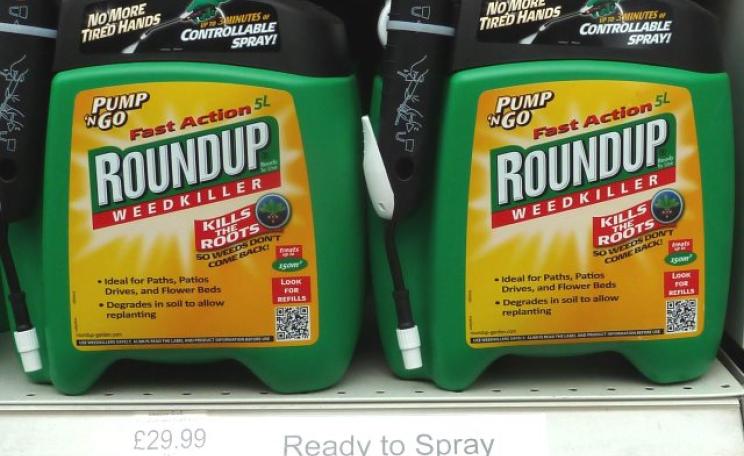
The risk of cancer from the world's top herbicide, glyphosate, is just the tip of the iceberg of health damage caused by exposure to pesticides and other toxic agrochemicals, writes Georgina Downs. It's time for governments to correct their scandalous failure to protect rural residents from the cocktails of poisons sprayed on crops.
British taxpayers are forcing private health care and schooling onto many of the world's poorest countries including Nepal, Rwanda, Ethiopia and Mozambique, writes Nick Dearden - backing a huge neoliberal experiment whose only certain outcomes are high costs, low standards and massive corporate profits.
The stricken 4th reactor at Chernobyl presents a massive long term hazard, writes Kendra Ulrich. A planned €2.15 billion containment arch remains underfunded, and even if it's ever completed, it will only last 100 years. Meanwhile the intensely radioactive nuclear fuel will remain in place representing a long term risk of further huge radiation releases.
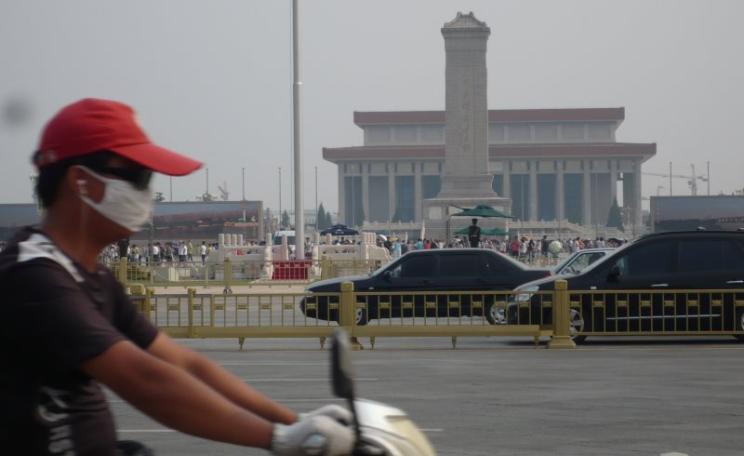
China's growing 'bling' culture has taken off big time, writes Thembi Mutch - yet it is widely reviled among ordinary people who in the face of China's industrial boom hold resolutely to traditional values of economy and frugality, quietly yearning for the old days of clean air and safe, wholesome food to fill their stomachs.
Lead poisoning from industrial pollution has imposed a terrible toll on Kenyans, writes Sophie Morlin-Yron, and single mother Phyllis Omido is no exception - lead from a nearby metal refinery badly damaged her own son's health. But it was when she decided to fight back against the polluters that a whole new realm of threats and dangers opened up.
The UK Government will be in the Supreme Court tomorrow accused of 'dragging its feet' over an EU air pollution law that should be saving tens of thousands of British lives a year, writes James Thornton. Instead of defending its inaction, the Government should make an immediate start on cleaning our filthy air.
The Green Party manifesto, published today, pledges to enact long overdue restrictions on the use of toxic pesticides to protect rural residents and children from adverse health impacts, writes Georgina Downs. Now all political parties must follow where the Greens have led.
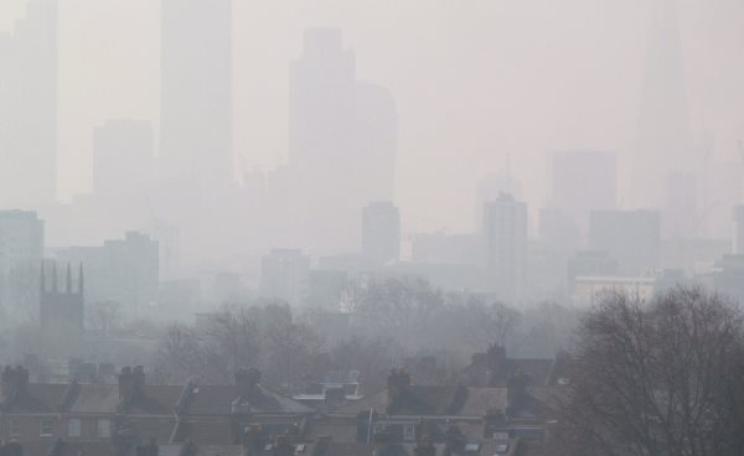
As south-east England goes onto an air pollution 'red alert', write Frank Kelly & Julia Kelly, be warned: in addition to causing respiratory and cardiovascular damage, the microscopic particles befouling the air also impact on the brains and nervous systems of unborn children whose mothers suffer high levels of exposure.
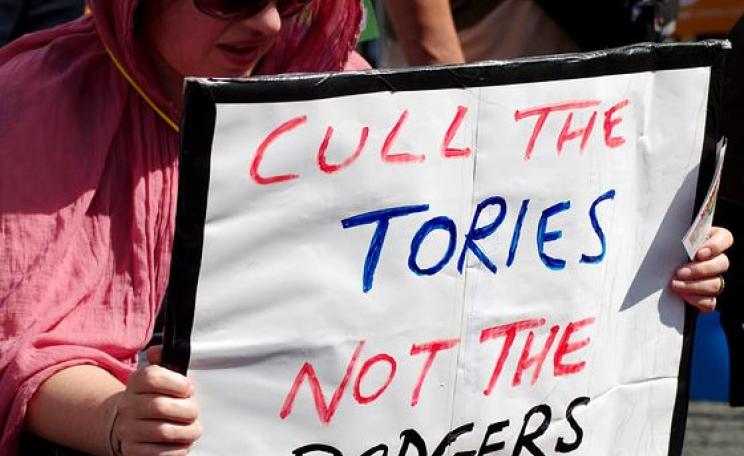
Organic farmer Charles Mann, aroused by The Ecologist's anti-cull stance, makes an evidence-based case for culling badgers in areas of high TB incidence - together with other measures including enhanced testing in apparently 'low risk' areas that present a high risk of disease spread.
Thinking people of all stripes are agreed in their opposition to cruel, exploitative animal farming, writes Ronnie Cummins. So it's time for them to move beyond sterile 'meat-eater versus vegetarian' debates, and unite in their opposition to the daily atrocities of industrial agriculture.
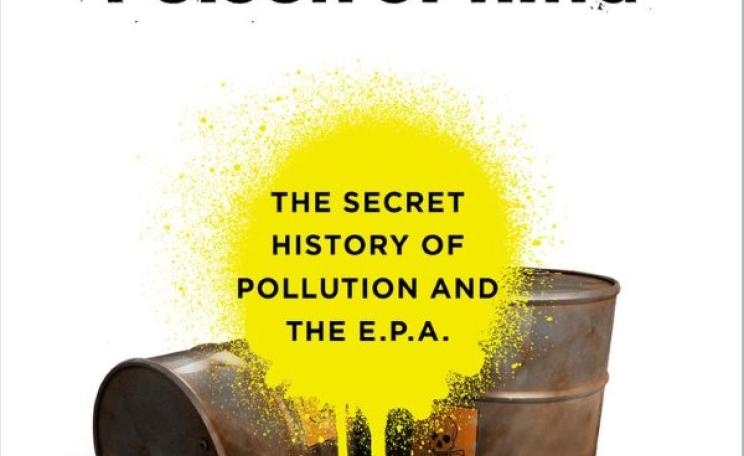
Ever since its creation in 1970 the US-EPA has been a failing organization, writes Carol Van Strum in her review of 'Poison Spring' - serving the corporations it was there to regulate, falsifying data, suppressing the truth about pesticide toxicity, and crushing whistleblowers.
The US Environmental Protection Agency has just failed farm workers and their families by refusing to ban a neuro-toxic pesticide that causes severe brain damage in utero and to exposed children, writes Patti Goldman - imposing only weak, inadequate restrictions based on flawed science. It must do better!
Medact, the organization of health professionals for a safer, fairer and better world, has called for a five year moratorium on fracking due to its serious hazards to public health, writes Paul Mobbs. Their new report is a powerful challenge to government policy that cannot be ignored.
Scientists have discovered that exposure to three widely used herbicides including Monsanto's Roundup and Kamba causes pathogenic bacteria to develop resistance to medically important antibiotics.
Chinese scientists have established beyond doubt that water polluted with nitrite is feeding the worldwide cancer epidemic. But while China is beating cancer by providing new sources of nitrite-free water, Western scientists, regulators and the editors of scientific journals are doing their best to suppress the truth.
The International Agency for Research on Cancer has labelled the world's biggest herbicide, glyphosate, as 'probably carcinogenic'. Another four widely used organophosphate insecticides may also pose a cancer risk.
David Cameron has called the badger cull is 'probably the most unpopular policy for which I am responsible', writes Dominic Dyer. But unable to break his pledge to landowners and the NFU, he has left Environment Secretary Liz Truss to fudge the issue until election time. Electorally fatal? So events may prove.