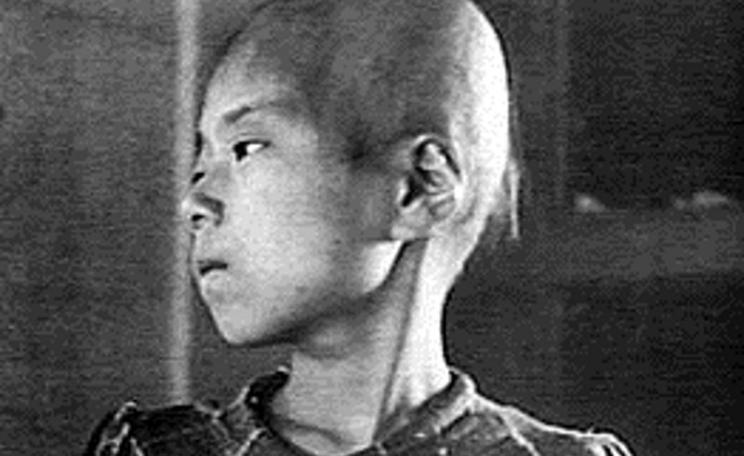
Following the atomic bombs exploded over Japan in 1945 a second crime against humanity took place, writes Chris Busby: the deliberate falsification of science to hide the dangers of ionising radiation, perpetrated to quell public opposition to a new age of nuclear bombs and energy. The fraud continues to this day, but finally the truth is winning out.
This day in 1945, the explosion of a nuclear bomb over Hiroshima, Japan, changed the world forever, writes Daniel Cordle. A remarkable article in the New Yorker by John Hersey has shaped the way the world perceives the event, and nuclear weapons generally, by illuminating the humanity of its victims in clear, simple prose.
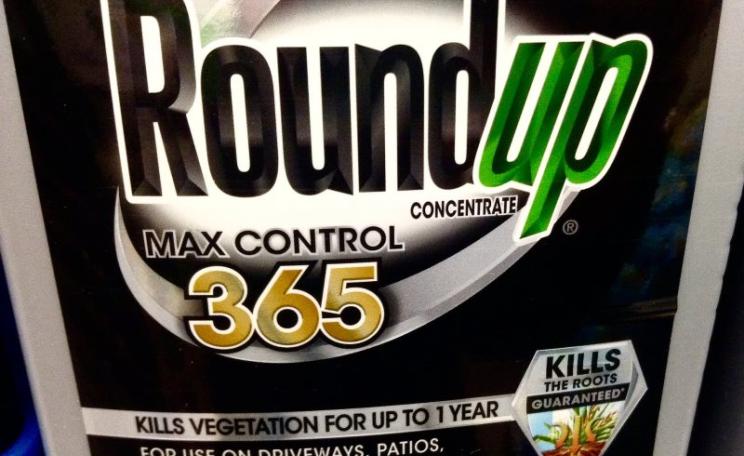
Monsanto is stepping up its attack on the WHO's classification of glyphosate as a probable human carcinogen, writes Peter Saunders. Dismissing the finding as 'junk science' the company is convening its own industry friendly panel and pushing its secret studies at regulators. Don't let them get away with it!
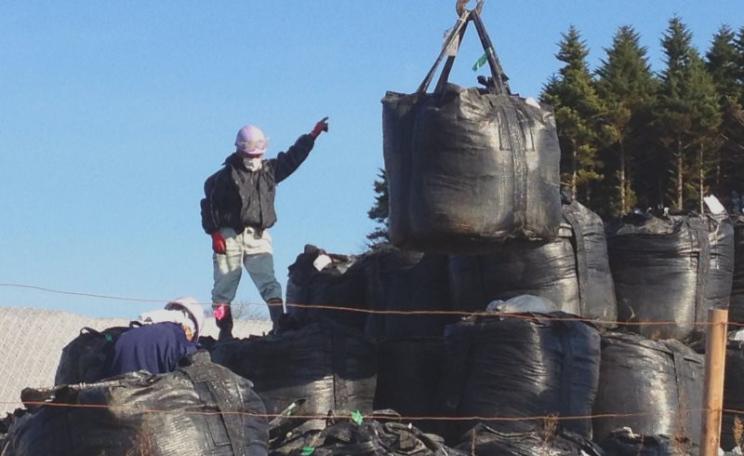
A massive decontamination exercise is under way in Iitate Village near Fukushima, writes Kendra Ulrich: step one in a plan to force 6,000 residents back into the evacuated zone in 2017. But as radiation levels remain stubbornly high, it looks like the real plan is to 'normalize' nuclear catastrophe, while making Iitate residents nuclear victims twice over - and this time, it's deliberate.
Forget tariffs, forget Obama's promises. The whole point of modern 'trade agreements' is to whack pesky labor, environment and health laws, writes David Morris, and so empower capital and corporate power against regulators, governments and democracy itself. Unconvinced? Just imagine what these deals would look like if they were there to empower people.
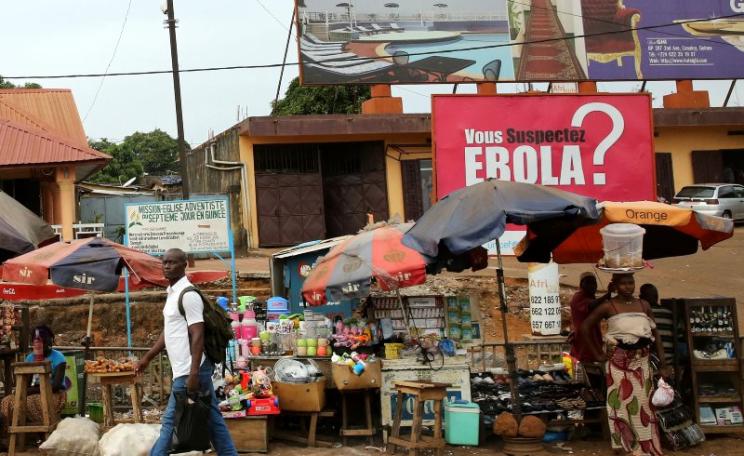
The outbreak of Ebola in West Africa had everything to do with logging, deforestation and the disruption of traditional agro-forestry by large scale industrial agriculture, writes Rob Wallace. The only long term solution to this terrible disease may lie in forest conservation, the restoration of agroecological farming systems, and the exclusion of agribusiness investment.
Soon UK farmers will begin to spray their fields of wheat, barley, oats and peas with weed killer to make crops easier to harvest, writes Natasha Collins-Daniel. But the chemicals - including glyphosate, a probable carcinogen - can end up in our bread and other food. Let's put a stop to it now!
The US Congress votes this Thursday on the infamous 'DARK Act' that would abolish states' right to label GM foods, writes Katherine Paul. This 'Mother of all Monsanto Protection Acts' would also outlaw state GMO bans and even prevent the FDA from pre-market safety-testing GM ingredients. Send a clear message now to your member of Congress.
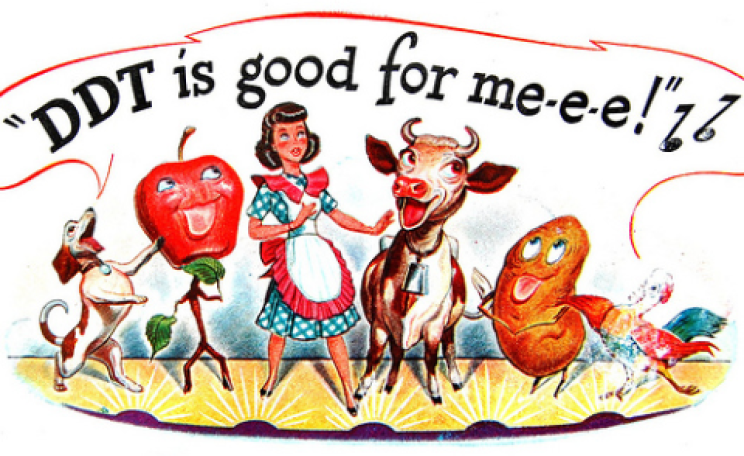
Just as the chemical industry and its shills once proclaimed the safety of DDT, they are doing the same today with the herbicide glyphosate which has penetrated throughout the food chain, writes Evaggelos Vallianatos. And once again it is a toxic lie that threatens species, ecosystems and people. It's time to demand a new kind of agriculture, and a future free of all pesticides.
After 20 years of oil spills, deforestation, waste dumping and ill health, farmers and indigenous people in the the Ecuadorian Amazon have been fighting the Chevron-Texaco corporation. But despite its three times conviction and a $9.5 billion damages award to the victims, the oil giant looks no closer to making good its damage.
Three in one: EFSA set to re-licence glyphosate based on secret industry studies; Monsanto moves against IARC verdict that glyphosate is a 'probable carcinogen'; and new science shows that FDA principle of GMO 'substantial equivalence' is bunk.
A new biosafety report for the Norwegian Environment Agency says GM foods cannot be declared safe due to major gaps in the science, writes Nafeez Ahmed. Indeed research clearly indicates harmful and adverse impacts to both health and environment. But Monsanto insists that GMOs are just as safe as, or even safer than, conventional crops.
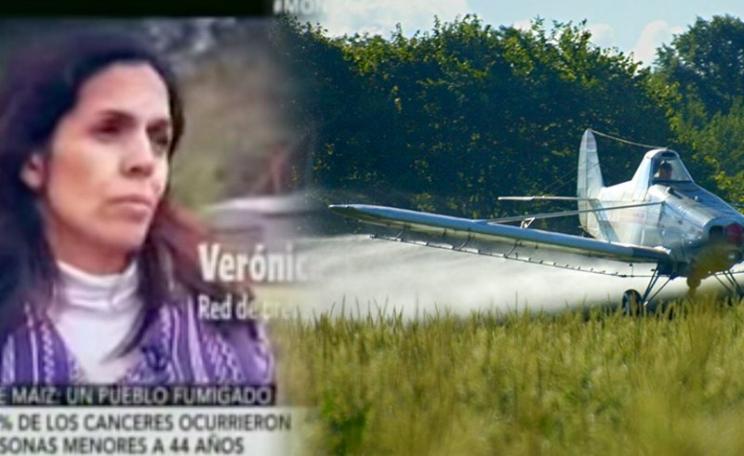
The Council of Monte Maiz, a small town in Argentina surrounded by intensive GMO soya farms, has enacted a law that forbids the spraying and storage of pesticides and other agrochemicals after severe health impacts were detected.
Research by GM-Free Cymru shows that studies carried out for Monsanto and submitted to the US's Environmental Protection Agency in 1981 provided ample evidence that glyphosate caused cancer and other health problems. But the key documents were classed as 'trade secrets' and never published.
The NHS is one of our greatest institutions and we must defend it to the hilt, writes Natalie Bennett. But to build the healthy society we all want and deserve, we need joined up policies across the policy spectrum, valuing human wellbeing above crude economic growth.
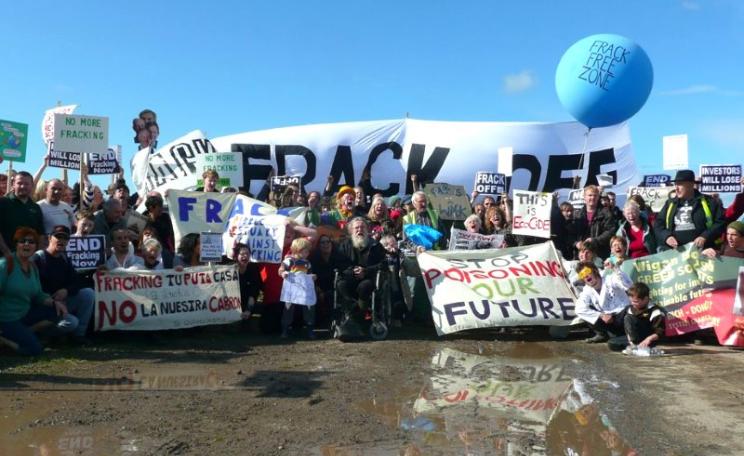
House prices could fall 7% near fracking rigs, according to the 'secret' Defra report on fracking in rural areas, only published in full after a legal battle, while leakage of waste water could damage human health and contaminate food.
With the UK's business air travel falling, the Airport Commission says we need a new London runway to make us happy! But all their data really shows is that people who go on holiday lead happier lives than those who don't, writes Chris Goodall, and that people enjoy holidays: a flimsy basis on which to expand airport capacity, and blow the UK's emissions targets out of the water.
California's drought is a harbinger of things to come around the world, writes Maude Barlow. Because of global warming, yes - but also because the Golden State is an exemplar of the 'water as property for corporate profit' neoliberal paradigm that's taking over the world. It's now essential to assert water as a Commons - to be both justly shared, and fiercely protected!
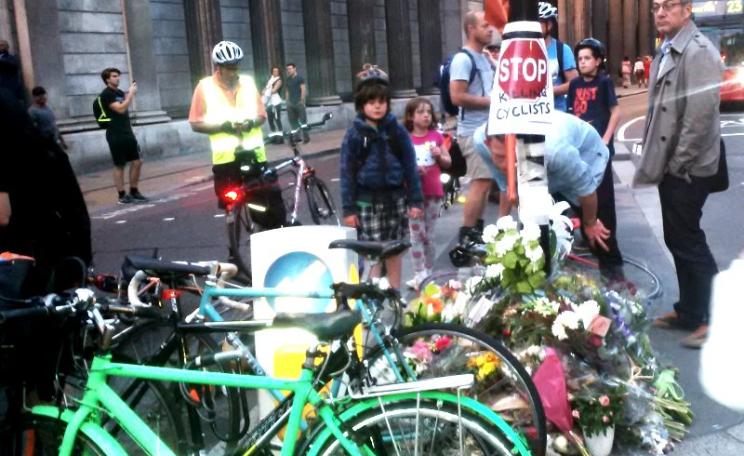
Following a monstrous spate of cyclist deaths in London, protestors are gathering outside the Bank of England tonight to demand: stop killing cyclists! The UK's peaceful cycling revolution is now under way, writes Donnachadh McCarthy, who invites us all to join the movement to make our cities safe for humans.
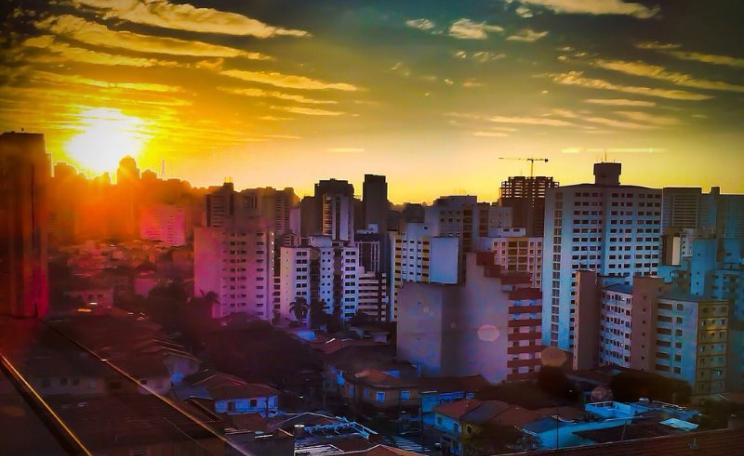
After four years of low rainfall Brazil's commercial capital, Sao Paulo, is suffering from a grim combination of high temperatures and water shortages, writes Leila Carvalho. And now the drought has given rise to a lethal plague of dengue fever.
In a landmark ruling, judges have ordered the Netherlands to do more to tackle the 'imminent danger' of climate change. Meanwhile an expert commission reports of an impending global health breakdown from unmitigated global warming.
A legal judgment in Australia has fatally damaged the 'official' ICRP model of health damage by nuclear radiation, writes Chris Busby - reflecting the fact that cancer originates through the mutation of individual cells, not whole organs or organisms. The ruling is good news for Britain's bomb test veterans whose day in court is coming up; and for all who suffer radiation induced cancers.
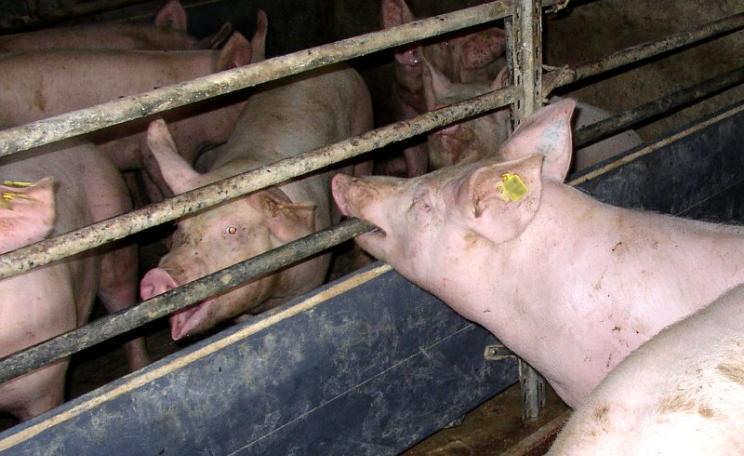
The discovery of antibiotic-resistant bacteria in pork products in UK supermarkets is a call to action, writes Peter Melchett. We must end the unhygienic farming practices that only work with constant antibiotic use, and reserve the most valuable antibiotics for human use only - or face a world in which routine surgery and infections bring serious risk of death.
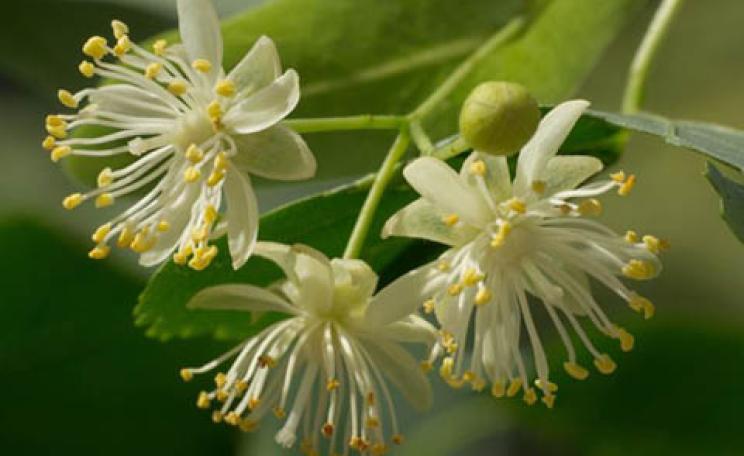
Ayurvedic practitioner Sebastian Pole of Pukka Herbs looks at the role of plants in the history of medicine and why reconnecting with natural food is essential to our health. With the explosion of system-wide health disorders, its time to take a more holistic approach to wellbeing.