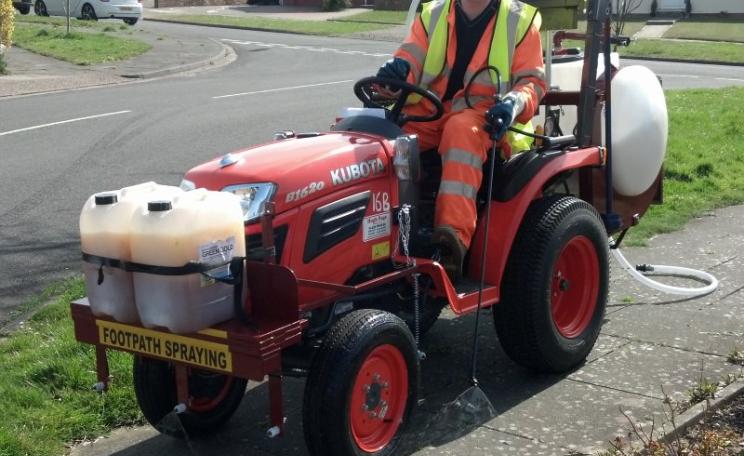
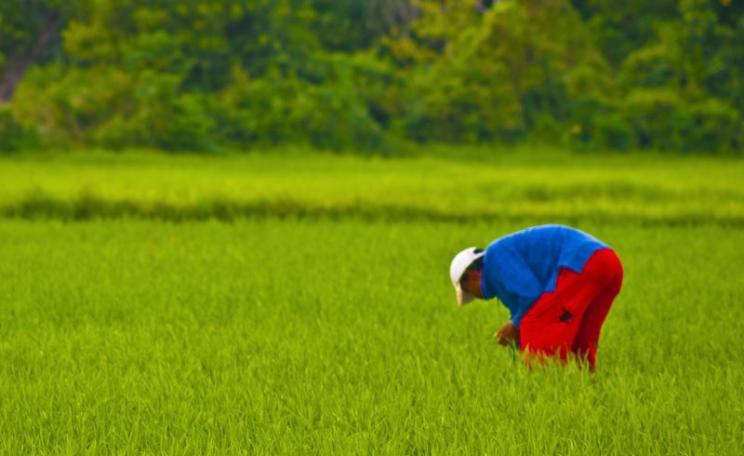
Local authorities around the world are going pesticide-free following an initiative by a small town in Canada 25 years ago, writes Keith Tyrell. Now the movement is coming to the UK, with campaign groups setting up in towns, cities and rural communities to keep pesticides out of our streets, parks, playgrounds and allotments.
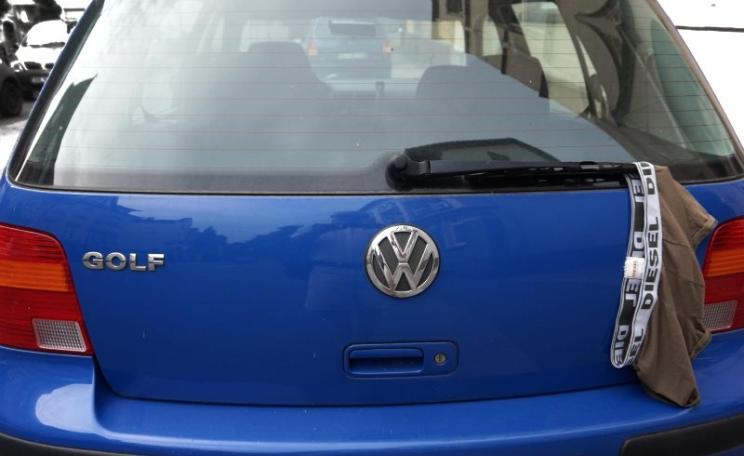
VW's pollution cheating has caused thousands of premature deaths, write Mike Berners-Lee & Chris Goodall, creating costs that could destroy the company's entire shareholder equity. But this is no 'Black Swan' event. It is an early example of the existential threat to the fossil fuel economy.
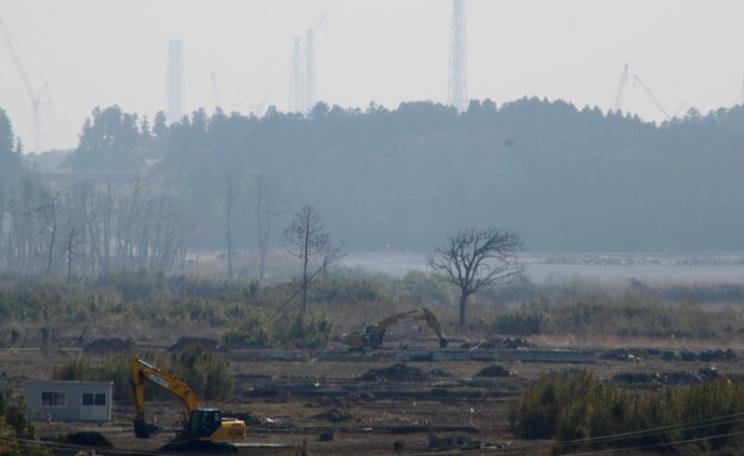
Radiation can be carried long distances by marine currents, concentrated in sediments, and carried in sea spray 16km or more inland, writes Tim Deere-Jones. So Fukushima poses a hazard to coastal populations and any who eat produce from their farms. So what are the Japanese Government and IAEA doing? Ignoring the problem, and failing to gather data.
The discovery that Volkswagen has been 'gaming' vehicle emissions tests has taken the world by storm, writes Paul Nieuwenhuis. But it comes as no surprise to campaigners who have long been aware of the huge gap between 'official' emissions and real word pollution. Where were the regulators? And why did it take an NGO to uncover the scandal?
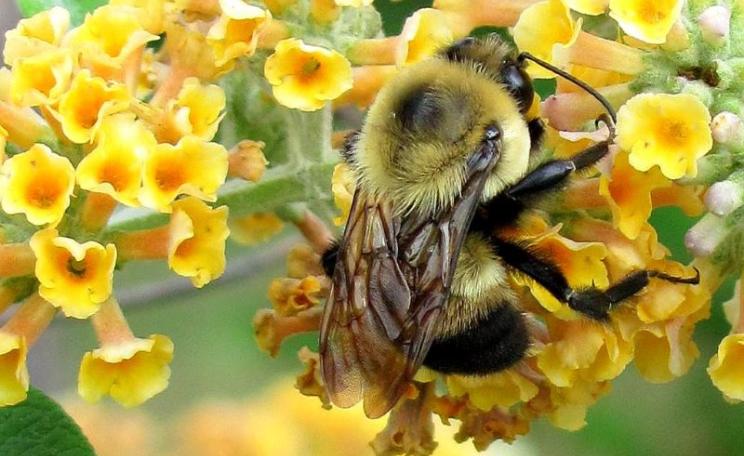
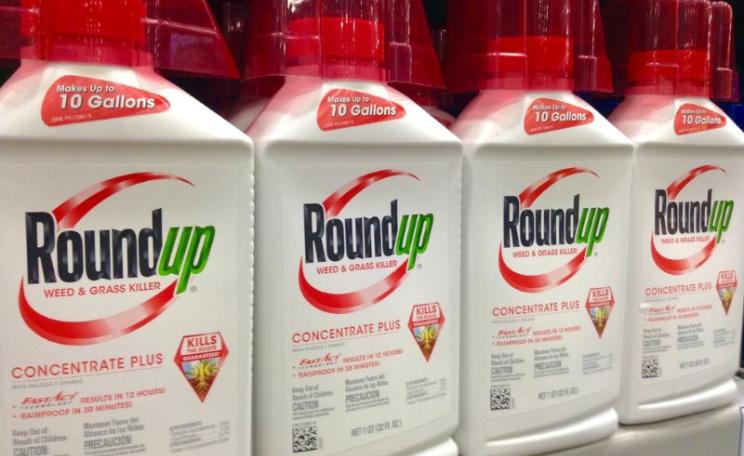
A new study shows it's not just neonicotinoids that impair bees' ability to navigate to nectar and pollen sources, and to their nests: now the herbicide glyphosate has been found to have the same impact even at very low levels.
The US's Nuclear Regulatory Commission just cancelled its study into cancer near nuclear plants citing the 'excessive cost' of $8 million, writes Chris Busby. Of course that's rubbish - similar studies in the UK have been carried out for as little as £600 per site, and in any case $8 million is small change for the NRC. The real reason is to suppress the unavoidable conclusion: nuclear power kills.
Forty years ago Monsanto carried out detailed studies of glyphosate and Roundup toxicity, write Richard Gale & Gary Null. But they have remained buried in filing cabinets ever since. Now a determined scientist has breached the wall of secrecy - and all the evidence is that Monsanto knew just how toxic its products were all along, while claiming they were 'safe as lemonade'.
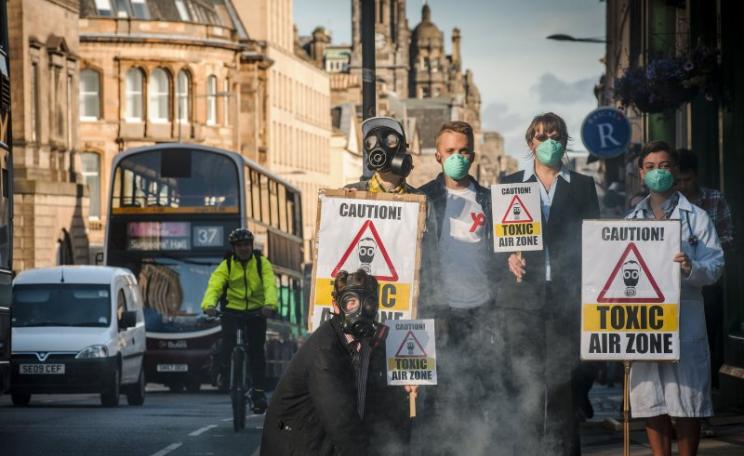
The UK government's response to the Supreme Court's order to clean up air quality in key urban areas has been condemened as vague, weak and slow, lacking in clear targets and compulsory measures. New figures reveal that over 50,000 people a year are being killed by air pollution.
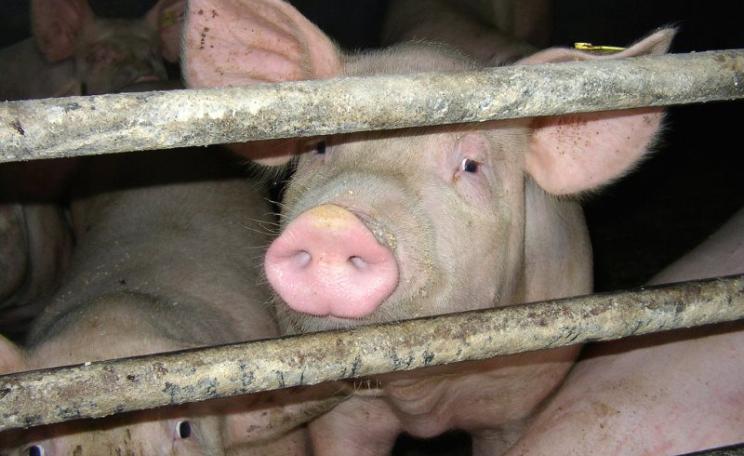
Doctors have been told to limit their use of antibiotics to limit the spread of microbial drug resistance, writes Emma Rose. But 40% of the UK's antibiotics are used on farms, of which 85% is fed to disease-free animals. We can no longer ignore the massive agricultural overuse of the drugs, now a major driver of antibiotic resistant infections.
The well-founded idea that nuclear radiation is dangerous even at the lowest levels is under attack, writes Karl Grossman. Three determined nuclear enthusiasts have filed petitions to the NRC calling on it to apply the doctrine of 'radiation hormesis' - that low levels of radiation actually stimulate the immune system and promote better health. Disagree? You'd better act fast.
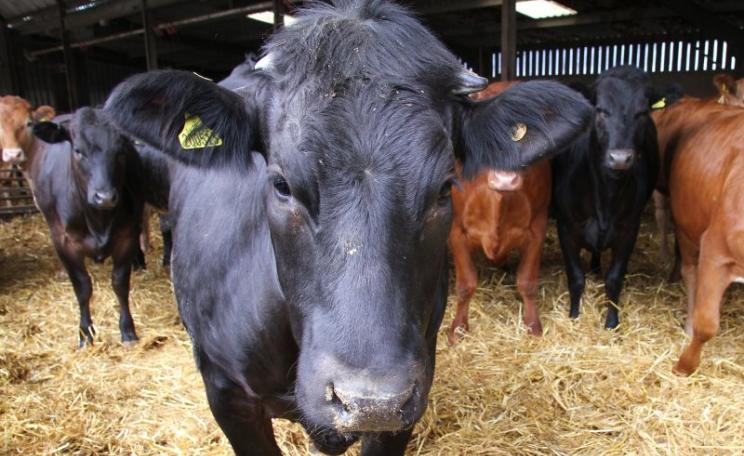
A new study on the spread of bovine TB shows that only with more frequent testing of cattle will the disease be defeated in England, writes Oliver Tickell. It has already worked in Scotland, and is on the way to doing in Wales - where some herds are tested every six months.
The ancient spiritual Indian practice of yoga has been colonized, writes Susanna Barkataki - appropriated into a commercially-driven 'body beautiful' culture. True practitioners must reclaim its true purpose and stage their own ahimsa, or nonviolent revolution of the mind, body and spirit.
Following scientific confirmation of the severe hazards to health caused by residues of glyphosate weed killers in food, the Soil Association is calling on bakers and retailers to stop 'pre-harvest' spraying on arable crops. The SA's Peter Melchett just sent out this letter - adapt as necessary and send to retailers, bakers, makers of cereals, pasta, biscuits and others.
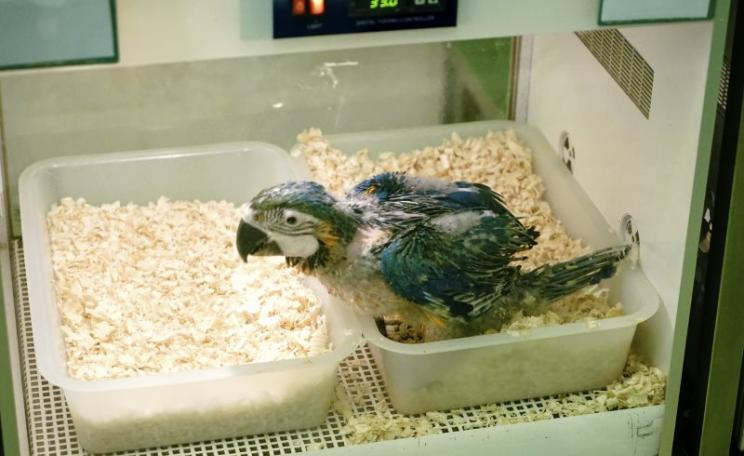
The international pet trade presents itself as responsible and conservation-aware, writes Clifford Warwick - and a key part of the message is the idea that its animals are captive bred. But the truth is very different. Quite apart from the routine cruelty and high mortality, the trade continues to depend on captive wild animals and contributes only negatively to wildlife survival.
Golden rice was once hailed as the wonder crop that 'could save a million kids year', writes Glenn Stone. But in the 15 years since that bold prediction, the carotene enhanced GMO has been held back by persistent 'yield drag' and inconclusive nutrition outcomes. It now appears unlikely ever to fulfill its early promise.
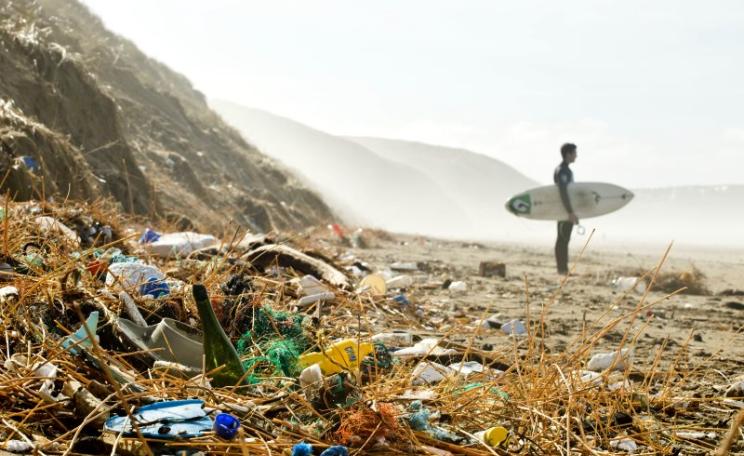
For 25 years, a group of eco-aware surfers have been campaigning for cleaner waves, writes Summer Brooks. SAS was founded in 1990 to tackle sewage discharges into UK coastal waters, and now, bigger and stronger than ever, they are turning their focus to the global problem of ocean plastic - both picking it up on our beaches, and pushing for long term, global solutions.
Are GMOs safe? Up to a point, writes Jonathan Latham - provided you're not eating them. That's certainly not proven to be safe, indeed the hazards are numerous: protein encoding viral DNA fragments, herbicide metabolites, biotoxins whose operation is not understood, poorly conducted experiments ... and those are just the ones we know about.
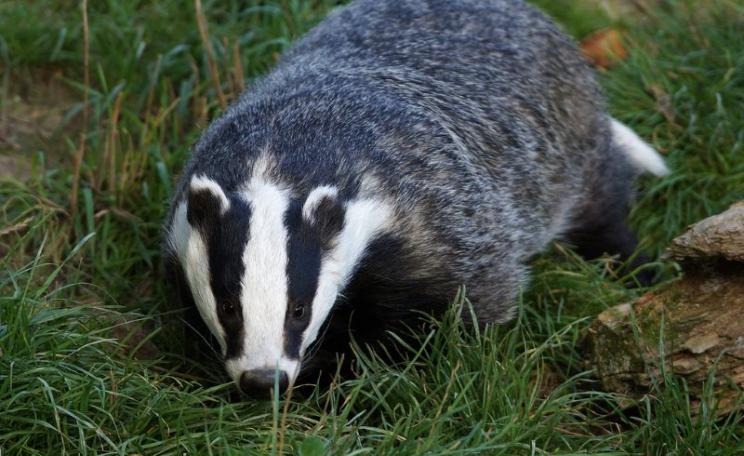
The government is right to extend the badger cull into Dorset, writes Mel Squires in this 'right of reply' article. While culling badgers is only part of the solution of bovine TB, along with annual TB testing of cattle and badger vaccination, it is a necessary measure in areas of high risk.
We owe a deep debt of gratitude to Dr Frances Kelsey, write Helena Paul & Philip Bereano. In 1960, she defied her bosses at the FDA to prevent the licensing of thalidomide in the USA, saving thousands from being born with serious deformities. Her tough approach to minimising the risk from new drugs contains lessons we ignore at our peril.
As they argue for an extended and intensified badger cull, some farmers have been making extravagant and improbable claims about giant badgers frolicking with their cattle in the sunshine, write Jay Tiernan & Lesley Docksey. But despite holding office in the NFU, they display astonishing negligence by failing to adopt the most elementary bio-security measures advised by Defra to keep their cattle TB free.
A new study finds that the Roundup herbicide disrupts the hormonal system of rats at low levels at which it's meant to produce no adverse effects. By the same mechanism It may be causing the potentially fatal condition of 'adrenal insufficiency' in humans.
English Nature's decision to licence England's badger cull has no scientific basis, write Iain McGill and 26 other distinguished vets in this Open Letter to EN's Chief Scientist. Science Advisory Committee and Board. The body must urgently re-examine the entire issue before issuing any more licences to kill badgers.
New evidence from Fukushima shows that as many as 2,000 people have died from necessary evacuations, writes Ian Fairlie, while another 5,000 will die from cancer. Future assessments of fatalities from nuclear disasters must include deaths from displacement-induced ill-heath and suicide in addition to those from direct radiation impacts.
We need a renewable energy revolution, an end to fracking, no new nuclear power, efficient homes, and the break up of our energy cartels, writes Jeremy Corbyn, All that, and strong protection for wildlife and oceans, no TTIP trade deal with the US, clean air to breathe, and massive investment in public transport. Is there anything not to like?