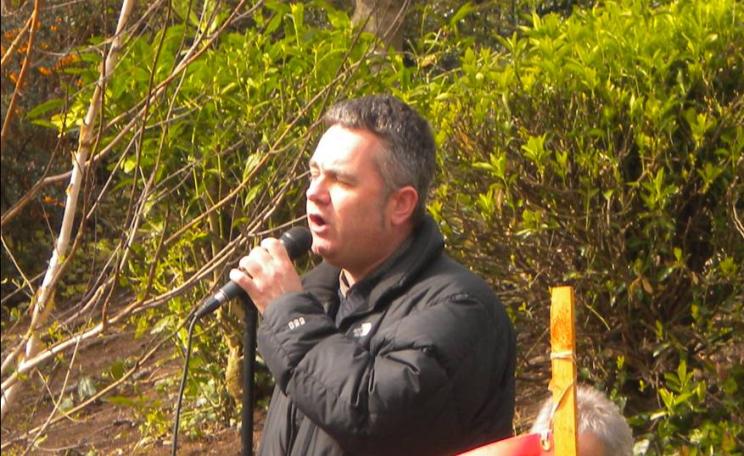
Anyone working to protect badgers from culling will know of Dominic Dyer - wildlife advocate and new director of the Badger Trust. Lesley Docksey met him 'on the hoof' at a recent march - and found out just why the badger campaign is so important to him.
If rhinos are driven to extinction in the wild, Africa's landscapes and ecosystems would be very different, reports Rachel Nuwer. The activities of this mega-herbivore diversify plant life and create prime grazing spots for other animals.
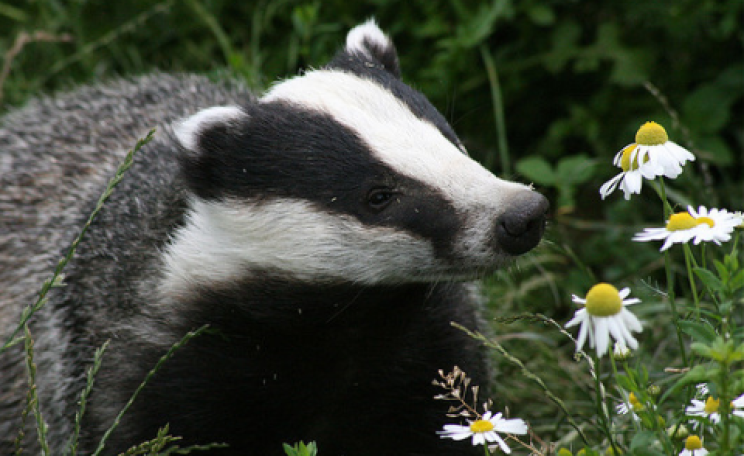
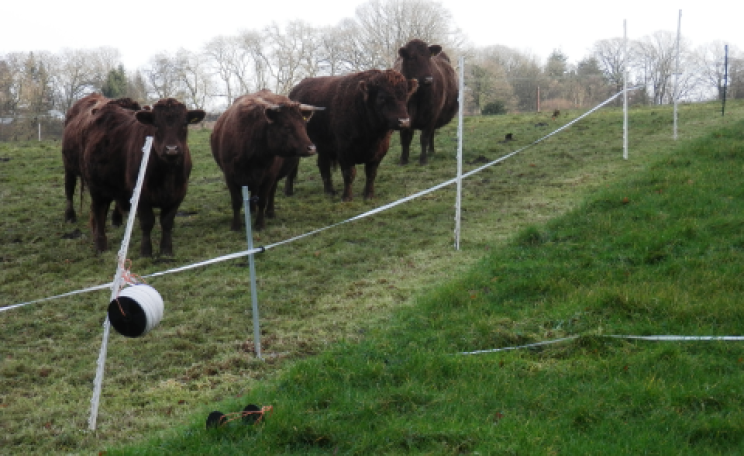
Owen Paterson's bold plans for a national badger cull rollout are now in tatters, writes Dominic Dyer, as he stands condemned by both sides in the debate. Wales shows the real way forward, with biosecurity, cattle movement control, TB testing and vaccination.
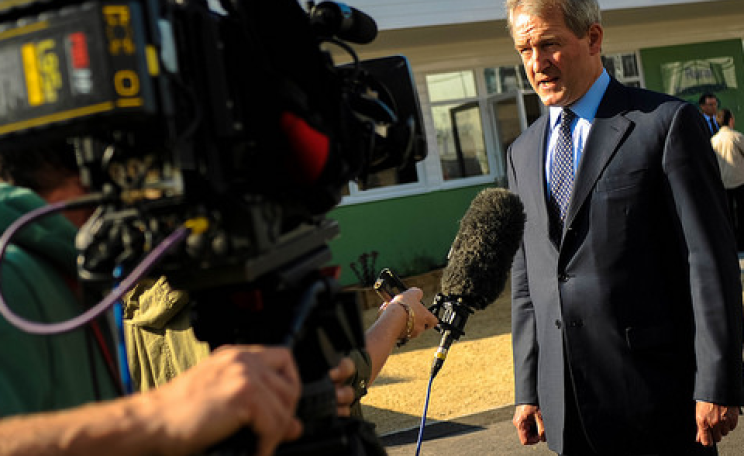
Environment Secretary Owen Paterson told Parliament today that the badger cull will continue - and with no independent scientific oversight. However it will not move to new areas. Here we reproduce his full statement to the House of Commons.
A few hours from Melbourne lies one of Australia's natural wonders - a soaring forest of Mountain Ash trees up to 90 metres tall, with a host of endangered species. David Lindenmayer demands a halt to the logging, and the creation of a new National Park.
A leaked paper from Defra reveals that future badger culls will extend to 'all host species' for bovine TB, including domestic pets, in order to eliminate all disease reservoirs.
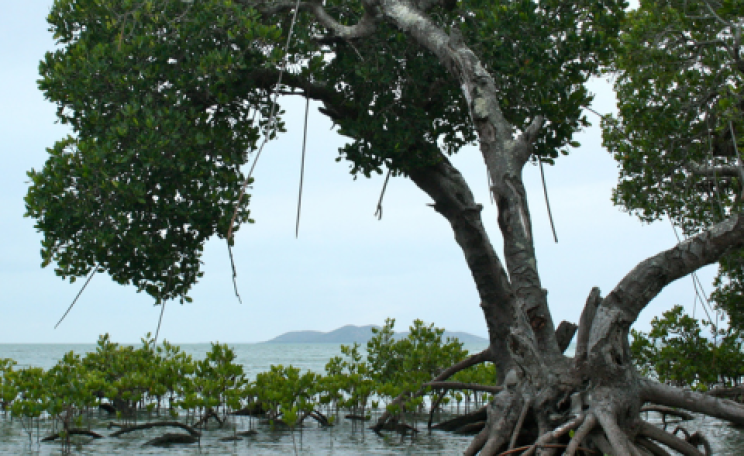
As the IPCC prepares to launch its latest climate report, Mark Spalding reports that mangrove swaps don't just protect coastlines from storms, flooding and erosion - they also sequester huge tonnages of carbon. And that makes them a super-smart investment ...
The degraded Mediterranean-like savannas of Central Chile are in serious need of re-wilding, writes Meredith Root-Bernstein. And that means bringing back the guanaco, hunted out 500 years ago, to browse on the thorny acacia scrub.
'Brand lemur' could draw much needed ecotourism spending to Madagascar, writes Ian Colquhoun - benefiting local communities, and providing the funds needed to save lemurs from the very real threat of extinction.
Pending the publication of the long-delayed Independent Panel report on the badger cull, Lesley Docksey finds that the fight for England's badgers is part of an even bigger campaign for scientific and political integrity.
Cities all over Britain are threaded by 'lost rivers' that have been hidden away in tunnels and culverts. Jenny Jones argues that it's time to restore them to a more natural state - improving habitats for wildlife and people, and reducing flood risk.
In a ground-breaking decision the BBC has admitted: it was wrong to state that badger culling in the Republic of Ireland had reduced incidences of TB in cattle. Will the decision stop the Government from making the same mistake?
Scientists think the amount of methane emitted to the atmosphere from freshwater ecosystems will increase as the climate warms, reports Tim Radford. And that will trigger further warming.
Managing grasslands in a way that mimics natural grazing by wild animals improves water infiltration, reduces erosion, conserves nutrients, reduces costs, raises production and increases profits, writes Natasha Giddings. Why isn't everyone doing it?
An intensive study of the flora of one meadow in the Rocky Mountains of Colorado over 39 years reveals a consistent long term pattern of change: first flowers 6 days per decade earlier, last flowers 3 days per decades later.
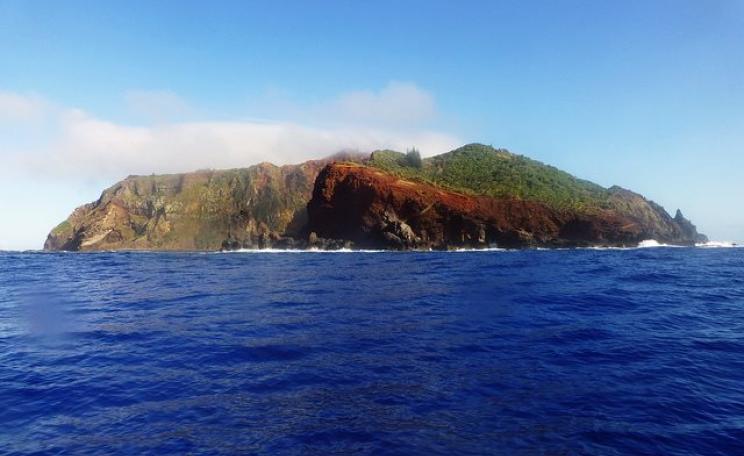
The UK is to create a fully protected marine in the South Pacific more than three times bigger than the UK itself, covering some 830,000 square kilometres. The move may herald further huge designations in the UK's 'overseas territories' which encompass over 6 million square kilometres of ocean.
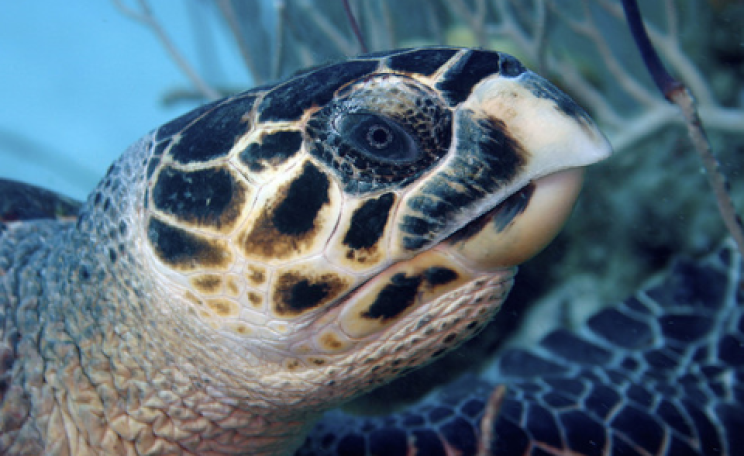
The Government of the Turks and Caicos Islands has adopted a new conservation plan for its sea turtles that will protect mature adults so they can breed, and so reverse population declines.
The UK's House of Commons has voted overwhelmingly for a motion stating that pilot culls have 'decisively failed' - by 219 votes to one. But the vote is non-binding - will the Government listen?
In principle ancient woodland enjoys strong protection, but that's not how it works out on the ground, reports Sian Atkinson. HS2 alone threatens 82 ancient woods, and 440 are at risk nationwide. Hence the Woodland Trust's 'Enough is Enough' campaign ...
Brian May is best known as lead guitarist for the rock band Queen. But as Lesley Docksey discovers, he is also an astrophysicist, and a committed - and highly effective - advocate for Britain's wild animals, including badgers put at risk by England's cull programme.
We need a robust and open system to accurately record the loss of ancient woodland, argues Mike Townsend. Only then can we fully realise the scale of the problem - and tackle it effectively.
For sheer guts, vision and results, a single organisation stands out among the US's environmental defenders - the Alliance for the Wild Rockies. Jeffrey St. Clair met its leader, Mike Garrity, winner of 2014's Grassroots Activist Award.
Our emissions of greenhouse gases may end up recreating the conditions of the Pliocene era of 2.6 to 5.3 million years ago. Warm and wet, life could still thrive, writes Richard Pancost. As for a 40 metre rise in sea level ...