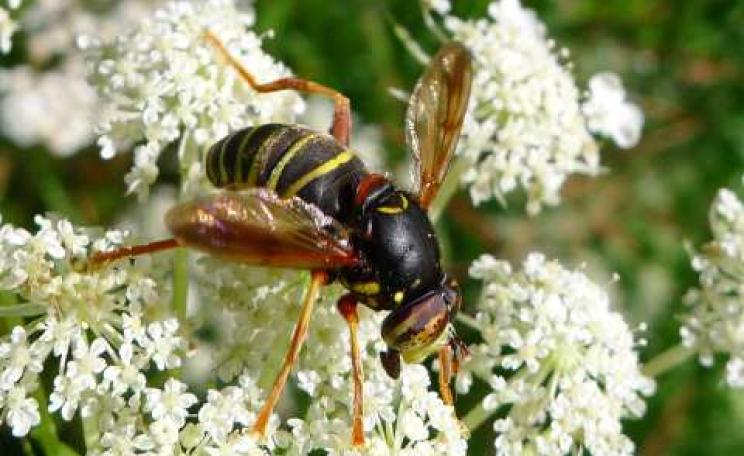
The Swedish island of Runmarö provided Fredrik Sjöberg with a collector's paradise of hoverflies, and the perfect setting for his passionate search through forests, ponds and swamps in the flies' pursuit. Camilla Huxley-Lambrick dissects The Fly Trap ...
The experience of visiting a zoo is about to change dramatically, writes Robert Young. But far more important than the visitor, zoos will create a far richer, more diverse and stimulating environment for the animals that inhabit them.
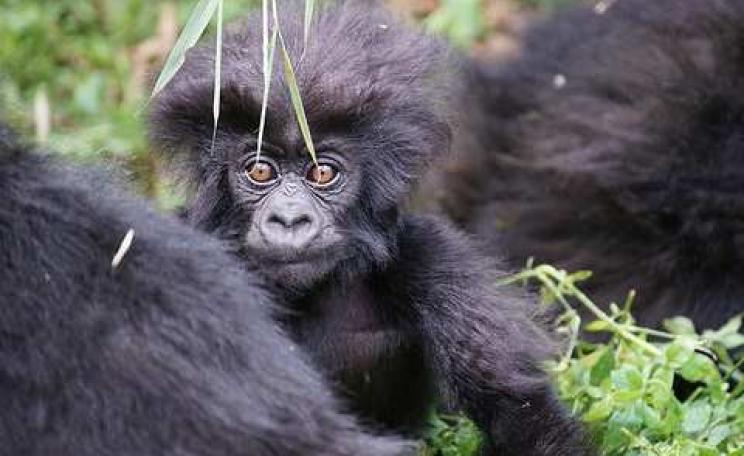
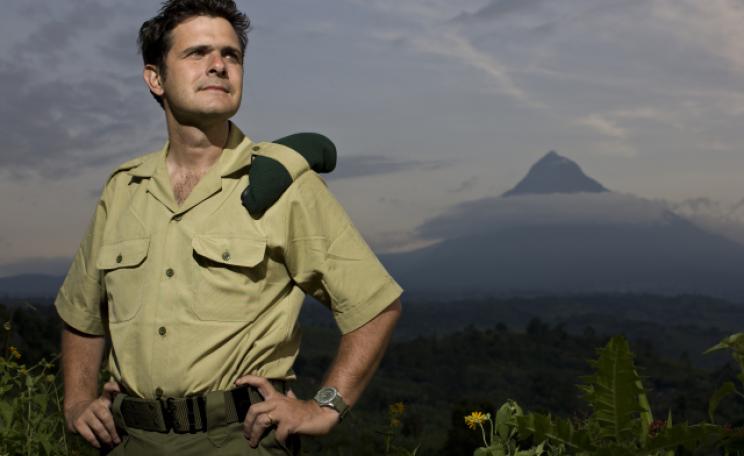
A UNESCO mission to Virunga, home to 200 Mountain gorillas, has demanded an end to oil exploitation in the National Park, which it describes as 'extremely threatened'. London-based Soco International began seismic testing in the Park last month.
Senior Gloucestershire police were questioned this week about the policing of the 2013 pilot cull, writes Lesley Docksey. But the Police Commissioner never asked about the most serious problems - police bias and ignorance of the law, and culler criminality.
Talis Kalnars was a pioneer of 'continuous cover' forestry in Britain, writes Phil Morgan. His woodlands were not only beautiful but profitable, as he nurtured the 'natural capital' of the forest ecosystem, and only harvested the dividend of high value timber.
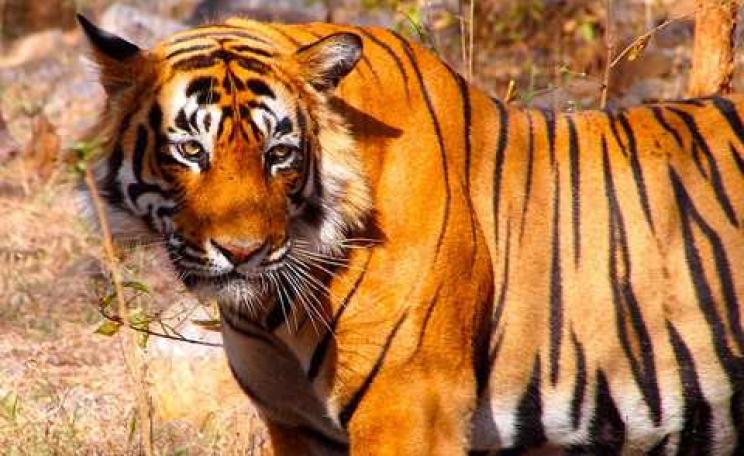
India's conservation agencies are intent on the illegal eviction of indigenous communities from protected areas - even though they are often the best protectors of endangered wildlife. The Similipal Tiger Reserve is the latest battleground.
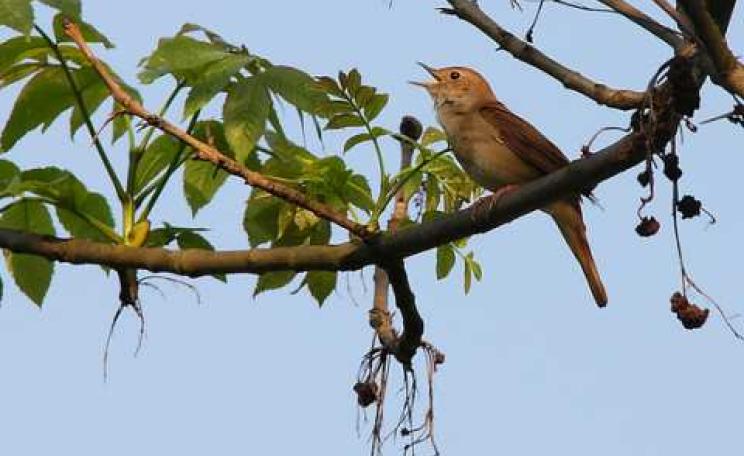
Britain's nightingales are in decline - not least because of intensive farming, and our insistence on building over their last refuges. But their song is as unforgettable as ever, writes Chris Rose, and that will surely be the key to valuing them more ...
Days after our exposé of a policing disaster at England's 2013 badger culls, the Police Commissioner for Gloucestershire is to question the county's most senior police officers. The event will be video-streamed online.
In its report on last year's pilot badger culls, the Independent Expert Panel (IEP) judged that the culls failed the criteria for effectiveness and humaneness, but satisfied those for safety, writes Lesley Docksey. The facts say otherwise.
The Keruak Corridor in Malaysian Borneo - a critical area of rainforest which links protected areas sheltering increasingly endangered orangutans - has been secured, with £1 million raised to buy the land.
The 1994 genocide in Rwanda could easily have finished off the mountain gorillas of the Virunga mountains. The fact that they survived is in large part thanks to Eugene Rutagarama. He spoke with Veronique Mistiaen about the primates' future prospects ...
Eating wild plants and mushrooms is a pleasure we should all indulge in, believes open air gastronomist Humphrey Birley - and this new edition of 'Wild Food : a complete guide for foragers' is just what's needed to get us exploring woods, hedgerows, meadows and salt marshes in search of edible delicacies.
On paper, Romania has a thriving wolf population. But Luke Dale-Harris finds that the official view is based on erroneous figures from hunting associations who are, bizarrely, responsible for wolf conservation. The truth is that the wolves are at serious and growing risk.
2014 Goldman Prize winner Suren Gazaryan took on the Kremlin in trying to block illegal development at the Sochi Olympics and on the Black Sea coast, writes Sophie Morlin-Yron. Forced to flee to Germany, he can finally get down to researching his beloved bats.
You would think vets would take animal welfare seriously, writes Lesley Docksey. So why does the British Veterinary Association (BVA) support England's badger cull - when all the science is telling them it's both cruel, and ineffective against Bovine TB?
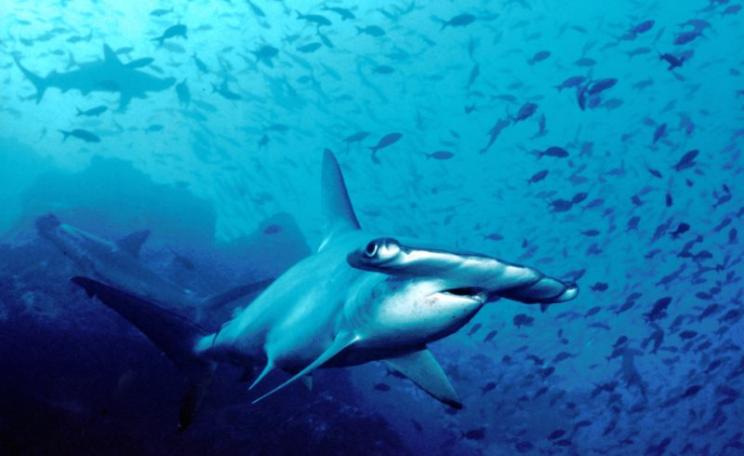
A Pacific island paradise 340 miles from Costa Rica's coast should be the ideal place for marine conservation, write Julia Baum & Easton R. White. But while its waters are indeed teeming with life, steep population declines in key shark and ray species show that stronger protection is badly needed.
New scientific research shows that culling badgers can increase local hedgehog numbers. As UK hedgehog populations continue to decline, Hugh Warwick asks - are badgers to blame? Or does the real problem lie elsewhere?
As the destruction of the biosphere continues, we need to establish new legal systems to protect what remains. Mumta Ito proposes a new beginning for environmental law based on extending 'civil rights' to the natural world.
Following the shooting of Virunga's chief warden last week, WWF is calling on UK oil company Soco International PLC to pull out of the Park and respond to allegations made in a new documentary premiering at the Tribeca Film Festival.
The US Forest Service is developing a new armory of aggressive and often illegal tactics to push through loss-making timber sales, as it brands forest defenders as 'eco-terrorists'. Time to dig in for the trees - and the wolves.
Wales has an enviable record of declining BTB in cattle - without having to kill a single badger. Jan Bayley explains how Wales's combination of frequent testing and exacting biosecurity has succeeded - and how England can learn from Wales's experience.
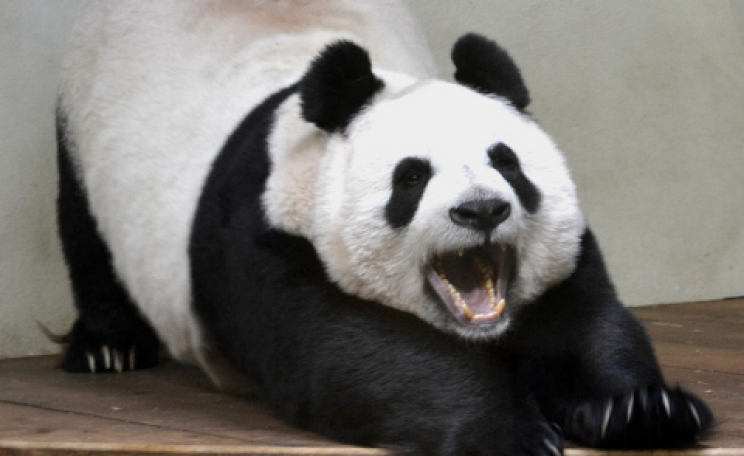
Just why do giant pandas find it so difficult to mate? It's because they're in captivity, and so little of their wild habitat survives. But in Edinburgh zoo, writes Forbes Howie,
scientists are hard at work to get Tian Tian pregnant ...
The Grizzly bear hunting season is under way in British Columbia, Canada. The government claims that the decision to open the hunt and the kill quotas are 'science-based' but as Kyle Artelle writes, science doesn't get a look in - and the Grizzlies' are in serious danger.
Paterson's speech to Parliament on the continuation of the badger cull was not so much a masterpiece of deception, writes Lesley Docksey, as a crude botch-up of errors, wrong statistics and a failure to understand the very real problem of TB in cattle.