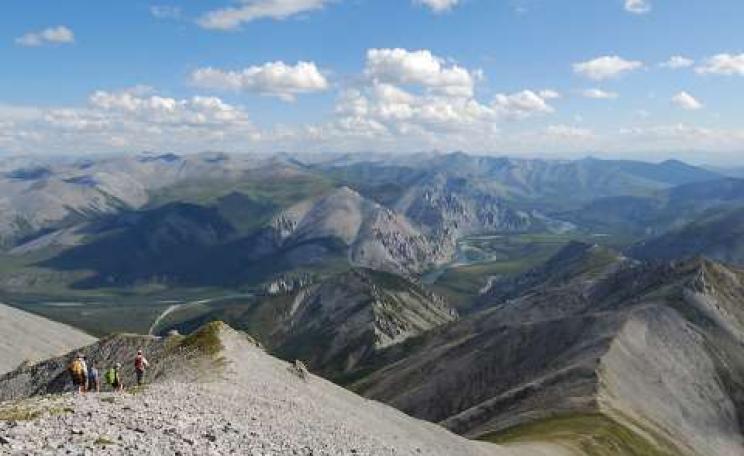
Russia is rich in nature reserves and national parks, writes Mikhail Kreindlin. But the government body meant to be protecting them is in fact promoting logging, building and mining projects. Conservationists are fighting back, but the odds are stacked against them.
Next week the indigenous peoples of the Yukon challenge their Government in the Territory's Supreme Court, writes Jill Pangman. At issue, its plans to open the Peel watershed, a vast unspoilt ecosystem rich in wildlife and cultural meaning, for industrial development.
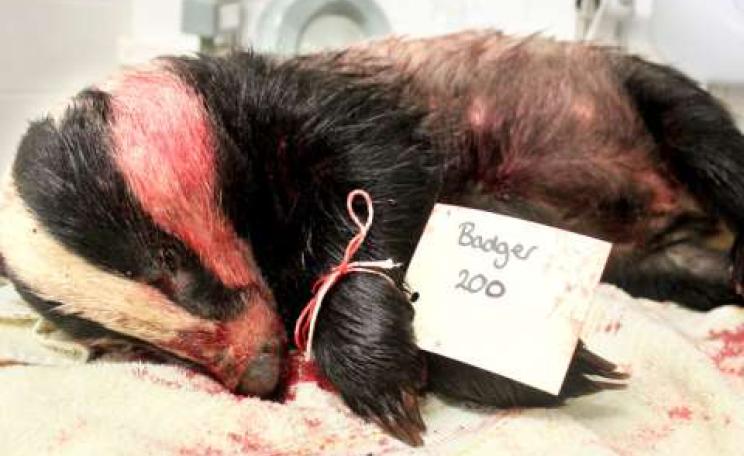
The Badger Trust has been granted leave for a Judicial Review of Environment Secretary Owen Paterson and Natural England over their 'irrational' decision to conduct the 2013 badger cull with no independent expert scrutiny.
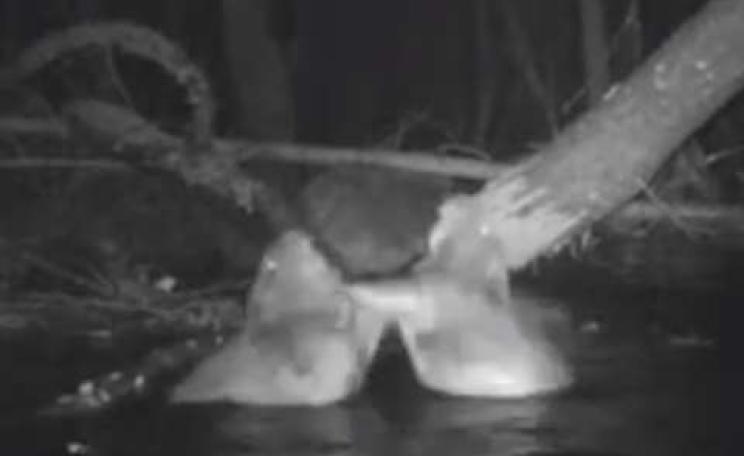
A family of wild of beavers has established on an English river for the first time since Henry VIII. But now the Government has decided to trap them and consign them to captivity in a zoo or wildlife centre. Defenders of wilderness are now demanding: keep our wild beavers free!
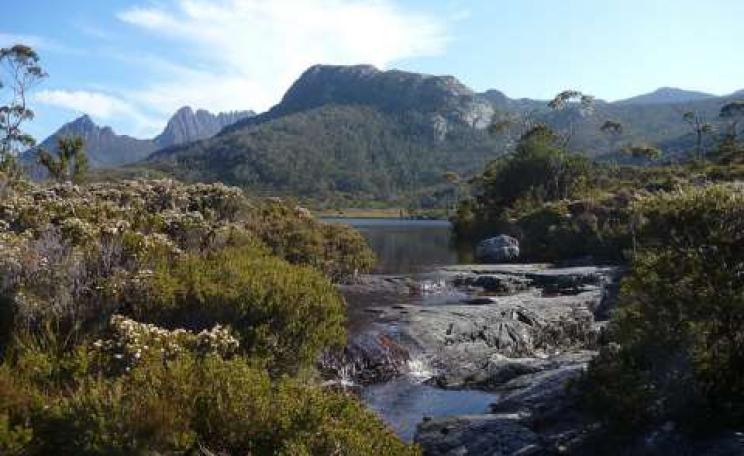
UNESCO has refused to 'de-list' 74,000 hectares of the Tasmania Wilderness World Heritage Area as requested by the Tasmanian and Australian governments, following a 'feeble' presentation.
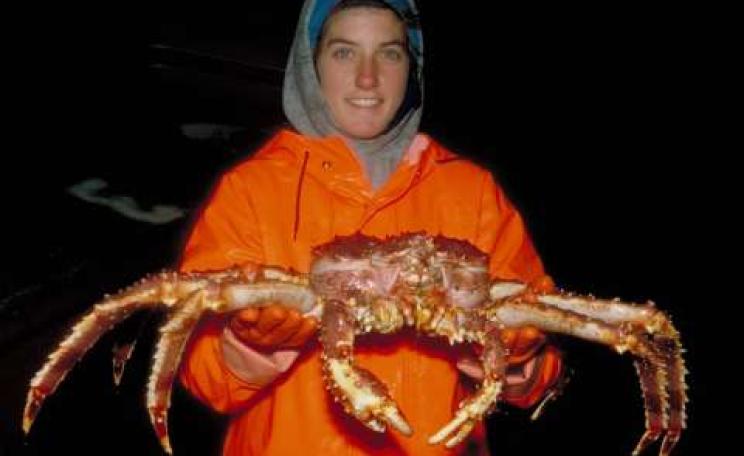
As the Arctic warms and its ice melts, growing numbers freight ships are reaping big savings from the 'Arctic short cut'. But this is creating a huge risk of invasive species spreading in ballast water and on hulls - disrupting both Arctic and temperate ecosystems.
There is much merit in the cliché that 'a picture is worth a thousand words', writes Edgar Vaid, but 'Our Beautiful, Fragile World' suggests that great photography complemented by explanatory text is worth even more ...
Africa sustains some of the most spectacular ecosystems on the planet - from the Sergengeti to the Congo Basin to the Eastern Arc forests. But those ecosystems and their iconic wildlife are now facing their greatest peril, writes William Laurance - a mining boom of unprecedented intensity.
Botswana's Okavango Delta, one of the most iconic natural areas on the planet, has been listed as 1,000th World Heritage site today. The decision follows the advice of IUCN, UNESCO's advisory body on nature.
The image of the rancher in the rugged West is one of self-sufficiency and a tough defiance of government, writes George Wuerthner. But the truth is that ranchers, especially those using federal land, depend on a host of generous subsidies, both economic and ecological.
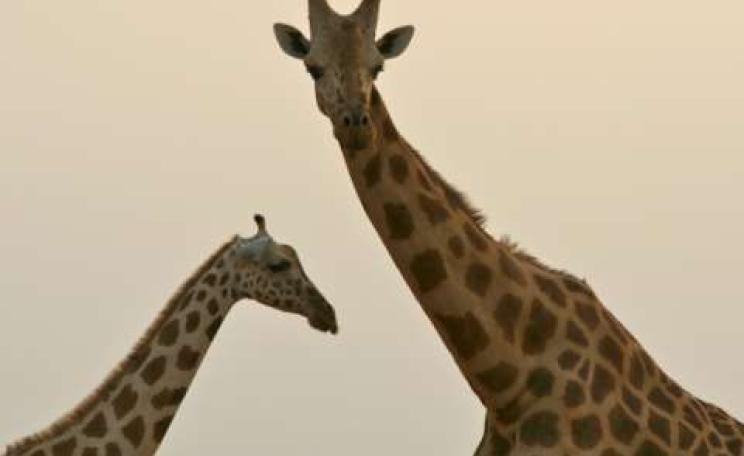
On the first-ever World Giraffe Day, the world's tallest land mammal is threatened by conflict with humans, habitat loss, war, and disease. One subspecies, the West African giraffe, is down to 400 individuals.
74,000 hectares of Tasmania's native forest wilderness will be opened up to industrial logging, writes Jess Abrahams - if Australia's government succeeds in removing its World Heritage status at a UNESCO meeting now under way in Doha.
With the 6th International Conference on Bovine TB under way today in Cardiff, Lesley Docksey reports on Defra's latest statistics. BTB in England is falling - and it's falling fastest where the strongest biosecurity measures are in place, confirming the experience of Wales and Scotland.
The EU's farming policy is being touted as 'greener than ever' - but it's no such thing, write Lynn Dicks & Tim Benton. The 'green reforms' pay farmers for actions (and often inactions) that do not benefit wildlife, and contain no real or effective measures to help.
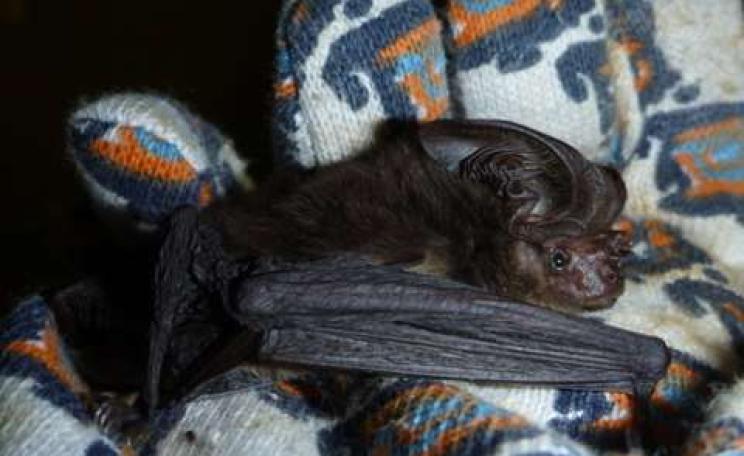
A 'microbat' that has remained unrecorded since 1890 has been discovered in Papua New Guinea. But with the country's forests under growing pressure from logging and for conversion to plantations, this and thousands of other biological treasures are at risk.
Following new research showing that even culling a single badger from a family can cause a 'perturbation' that spreads TB, a new call has gone out on farmers to give up on culling, and 'go badger friendly' to control the disease.
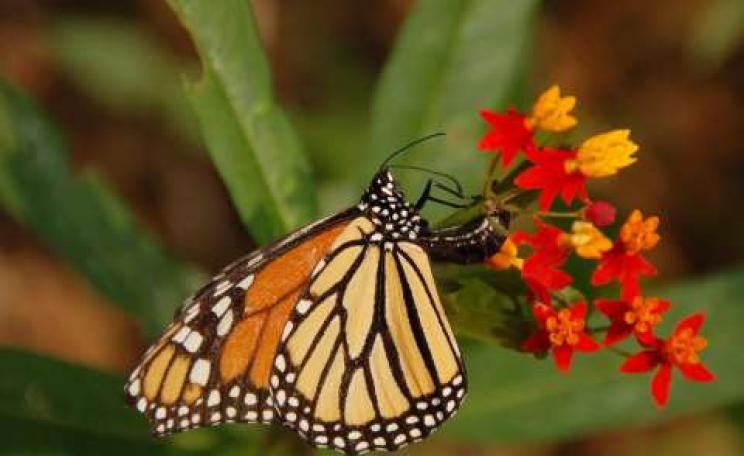
Thanks to herbicide use on GMO crops in the US and Canada, Monarch butterfly numbers have crashed - the milkweeds the larvae feed on now survive mainly in 'conservation reserve' land and roadsides - and there's a 5% chance the Monarch will be extinct within 100 years.
NFU running police control rooms. Violent 'bounty-hunting' badger shooters in the woods at dead of night, none too bothered about the finer points of law. Confused, ill-informed police bearing prejudice against 'protestors' ... It's all a recipe for a big mess, writes Lesley Docksey.
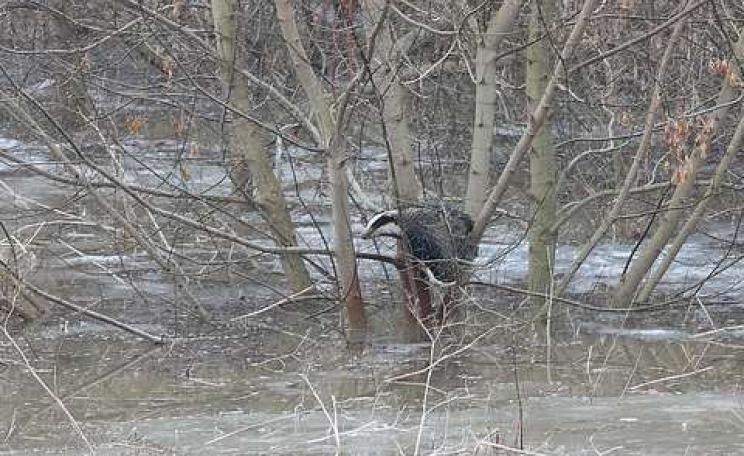
Following last winter's severe flooding in SW England, the Government has refused to assess how badly badgers suffered - even though local populations could have crashed. If the cull goes ahead, badgers could be wiped out of some areas altogether.
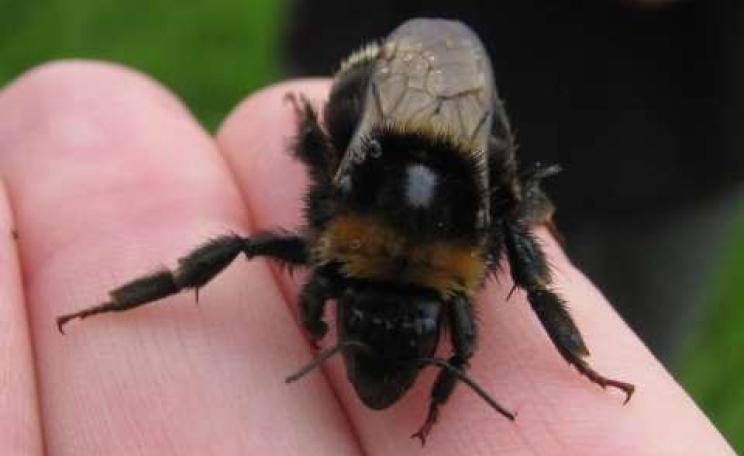
The short haired bumblebee was declared extinct in the UK 30 years ago. But now the species is being re-introduced in the flower-rich meadows and field margins of Kent, writes Michael Parker - helped along by sympathetic local farmers.
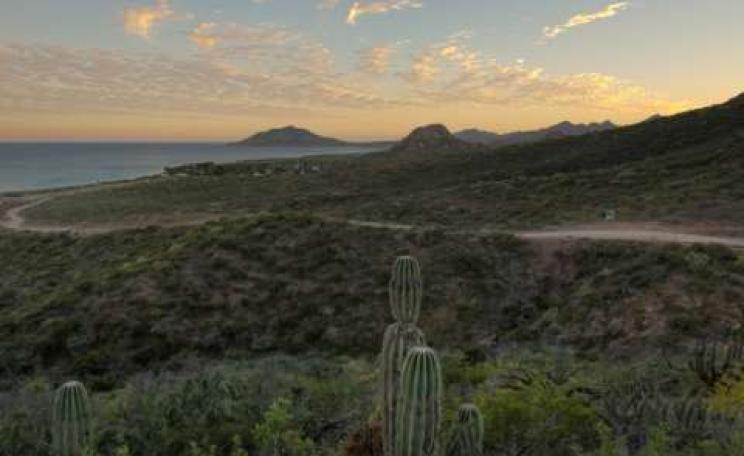
The Baja California peninsula is rich in history and natural beauty, with thousands of unique plants and animals making up its globally unique ecosystems, write Sula Vanderplank & Benjamin Wilder. Just the place for a new giant hotel resort?
Wilderness campaigners need to remember how great victories were won in the past - which was to aim high and hold steadfast, refusing easy compromises, writes George Wuerthner. Opposition must be overcome, never appeased.
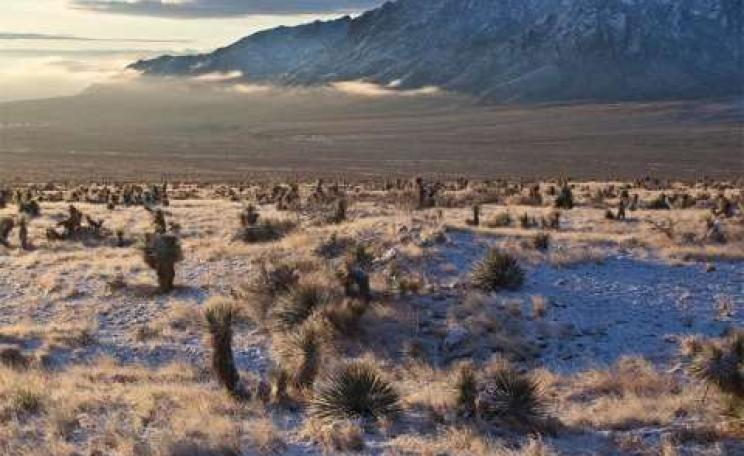
The stunning landscape of the Organ Mountains in New Mexico is now permanently protected as a National Monument following a Presidential Proclamation, reports Ted Zukosjy of Earthjustice.