Lewis Pugh has completed long-distance swims in the 'seven seas' to promote his dream of a peaceful world of well-managed Marine Protected Areas, abundant oceans teeming with fish, turtles, whales, sea-birds and sharks. His shocking experiences in the water make that dream more urgent and compelling than ever.
We know that Australia's dry bush has co-evolved with fire, so that means regular planned burning is a good thing? Up to a point ... some increasingly rare species depend on 'old growth' bush up to 100 years old, and over-frequent burning is putting them under long-term threat.
Roads are responsible for massive environmental damage around the world, writes Bill Laurance - yet they also bring huge benefits. His solution? A new atlas that shows where the 'goods' of roads outweigh the 'bads', so that developing countries can harness the prosperity new roads can bring, without the destruction.
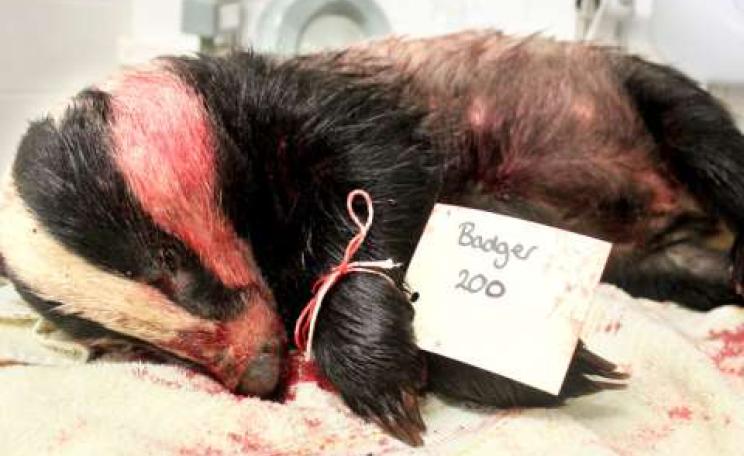
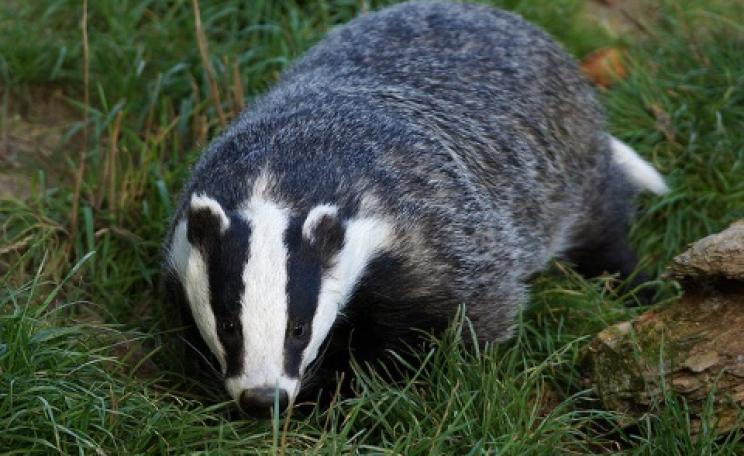
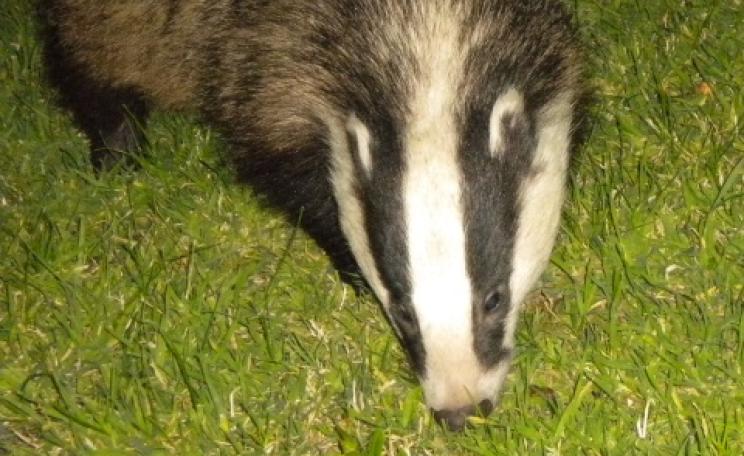
A High Court judgment on the lawfulness of the 2014 badger cull is awaited. A criminal investigation is under way on the dangerous and illegal behaviour of culling contractors. Obviously, writes Lesley Docksey, it's the perfect time for Natural England to authorise another round of culling.
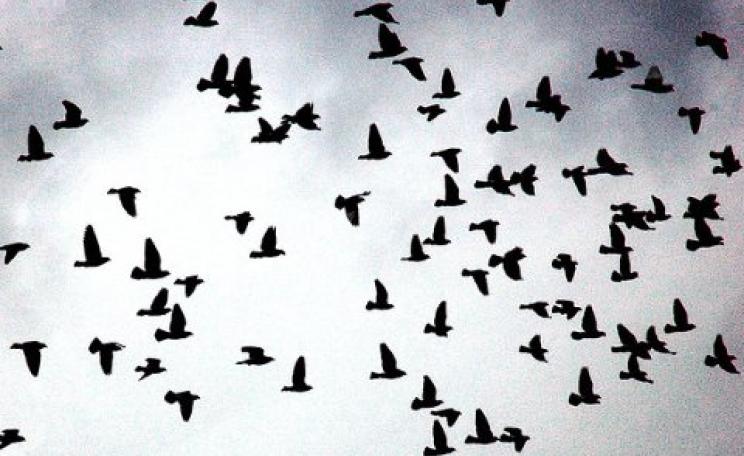
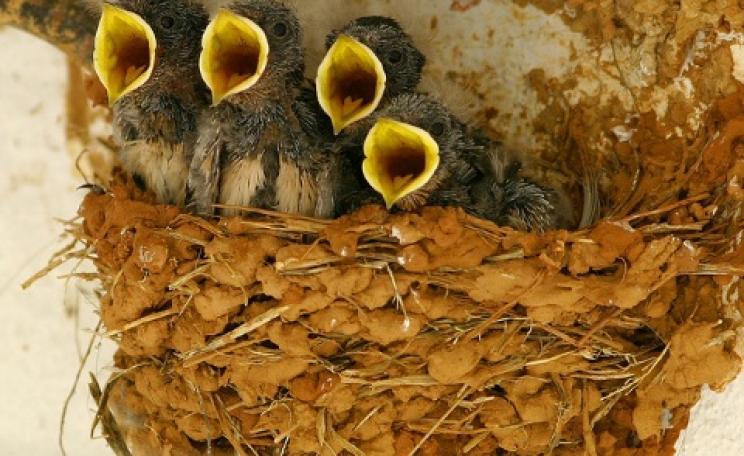
Airports around the world are waging a war on birds, writes Rose Bridger. It's meant to prevent aircraft bird strikes. But in fact, fatal (for people) collisions are rare - and even killing thousands of birds does little to reduce the number of strikes. Best fly less, and keep airports away from birds!
A string of events earlier this year provided a sobering snapshot of a global climate system out of whack, writes Peter Fisher. Could it represent the end of a rare 10,000 year island of stability in global climate? If so, we had better get used to it. The Earth may never be so comfortable again ...
New revelations show that the rifle-wielding badger cullers were often acting criminally, writes Lesley Docksey - pursuing badgers with loaded weapons on both private and public land outside licenced areas, with impunity, while the IEP was apparently kept in the dark. Strict controls are essential - or just an end to the cull.
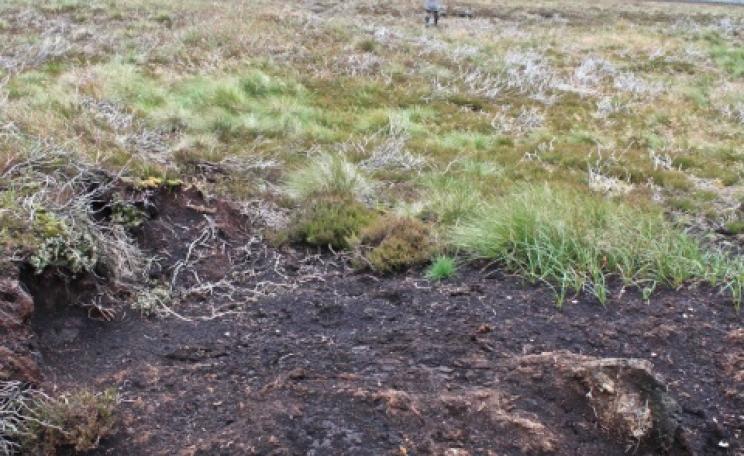
Today, on the 'Glorious 12th', well-heeled folk take to the hills to shoot grouse. And to be sure there's lots of birds to kill, writes Martin Harper, England's moorlands are burnt with dire impacts on their biodiversity and ability to absorb rainfall. It's high time to end this barbaric practice!
Last week the Upper Tribunal of the Royal Courts of Justice ordered Defra to release key information about the badger cull based on a 'public interest' argument, writes Lesley Docksey. Could this judgment open a new era of transparent and accountable government?
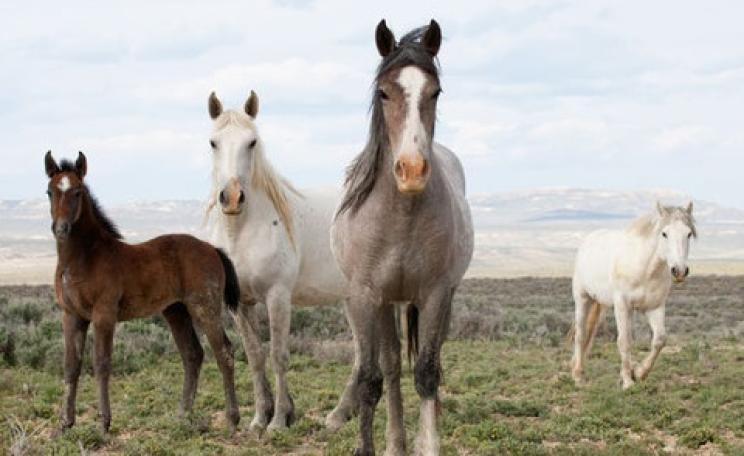
Wild mustangs are a potent symbol of pioneer spirit in the old West, writes J. Edward de Steiguer. But with few natural controls on their numbers, the population of almost 100,000 is rising by 20% a year. Now it's up to humans to control their numbers - one way or another.
The UK has just opened a bidding round for fracking licences. But the rules contain only weak protections against fracking in National Parks and AONBs - and none at all for even the most important wildlife sites and drinking water aquifers.
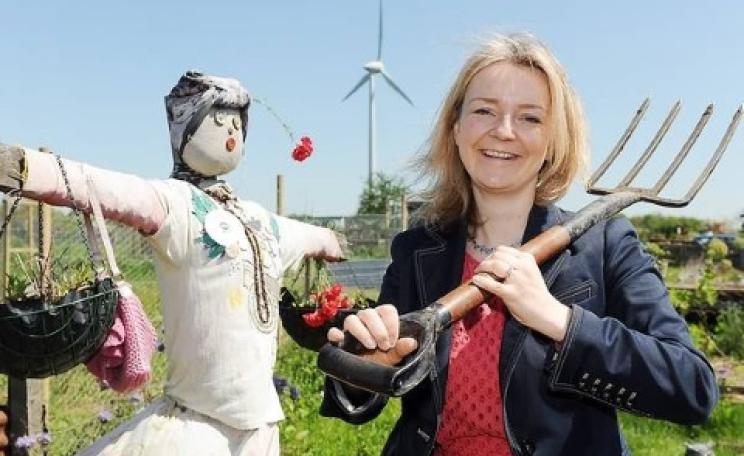
'We need to look at the best scientific evidence' on badgers and bovine TB, says Environment Secretary Liz Truss. But as Lesley Docksey writes, the 'best scientific evidence' appears to mean only that which supports the cull - and there's precious little of it!
To live sustainably we must learn to live with wildlife, Patrick Barkham argues in his book Badgerlands. To do this we have much to learn from our ancestors - but we must also discard their barbaric practices and outrageous myths that, even today, some are so keen to perpetuate.
A new report on the Channel's fisheries is a timely reminder of the ecological trend to 'simplification' as whole trophic levels are stripped away by over-exploitation, writes Horatio Morpurgo. Yet the government's profit-focused vision of 'sustainability' is missing the essential element - allowing the recovery of marine ecosystems.
A global taxonomic review of birds has 'discovered' 361 new species that were previously considered 'races' of existing bird species - but many of them are endangered, forcing a rethink of conservation priorities.
The Badger Trust will challenge the trial badger culls in the High Court next month, claiming that Environment Secretary Liz Truss and Natural England are acting unlawfully in failing to appoint an expert panel to oversee the experiment.
The UK's coastal waters are producing little but tiddlers and scallops, writes Jason Hall-Spencer - and to blame is the endless gouging of the seabed by trawlers and dredgers - even in 'marine reserves'. We must allow our marine ecosystems to rebuild!
The new Environment Secretary Liz Truss flunked her first 'Green test' today as she told Parliament that the badger cull goes on. We run this excerpt from the Parliamentary record in which she states 'We are progressing with our programme!'
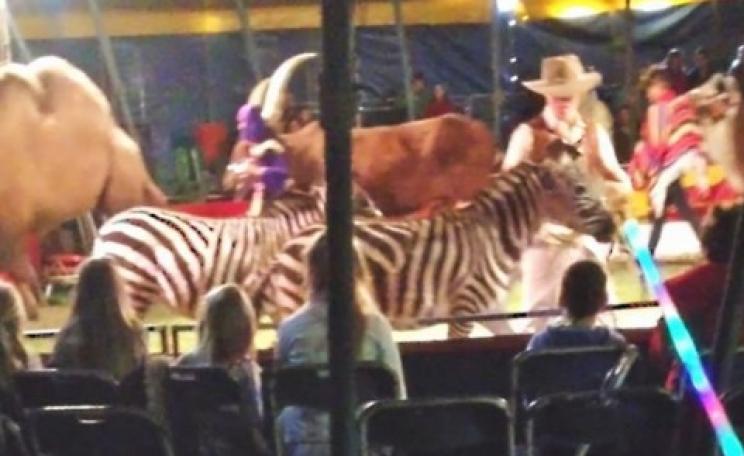
A former Defra minister will introduce a new Bill to Parliament in September to ban wild animals in circuses. It reflects Government policy since 2012 and the Prime Minister has promised 'We're going to do it'. But will he keep his word?
A study published today in Nature shows a strong correlation between concentrations of a popular neonicotinoid pesticide in water, and bird declines, writes Helen Thompson. Regulators are under pressure to tighten up, but the industry still claims there's 'no substantiated evidence'.
Brazil's Ilha de Queimada Grande is the only home of one of the world's deadliest, and most endangered, snakes, writes Natasha Geiling. Just the place for Brazil's disgraced football team to escape the wrath of furious fans, if they can only get a permit ...
The choice of the armadillo as World Cup mascot could have led to great conservation gains in Brazil, writes Robert Young. Results so far are deeply disappointing - but it's not too late for FIFA and Brazil to create a natural endowment to be proud of for decades to come.
The US Fish and Wildlife Service has done pioneering conservation work to save North America's endangered Red Wolf, under threat from shooting and inter-breeding with coyotes. But now federal budget cuts are putting all that - and the Red wolf itself - at risk.
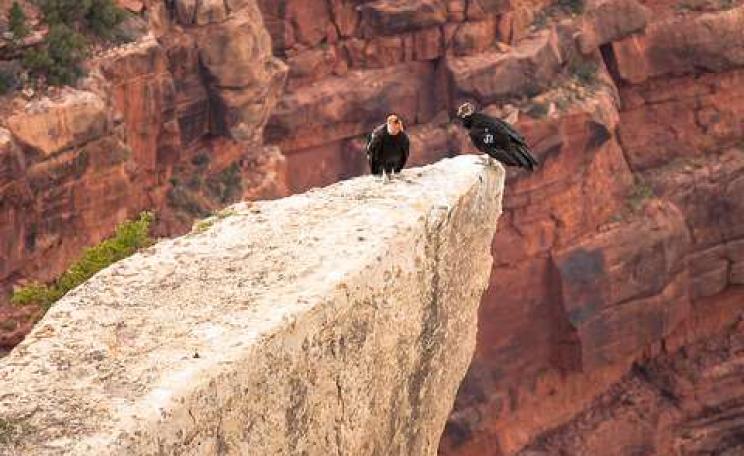
Ample peer-reviewed science says that the number one threat to condor survival is lead poisoning from eating bullets and pellets in carcasses, reports Dawn Starin. But the powerful NRA is fighting hard against bans on lead ammunition.