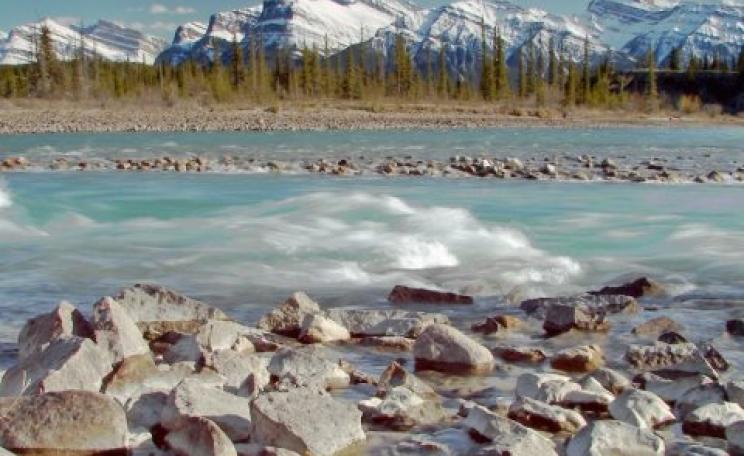
Much of Alberta, Canada has already been damaged by industrial clearfelling, or lost to the tar sands industry, writes Carol Linnitt. But now there's a chance to keep 'the most beautiful example of pristine eastern slopes Rockies out into the foothills' as wilderness, in the North Saskatchewan's unspoilt headwaters.
The Badger Trust' is in the Court of Appeal today, making its case that the 2014 'trial' badger cull is unlawful, writes Dominic Dyer. But beyond that, the entire culling policy is driven by politics, not science, and is doomed to failure. It's time for Cameron to harness his 'big society' to apply a genuine solution: badger vaccination.
Three thousand light years is a long way from Earth - but Vali Ohm have made the journey in quick time. It's the distance between their latest album, Fragile Earth, and their previous space-rock album 3000 Light Years, a homage to the sounds of the 1970s. Vali Ohm's Danny Jackson charted the journey with Laurence Rose.
The repeated burning of England's upland moors - carried out so more grouse can be reared for lucrative shooting parties - is seriously damaging a unique and valuable ecosystem, writes Paul Brown - destroying ages-old peat, reducing its capacity to retain water, and releasing megatonnes of carbon to the atmosphere.
Soils are naturally alive with complex 'food webs' of micro-organisms that sustain plants with moisture and nutrients, making them good to eat. But once the biota have been blitzed with agro-chemicals under industrial farming regimes, it's our health that suffers. One more reason to grow, and eat, organic!
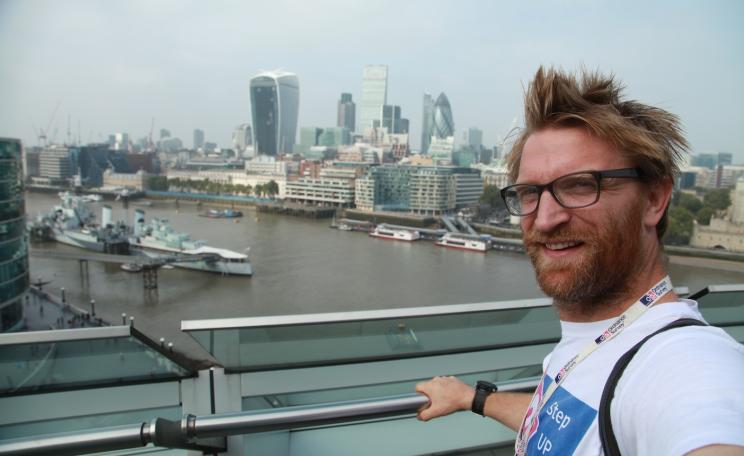
Daniel Raven-Ellison is a man with a big idea - making London the world's first 'National Park City' to safeguard, and promote the enjoyment of London's myriad natural treasures, writes Lucy Anna Scott. Is he bonkers? Probably. But with a growing band of backers getting behind his bold vision, who cares?
Shocking events have taken place in Malta as hunters - angered by a temporary closure of the bird-shooting season - attacked bird watchers, writes Steve Micklewright. But with a Maltese politician taking on the role of Environment Commissioner, the real battle lies ahead: the survival of the Birds Directive.
The plight of much of the world's wildlife seems 'worse than ever', writes Alex Kirby. To blame is unsustainable human consumption, which is driving habitat loss, climate change and the illegal wildlife trade.
Faced with a worldwide 52% decline in wildlife numbers over 40 years, Paul Jepson calls for action, not despondency. A new, inclusive vision of how to conserve and rebuild biodiversity is needed - that embraces diverse solutions, engages new technologies, inspires a new generation of leaders, and echoes the call of the wild.
The number of wild vertebrate animals has more than halved over the last 40 years, writes Hugh Warwick - a truly catastrophic rate of decline. Yet the BBC did not consider it important enough to ask the Prime Minister about yesterday morning. Step one to saving our wonderful wildlife - rekindle our love for the natural world.
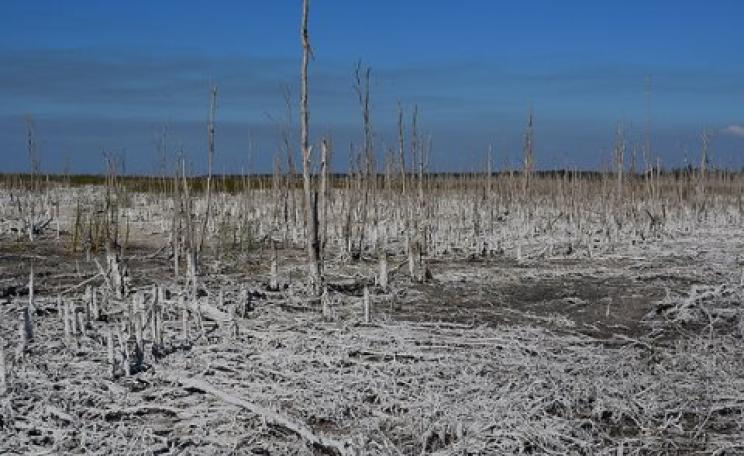
Ukraine's Priazovskii National Park epitomises the problems faced by the world's natural areas, writes Dimiter Kenarov, as it contends with inadequate funding, rising sea levels, dried-out rivers, industrial pollution and illegal hunting. And that's not to mention the war. But the staff battle on: 'If we don't do this, then who will?'
In a rare 'summary judgment' a federal court has ruled that the devolution of gray wolf protection to the state of Wyoming was unlawful because it was based on non-binding assurances. Federal protection is restored - for now. But an even bigger battle lies ahead.
Deep in rural Devon, the word is that the Government intends to trap the wild-living beaver family on the River Otter next month, and consign them to captivity. But as Alasdair Cameron writes, this is not only unnecessary and unpopular, but probably illegal as well.
Governments must shift subsidies and research funding from agro-industrial monoculture to small farmers using 'agroecological' methods, according to the UN's Special Rapporteur on the Right to Food. And as Nafeez Ahmed notes, her call coincides with a new agroecology initiative within the UN's Food and Agriculture Organisation.
Can you be a committed nature and animal lover, and enjoy shooting and angling? Only after extraordinary mental contortions, writes Lesley Docksey - who is only mildly surprised to find out that a Facebook critic is a PR man for 'country sports and associated technologies'.
Speaking in Stroud this week, Huw Irrancas-Davies MP delivered a withering attack on the Government's badger cull policy - and firmly committed a future Labour government to ending the badger cull, using measures to control bovine TB that are safe, effective, and humane.
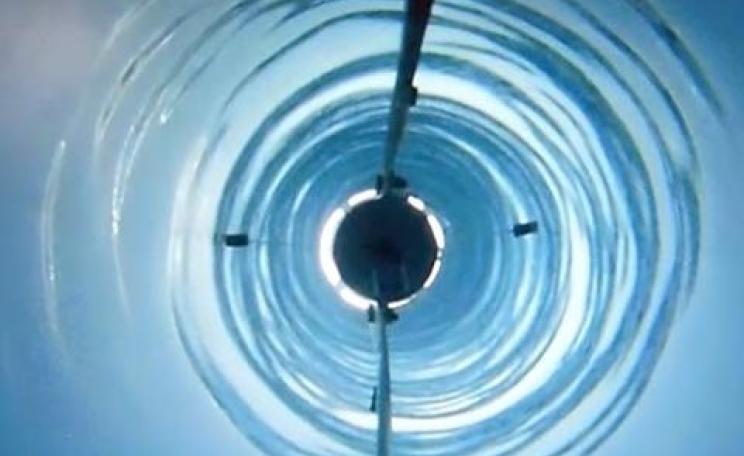
Beneath half a mile of ice scientists have uncovered the first hard evidence of a life in a subglacial lake, writes Helen Thompson. And not just life, but a complex ecosystem comprising thousands of microbial species. Could Jupiter's frozen moon Europa be hiding lakes like this?
Plans to create a market in nature itself are fraught with danger, writes Alex Scrivener. Biodiversity offsetting could allow the fate of our forests, rivers, meadows and wildlife species, and the people who depend on them, to be determined by the whims of multinational corporations and speculative investors.
British officialdom and those they serve are obsessed with the killing of wildlife, writes Lesley Docksey. It seems that whatever the 'problem', from bovine TB to the serendipitous arrival of beavers in Devon, the reflex is the same - to kill wild animals. But increasingly, the British people aren't having it. And our fightback is making waves ....
England's 2014 trial badger cull starts today - with no independent oversight, and no gathering of essential scientific data. The government's 'science-led' policy consists of asking scientists for help, writes Rosie Woodroffe - then completely ignore everything they said, and order them off the premises.
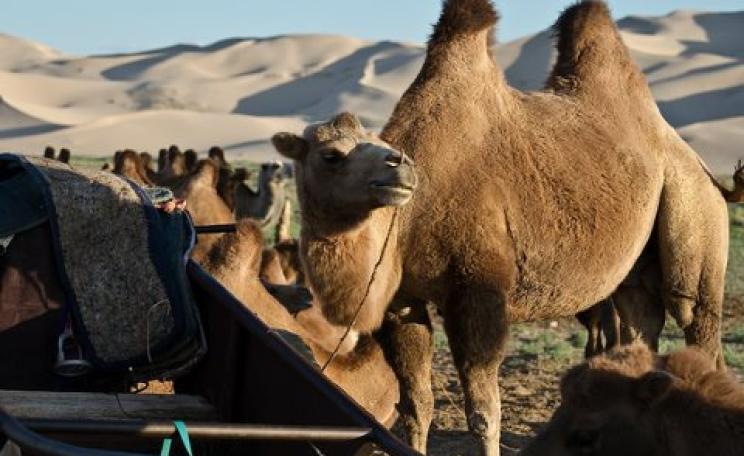
Mongolia and China are separated by world views as well as by a border across the Gobi desert, writes Troy Sternberg. In Mongolia the idea that nature has intrinsic value is readily accepted, while China is more interested in resources for trade, industry and profit. Can a clash of interests be avoided?
A 5,000-house development has just won planning permission on a SSSI nature area in Kent which is home to over 1% of the UK's nightingales. It violates government planning policies, and ministers have the power to stop it. But will they? Yes they will, writes Martin Harper - provided enough people show they care!
Daniel Crockett guided a 300km walk along ancient horse routes through the Westfjords, a remote, depopulating region of Iceland rich in nature, myth and magic. The wild, non-human environment enters our beings, he writes - and thus infected, the onus is on us to spread the message far and wide.
Big Sugar is the new Big Tobacco, writes Alan Farago - lethal to human health, wreaking environmental devastation, gouging huge public subsidies, and with the political clout to stop First Lady Michelle Obama from breathing a word against it. Only an alliance of 'green', health and taxpayer campaigners can kill the beast.