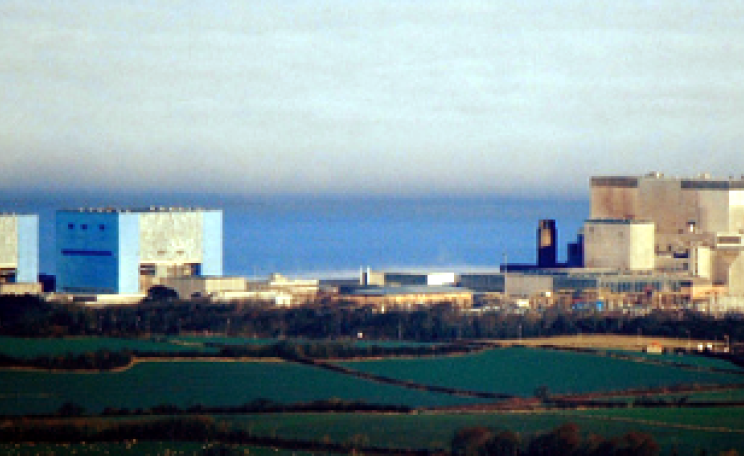
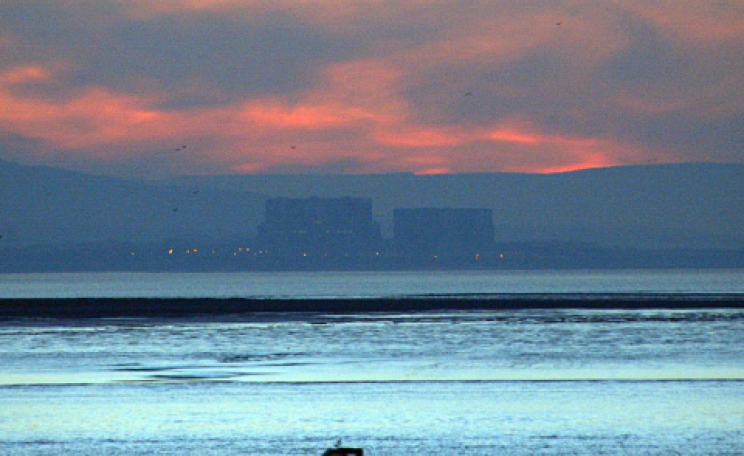
The UK tried to make the EU relax its rules on State Aid to allow subsidies to nuclear power. Now we know - it failed. The chances that the Hinkley C power station will ever be built have fallen another notch.
Those caught up in nuclear disasters suffer many times over, writes Robert Jacobs. Ill-health and early death aside, they are also cut off from their former communities, identities and family life, and the victims of social and medical discrimination.
As the European Commission considers the £100 billion subsidy package the UK has offered EDF to build and operate Hinkley C nuclear power station, Paul Dorfman explains why the 'deal' is illegal, anti-renewables, and ruinous to energy users and tax payers.
The UK should continue to use nuclear power, in order to reduce greenhouse gas emissions, writes Stephen Tindale. It should also test new nuclear technologies that can burn plutonium, such as the PRISM reactor, and develop molten salt reactors.
The UK Government is seeking to 'Justify' the Hitachi ABWR reactor type for new nuclear build at Wylfa and Oldbury. But as Mark Hackett reveals, the design is a dismal failure in Japan, costs more than alternatives, and brings serious health hazards.
Robert 'Bo' Jacobs was brought up under the shadow of nuclear war. A world expert on the cultural and social impacts of radiation, he lives and works in Hiroshima. Julio Godoy caught the chance of an interview ... and discovered that nuclear war is still going on today - in slow motion.
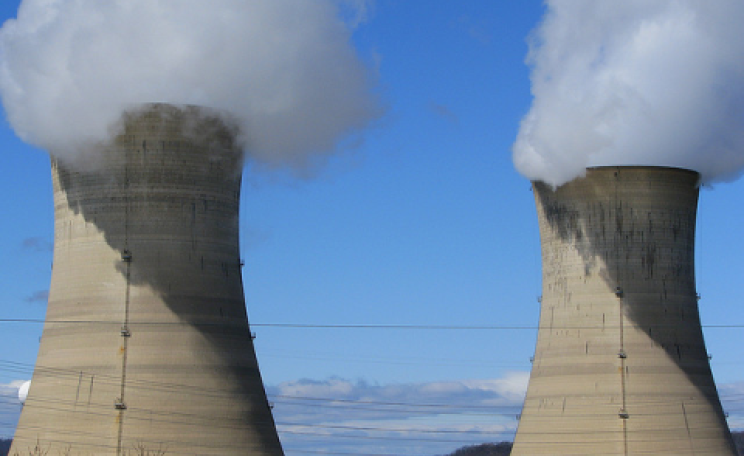
Thirty-five years ago today the USA had its worst ever civilian nuclear accident with a reactor meltdown at Three Mile Island. Linda Pentz Gunter reports on the lies and cover ups about the true scale of the radiation release and its impacts on human health.
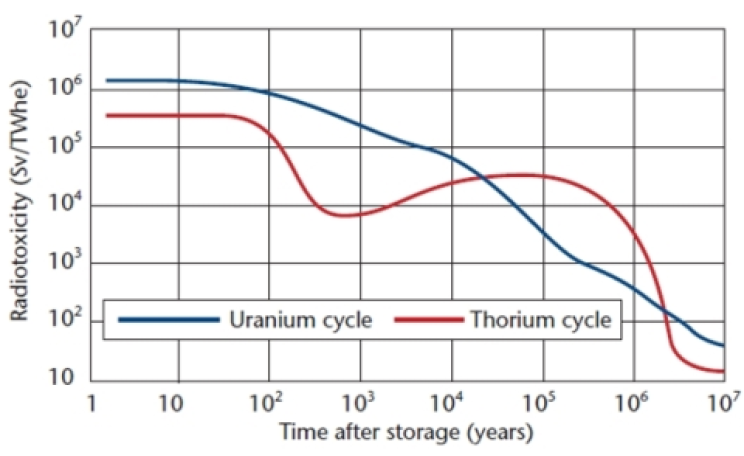
Nuclear enthusiasts have been singing the praises of nuclear reactors that use thorium as their fuel instead of uranium. Jan Beránek analyses the claims - and finds that thorium is a mere distraction on the way to our renewable future.
Jonathon Porritt finds Mark Lynas's latest pro-nuclear tome 'gratifyingly short' and reasonably open-minded. But Lynas falls into the trap of seeing nuclear technologies as fast developing, while renewables are stuck - when the reverse is the case!
According to Goldman Sachs US home-owners will find it's technically and economically viable to go off-grid by 2033, writes Michael Mariotte. The big losers will be fossil and nuclear power generators.
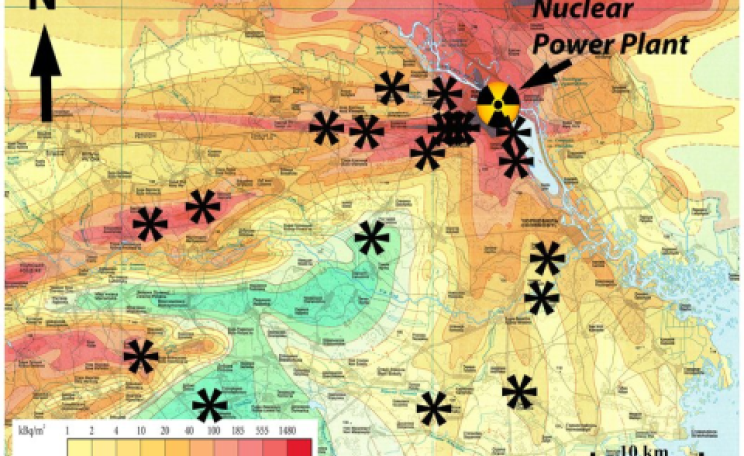
It's not just people, animals and trees that suffer from radiation at Chernobyl, writes Rachel Nuwer, but also decomposer fungi and microbes. And with the buildup of dead wood comes the risk of catastrophic fire - which could spread radiation far and wide.
A nuclear reactor designed to burn up surplus Cold War plutonium has been closed by the US Department of Energy. Initially it was meant to cost $1bn. So far it has cost $4bn. To complete and operate would cost $25-34bn.
The European Commission has launched its public consultation over the UK's proposed state aid to the proposed Hinkley C nuclear plant in Somerset - and in the process delivered a mighty broadside against the UK Government's plans.
The nuclear industry and its media cheerleaders have raised a chorus of misinformation over Fukushima, writes Karl Grossman. But their attempts to suppress the truth are ultimately doomed to failure.
The EPR nuclear reactor is a busted flush. The two examples under construction in France and Finland are way over time, and budget. If the UK goes ahead with an EPR at Hinkley Point in Somerset, writes David Toke, the taxpayer will pay a huge price ...
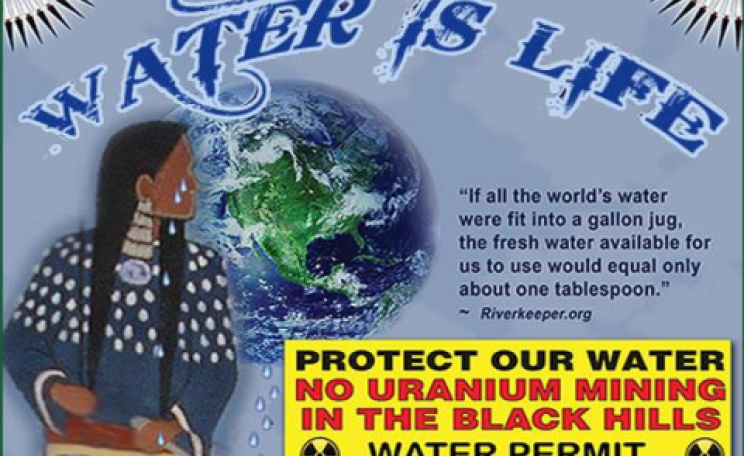
The curse of Uranium has fallen once again on the Black Hills of South Dakota, ancestral home to the Lakota Indians - now fighting a massive mining project that threatens land, rivers and groundwater. But this time, writes Ben Whitford, the Lakota are not alone ...
A telephone transcript released under the Freedom of Information Act shows: the US Navy knew that the USS Ronald Reagan took major radiation hits from the Fukushima atomic power plant after its '3/11' meltdowns and explosions.
The UK's nuclear decommissioning authority has a problem - what to do with over 100 tonnes of plutonium. Jim Green evaluates the NDA's options, and sees another generation of nuclear white elephants in the making.
Tepco has announced the accidental leak of 100 tonnes of highly radioactive water from a storage tank at the stricken Fukushima nuclear plant in Japan.
A citizen scientist project on North America's West Coast hopes to fill the void in credible scientific information about Fukushima's radiation and its effects on food and the environment, writes David Suzuki.
The European Commission is assessing how it should augment its nuclear disaster insurance. Ingmar Schumacher calls for full transparency of insurance costs in the cost-benefit evaluation of the nuclear industry.
Toshiba, the 60% owner of NuGen, has announced it will build 3 AP1000 reactors at Moorside, England - much faster and cheaper than Hinkley C. But the whole proposition, writes David Toke, is seriously implausible.
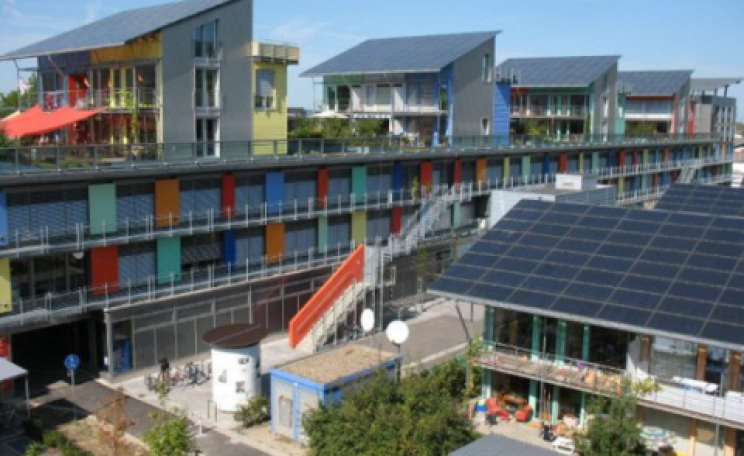
Germany's Energiewende or Energy Path is leading Europe's dominant industrial power into wholly new territory. Sober bureaucrats see a 100% renewable energy economy by 2050 as technically feasible. Chris Goodall asks - have they all gone mad?