Offshore wind turbines are trying to reproduce at sea what works on land, write Maurizio Collu & Michael Borg. But it's proving a costly and high maintenance exercise. It's time to switch to new 'vertical axis' designs that promise to be cheaper to build and operate.
A salmon fishing cooperative in the Pacific Northwest draws on indigenous practices and state of the art technology to be among the world's most sustainable and selective fisheries, writes Kevin Bailey. With its clean harvesting techniques, minmimal bycatch, 99% survival rates for released fish, renewable energy supply and efficient supply chain, it sets a standard for all to follow.
The world's mussel population could be under threat as rising CO2 levels in atmosphere and oceans makes their shells weaker and more brittle shells - making them more vulnerable to stormy seas, and predation.
As temperatures rise in the Southern Ocean, warmer currents are eroding the Antarctic ice sheet from below, writes Tim Radford - causing the melting rate to treble in two decades to 83 billion tonnes a year.
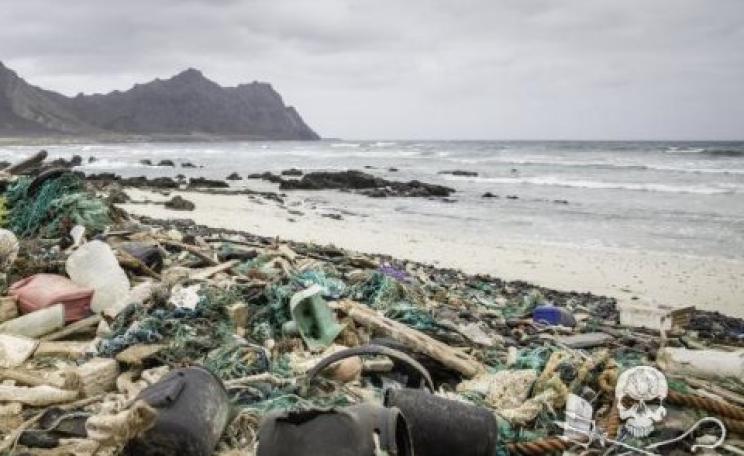
The oceans are awash with plastic, write Magnus Johnson & Melanie Coull, with dire effects on marine wildlife mistaking it for food. But it's not just big animals like basking sharks, turtles and albatrosses that suffer. The very worst damage may be caused by particles too small for the eye to see, and the toxic chemicals that cling to them.
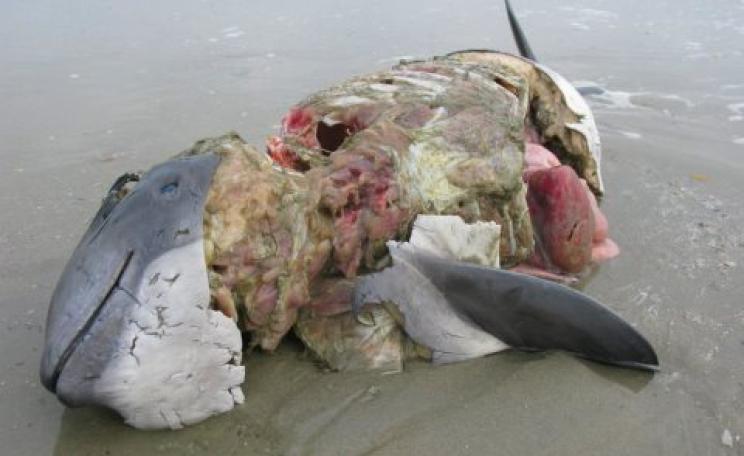
Since 2010 porpoise carcasses have been washing up on our shares, writes Ken Collins - displaying horrific wounds and bite marks that many thought a sign of Great White sharks in Britain's coastal waters. But now scientists have identified an improbably cuddly culprit ...
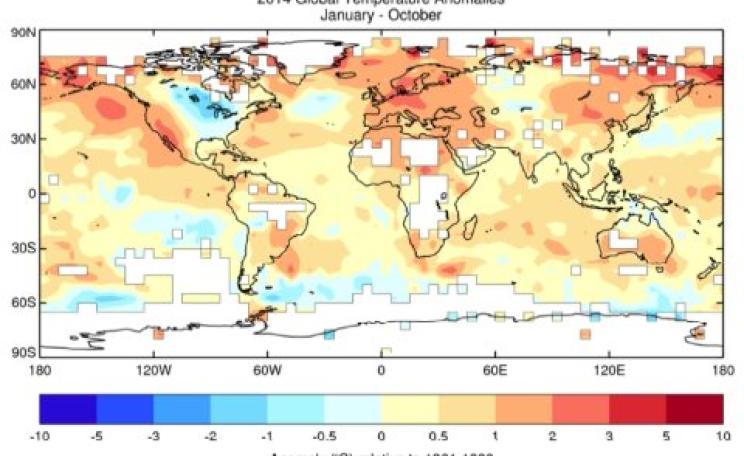
The year 2014 is on track to be one of the hottest, if not the hottest, on record, according to preliminary estimates by the World Meteorological Organization (WMO). Their latest report, issued today at the UN climate talks in Lima, shows exceptional heat and flooding in many parts of the world.
Two huge open pit mines in northern Norway are on the verge of approval, writes Tina Andersen Vågenes - even though they would dump hundreds of millions of tonnes of tailings in fjords where wild salmon spawn. Scientists are voicing serious concerns, and protests are growing, but government and mining companies appear determined to push the projects forward regardless.
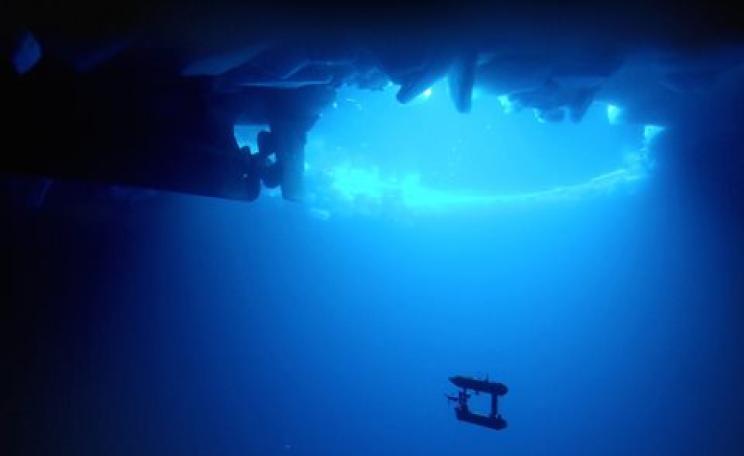
While the Arctic melts, Antarctica's ice has spread to record extents in three consecutive years, writes Edward Hanna. But is the news as good as it looks? Yes, if indications from a robot submarine that the ice is thicker than expected are supported by further evidence. It may just be that Antarctica's ice is more resilient than scientists dared to hope.
The 'vaquita', a small porpoise limited to a small area of Mexico's Gulf of California, is on the brink of extinction, writes Willie Mackenzie - its numbers reduced to around 100. But it's not too late to save it, by expanding a protected area and providing alternative livelihoods for local fishermen.
The Maldives, a vast republic of scattered islands in the Indian Ocean, has worked hard to make its fisheries among the world's most sustainable, writes Tony Juniper. But now the EU has slapped a 20% levy on its fish exports due to human rights concerns - a move that mainly hits poor fisherfolk innocent of any wrongdoing.
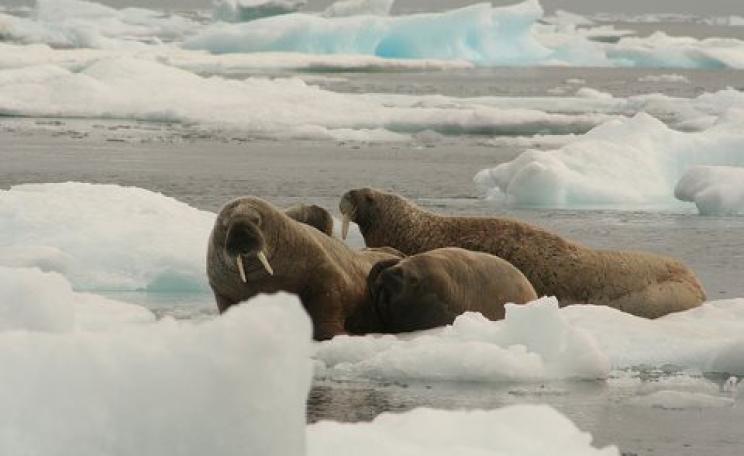
As the Arctic ice retreats, a fragile but resource-rich landscape replete with oil, minerals, fish and islands is opening up, writes Conn Hallinan. A new land-rush is on, and it could all lead to war. But it can be avoided provided states respect the rule of law and build on existing regimes of cooperation to protect the precious Arctic environment.
For nearly 30 years, Gil Fortes was a hunter of Cabo Verde's shearwater chicks, helping to drive the bird to the brink of extinction. But following a life-changing rethink, he and his daughter Isabel (Bella), are now at the forefront of efforts to save the shearwater and rebuild its perilously low numbers.
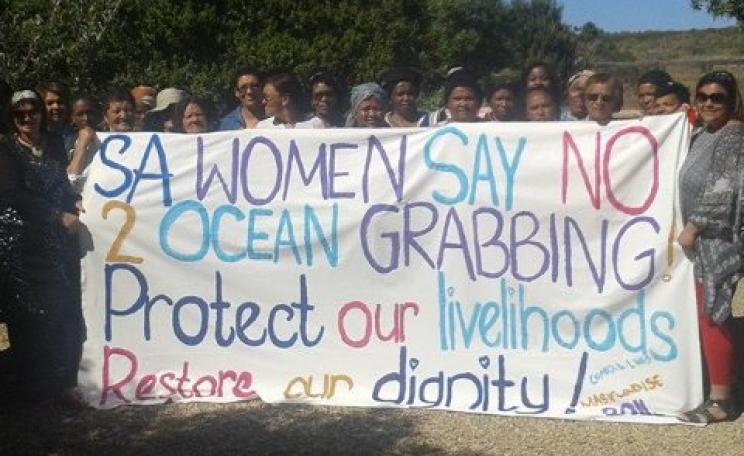
Today on World Fisheries Day, fisher peoples and their allies are taking to the streets and beaches to fight against ocean grabbing in all its forms - including Marine Protected Areas imposed without consultation that rob and criminalise local communities and benefit only privileged outsiders.
In a blunt rebuke to Australia's prime minister Tony Abbott, US President Obama stated that 'every nation has the responsibility to do its part' on climate change, writes Michelle Grattan - in a clear reference to the G20 host's backsliding on climate promises.
The Arctic is a special place, teeming with life, but it is under threat like never before, writes Robert Spicer - not just from climate change, but from oil drilling, industrial fishing and shipping, as receding ice creates now commercial opportunities. We must designate an Arctic Sanctuary where nature can reign undisturbed.
In 2003 nations pledged to place 20-30% of the world's oceans into no-take marine parks, writes Jessica Meeuwig - but more than ten years on, such areas now cover just 1% of ocean area. Now the World Parks Congress in Sydney, Australia, provides an opportunity to drive marine protection forward, and benefit both ecology and economy.
The 2009 Marine Act was meant to result in a full network of marine protected areas along the UK coast, writes Tom Hickey. But since then far too few MPAs have been created, and no real change or action has followed. Hence the launch of the Marine Charter today - to galvanise political will - and manifesto commitments - for the 2015 election.
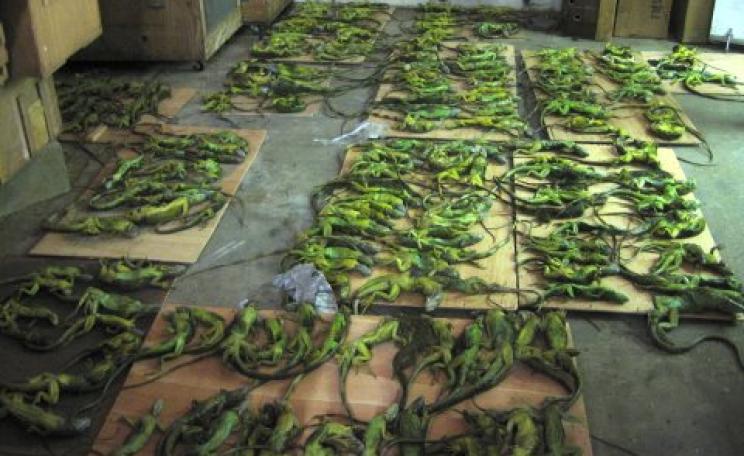
Behind the relatively sanitized faç;ade of the exotic pet industry resides a vast chronicle of species decline, ecological disruption, animal suffering, mortality, and the global dissemination of pathogens, writes Clifford Warwick. We are in the midst of a profit-fueled frivolous wildlife biocide, as animal traders strive to bring the next curiosity fish, turtle or primate into our homes.
Until demand for fish is balanced with sustainable methods of production, write Ruth Thurstan & Callum Roberts, governments should consider the social and environmental implications of promoting greater fish consumption. Worldwide, wild fish supplies per person have been declining ever since 1970.
Seagrass provides a key marine habitat, writes Richard Unsworth - it stablises the sea floor, sustains rich ecosystems, soaks up excess nutrients, sequesters carbon dioxide, feeds dugongs, and nurtures young cod. Hadn't we better stop wiping out some 1,500 sq.km of seagrass meadows every year?
A common marine worm key to the richness of many coastal ecosystems is being damaged by the increasing ocean acidification that was thought to imperil mainly shellfish and coral, writes Alex Kirby. It's an unwelcome sign of more unexpected ecological changes to come.
A new wave power generator has moved closer to reality after successful testing in simulated marine conditions. An array of the 1.5MW 'Searaser' devices could be deployed on Britain's coast within a few years.
If SeaWorld is looking to build a new park in California, it will be steering well clear of San Francisco, writes Laura Bridgeman. Following a campaign backed by scientists and hundreds of high school students, the City has declared cetaceans' right to be free and 'unrestricted in their natural environment'.