Southern hemisphere oceans are warming at double the expected rate, a new study has found. This may explain why surface warming has slowed over the last decade - the oceans have absorbed the 'missing' heat.
Scientists analysing more than three decades of weather data for the northern Alaska outpost of Barrow have recorded an astonishing 7°C temperature rise, writes Alex Kirby - and the likely cause is the decline in Arctic sea ice.
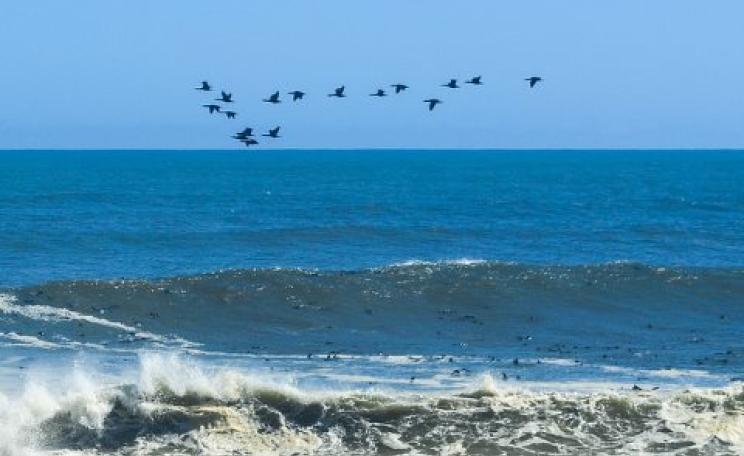
Shearwater chicks are cute grey furballs with beaks, writes Simon Ager, and they are all too ready to use them on pesky wildlife researchers. But Cape Verde offers abundant compensations to nature lovers - so many that its future surely lies in conserving, not exploiting its biological riches.
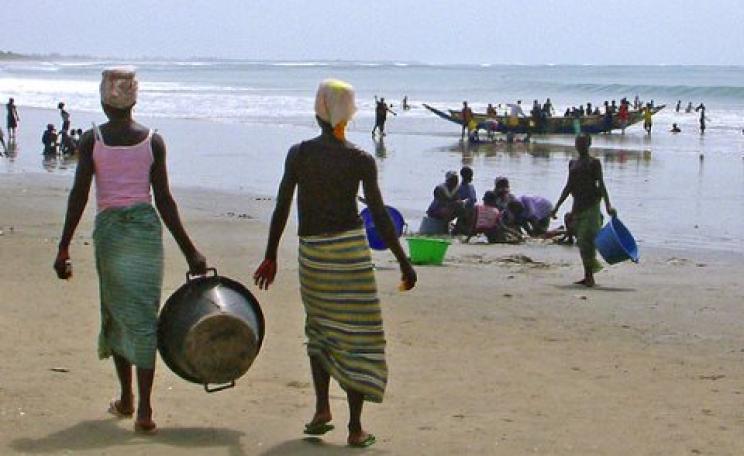
Small-scale fishing communities are key to any transition towards an ecologically and socially just food regime. But backed by the World Bank, powerful corporate interests are seizing their fish, seas and shores in the name of 'sustainability'. A revolution of the poor is needed to rebuild food sovereignty - and restore the oceans to the global commons.
The Aral Sea is a well known environmental disaster zone. But this year, it got a whole worse, writes Anson Mackay, as its biggest basin dried up completely to expose a toxic, salty wasteland. With continuing irrigation and declining river flows due to climate change, the desert is only set to expand.
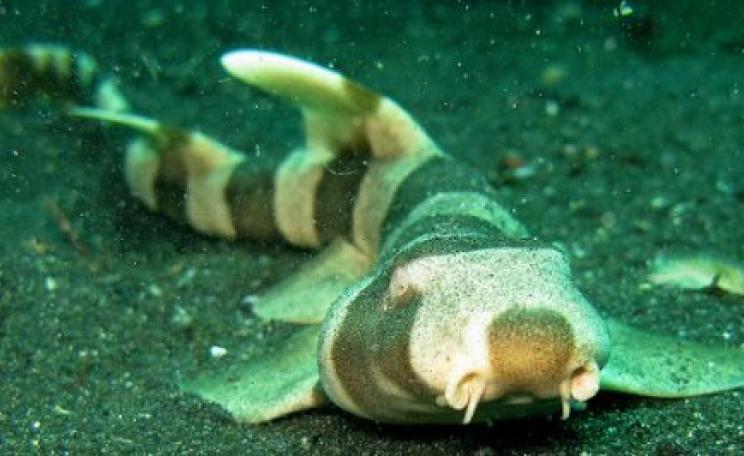
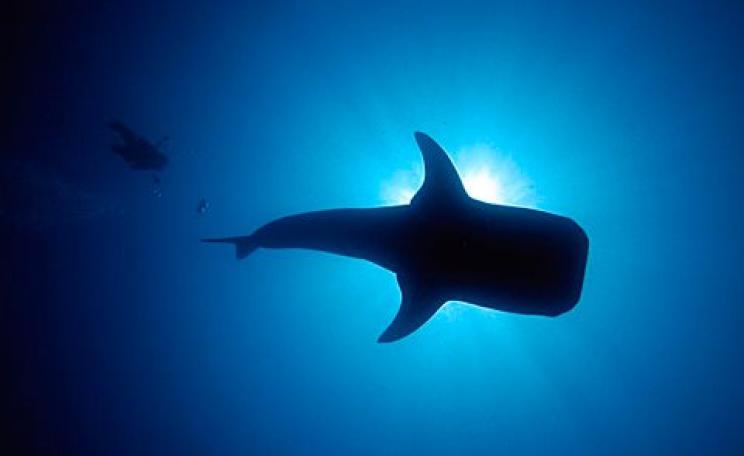
Scientific studies show that as carbon dioxide acidifies the oceans, sharks are less able to detect prey, and their chances of survival are reduced, writes Tim Radford - with serious consequences for ocean ecology.
Out in the Atlantic off the coast of West Africa, the Cape Verde islands should be pristine, writes Simon Ager, a haven for sea turtles and other wildlife. But the beach where loggerhead turtles have nested for millions of years is buried under a deadly morass of plastic garbage.
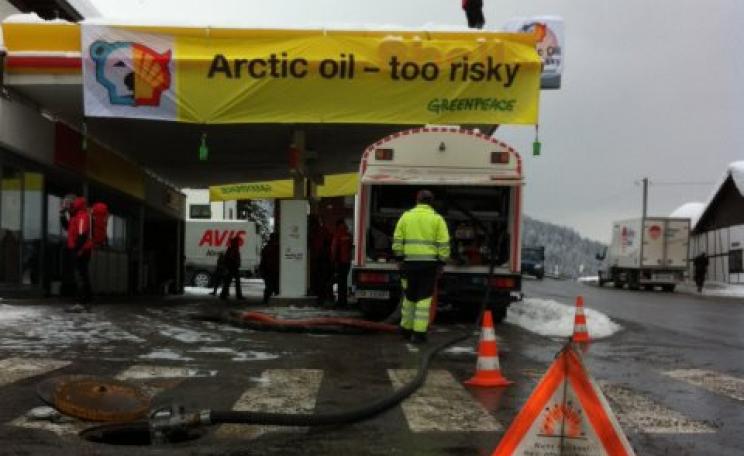
Oil majors are gearing up to exploit Arctic oil, writes Mike G. But they don't want to carry the costs of all the safety equipment the US Government is demanding to protect the fragile Arctic environment from spills. And they're reluctant to give up the use of toxic chemical dispersants.
Ukraine's Priazovskii National Park epitomises the problems faced by the world's natural areas, writes Dimiter Kenarov, as it contends with inadequate funding, rising sea levels, dried-out rivers, industrial pollution and illegal hunting. And that's not to mention the war. But the staff battle on: 'If we don't do this, then who will?'
A study of 120 ice sheet collapses shows that 68% went from initial change to maximum retreat within 400 years - and that once triggered, the process and the associated sea level rise kept accelerating for hundreds of years. We may face a 1m sea level rise by 2100, writes Eelco Rohling - and much more in centuries to come.
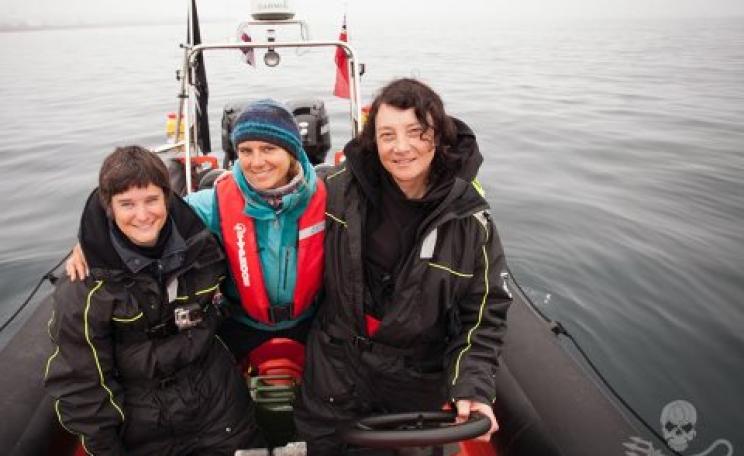
Three Sea Shepherd volunteers have been arrested for 'harrassing dolphins' and deported from the Faroe Islands. But their real crime was to save hundreds of Atlantic white-sided dolphins from slaughter.
As the IWC meeting begins today in Slovenia, the EU, its 28 member states and the United States, Australia, Brazil, Israel, New Zealand, Mexico and Monaco, have expressed their opposition to Iceland's commercial whaling in a powerful diplomatic broadside.
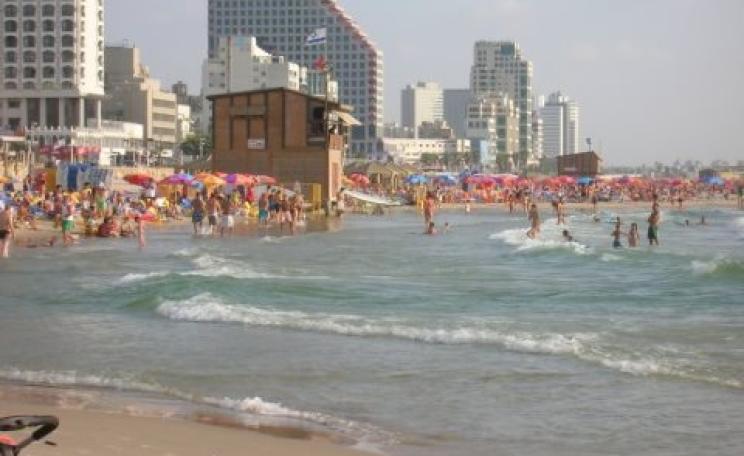
Consecutive Israeli military assaults have caused huge damage to Gaza's water and sewage systems, writes Sam Bahour. One result is that almost all Gaza's water is unfit for human consumption. Another is the tide of raw Palestinian sewage lapping on the beaches of Tel Aviv. So who should we feel most sorry for?
Tomorrow the 65th meeting of the International Whaling Commission begins in Slovenia, writes Clare Perry. Among the issues: Iceland's slaughter of fin whales in defiance of the IWC moratorium, and its illegal export of their flesh and blubber to Japan - over 2,000 tonnes this year alone. The IWC and its member nations must act.
New scientific evidence released today by the WMO shows the highest greenhouse gas concentrations on record, writes Alex Kirby, with 2012-2013 a record year for emissions. Meanwhile oceans are acidifying faster than at any time in the last 300 million years.
Seaworld San Diego is about to build the world's biggest tank for its captive orcas. Fifty foot deep and covering 1.5 acres, it's almost twice as big as current tanks and will represent an improvement in living conditions when complete in 2018. But for Sea Shepherd, that's missing the point. For these wild and majestic sea mammals, only the ocean will do.
Thanks to damage to coastal wetlands by the oil & gas industry, Louisiana is losing two acres to the sea an hour, writes Julie Dermansky. The companies are legally obliged to repair their damage - but they haven't and the cost has reached $50 billion. The answer? A Bill backed by the state governor to make them immune from lawsuits.
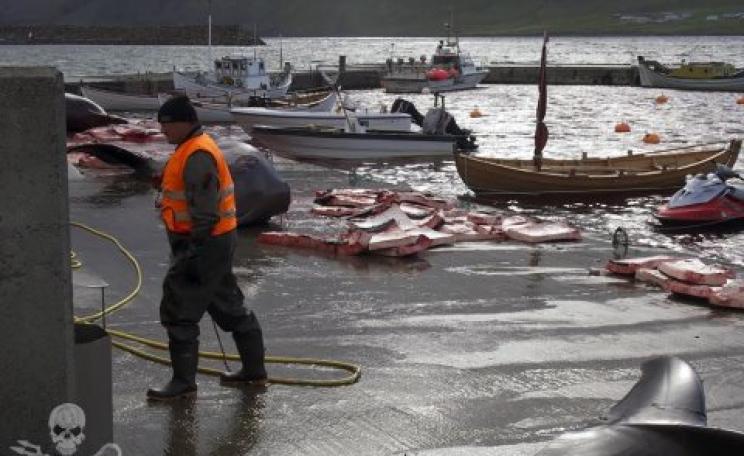
Denmark's unlawful support of the Faroese 'grind' whale hunt is now open and obvious for all to see, writes Captain Paul Watson, as the supposedly 'civilized' Scandinavian nation turns its military might against protestors seeking to save whales and small cetaceans from cruel and barbaric massacre.
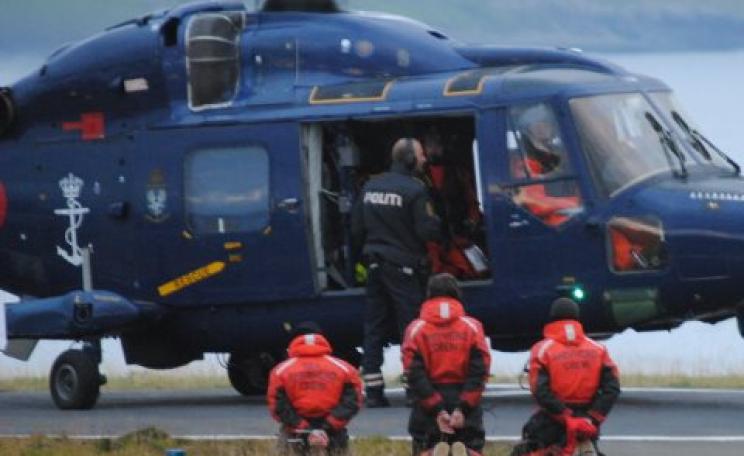
The Danish Navy has just supported the annual 'grind' cetacean slaughter on the Faroe Islands, seizing three boats used by Sea Shepherd to obstruct the hunt, and detaining their crew. The move enabled whale hunters to slaughter an entire pod of 33 pilot whales.
Lewis Pugh has completed long-distance swims in the 'seven seas' to promote his dream of a peaceful world of well-managed Marine Protected Areas, abundant oceans teeming with fish, turtles, whales, sea-birds and sharks. His shocking experiences in the water make that dream more urgent and compelling than ever.
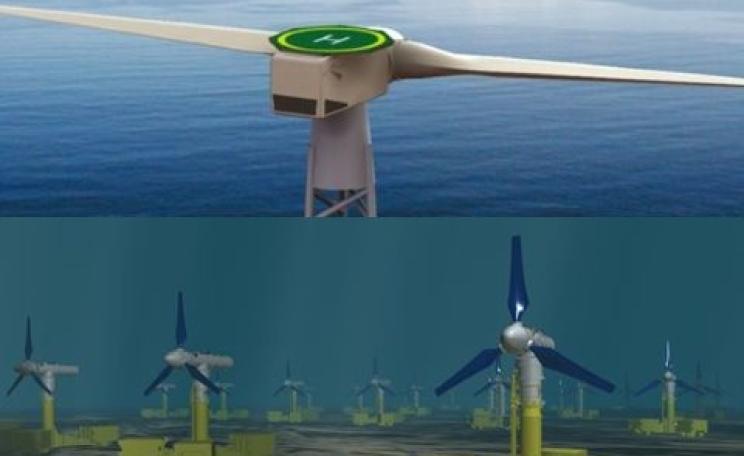
Two innovative renewable energy projects are moving forward in Scotland: Britain's first tidal power array, and the world's first deployment of two-bladed wind offshore turbines. The experimental technologies are hoped to achieve significant cost savings and unlock a huge offshore energy resource.
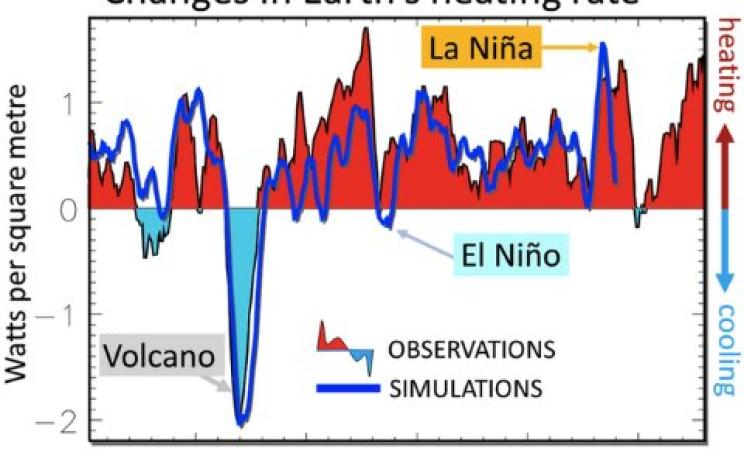
Since 2000 global surface temperatures have risen less than expected, a fact seized on by climate change 'sceptics'. But indications are that the surplus heat has been building up all along, writes Richard Allan - in deep oceans where it does not influence observable climate. Not yet, anyway.
Is the species that dwells peacefully within its habitat with respect for the rights of other species the one that is inferior? Or is it the species that wages a holy war against its habitat, destroying all species that irritate it? Paul Watson questions man's monopoly on advanced brain power, and finds a planet suffused with a far deeper intelligence than our own.
Hawaii's salt-water aquarium trade is lucrative - but depends on the constant, scarcely regulated collection of wild fish, writes Elizabeth Claire Alberts. With 98% of fish in the trade taken from the wild, and high mortality rates from the moment of collection, Hawaii's coral reefs are experiencing a daily massacre.