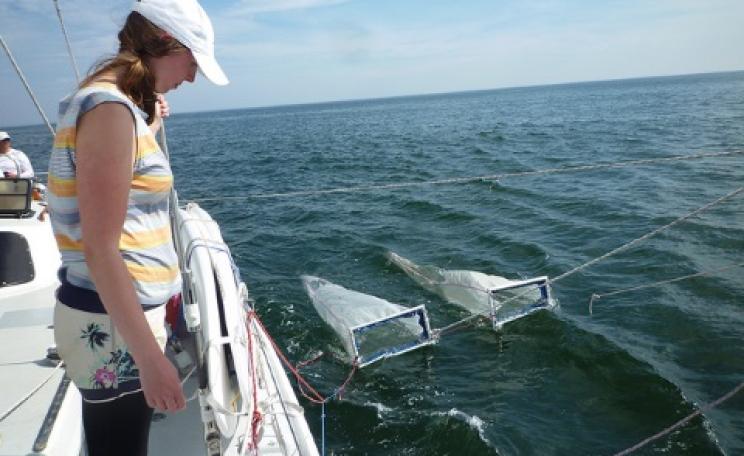
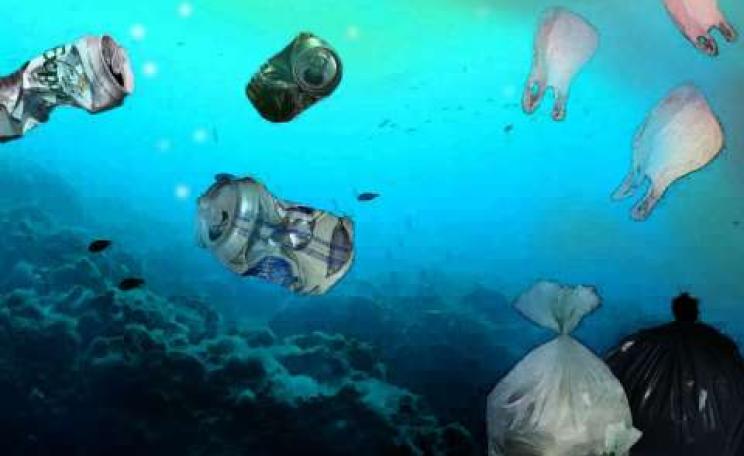
Plastic pollution in the oceans is impacting every level of marine life, writes Kate Rawles, from micro-plankton to whales. And here is your chance to do something about it - join a research expedition to the Azores next month to study the problem and develop solutions!
Long after Blue whales have ceased to be hunted, their numbers have failed to record substantial increases, writes Luke Rendell. Are ship strikes to blame? A 15-year scientific study says the answer may be yes - and advises moving California shipping lanes.
Scotland's network of marine reserves doubled in area today with the designation of 30 new marine reserves. The move has been welcomed by green groups who have long campaigned on the issue - but they warn: this is where the real work begins.
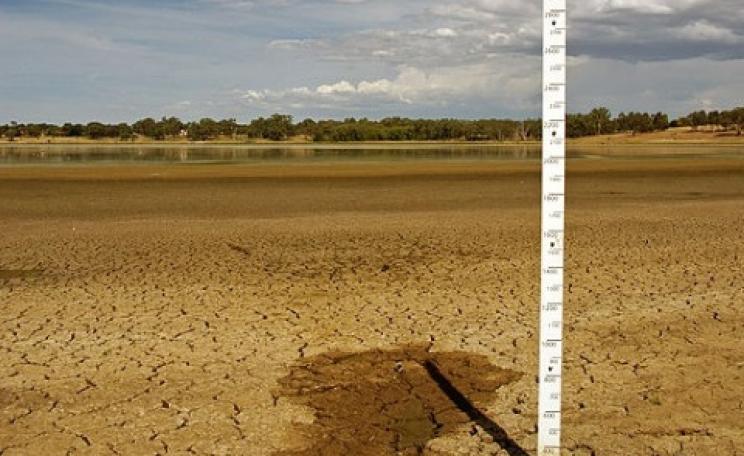
Australia's prime minister thinks climate change is 'crap' and has just abolished his country's carbon-pricing system. But scientists say that it's rising levels of CO2 that are leaving the south of the country parched and sweltering - and it's only going to get worse.
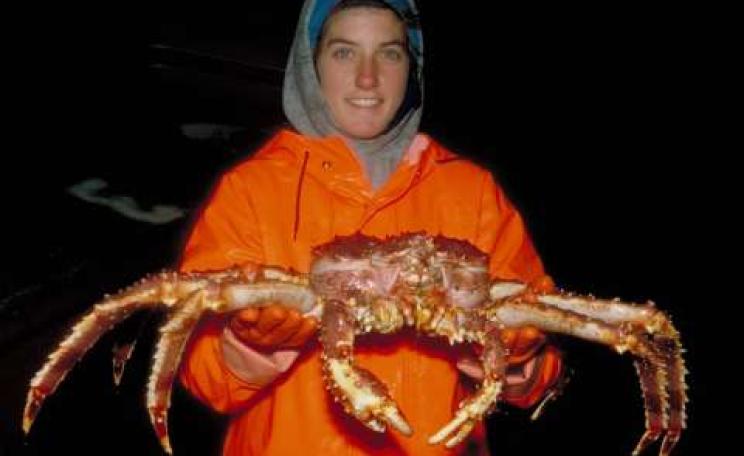
The UK's coastal waters are producing little but tiddlers and scallops, writes Jason Hall-Spencer - and to blame is the endless gouging of the seabed by trawlers and dredgers - even in 'marine reserves'. We must allow our marine ecosystems to rebuild!
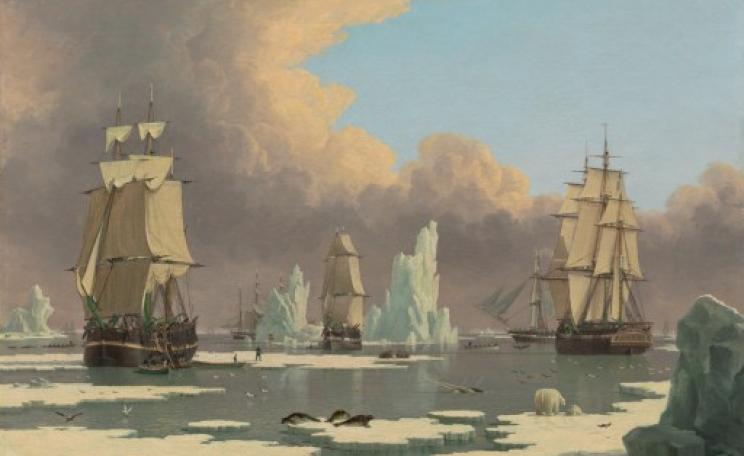
Log books from British whaling ships more than 200 years ago have given new insights into the history of the Arctic sea ice, reports Tim Radford. A new study reveals that the scale of ice melt in the Arctic over the last few decades is new and unprecedented.
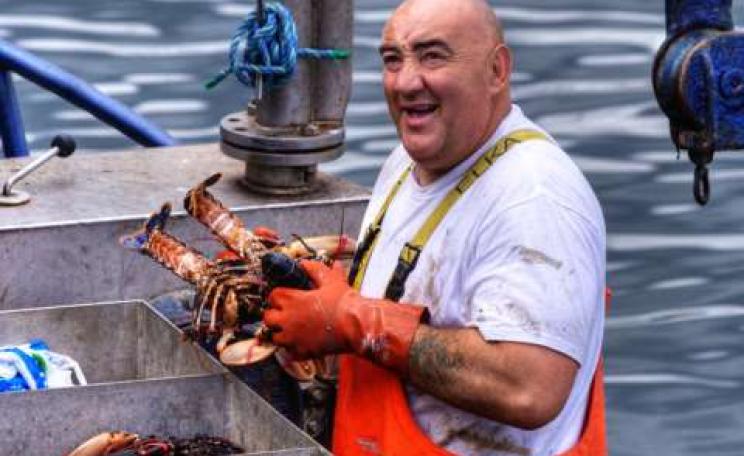
Fishing quotas were meant to conserve stocks and support fishing communities, writes Emma Cardwell. But they have achieved the reverse - rewarding the most rapacious fishing enterprises and leaving small scale fisherfolk with nothing.
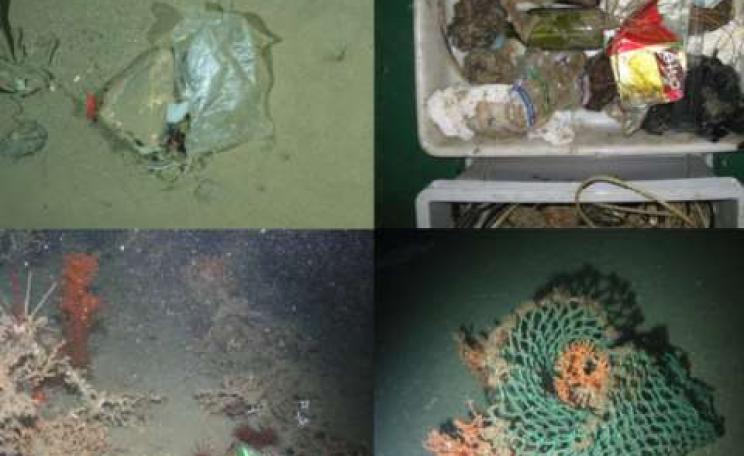
Even creatures at the bottom of the ocean aren't sheltered from the detritus of human civilization, writes Sarah Zielinski. Everywhere they have looked, scientists have found plastic, glass and other trash littering the seafloor and collecting in canyons.
As the Arctic warms and its ice melts, growing numbers freight ships are reaping big savings from the 'Arctic short cut'. But this is creating a huge risk of invasive species spreading in ballast water and on hulls - disrupting both Arctic and temperate ecosystems.
Fish from the high seas are too valuable to be eaten, as they lessen climate change through the carbon they carry down to the ocean depths. The carbon benefits are worth $150 billion every year - almost ten times the value of high seas fish landings.
Farming should not only sustain people with healthy food, writes Jigmi Y. Thinley. If humans are to survive on Earth, it must also revitalise nature and sustain vital planetary systems, instead of poisoning and over-exploiting them. And to do that farming must be organic.
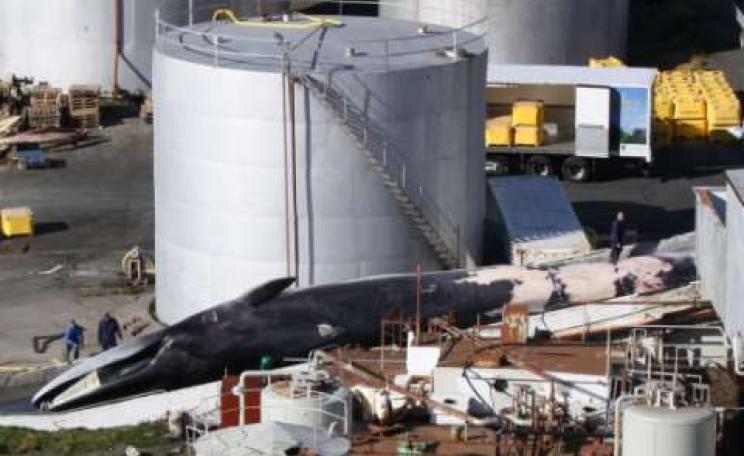
Icelandic whalers made their first kill of the 2014 hunting season - an endangered fin whale, landed today. Campaigners have condemned the hunt, and are calling for a boycott of whaling companies' seafood exports.
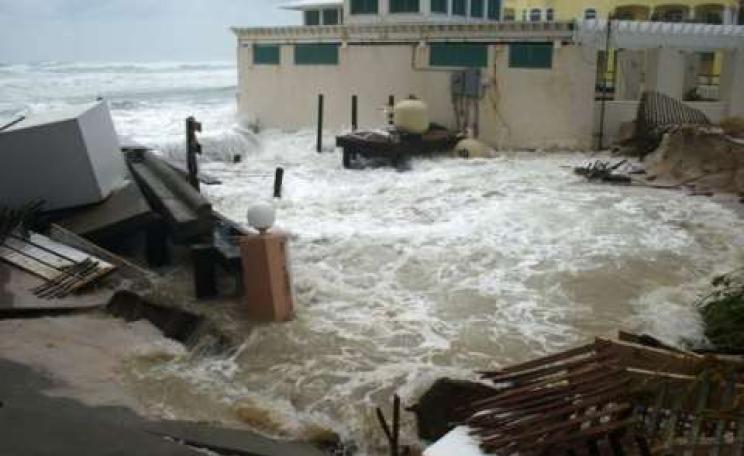
We are most certainly witnessing the onset of a rapid pulse of sea level rise, writes Harold R Wanless. And low lying areas - like southeast Florida - will be the first to know about it. So how come they're building there like there's no tomorrow?
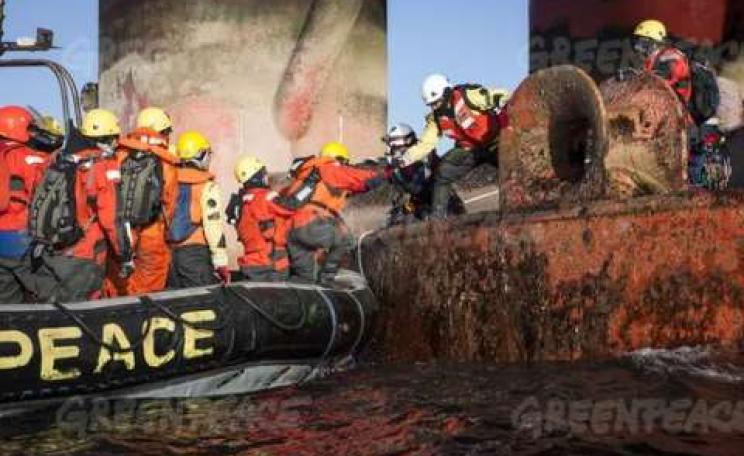
Greenpeace activists are well into the second day of their occupation of an Arctic oil rig in the Barents Sea, which they say endangers the nearby Bear Island nature reserve. Statoil has conceded that drilling may have to be delayed.
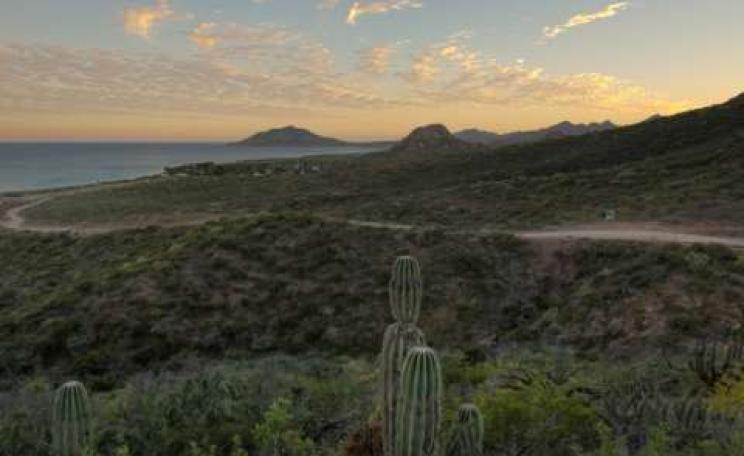
The Baja California peninsula is rich in history and natural beauty, with thousands of unique plants and animals making up its globally unique ecosystems, write Sula Vanderplank & Benjamin Wilder. Just the place for a new giant hotel resort?
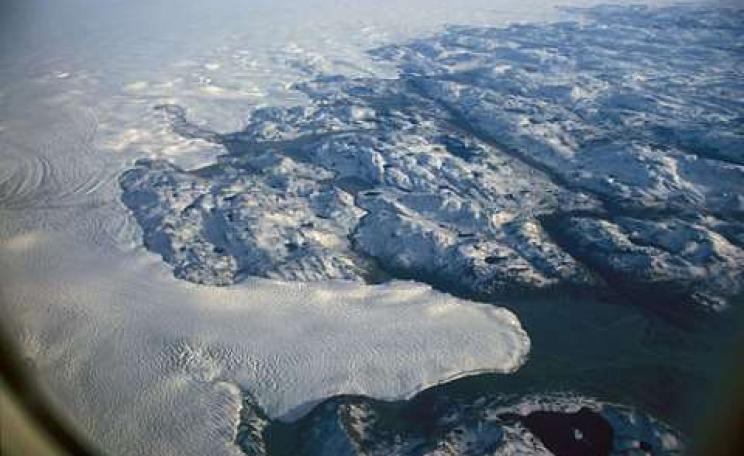
Greenland's glaciers are more vulnerable to global warming than had previously been feared, reports Tim Radford, as ice bodies are undercut by seawater. The threat of rapidly rising sea levels just went up yet another notch.
The fracking industry has a blind spot the size of an elephant, Biff Vernon wrote in this Open Letter to Mark Abbott, the MD of Egdon Resources - climate change, and the huge rises in sea level it will cause. 'Only carrying out orders' is no excuse.
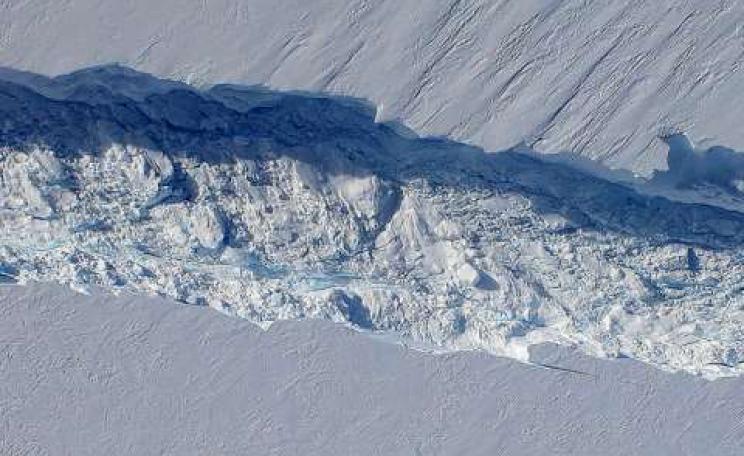
Scientists know that if Antarctica's ice sheets and glaciers collapse, sea levels could rise 5 metres. But the idea that it will take 200 years to happen is based on a linear model, writes Dady Cherry. In fact, the process is exponential - and could take place 'within decades'.
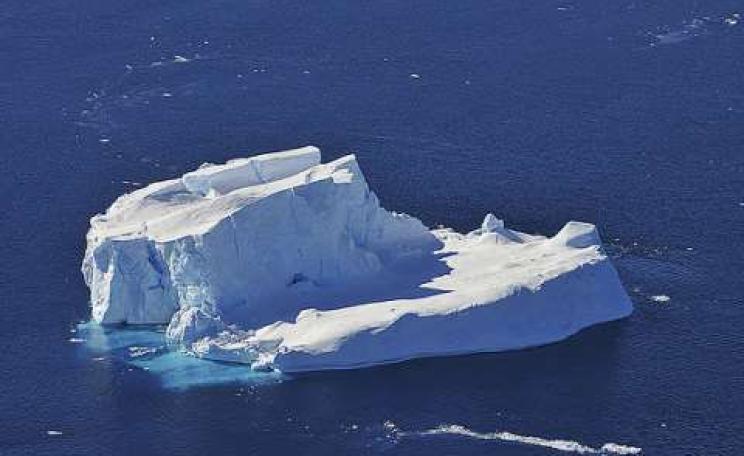
The total collapse of glaciers in West Antarctica is 'inevitable', writes Tim Radford, as the southern hemisphere gets warmer and glaciers are undermined by seawater. The news has emerged from a new analysis of satellite data.
The Bering Sea is America's biggest fishery - but factory trawlers are ripping the guts out of the ecosystem, writes Jeffrey St.Clair, as they have already devastated fishing communities. Mix in nuclear bomb test fallout - an unlikely savior?
The North Sea's 'Dogger Bank' was once dry land, inhabited by people and herds of Pleistocene megafauna, writes Vince Gaffney. The long-lost world of Doggerland shows how melting glaciers drowned land at the end of the last ice age. And surely not for the last time ...
The East Antarctic ice sheet is thought by most scientists to be stable, reports Alex Kirby. But a German team says it has found how a large part of it could in time melt unstoppably, causing a long term 4 metre rise in global sea levels.
Australian environmentalists have launched a lawsuit against plans to expand a coal port that threatens the Great Barrier Reef, writes Maxine Newlands. The approval came in spite of warnings from UNESCO and marine scientists that the Reef is already 'in danger'.
For just 8% of the fish landed, extraordinary, beautiful, ancient, diverse deep sea habitats are routinely destroyed by fishing gear. And as J. Murray Roberts writes, it's all for a one-off hit as the fish are so slow to grow and reproduce. If the same damage happened on land, there would be uproar.