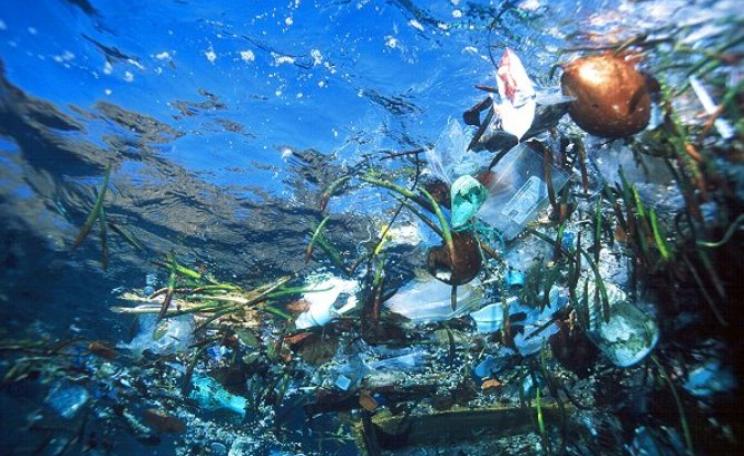
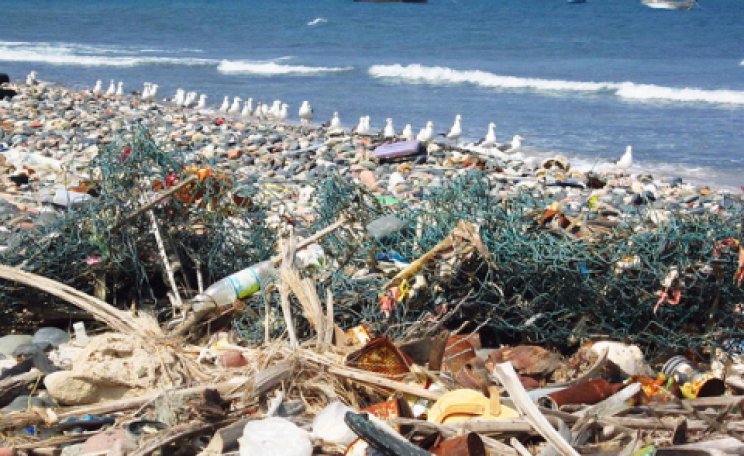
Eighty percent of marine rubbish originates on land - via storm drains, overflowing landfills, and uncontrolled dumping in rivers. And once it's in the sea, no one is responsible for it, writes Alistair McIlgorm. It's high time for governments to clean up their act.
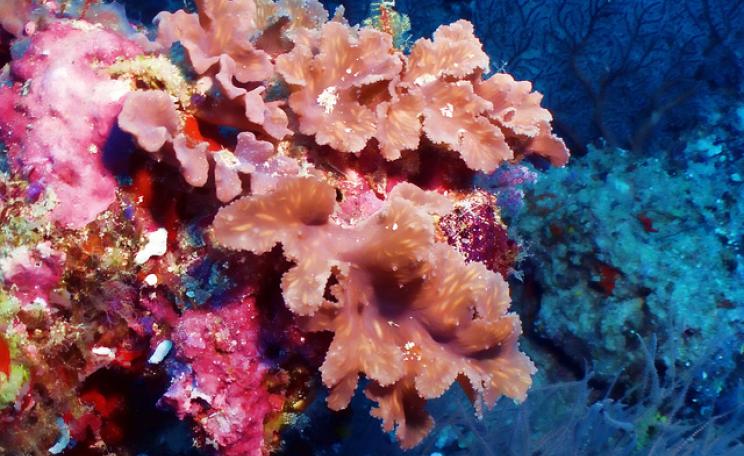
It is widely predicted that low-lying coral islands will drown as sea levels rise, writes Paul Kench - leaving their people as environmental refugees. But new evidence suggests that these small islands are more resilient to rising seas than we thought.
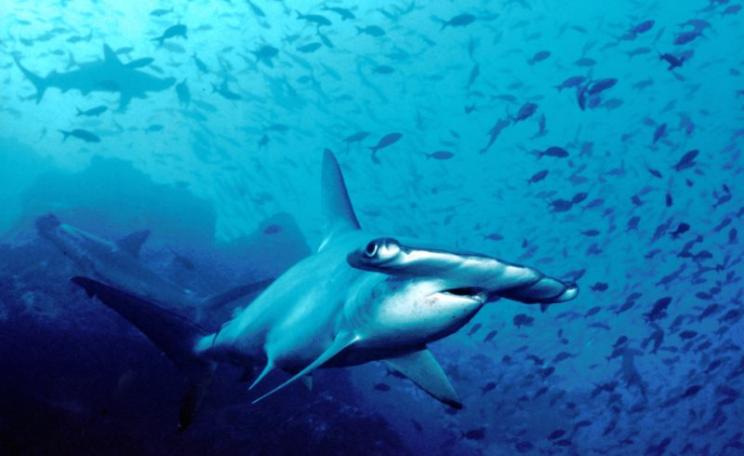
A Pacific island paradise 340 miles from Costa Rica's coast should be the ideal place for marine conservation, write Julia Baum & Easton R. White. But while its waters are indeed teeming with life, steep population declines in key shark and ray species show that stronger protection is badly needed.
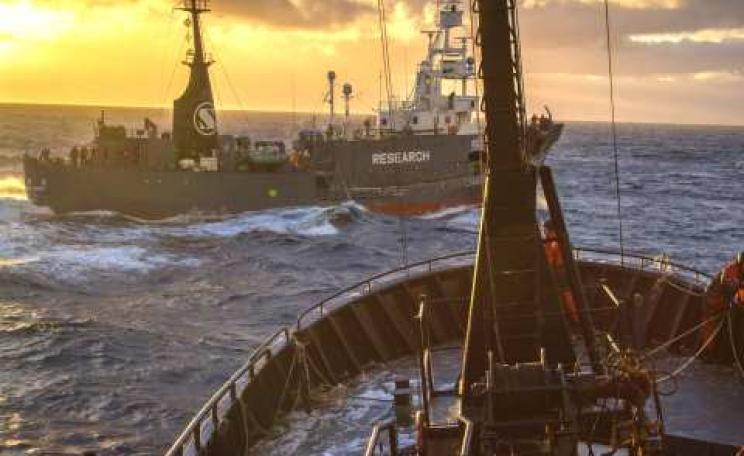
Following the ruling by the International Court of Justice that Japan's whaling in the Antarctic is illegal, Elizabeth Claire Alberts examines the legal, financial and practical challenges of a continued whaling program - with some help from Sea Shepherd's Captain Paul Watson.
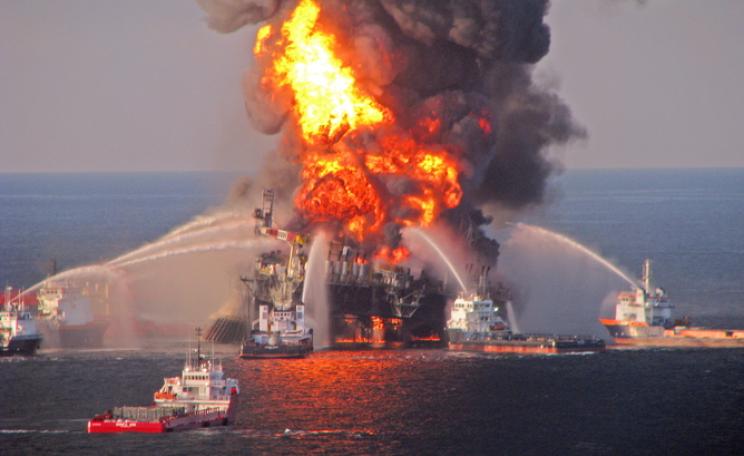
In the four years since the Deepwater Horizon blowout there's been a lot of regulatory activity, writes Jacqueline Lang Weaver. Yet the regulatory framework today is weak, complex, under-funded, industry dominated - and it's uncertain that the Gulf of Mexico is really any safer than in 2010.
The US Fisheries Service has repeatedly failed to give highly endangered Right whales adequate protection. Now wildlife groups are suing the Agency to demand a more than tenfold expansion of 'critical habitat' to protect the species along the US's Atlantic coast.
In the search for Malaysia Airlines flight MH370 we have found oil slicks and debris everywhere - none of it connected to the missing plane, writes Paul Mobbs. The seas are littered with human trash, and it's killing the oceanic ecosystem.
Internet retail giant Rakuten has announced it is terminating sales of whale products through its Japanese marketplace Rakuten Ichiba and has given merchants 30 days to remove them. But thousands of ivory products are still for sale.
The International Court of Justice has ordered Japan to revoke its 'scientific whaling' permits in the Antarctic and cease to issue new ones as they are not for scientific purposes. Next, the North Pacific ...
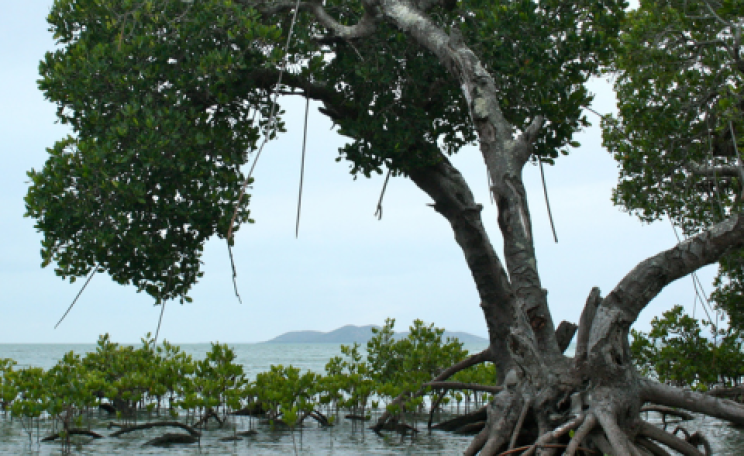
As the IPCC prepares to launch its latest climate report, Mark Spalding reports that mangrove swaps don't just protect coastlines from storms, flooding and erosion - they also sequester huge tonnages of carbon. And that makes them a super-smart investment ...
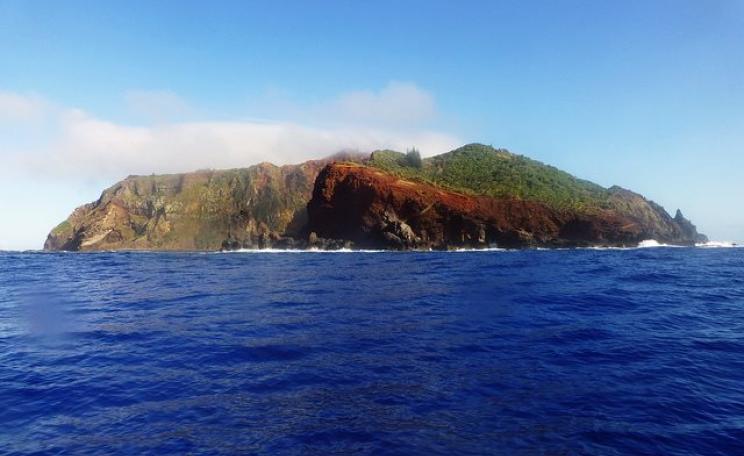
The UK is to create a fully protected marine in the South Pacific more than three times bigger than the UK itself, covering some 830,000 square kilometres. The move may herald further huge designations in the UK's 'overseas territories' which encompass over 6 million square kilometres of ocean.
A new study has found that the NE section of the Greenland ice sheet - thought to be stable due to the extreme cold - has been losing ice since 2006 with increasing speed. And as Shfaqat Abbas Khan reports, that has huge implications for global sea level rise.
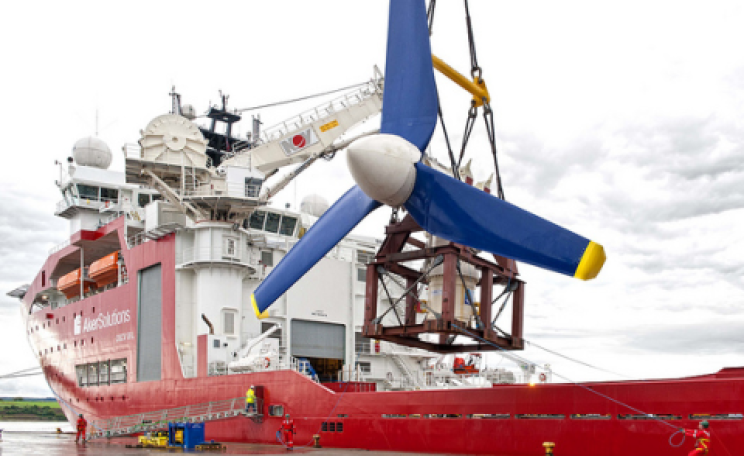
First the UK made a mess of wind and let Denmark take the prize. And now, writes Godfrey Boyle, the government's prevarication is risking our lead in another key renewable energy sector - marine power.
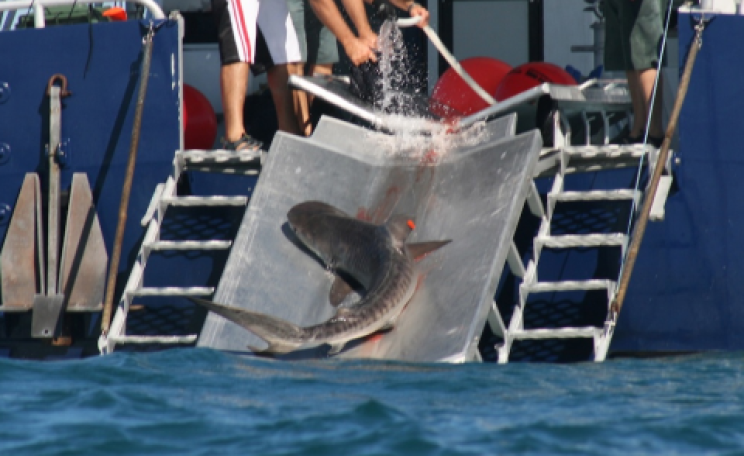
New figures show that three quarters of the sharks caught by Western Australia's shark baiting were undersize. All the more reason to halt the program, writes Elizabeth Claire Alberts - and to end similar programs elsewhere in Australia
A citizen scientist project on North America's West Coast hopes to fill the void in credible scientific information about Fukushima's radiation and its effects on food and the environment, writes David Suzuki.
In his new book 'Hunting the Hunters - at war with the whalers', Laurens de Groot recounts his adventures with Sea Shepherd in the Southern Ocean, saving whales from Japan's 'scientific research'.
New research predicts that coastal regions face massive increases in damages from storm surge flooding over the 21st century - to $100 trillion annually, more than the world's entire economic product today.
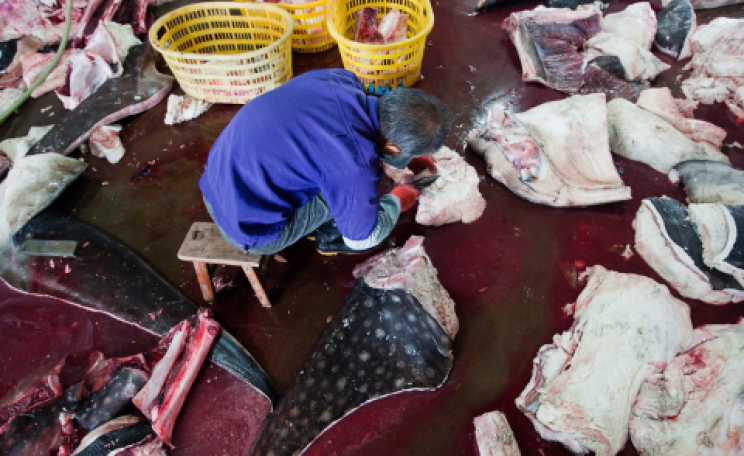
The world's biggest slaughterhouse for endangered whale sharks has been uncovered in southeast China, writes Sophie Morlin-Yron. It's products are being traded across the world in health and cosmetic products.
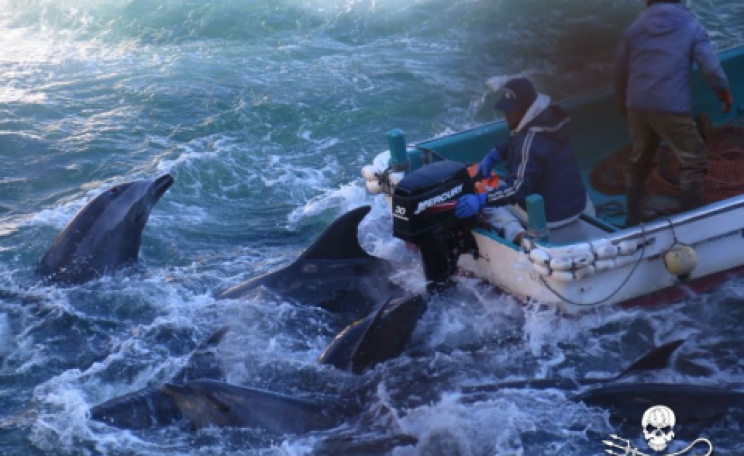
The Japanese dolphin slaughter at Taiji is an exercise in wilful sadism, writes Joshua Frank. But responsibility for the killing spreads much wider than Japan, with captive cetaceans from Taiji reaching aquaria around the globe - including SeaWorld.
Green sea turtles are endangered worldwide. So does the Cayman Islands' sea turtle farm, which raises the sea reptiles as a luxury food, assist their conservation? Quite the reverse, argues Rachel Alcock.
The UK Government has recently expanded its network of marine protected areas. But as Horatio Morpurgo discovers, the focus on protecting only specific 'features' from intensive fishing is leaving entire ecosystems at risk.
Prices paid in the UK to solar and wind generators will change to favour offshore wind at the expense of the others. Jim Platt warns that the policy is doomed to failure - offshore wind is just too expensive, and likely to remain so.
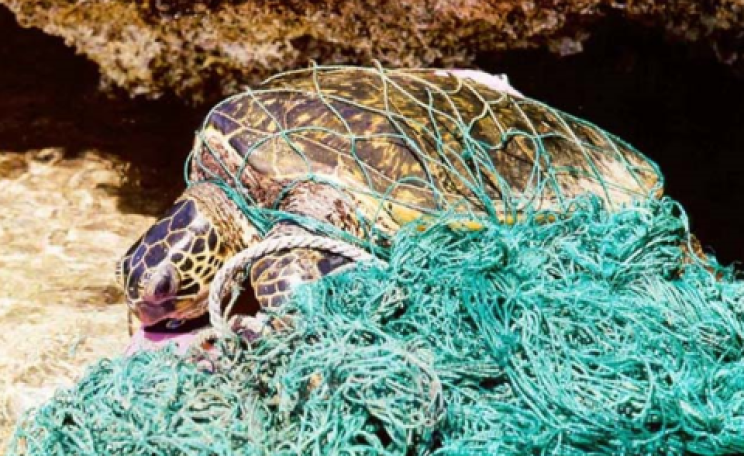
Ghost nets - nylon fishing nets abandoned in the ocean - are the sea life killers that keep on killing. Roisin Woolnough reports on the Healthy Seas initiative to transform the ghost nets into useful products from socks and swimwear to carpet tiles.
The unprecedented rate of ocean acidification is one of the most alarming phenomena generated by climate change and the only way to mitigate the dangers is to reduce CO2 emissions significantly.