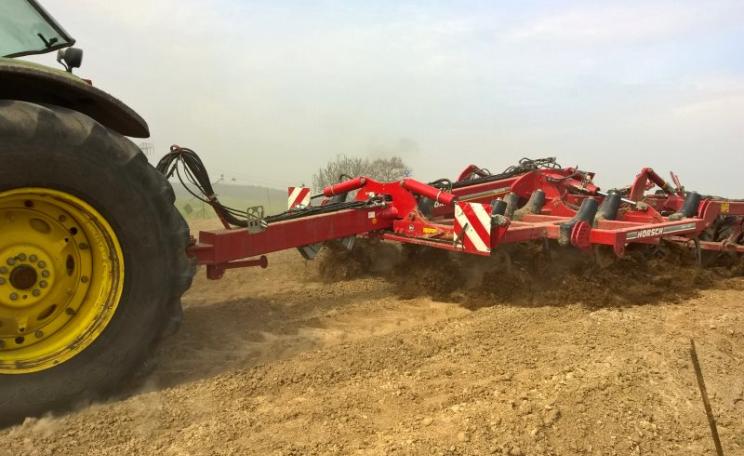
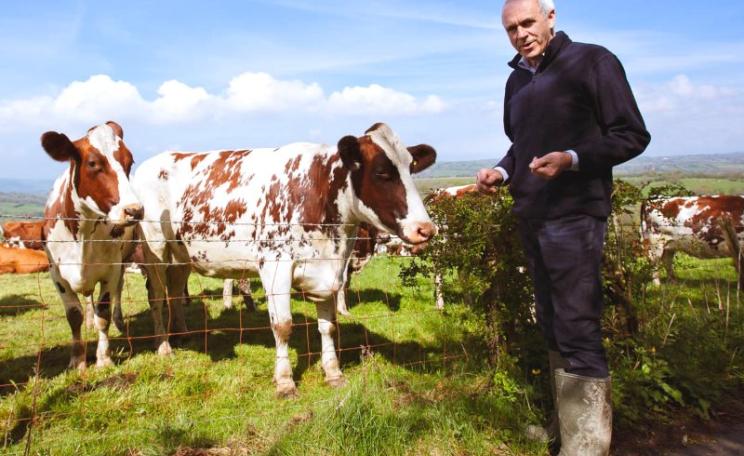
Britain's soils are in a bad way, writes John Quinton, and the government is doing little to help - indeed its policies are making the problems worse. So concludes yesterday's Environment Audit Committee report on soil health. But are ministers bothered?
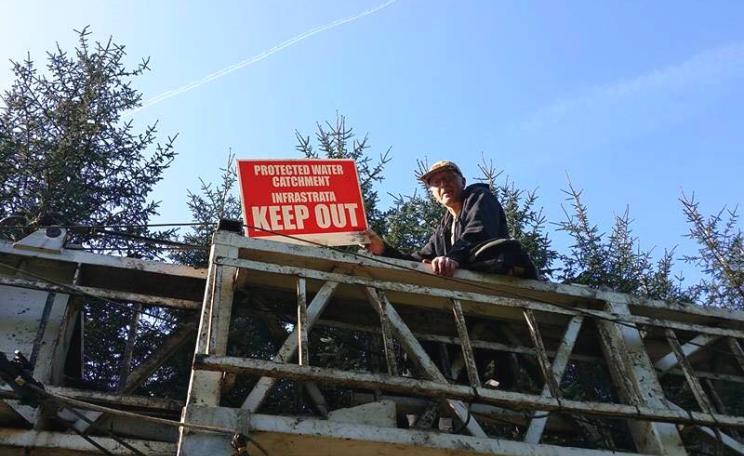
Local people are furiously trying to stop a fracking company from drilling near a drinking water reservoir serving tens of thousands of homes, after Northern Ireland planners failed to block Infrastrata's claim for 'permitted development' rights.
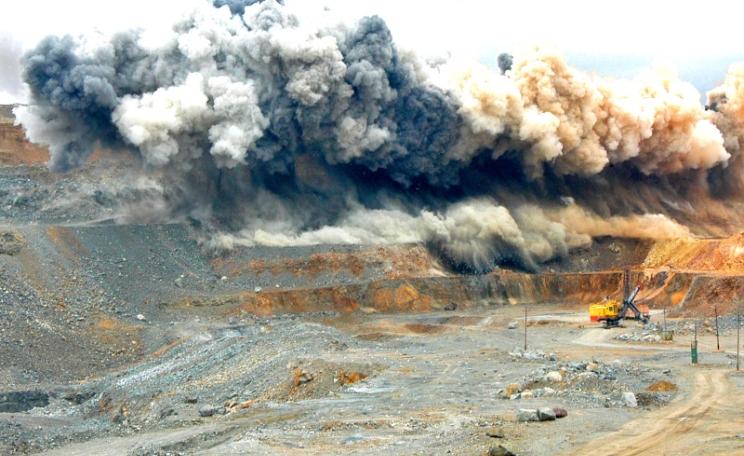
Almost entirely unknown to the outside world, and even to most local residents, hundreds of square kilometres of South Africa's Karoo dryland have been bought up by uranium mining companies, writes Dr Stefan Cramer. With no strategic assessment of the industry's devastating impacts and massive water demand, official permission could soon be granted for vast open pit mines.
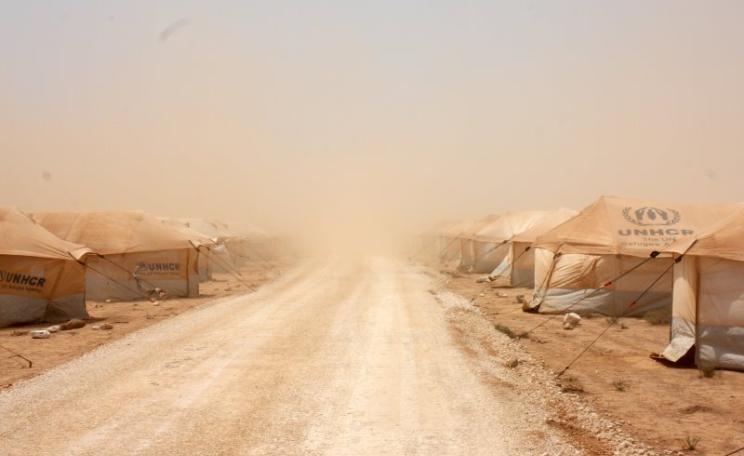
Since 1948 Jordan has taken in millions of refugees from Palestine, Iraq and most recently Syria, writes Doug Weir. Politically and economically the country has proved astonishingly resilient - but the population increase has caused huge damage to its fragile environment. Ecological degradation, pollution and resource scarcity may cause political instability unless more is done to tackle the problems.
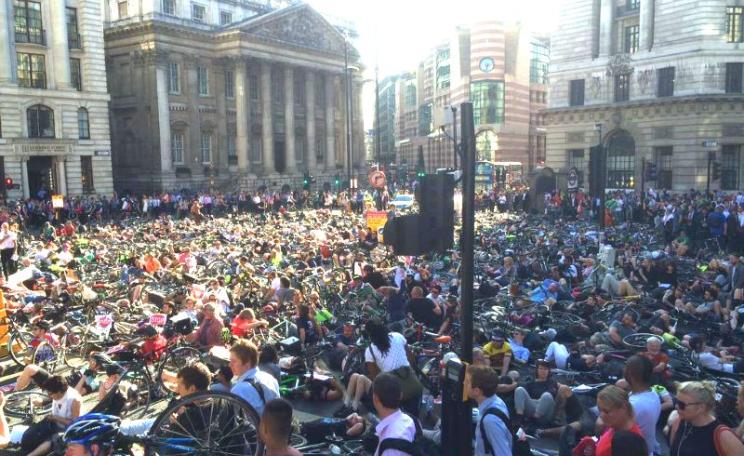
Stop Killing Cyclists are staging a protest in London on 27th April to demand an end to the UK's intolerable air pollution, writes Donnachadh McCarthy. With an estimated 40,000 people dying every year from filthy air, much of it caused by diesel cars, all are welcome to join in, denounce the government's 'polluters' friend' policies, and insist on swift action to stop the needless deaths.
BP's plans to explore for oil in the deep seas of the Great Australian Bight came under fire today at the company's Annual General Meeting in London, writes Graham Readfearn. The drilling would risk the ocean's rich marine wildlife - while blowing a massive hole in Australia's COP21 emissions targets.
Food has never been more affordable for middle class families in rich countries. But it comes at a high cost: the impact of industrial food production on health, environment and society has never been greater as Patrick Holden explained to Emily Lewis-Brown. Now the real cost of food US production will be examined in a ground-breaking conference in San Francisco.
Illegal gold mining in the Amazon has a devastating effect on indigenous peoples, writes Sarina Kidd. First the miners bring disease, deforestation and even murder. Then long after they have gone, communities are left to suffer deadly mercury poisoning. Now the UN has been called on to intervene.
The European Union's carbon market, the EU ETS, is meant to cut pollution in a cost effective way. But a new report shows that it handed the EU's biggest emitters a €24bn bumper payout over six years. Not so much the 'polluter pays' principle but the precise opposite: people pay, and polluters profit.
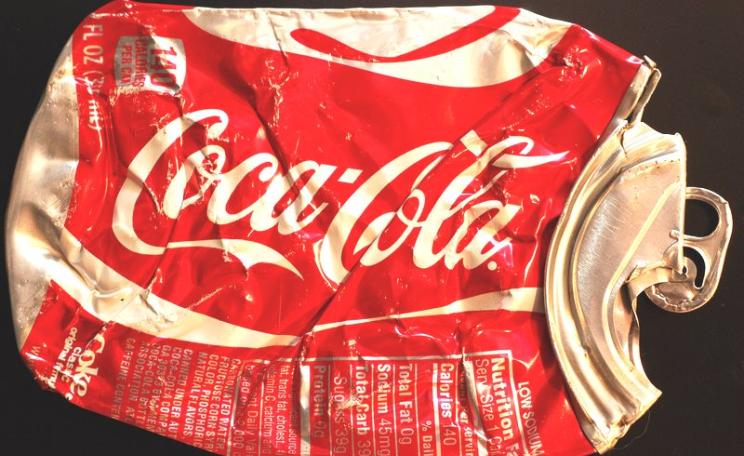
The Chancellor's 'sport not sugar' move to tax sugary drinks was extremely welcome, writes Simon Bullock. But we need a similar Treasury approach to protect people from other threats too. So how about tackling the air pollution that's killing tens of thousands of Britons a year?
Oil giant BP is the UK's single biggest EU lobbyist, spending over £2 million reaching out to European policy makers in 2014, new figures show. But citing hard times, the company has dropped its controversial sponsorship of the London's Tate Galleries - and more such branding deals may bite the dust.
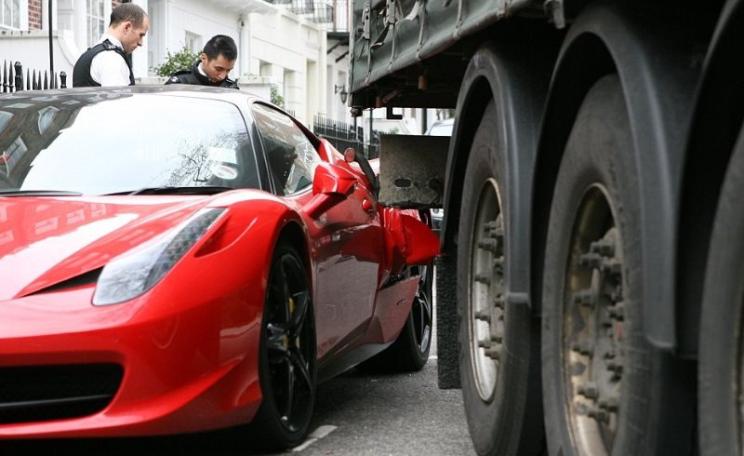
Low Emissions Zones have their place in cleaning up the UK's worst air pollution hotspots, writes Richard Howard. But we also need to adopt fiscal measures to encourage a shift away from diesel vehicles, at once delivering cleaner air, increased tax revenues, and lower carbon emissions.
A legal principle dating from Roman times is ripe for use in protecting our waste-filled and over-exploited seas and oceans, writes Deb Wright. Under the 'Public Trust Doctrine' governments are entrusted to protect shared natural resources from abuse, and can be held accountable for neglect of their duties.
The indigenous Wampis people of the Peruvian Amazon have demanded the immediate closure of a Petroperú oil pipeline after a series of devastating spills, writes Vanessa Amaral-Rogers. The company has already been found guilty of 'negligence' after previous oil spills contaminated the Wampis land and rivers.
Africa's car battery recycling industry is anything but green, write Desirée García & Javier Marín on African Environment Day. Toxic emissions from the re-smelting of lead from old batteries is poisoning workers and nearby communities. And among the buyers of the lead are EU car companies, apparently indifferent to the death, disease and contamination they are financing.
A year after Shell was forced into a £55 million settlement with an indigenous community in Nigeria devastated by oil spills, a UK High Court judge has allowed two new such cases to proceed on behalf of some 43,000 subsistence farmers and fishers whose livelihoods have been wiped out by the same cause.
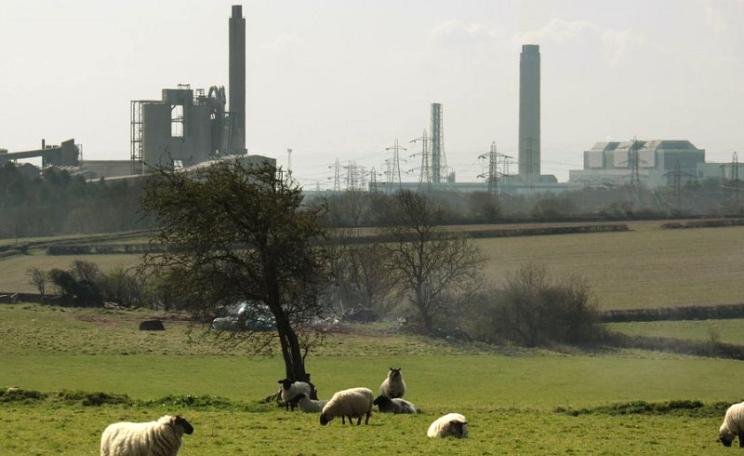
Wales should lead the UK in bringing an end to the entire coal industry from opencast mining to highly polluting power stations, writes Gareth Clubb. A new report by Friends of the Earth Cymru shows the Aberthaw plant alone imposes social and environmental costs of nearly £1 billion per year on the country and global climate.
Today's threats of legal action by ClientEarth against the UK Government highlight the problem of London's poisonous air, which is killing some 10,000 people a year, writes John Weeks. Fortunately there are simple, low cost, effective measures that could be taken to bring about big improvements to the city's air quality, fast.
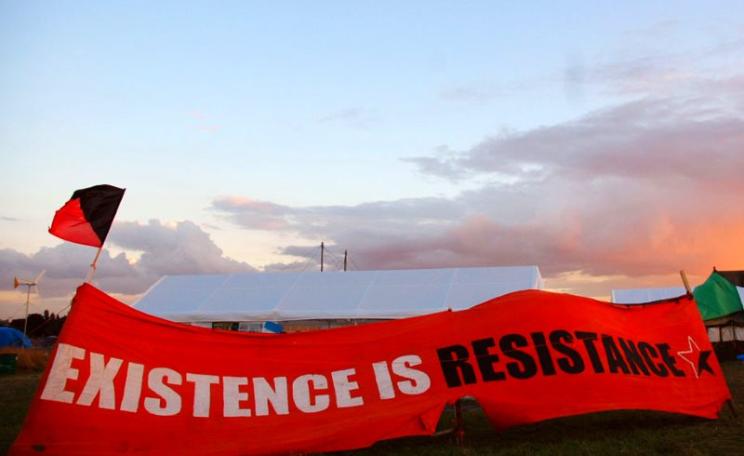
With the 'Heathrow 13' protestors expecting custodial sentences today for their occupation of a Heathrow runway last July, Shadow Chancellor John McDonnell MP writes that their direct action followed years of official lies and broken promises, and forms part of a long tradition of direct action protests in defence of democracy.
One of the biggest threats facing marine life is the 'microplastic' particles found in ocean ecosystems from bottom to top of food chains. Just back from a voyage of environmental exploration in the tropical Atlantic sampling the waters to build up a global picture of this ubiquitous pollutant, Ana Stanič writes of the joys and trials of life on the waves, and the need to keep our oceans clean.
Amid the growing call for those guilty of causing Flint, Michigan's water crisis to be prosecuted, Jane F. Barrett finds little prospect of criminal charges under the Safe Drinking Water Act. But federal, state and common laws offer prosecutors a range of potential charges, from malfeasance, misfeasance and nonfeasance to involuntary manslaughter.
Despite Cameron's promise to lead the 'greenest Government ever', the environment has taken a heavy bashing since the 2015 election, writes David Clubb - whether on oil, fracking, renewable energy or planning policy. But Wales is doing its best to follow a sustainable path, and demonstrating badly needed environmental leadership that the whole UK would do well to follow.
High levels of toxins mercury and cadmium have been found in all organs of the whales recently beached on Scotland's North Sea coast, including the brain. The research shows that rising mercury levels in the oceans leads to toxic stress in the long-lived marine mammals.
Fund managers who neglect their 'duty of care' to clients by failing to put pressure on the companies they invest in to reduce their carbon emissions and prepare for a fossil-free future could be sued for their negligence, say respected experts in law, environment and finance.