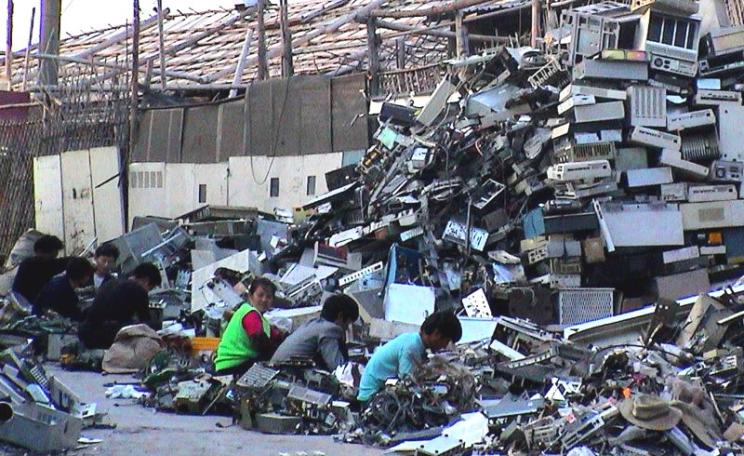
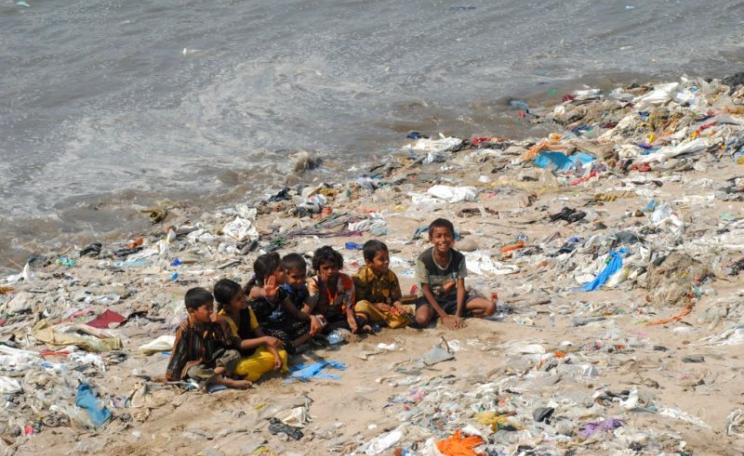
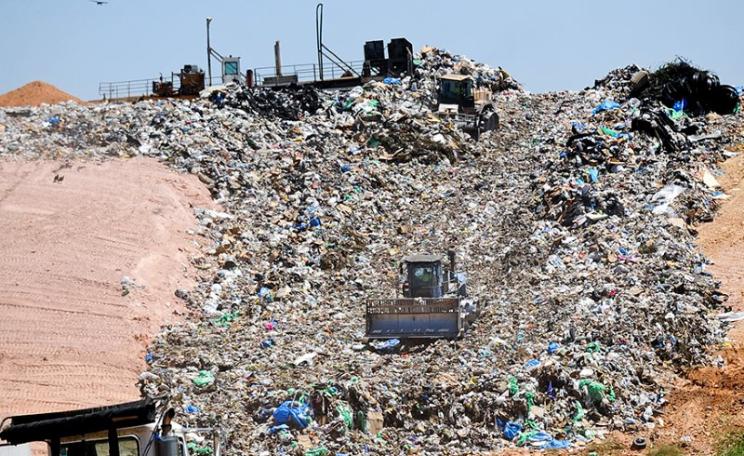
Our thirst for the latest gadgets has created a vast empire of electronic waste, writes Ian Williams. The EU alone produces some 9 million tonnes of it a year, of which some 70% is still working when disposed of, and over a third is disposed of illegally. With increasingly affordable electronic devices available to ever more people, it's high time for effective global regulation.
The Flint water crisis exposes like nothing else the toxic cynicism of America's ruling class, writes Jesse Jackson. In their privileged view, the victims of the lead poisoning are disposable 'unpersons' that matter less than General Motors' auto parts. But now they, and their peers in other poisoned communities, are fighting back.
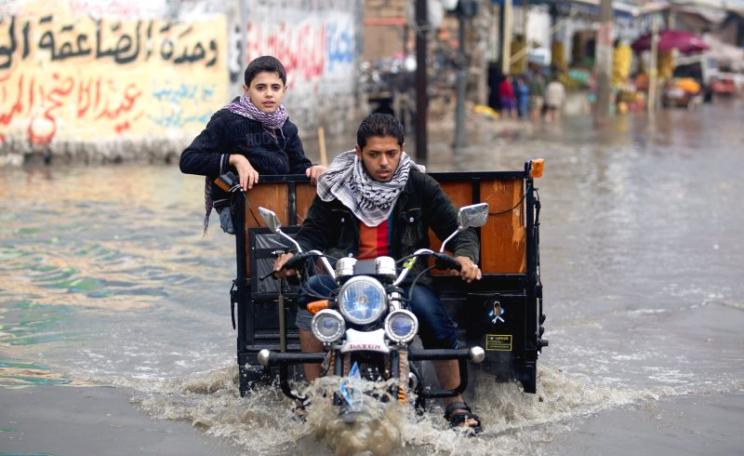
The humanitarian crisis in Gaza has worsened after floods and purposeful destruction has taken its toll in recent months, writes Vanessa Amaral-Rogers. The eight year blockade by Israel and conflict with Egypt has already hit Palestinian families hard but now Gaza is at even greater risk as Egypt diverts seawater into life-line tunnels.
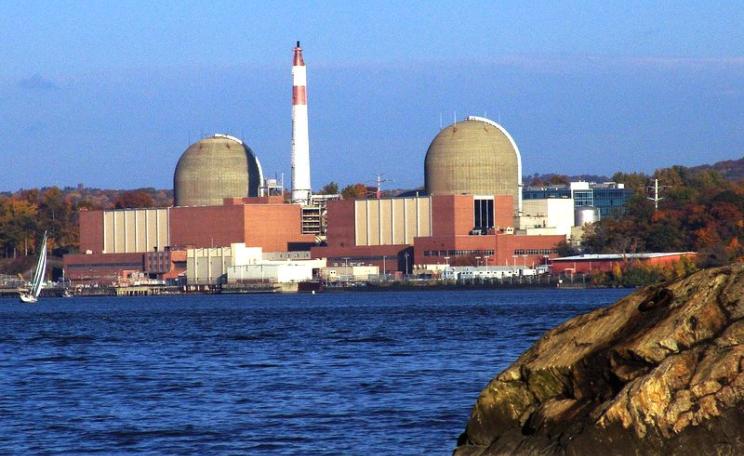
Highly radioactive tritium has leaked into groundwater at the Indian Point nuclear site 40 miles north of Manhattan, New York, write Sam Thielman & Alan Yuhas. Governor Cuomo has ordered a review of safety at the site, where two reactors are operating with no NRC license.
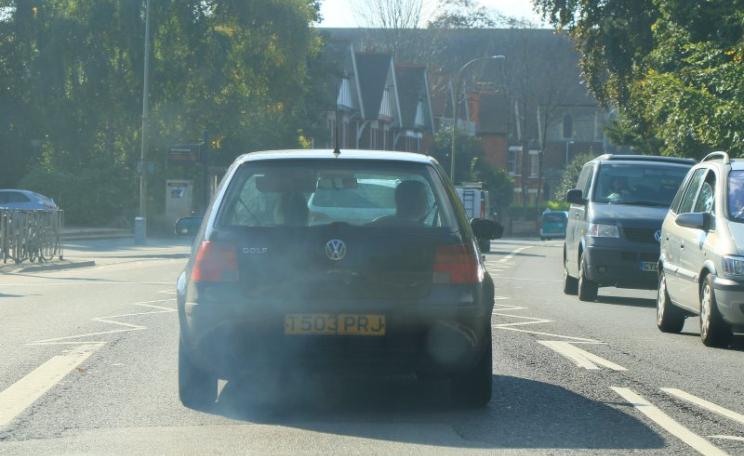
Right wing MEPs in the European Parliament including UK conservatives today voted car makers a 'get out of jail free' card over air pollution that's killing tens of thousands of citizens a year, allowing their vehicles to emit double the legal limit for nitrogen oxides.
Air pollution from vehicles is killing tens of thousands of people every year in the UK alone, write Jean Lambert, Molly Scott Cato & Keith Taylor, an outrage set into stark focus by VW's 'test cheating'. The EU's response? To relax tests and allow cars to be more polluting - with the full support of the UK government.
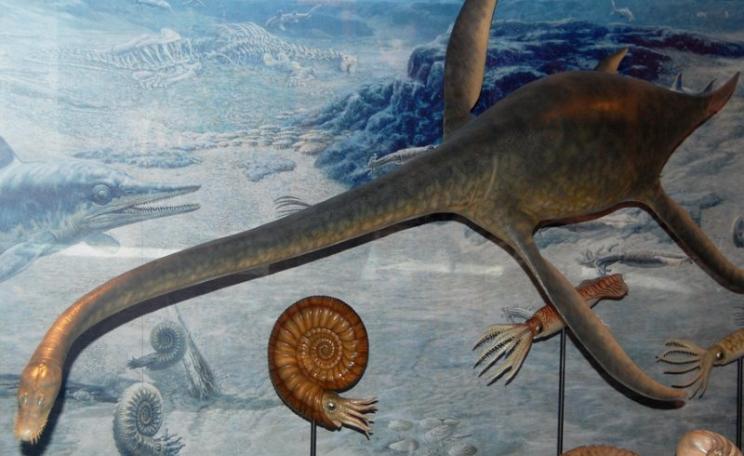
For long periods animals in ancient oceans could live only in shallow surface waters, above vast 'dead zones' inhabited only by anoxic bacteria, writes Richard Pancost. Human activity is now creating immense new dead zones, and global warming could be helping as it reduces vertical mixing of waters. Could this be the beginning of something big?
Long after we go extinct the human presence on Earth will be marked by a geological stratum rich in plastic garbage, according to a new study. Long-lived plastics are already widespread over the ocean floor, and there's a lot more on its way. Forget the 'Anthropocene' - the human era should rightly be called the Plasticene.
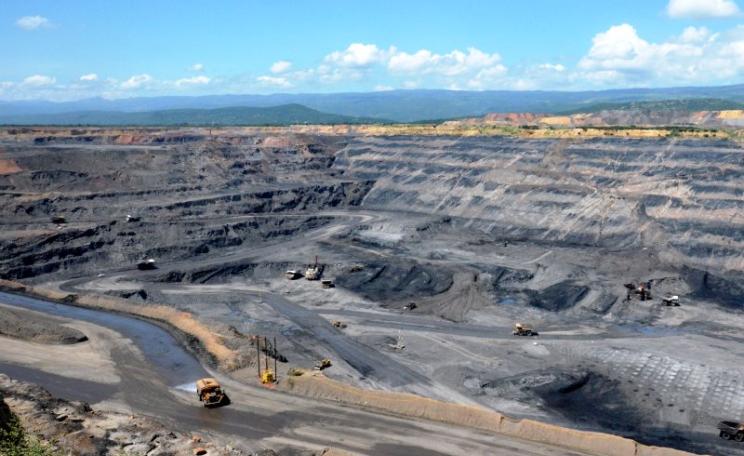
The UK's coal burn is not just having a huge impact on climate, writes Anne Harris. It's also devastating communities in the UK, Russia, Colombia and other nations that supply our coal power stations. Those impacted are doing their best to resist the mining companies that are destroying their land, stealing their homes and polluting their air and water. But they need our help!
When the UK joined the EU in 1973, it was dubbed the 'dirty man of Europe' thanks to its out of control pollution, writes Craig Bennett. Since then EU laws have forced us to clean up our act. But if we leave, all that may go into the reverse, with terrible impacts on our air, water, health, and wildlife.
A new report from leading physicians published today reveals the excess mortality caused by UK air pollution, writes Vanessa Amaral-Rogers. The Government has already been found in breach of the EU's Air Quality Directive, but its policies remain weak. Will it finally step up to prevent early deaths from this silent killer?
The massive methane leak at Aliso Canyon in California tell sus everything that's wrong with fossil fuels, writes Pete Dronkers: toxic, under-regulated, unsafe, and climate destroying. But the catastrophe also brings us a timely message: this is the time for the California, the US, and the world, to begin a rapid transition away from fossil fuels and into our clean, green, renewable future.
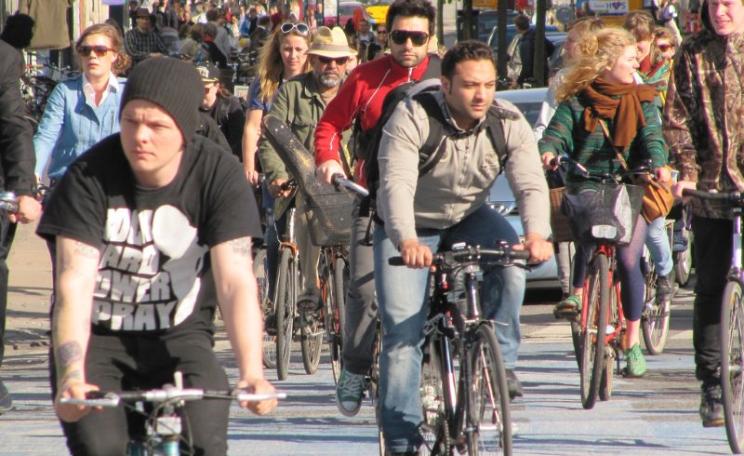
The world's big cities are choking with pollution and endless traffic jams, writes Colin Todhunter - except one. Copenhagen, faced with these problems half a century ago, decided to act. Now it is showing the world that cycling is not just the basis of a sustainable transport strategy, but is key to making our cities clean, green, human and livable. May the global revolution unfold ...
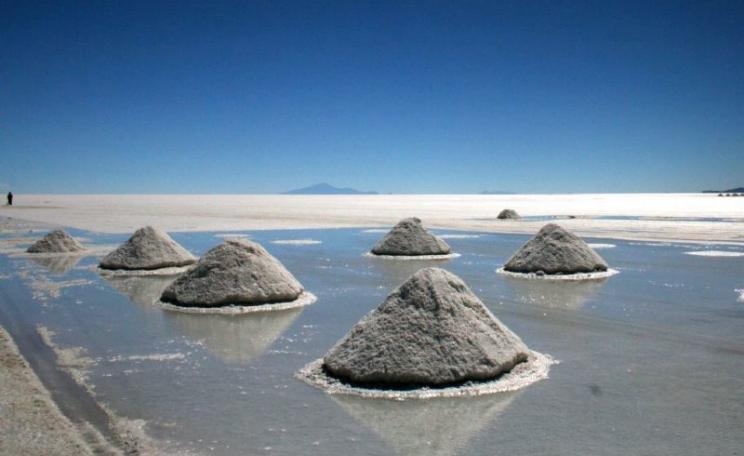
Lithium is a key global resource for the global energy transition thanks to its role in the lightweight, efficient batteries that will power cars and balance power grids, writes Rafael Sagárnaga López. But the booming demand threatens to contaminate one of the world's great wonders, the Salar de Uyuni, 12,000 feet high in the Bolivia's Andes, which holds 70% of the world's lithium reserves.
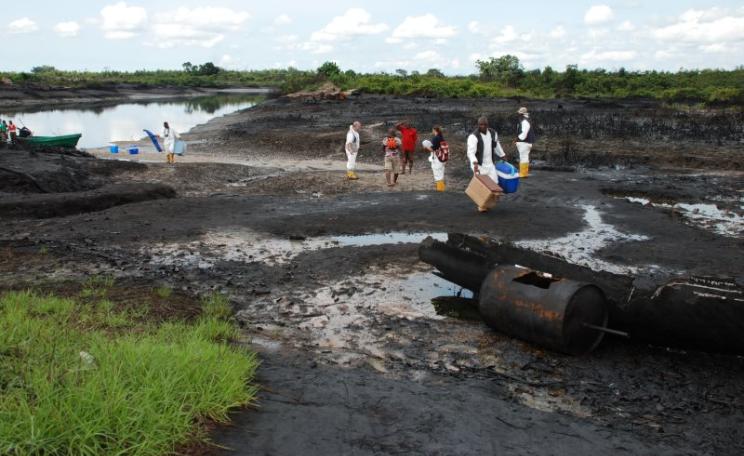
In a landmark judgment today, four Niger Delta farmers have won the right to sue Dutch oil multinational Shell in the Netherlands courts after oil spills destroyed their farms and fish ponds. The case sets a precedent for other victims of corporate environmental and human rights harms around the world.
The apparent conspiracy by the UK government and its agencies to conceal the real cause of death of 7-year old Zane Gbangbola may go right up to Prime Minister David Cameron, writes Paul Mobbs. He was chair of the COBRA emergency committee at the time when it appears to have held back the truth that he was killed by cyanide from the toxic landfill site his home was built over.
There's a quick climate win for COP21 negotiators to ponder, writes Wilf Lytton - one that could convert a billion tonnes a year of CO2 into mineral form while neutralising caustic wastes like coal ash and slag. But first, industries and regulators must adopt a 'recycling' mentality to these hazardous materials, rather than the 'dump and forget' model that prevails today.
Little publicised government plans to 'reform' court costs are intended to foreclose access to environmental justice for all but the wealthiest individuals and communities, writes Paul Mobbs. Meanwhile cuts to agencies and regulators will make it ever harder for them to do their jobs - making public participation in environmental protection all the more important.
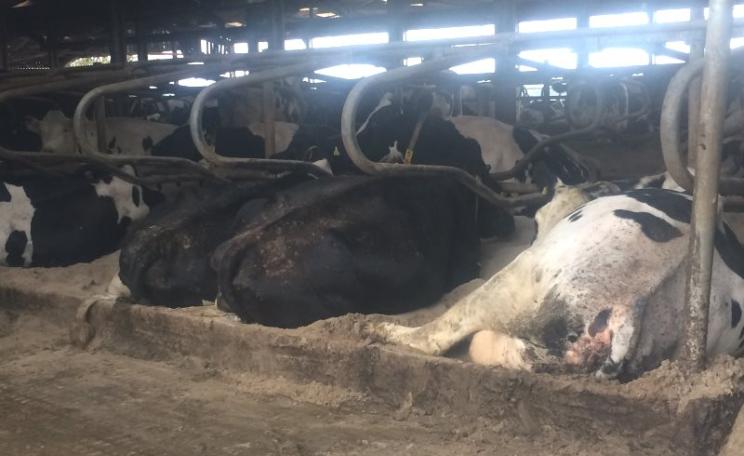
As falling milk prices push dairy farm out of business, new mega-dairies and feedlot operations of 700 or more cows are filling the void, writes Andrew Wasley. Never mind the pollution, slurry lagoons, and heavy plant on country lanes - do we want the cows that produce our milk confined to sheds? And what's the future for traditional dairy farmers with small, well cared for herds?
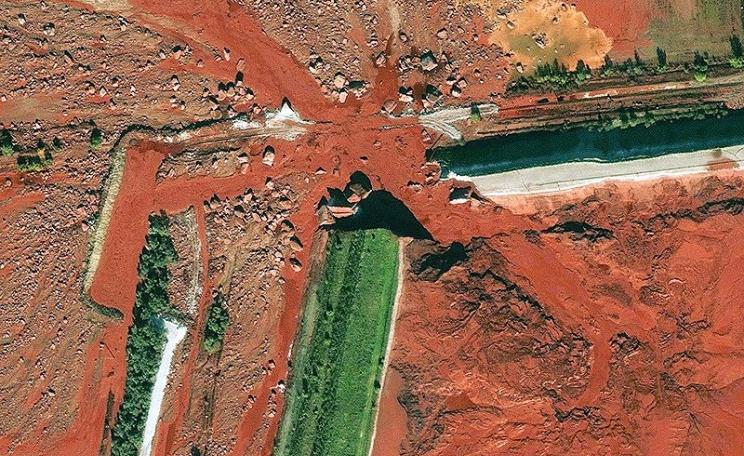
Brazil has suffered its biggest ever industrial disaster, write Ana Luisa Naghettini & Geraldo Lopes. Breached and overflowing dams have released a massive slug of toxic muds and tailings from iron mining into the country's fifth largest river system that provides drinking water for downstream cities, destroying ecosystems in rivers and vast areas of biologically fragile ocean.
A new review of the performance of politically fashionable 'voluntary' approaches to environmental protection demonstrates limited effectiveness, writes Donal McCarthy. Laws and regulations play a vital role in protecting nature and the wider environment - for which voluntarism is no substitute.
Landfill sites, giant hog farms, incinerators and other 'bad neighbor' industries in the US tend to be situated in African American communities, writes Heather Kathryn Ross. The Environmental Protection Agency is legally obliged to prevent 'environmental racism', but from California to Michigan, low-income communities of color have been waiting years for it to take a stand. Now, backed by Earthjustice, they are forcing the issue - in the courts.
It was all going so well for Chevron - a New York court had ruled that a $9.5 billion judgment against it set by Ecuador's supreme court for massive pollution deep in the Amazon was corrupt and fraudulent. But then its star witness broke ranks and admitted, in another court, that he had lied, and the only bribes were coming from Chevron. Will Ecuador's pollution victims finally get justice?
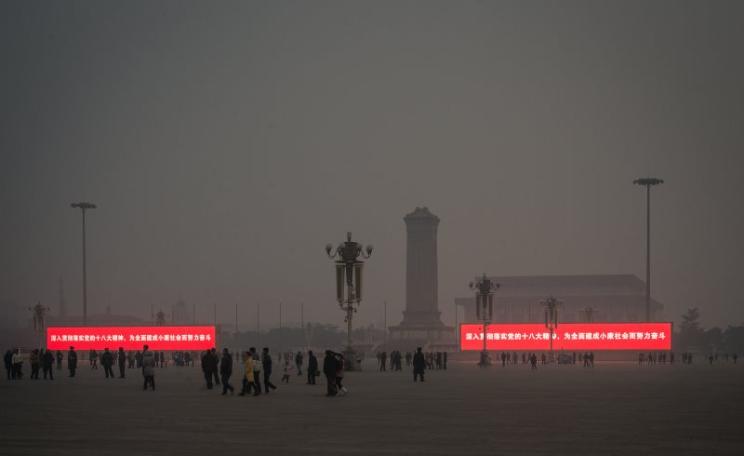
China's smog is an increasing cause of public discontent, writes Oliver Wild - and no wonder! New research shows that the country's air pollution is killing over a million people every year. Thanks to China's geography the problem is hard to solve, but the rapid rise of renewables and the slow demise of coal do offer the promise of cleaner, healthier future.