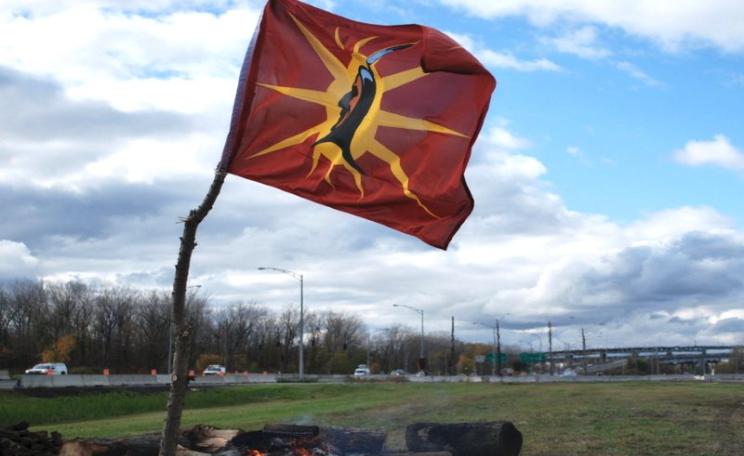
Members of the Mohawk Warrior Society have intervened to stop the dumping of raw sewage in Canada's St Lawrence river, lighting a large bonfire at a key railway junction to warn Montreal's Mayor off his plan.
The impending renewal of the license for a uranium mine in Nebraska has ignited a years long resistance among those - most of them women - for whom good health and safe, clean water in the Ogallala aquifer is as important as life itself, writes Suree Towfighnia. But for others, jobs and money come first. Now the Nuclear Regulatory Commission must reach its decision.
The UK's official agency for car pollution testing has taken £80 million from the auto industry in ten years, a Greenpeace investigation reveals, while its senior staff and engineers have a 'revolving door' relationship with car makers.
Cornish beaches are awash with millions of 'nurdles', tiny wildlife-choking plastic pellets presumed spilled from an rogue shipping container. As England's plastic bag charge comes into force, it's a sign that there's still a long way to go to rid our seas of the plastic menace.
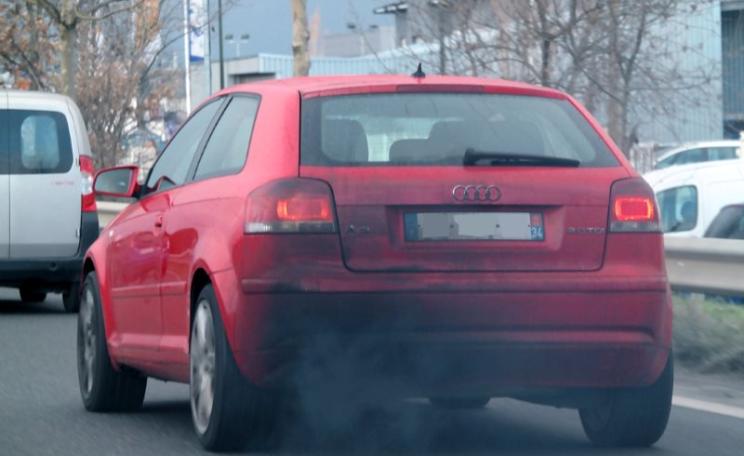
With all diesel cars failing EU clean air standards in real world driving, and the worst 22 times over the limit, there's only one real solution, write Steffen Böhm & Ian Colbeck: adopt sustainable transport strategies to keep cars off our streets and break our dependence on them.
The discovery that Volkswagen has been 'gaming' vehicle emissions tests has taken the world by storm, writes Paul Nieuwenhuis. But it comes as no surprise to campaigners who have long been aware of the huge gap between 'official' emissions and real word pollution. Where were the regulators? And why did it take an NGO to uncover the scandal?
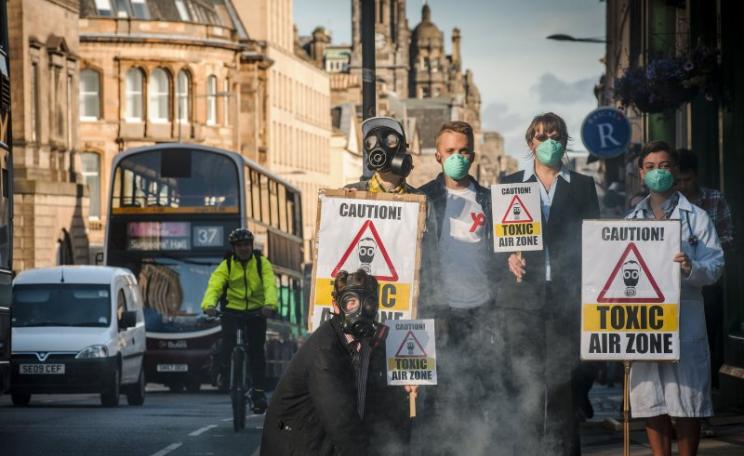
The UK government's response to the Supreme Court's order to clean up air quality in key urban areas has been condemened as vague, weak and slow, lacking in clear targets and compulsory measures. New figures reveal that over 50,000 people a year are being killed by air pollution.
Indigenous Australians are systematically deprived of the benefits of mining and other developments, writes Seán Kerins, and being left to suffer their environmental impacts. As Abbott's government prepares a bonfire of 'red tape', it's time to put Indigenous interests first, and place their communities at the centre of decision making.
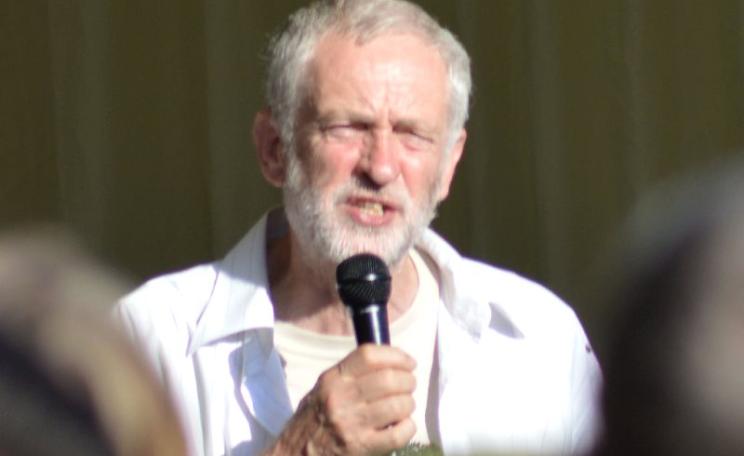
We need a renewable energy revolution, an end to fracking, no new nuclear power, efficient homes, and the break up of our energy cartels, writes Jeremy Corbyn, All that, and strong protection for wildlife and oceans, no TTIP trade deal with the US, clean air to breathe, and massive investment in public transport. Is there anything not to like?
After 20 years of oil spills, deforestation, waste dumping and ill health, farmers and indigenous people in the the Ecuadorian Amazon have been fighting the Chevron-Texaco corporation. But despite its three times conviction and a $9.5 billion damages award to the victims, the oil giant looks no closer to making good its damage.
The NHS is one of our greatest institutions and we must defend it to the hilt, writes Natalie Bennett. But to build the healthy society we all want and deserve, we need joined up policies across the policy spectrum, valuing human wellbeing above crude economic growth.
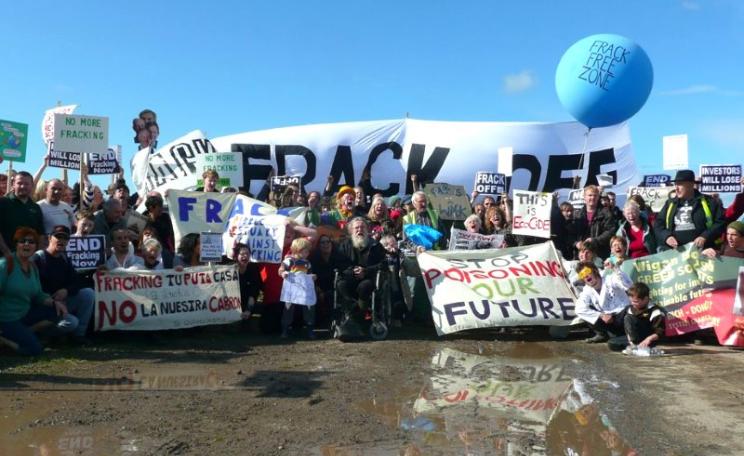
House prices could fall 7% near fracking rigs, according to the 'secret' Defra report on fracking in rural areas, only published in full after a legal battle, while leakage of waste water could damage human health and contaminate food.
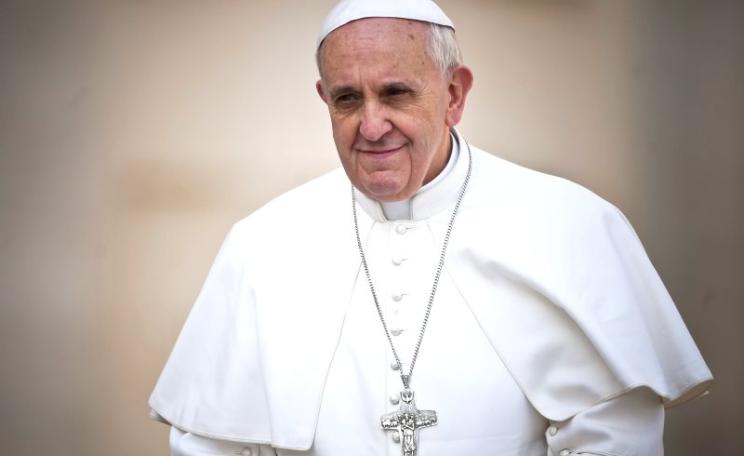
We must beware an 'environmental' agenda that excludes the human dimension, Pope Francis writes in his recent Encyclical: the poor are least to blame for the ecological and climate crises, yet they are its primary victims. Humanity must make enduring decisions about the world we and our children will share.
Carbon trading has a remarkable record of failure: rewarding polluters while causing no discernible reduction in global emissions. If the COP21 UN climate negotiations in Paris are to achieve anything of value, first they must ditch the false solution of carbon markets. And thanks to Pope Francis, the idea is firmly on the agenda.
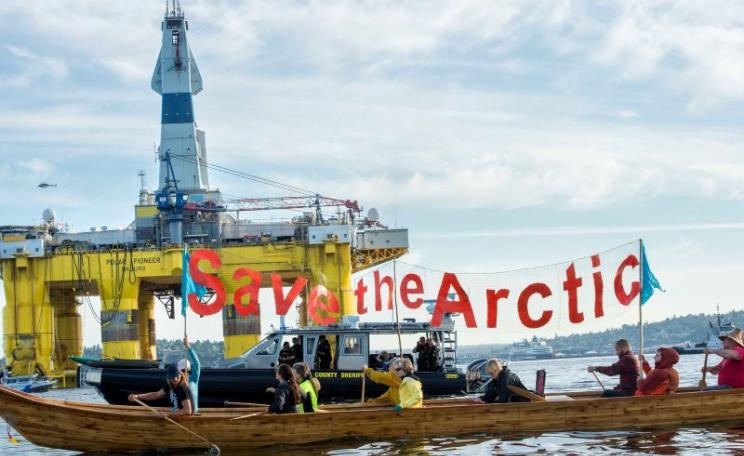
As Shell's Polar Pioneer drilling rig sails from Seattle into the north Pacific, Christine Ottery discovers that US federal regulators had serious concerns about the company's safety equipment designed to contain any oil spill.
Three scientific expeditions into the Atlantic ocean will take place this summer, writes outdoor philosopher Kate Rawles. But as well as gathering data about plastic pollution and over-fishing, they will give participants the chance to think deeply about our society, its values, the often false narratives it tells; and our place, as humans, in the natural world.
The Midwest's largest ever anti-tar sands demonstration took place in Minnesota last weekend, writes David Goodner, cementing a new alliance of diverse communities united in resisting the pollution and destruction of tar sands exploitation, processing and transportation.
Boading, dubbed China's 'greenest city', is the world's biggest maker of solar panels and wind turbines, write Caleb Goods & Carla Lipsig-Mumme. But it's also has the country's worst pollution. Green energy, electric cars and the batteries that power them are great, but with the heavy toxic footprint they carry from mine to factory, we must not delude ourselves that they are 'sustainable'.
The renewable power boom is excellent news for people and planet, writes Pete Dolack. But let's not get carried away: much energy that claims to be 'renewable; like biomass and big hydro, is no such thing. And greening our energy is just one of many steps to a sustainable world. The greatest challenges - like tackling the monster of infinite 'growth' - all lie ahead.
Over a year after violent conflict began in East Ukraine, indications are emerging of its severe environmental impacts in the highly industrialised Donbas region, and the grave health risks to civilians that will endure long into the future. The area will need international assistance both to reduce the hazards, and to 'green' the region's often polluting industries.
China is struggling with a myriad of environmental challenges, writes Thembi Mutch, as the country 'develops' at breakneck speed with massive construction projects, and industrial expansion. But amid the chaos and filth, the Chinese people are mindful of their history and ancient principles of harmony with nature - something that many are working hard to restore.
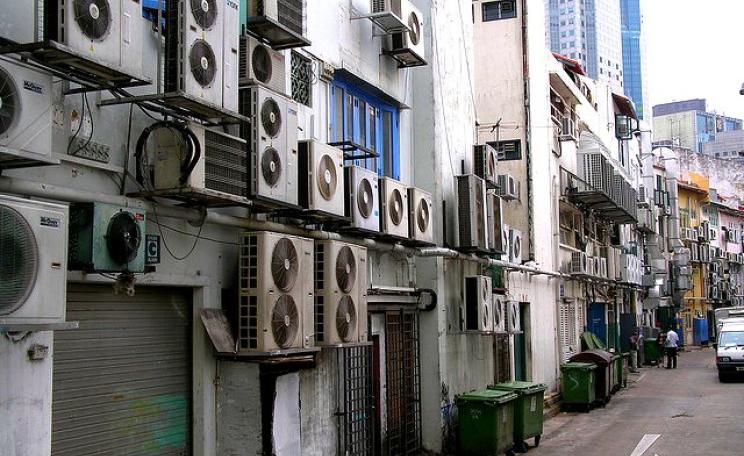
Moves to control powerful HFC greenhouse gases used in refrigeration could culminate in a landmark deal this November, writes David Doniger - the perfect prelude to the main Paris climate talks.
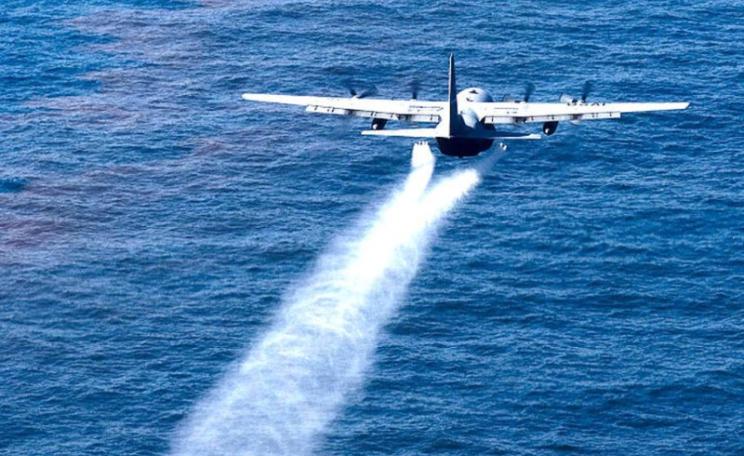
The dispersant used in the Deepwater Horizon clean-up appears to be more toxic to corals than crude oil, writes Danielle M DeLeo. It also increases the concentration of oil in seawater, leading to higher, more toxic exposures of oil components when they come into contact with corals and other marine organisms.
As if melting ice in Polar bears' Arctic habitat was not enough, Norwegian scientists have found that organic pollutants such as pesticide residues are disrupting their thyroid and endocrine systems, adding a further threat to the species' survival.